How to Spot a Sun Damaged Patch on a Bull Terrier
It's a tough truth for many Bull Terrier owners, especially those with dazzling white coats: their dog's skin can be incredibly sensitive and prone to sun damage. We adore their striking appearance, but that pristine white, often paired with delicate pink skin underneath, means they simply don't have the natural UV protection other breeds do. The sun, a source of joy for outdoor playtime, can become a silent enemy, slowly causing damage that's easy to miss until it's become a real problem. This guide is here to help you become a super sleuth for your Bull Terrier's skin, teaching you exactly how to spot those subtle, and not-so-subtle, signs of sun-damaged patches before they escalate.
Why Your Bull Terrier's Skin Is a Prime Target for the Sun
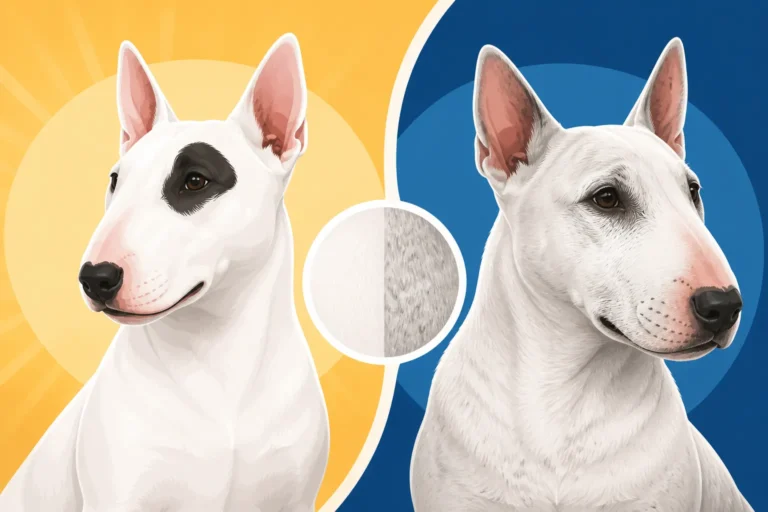
Let's be real, our Bull Terriers are unique, and that includes their skin. Unlike many breeds with thick, dark coats and heavily pigmented skin, a significant number of Bull Terriers, particularly the white variety, have skin that's practically translucent in its paleness. This isn't just an aesthetic feature; it's a biological vulnerability. Imagine your own fair skin without sunscreen – that's often what your white Bull Terrier is dealing with, even under their short, sleek coat.
The reason boils down to melanin, the pigment that protects skin from ultraviolet (UV) radiation. White Bull Terriers, by design, have very little of it in their skin. This means the sun's rays penetrate far more easily, causing damage to the skin cells. Their short, single coat, while easy to maintain, offers minimal physical barrier against the sun. It's not like a double-coated husky or a long-haired collie who have layers of fur providing some inherent shade. For a Bull Terrier, that sleek coat might as well be a sheer curtain against a harsh summer sun. This is why you need to understand Why a White Bull Terrier Sunburns so easily. Their genetics make them beautifully unique but also particularly susceptible.
Moreover, certain areas of their body have even less hair density, exposing that delicate pink skin directly to the elements. Think about the bridge of their nose, the tips of their ears, their inner thighs, and their belly – these spots are often sparsely covered or completely bald, creating direct targets for UV light. Without diligent protection and regular checks, these areas can quickly show the tell-tale signs of sun damage. It’s a reality that hits harder when you realize Whether a Bull Terrier's Pink Skin Burns Through Its Coat, because yes, it absolutely can and often does. Their skin just doesn't have the natural defenses.
The Early Warnings: What Sun Damage Actually Looks Like
Catching sun damage early is key to preventing more serious issues, including potential skin cancers. It's not always a dramatic, painful burn like we humans might experience. Sometimes, it starts subtly, almost imperceptibly, making you second-guess what you're seeing. The first signs are often a change in texture and color, becoming more apparent over time. You need to develop a keen eye for variations in their normal skin.
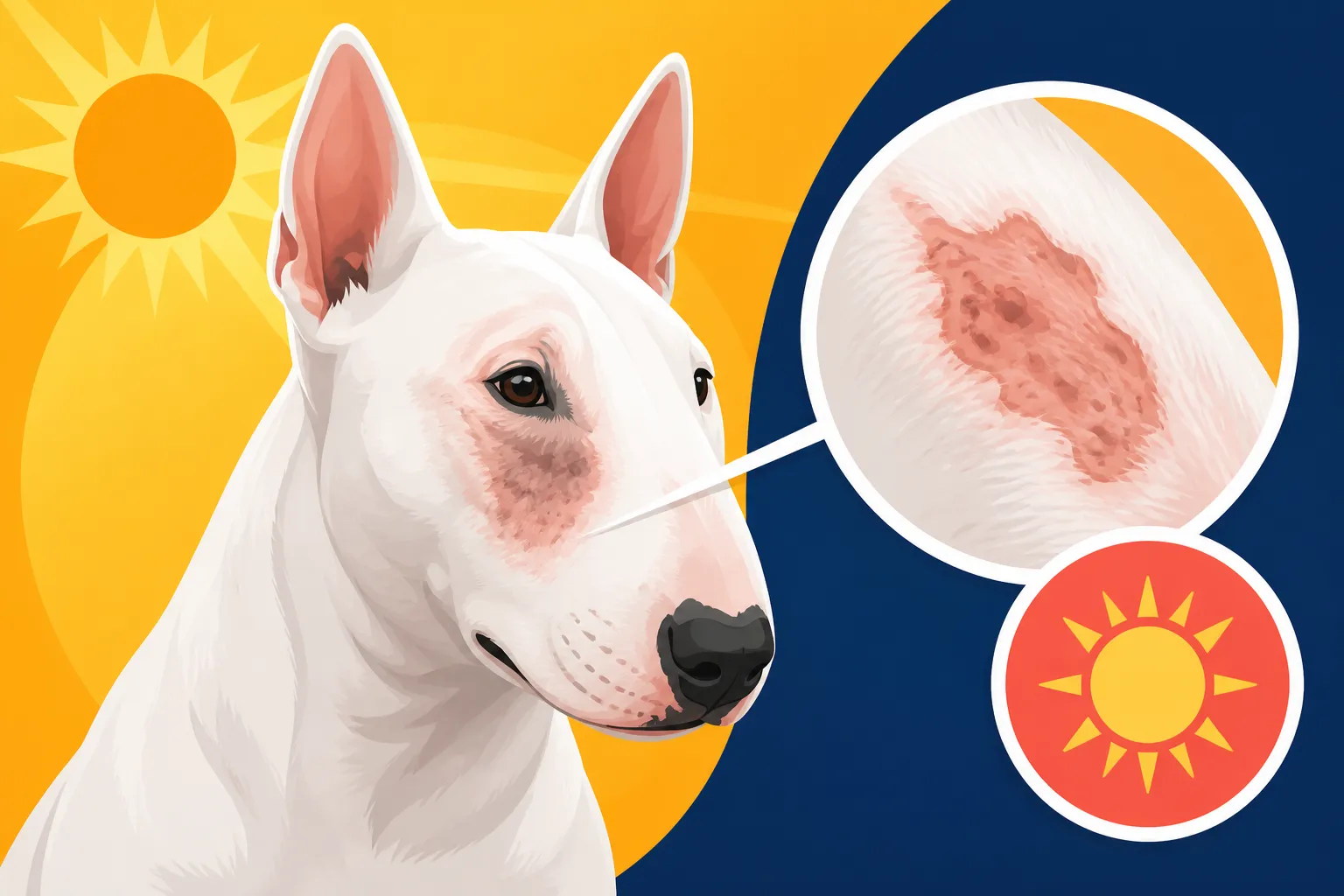
Initially, a sun-damaged patch might appear as a slight pink or reddish discoloration that doesn't go away. This isn't just a temporary flush from exertion; it's persistent and localized. You might notice the skin feels drier or a little rougher to the touch than the surrounding healthy skin. It might even be accompanied by very fine, almost dandruff-like flaking, as the damaged outer layers of skin begin to shed prematurely. This is the skin's way of crying out for help, signaling that it's undergone trauma from UV exposure. It’s a precursor to more severe changes, so don’t dismiss that faint blush or subtle dryness.
As the damage progresses, these patches can become more pronounced. You might see the skin start to thicken, becoming leathery or scaly, especially on the ear edges or nose. This thickening is often accompanied by more noticeable hair loss in the affected area, leaving bald spots where the skin is particularly vulnerable. You might also notice crusting or scabbing, indicating that the skin barrier has been compromised and potentially secondary infections have set in. These areas can become quite itchy, leading your Bull Terrier to scratch or rub, which only exacerbates the problem and makes the skin more inflamed and prone to infection. Pay close attention to What a Bull Terrier's Bald Patch Means, as sometimes it's more than just seasonal shedding. This is when regular The Weekly Skin Check Every Bull Terrier Needs becomes absolutely vital.
Here's a quick reference table to help you distinguish between normal and sun-damaged skin:
| Area of Body | Normal Appearance | Signs of Sun Damage |
|---|---|---|
| Ears (Tips/Edges) | Smooth, flexible, soft, sometimes lightly freckled. | Redness, scabbing, crusting, thickening, hair loss, flaky patches. |
| Nose Bridge | Smooth, moist, typically even pigment (if colored), no peeling. | Dryness, cracking, peeling, redness, pigment loss, crusts, uneven texture. |
| Belly/Groin | Smooth, soft, pale pink or spotted, warm to touch. | Persistent redness, rough texture, small bumps, flaking, hyperpigmentation (darkening), itching. |
| Inner Thighs | Smooth, pale, soft, minimal hair, can be warm. | Redness, slight swelling, rash-like appearance, dry flakes, darkening of skin. |
| General Skin | Supple, resilient, consistent texture, no irritation. | Dryness, dullness, scabs, persistent scratching, loss of elasticity, unexplained bald patches. |
| Hair Coat | Smooth, dense for a single coat, shiny, consistent. | Thinning, brittle hair, localized hair loss (alopecia) in affected areas. |
Common Hot Spots: Where the Sun Hits Hardest on Your Bull Terrier
Knowing what to look for is only half the battle; you also need to know where to look. Bull Terriers, due to their short coats and lack of pigment, have particular "hot spots" where sun damage is most likely to occur. These are the areas that often get the most direct exposure and have the least natural protection. It’s crucial to include these zones in your regular skin checks.
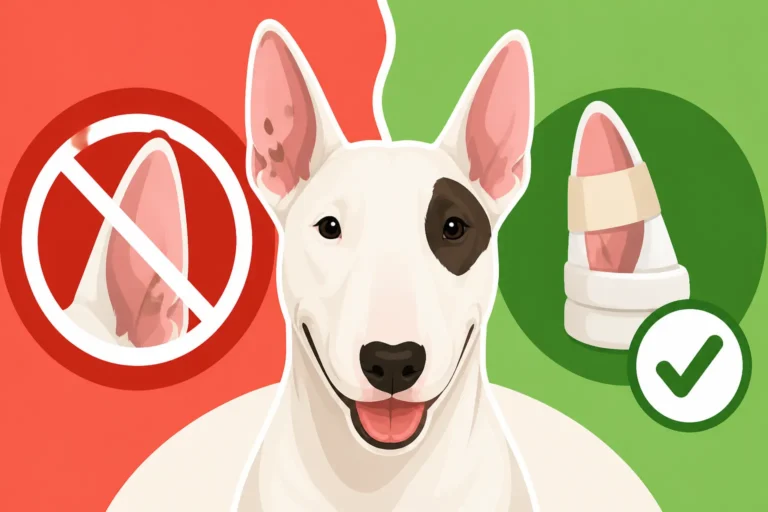
The ears are arguably the number one culprit. The tips and edges of a Bull Terrier's ears are thinly haired and often upright, acting like little solar panels. They catch the sun's rays intensely. Where a Bull Terrier Burns First is almost always the ears. You might notice the skin on the edges becoming rough, crusty, or even developing small scabs. The hair might thin out dramatically here, and the ear itself might feel harder or more brittle than usual. It’s a very common spot for chronic solar dermatitis, which can, over time, lead to serious health concerns. Checking these daily, especially after time spent outdoors, is non-negotiable.
Another highly vulnerable area is the bridge of the nose. For Bull Terriers, their prominent nose and lack of a deep stop mean the skin on top of their muzzle is very exposed. Why a Bull Terrier's Nose Burns First is simply due to its forward-facing position and often sparse hair. Look for dryness, cracking, or peeling on the top of the nose, and a loss of the usual moist, smooth texture. The pigmentation might also fade or become uneven. Sometimes, it can even look like a persistent dry patch that just won't heal.
Don't forget the underside of your Bull Terrier! Their bellies and groin areas are often entirely hairless or have very sparse fur. When they lounge on their backs, soak up the sun, or even just walk through tall grass on a bright day, these areas are completely exposed. Similarly, their inner thighs and armpits, where the skin is delicate and thin, are susceptible. Look for redness, small bumps, or a rash-like appearance in these areas. While it might sometimes be irritation from grass or allergens, if it's persistent after sun exposure, consider sun damage. Even areas around the eyes can show subtle changes. You can find excellent dog-safe sunscreens designed for these sensitive areas from reputable retailers like Chewy or Amazon, making prevention much easier.
When to Act: What to Do After Spotting a Troubling Patch
Finding a suspicious patch on your Bull Terrier's skin can be alarming, but acting quickly and thoughtfully is your best defense. Don't panic, but don't ignore it either. The first and most critical step is to schedule an appointment with your veterinarian as soon as possible. While some minor redness might resolve with diligent sun avoidance, anything persistent, scaly, crusty, or with hair loss needs professional attention.
Your vet will be able to properly diagnose the issue. They might take a skin scraping, perform a biopsy, or prescribe topical treatments. It’s vital to get an accurate diagnosis because sun damage, if left untreated, can progress to more serious conditions, including various forms of skin cancer. You've heard the concerns about Whether Sun Damage Turns Into Skin Cancer in a Bull Terrier, and unfortunately, it's a very real risk for our breed. Early intervention can make a world of difference in your dog's long-term health and prognosis.
Beyond the vet visit, immediate and ongoing prevention is paramount. This means limiting your Bull Terrier's exposure to direct sunlight, especially during peak hours (typically 10 AM to 4 PM). Early morning or late evening walks are much safer. When they are outside, ensure they have access to ample shade at all times. This might mean adding a shade sail to your yard or ensuring their outdoor kennel has a roof. For those unavoidable sunny excursions, protective gear is a game-changer. Think about dog-specific sunscreens. Look for products that are zinc-oxide free and designed for canine use; you can often find a good selection on Chewy. Apply it generously to those vulnerable spots like ear tips, nose, and belly. If you're wondering How Often a Bull Terrier Needs Sunscreen Reapplied, generally, every 2-4 hours, or after swimming, just like human sunscreen.
Additionally, consider physical barriers like UV-protective clothing. There are lightweight shirts and even hats designed for dogs. Whether a Bull Terrier Should Wear a Shirt in Summer is a question many owners ponder, and for sun-sensitive Bull Terriers, the answer is often a resounding "yes!" These shirts can provide an excellent line of defense, particularly for their backs and bellies. You might find a great variety of options on Amazon. For ongoing overall skin health support, ensuring your Bull Terrier is on a high-quality diet, perhaps like those offered by Ollie, can also contribute to a stronger skin barrier and better resilience. Discuss all these options with your vet to create a comprehensive protection plan for your beloved Bull Terrier. Remember, prevention is always better than treatment, and protecting their skin is a lifelong commitment.
Disclaimer
This article is for general informational purposes only and does not constitute professional advice. Laws, prices and regulations vary by location and change over time. Consult a qualified professional for guidance on your specific situation.