Whether a Bull Terrier’s Ear Tips Burn
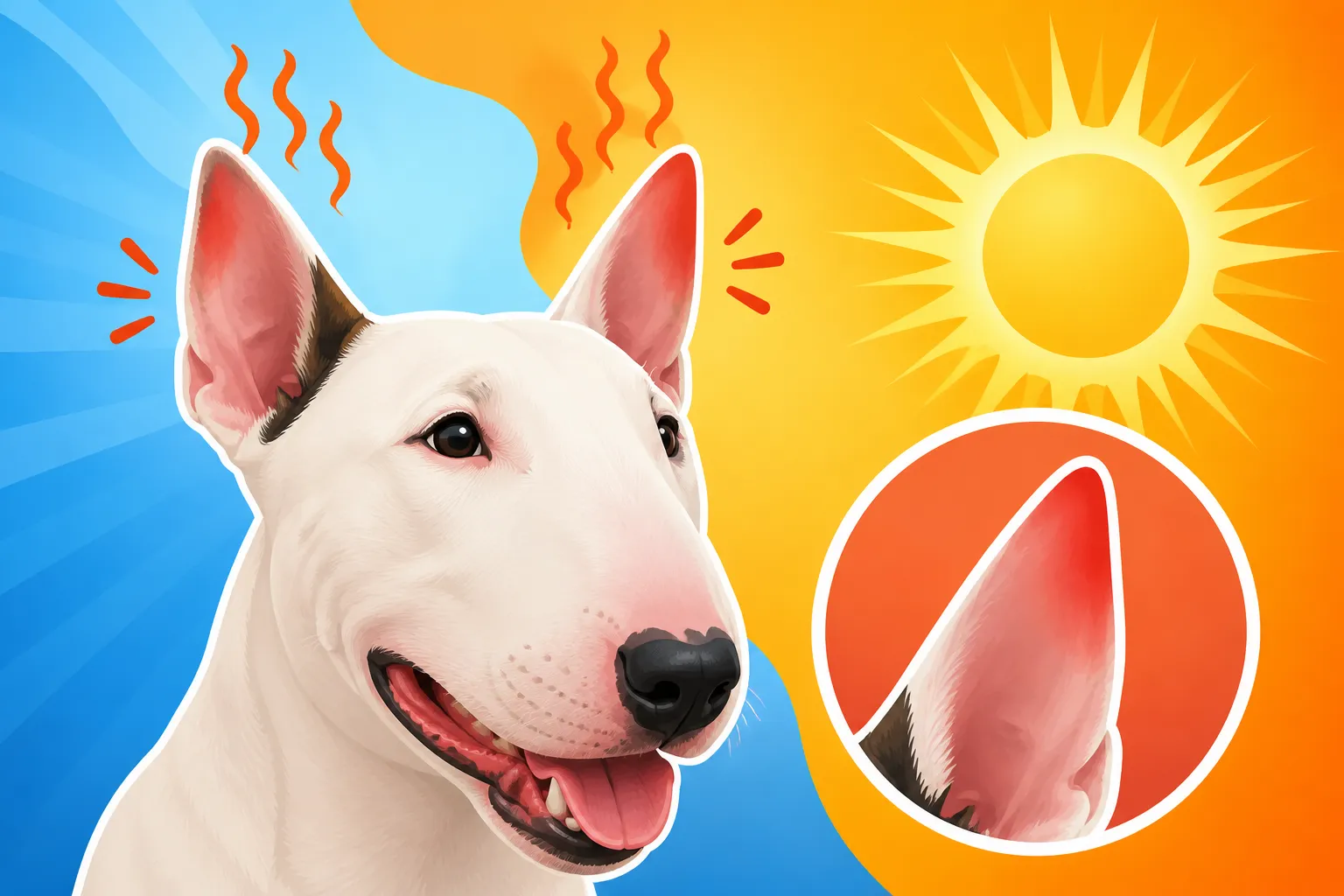
It’s a common scenario: you’re out enjoying a beautiful sunny day with your Bull Terrier, perhaps at the dog park or just lounging in the backyard, and you might not even realize that those adorable, often upright, ear tips are taking a beating from the sun. Many Bull Terrier owners, especially those with dazzling white dogs, discover too late that their beloved companion has ended up with painful, peeling, and often surprisingly red sunburned ears. This guide is here to shed light on why your Bull Terrier's ears are so vulnerable to the sun and, crucially, how you can protect them effectively to prevent discomfort and potential long-term health issues.
Why Your Bull Terrier's Ear Tips Are So Vulnerable to Sunburn
Bull Terriers are a unique breed, and their physical characteristics, while charming, unfortunately, make them particularly prone to sunburn, especially on their ear tips. It’s not just a superficial issue; understanding the underlying reasons is key to effective prevention.
The Role of Coat Color and Skin Pigmentation
First and foremost, let's talk about color. White Bull Terriers, in particular, are at a significantly higher risk of sunburn. Their coats, while dense, don't offer the same protective barrier as darker, more pigmented fur. Imagine trying to block the sun with a sheer white curtain versus a heavy, dark one – the difference is clear. This phenomenon extends beyond just the white ones, though. Even colored Bull Terriers can have areas of thinly haired, light-pigmented skin, especially on their bellies, inner thighs, and yes, their ears.
The skin underneath a Bull Terrier's coat can be remarkably pale and delicate. This lack of melanin, the pigment that offers natural protection against UV radiation, means their skin is far more susceptible to damage from the sun's rays. Their ear tips, often thinly covered with hair and exposed directly to the sun, become prime targets. It’s a bit like us forgetting to put sunscreen on the tips of our own ears; it's a small area, easily overlooked, but it gets a lot of direct exposure. You might be surprised to learn that Why a White Bull Terrier Sunburns isn't just about their body, but every exposed part.
Thin Hair and Upright Ear Structure
Another critical factor is the structure and hair density of a Bull Terrier's ears. Unlike some breeds with thick, floppy ears that hang down and shield the inner ear and tips, most Bull Terriers sport erect, pointed ears that stand proudly atop their heads. This upright posture means their ear tips are often the highest point on their body, catching direct sunlight for extended periods.
Furthermore, the hair on their ear tips tends to be quite fine and sparse. This combination of an upright position and thin hair creates a perfect storm for sun exposure. Think about it: if your Bull Terrier is lounging in the sun, those ear tips are like little solar panels, soaking up every ray. This isn't just about comfort; it's about preventing serious health concerns, as A Bull Terrier's Skin Is Its Weakest Point in many ways, and this certainly applies to their ears.
Behavioral Factors: Sun Worshipers
It might sound cute, but many Bull Terriers absolutely adore basking in the sun. They'll find the warmest, sunniest spot in the yard or by a window and just sprawl out, often exposing their bellies and, you guessed it, their delicate ear tips. It's a natural canine instinct to seek warmth, but for our sun-sensitive Bull Terriers, it can lead to trouble.
This love for sunbathing means they often spend more unsupervised time in direct sunlight than you might realize. A quick trip outside to "do their business" can turn into a 20-minute sun session if you're not careful. This behavior, combined with their physiology, makes regular sun protection a non-negotiable part of their care. It’s important to remember Why a Bull Terrier Seeks Out the Sun but also to manage that instinct for their safety.
The Serious Risks of Sunburn on Bull Terrier Ears
Sunburn isn't just a temporary inconvenience for your Bull Terrier; it carries a range of risks, from immediate pain to long-term health complications. As responsible owners, understanding these dangers is paramount.
Immediate Discomfort and Secondary Infections
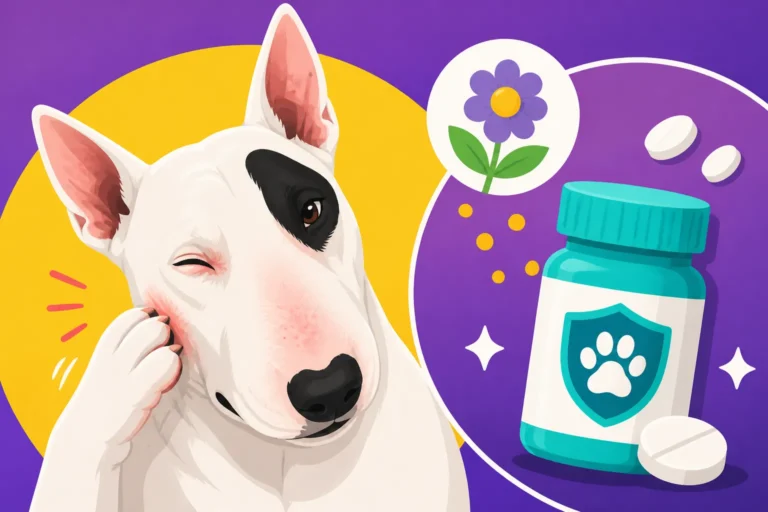
The most immediate consequence of sunburned ear tips is, of course, pain and discomfort. Just like humans, dogs experience redness, tenderness, and a burning sensation. You might notice your Bull Terrier repeatedly shaking their head, scratching at their ears, or becoming unusually sensitive when you try to pet them around the head. The skin can become hot to the touch, and in more severe cases, blisters might form, followed by peeling.
When the skin peels, it leaves a raw, irritated surface that is highly susceptible to secondary bacterial infections. Open skin is an invitation for bacteria to enter, leading to itching, further discomfort, and potentially requiring antibiotics from your vet. It's a vicious cycle that can quickly escalate from a simple sunburn to a more complicated dermatological issue. Observing your dog for these signs is part of The Weekly Skin Check Every Bull Terrier Needs.
Long-Term Damage and Skin Cancer
Beyond the immediate discomfort, repeated or severe sunburns on a Bull Terrier's ear tips significantly increase their risk of developing skin cancer, particularly squamous cell carcinoma. This aggressive form of skin cancer is directly linked to chronic sun exposure and is unfortunately common in breeds with light pigmentation and sparse hair, like white Bull Terriers.
The damage accumulates over time, even from seemingly minor burns. Each instance of sun damage contributes to cellular changes that can eventually become cancerous. These lesions often appear as non-healing sores, scabs, or growths on the ear tips. Detecting them early is crucial for successful treatment, but preventing them altogether is always the best approach. The thought of Whether Sun Damage Turns Into Skin Cancer in a Bull Terrier is a serious concern for any owner.
Hearing Impairment and Scarring
While less common, severe, repeated sunburns can also lead to long-term scarring and thickening of the ear leather. This scarring can potentially affect the ear's structure and elasticity, and in extreme cases, might even impede sound transmission, though this is rare. More often, the cosmetic damage and chronic skin irritation are the primary concerns.
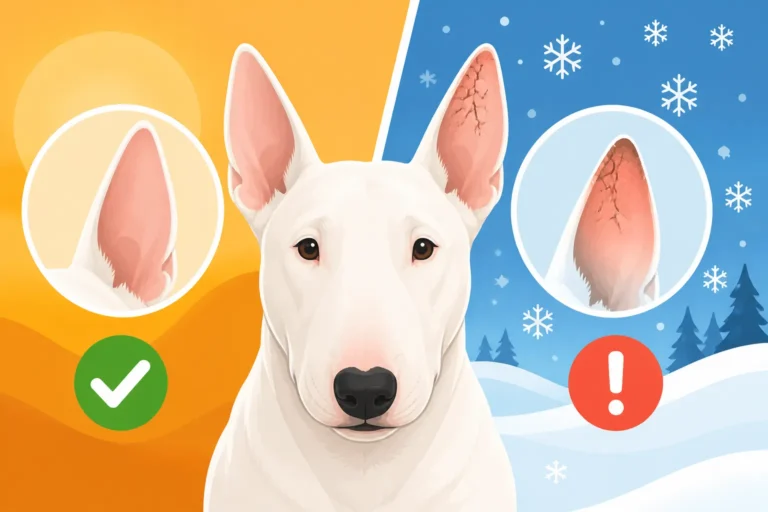
The integrity of the ear tissue is important not just for aesthetics but for overall ear health. Scarring can make the ears more rigid and prone to cracking, especially in cold weather, creating ongoing issues for your Bull Terrier. It's about maintaining their comfort and health throughout their life, not just for a season.
Effective Strategies for Protecting Your Bull Terrier's Ears
Protecting your Bull Terrier's delicate ear tips from the sun doesn't have to be complicated, but it does require consistency and a bit of planning. Luckily, there are several straightforward strategies you can implement.
Dog-Specific Sunscreen Application
One of the most direct ways to protect those vulnerable ear tips is with dog-specific sunscreen. This isn't the same stuff you use on yourself; human sunscreens often contain zinc oxide or para-aminobenzoic acid (PABA), which can be toxic if ingested by dogs. Since dogs tend to lick themselves, especially their ears, a canine-formulated sunscreen is absolutely essential.
Look for brands that are explicitly labeled as "pet-safe" or "dog sunscreen." These products are designed with non-toxic ingredients. To apply, gently massage a small amount onto the ear tips and any other exposed, thinly haired areas, like the bridge of their nose or belly. It's crucial to apply it about 15-20 minutes before sun exposure to allow it to absorb. Reapplication is just as important, especially if your Bull Terrier has been swimming or is spending extended time outside. Many pet owners find reliable options for Which Sunscreen Is Safe on a Bull Terrier on platforms like Chewy or Amazon. Remember to check How Often a Bull Terrier Needs Sunscreen Reapplied based on the product's instructions and your dog's activity level.
Timing Outdoor Activities Strategically
Sometimes, the simplest solutions are the most effective. Adjusting your Bull Terrier's outdoor schedule to avoid peak sun hours can make a huge difference. The sun's rays are strongest between 10 AM and 4 PM. During these times, UV radiation is at its highest, and the risk of sunburn is significantly increased.
Try to plan walks, playtime, and potty breaks for early mornings or late afternoons/evenings when the sun is less intense. This not only helps prevent sunburn but also reduces the risk of overheating, which is another concern for Bull Terriers, especially in warmer climates. If a midday outing is unavoidable, keep it brief and ensure your dog has access to ample shade at all times. This conscious scheduling plays a huge role in their overall well-being.
Utilizing Protective Gear and Shade
For those times when sun exposure is inevitable, or for Bull Terriers who are particularly prone to burning, consider physical barriers. Dog-specific sun shirts or hats with brimmed edges can provide an excellent layer of protection. While a hat might be a harder sell for some Bull Terriers, a lightweight, breathable sun shirt can cover much of their body, including the tops of their shoulders and neck, indirectly reducing overall sun exposure. You might wonder Whether a Bull Terrier Should Wear a Shirt in Summer but for sun protection, it can be really beneficial.
Creating shade in your yard is also essential. Ensure your Bull Terrier always has access to shaded areas, whether it's under a tree, a patio umbrella, or a dog house. If they're a sun worshiper, you might need to actively encourage them to move into the shade or even bring them inside during peak hours. This proactive approach can prevent a lot of grief.
Routine Checks and General Skin Health
Beyond specific sun protection, maintaining your Bull Terrier's overall skin health can contribute to their resilience against environmental stressors. Regular grooming and a balanced diet rich in omega fatty acids can support a healthy skin barrier. If you're considering dietary changes, always consult your vet.
Make a habit of performing a The Weekly Skin Check Every Bull Terrier Needs. During this check, gently examine their ear tips, looking for any redness, flaking, scabs, or unusual growths. Early detection of any issues, whether it's a developing burn or something more serious, can lead to quicker and more effective treatment. A healthy skin barrier, supported by good nutrition and care, is better equipped to handle minor irritations, though it's no substitute for active sun protection. Some owners find brands like Ollie a good source of quality ingredients that support overall health.
| Protection Method | Pros | Cons | Best Use Case |
|---|---|---|---|
| Dog-Safe Sunscreen | Direct application, targeted protection | Requires reapplication, some dogs dislike application/licking | Short outings, targeted protection for high-risk areas |
| Strategic Timing | Free, natural, avoids peak UV hours | Limits outdoor access during certain times of day | Everyday walks, general outdoor play |
| Protective Clothing | Physical barrier, covers larger areas | Can be warm, some dogs resist wearing clothing | Extended outdoor stays, very sensitive dogs |
| Shade Provision | Always available, comfortable for the dog | May not cover all exposed areas, dogs might choose sun | Backyard access, outdoor lounging |
| Indoor Breaks | Complete protection from sun | Limits outdoor activity, requires owner vigilance | Peak sun hours, hot weather |
Recognizing and Treating Sunburn on Bull Terrier Ears
Even with the best preventative measures, sometimes a sunburn can still happen. Knowing how to recognize it and what steps to take is crucial for your Bull Terrier's comfort and recovery.
Identifying Sunburn Symptoms
The first step is knowing what to look for. Sunburn on a Bull Terrier's ear tips will often present similarly to human sunburn, but because of their fur and skin, it might be harder to spot initially. The most common signs include:
- Redness and Inflammation: The skin on the ear tips will appear noticeably redder than usual, often warm to the touch, and may be swollen.
- Sensitivity to Touch: Your Bull Terrier might flinch, pull away, or show signs of discomfort when you try to touch their ears.
- Flaking or Peeling Skin: As the burn heals, the damaged outer layer of skin will start to flake or peel, much like after a human sunburn. This can sometimes be mistaken for dry skin.
- Scabs or Sores: In more severe cases, or if the burn leads to secondary infection, you might see small scabs, crusts, or even open sores developing on the ear tips. This is where you might start to see a How to Spot a Sun Damaged Patch on a Bull Terrier.
- Hair Loss: The skin damage can sometimes lead to temporary hair loss in the affected area.
It’s important to distinguish these symptoms from other ear issues, such as ear mites or allergies. If you’re unsure, a vet visit is always the safest bet.
Immediate First Aid and At-Home Care
If you notice your Bull Terrier's ear tips are sunburned, the first thing to do is remove them from further sun exposure. Bring them indoors or into a completely shaded area. For mild burns, you can try some gentle at-home care:
- Cool Compresses: Apply a cool, damp cloth to the affected ear tips for 5-10 minutes at a time, several times a day. This can help soothe the burning sensation and reduce inflammation.
- Aloe Vera (Dog-Safe): Some plain, 100% pure aloe vera gel (ensure it does not contain lidocaine, alcohol, or other additives that can be toxic to dogs) can be carefully applied to the burned area. Aloe has natural soothing and healing properties. Always do a patch test first to ensure no allergic reaction. You can often find pure aloe vera gel on Amazon.
- Avoid Irritants: Do not apply any human lotions, creams, or petroleum jelly unless specifically instructed by a vet, as these can contain harmful ingredients or trap heat.
- Prevent Licking: If your Bull Terrier is excessively licking or scratching the area, you might need to use an Elizabethan collar (E-collar) to prevent further irritation or infection.
Keep a close eye on the burn over the next few days. If it doesn't improve, or if symptoms worsen, it's time to consult your veterinarian.
When to Seek Veterinary Attention
While mild sunburns can often be managed at home, there are definite signs that warrant an immediate trip to the vet:
- Severe Redness and Swelling: If the ears are extremely red, hot, and significantly swollen.
- Blistering or Open Sores: Any blistering or broken skin carries a high risk of infection and requires professional treatment.
- Pus or Discharge: This is a clear sign of a secondary bacterial infection.
- Signs of Pain: If your Bull Terrier is whimpering, very sensitive to touch, lethargic, or showing other signs of systemic illness.
- Non-Healing Lesions: Any scabs or sores that don't heal within a few days or seem to be getting worse. This could be a sign of a deeper infection or potentially a cancerous lesion developing, especially if it’s a recurring problem.
Your vet can assess the severity of the burn, prescribe appropriate medications (such as anti-inflammatory drugs or antibiotics for infection), and offer advice on managing pain and promoting healing. They can also discuss long-term prevention strategies tailored to your individual Bull Terrier's needs.
Disclaimer
This article is for general informational purposes only and does not constitute professional advice. Laws, prices and regulations vary by location and change over time. Consult a qualified professional for guidance on your specific situation.