Whether the Bull Terrier Is a Healthy Breed
Bull Terrier health conditions, including congenital deafness, sensitive skin, and hereditary nephritis, explained for prospective owners.
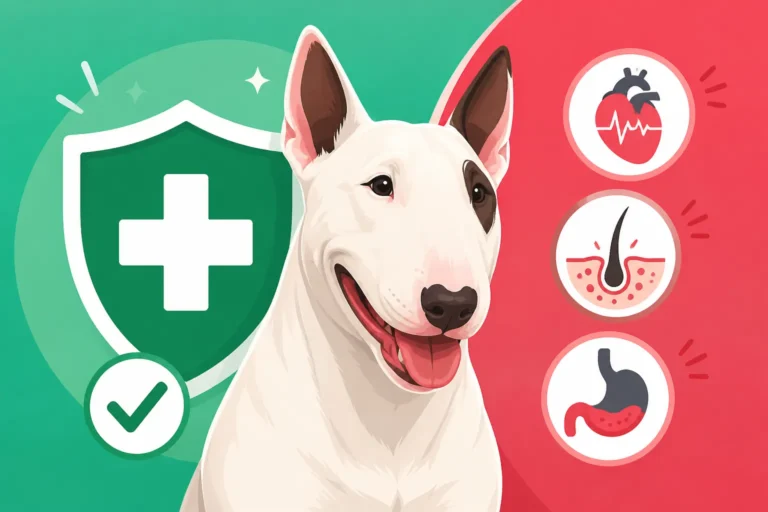
Bull Terrier health conditions, including congenital deafness, sensitive skin, and hereditary nephritis, explained for prospective owners.

Bull Terriers need yearly bloodwork to monitor kidney disease, track BUN and creatinine values, and establish a health baseline.

Annual wellness exam frequency for Bull Terriers ensures early detection of kidney issues, heart conditions, and other health problems.
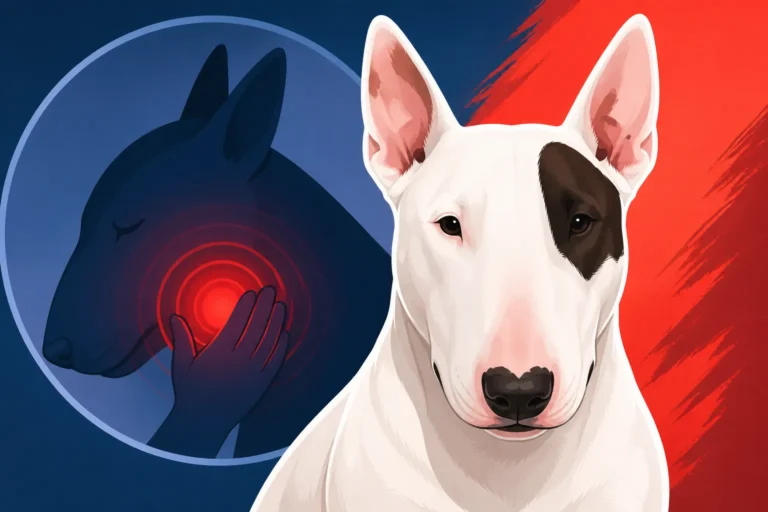
Bull Terriers mask physical discomfort through stoicism and clownish behavior inherited from their resilient working ancestors.

Aging Bull Terrier spinning behavior can persist into senior years, often driven by complex health or compulsive conditions.
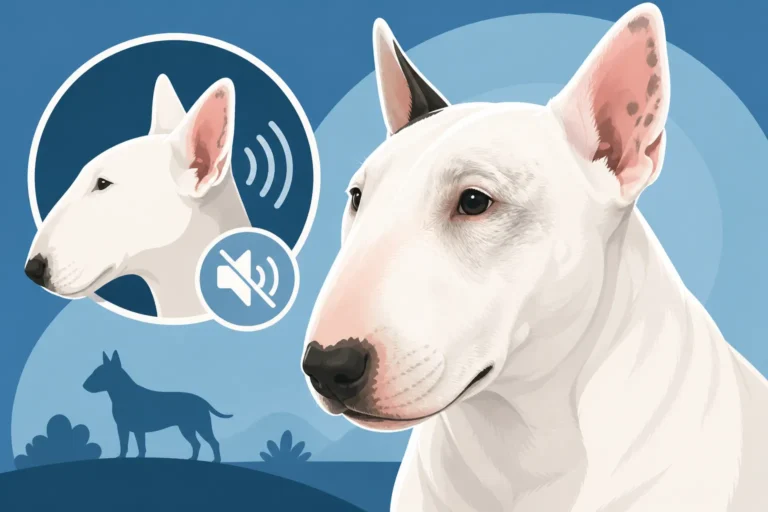
Age-related deafness in senior Bull Terriers involves nerve degeneration, requiring specific home and routine adaptations for safety.
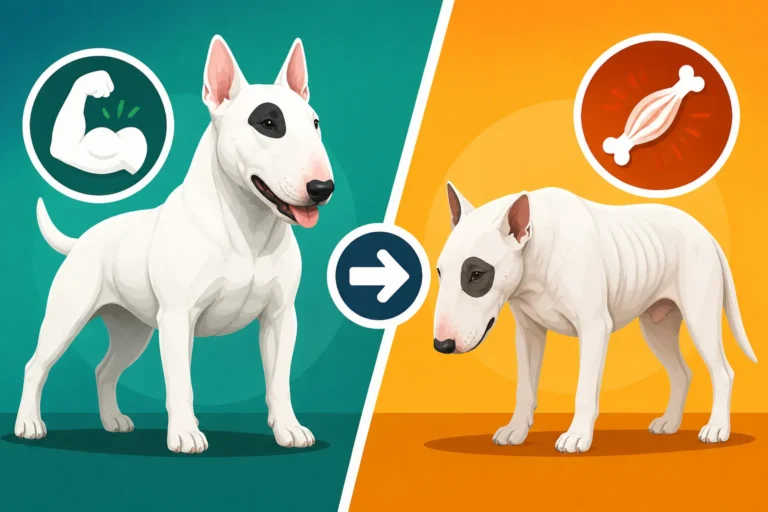
Age-related muscle loss in senior Bull Terriers explains sarcopenia, distinguishing it from general weight loss or illness.
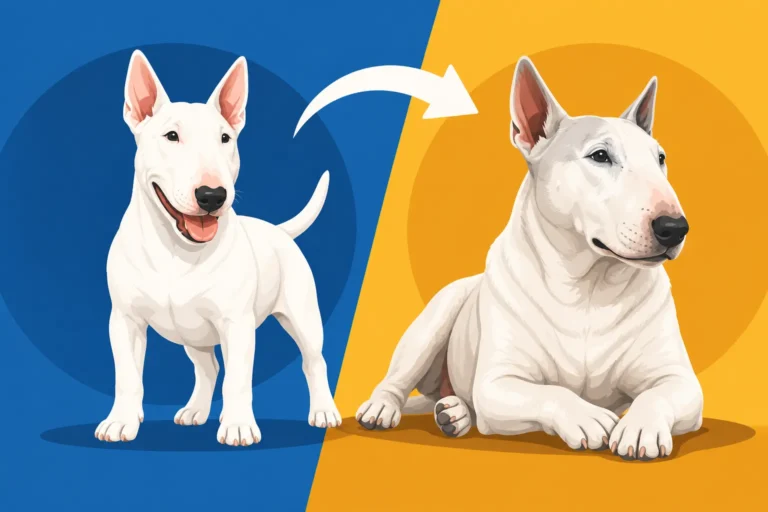
Bull Terrier aging brings gradual energy decreases, shorter play sessions, and longer daily naps after the eighth birthday.

Bull Terrier mixes, purebred lifespans, genetic health risks, and hereditary nephritis are examined to understand canine longevity.

Bull Terrier coat color genetics, Birmingham history, and white coat deafness rates explain true canine health.