Whether a Bull Terrier Is a One Person Dog
Bull Terrier bonding patterns reveal how early socialization helps these loyal dogs connect with multiple family members.

Bull Terrier bonding patterns reveal how early socialization helps these loyal dogs connect with multiple family members.

Bull Terrier intelligence involves independent problem-solving and stubborn choices rather than eager obedience to commands.
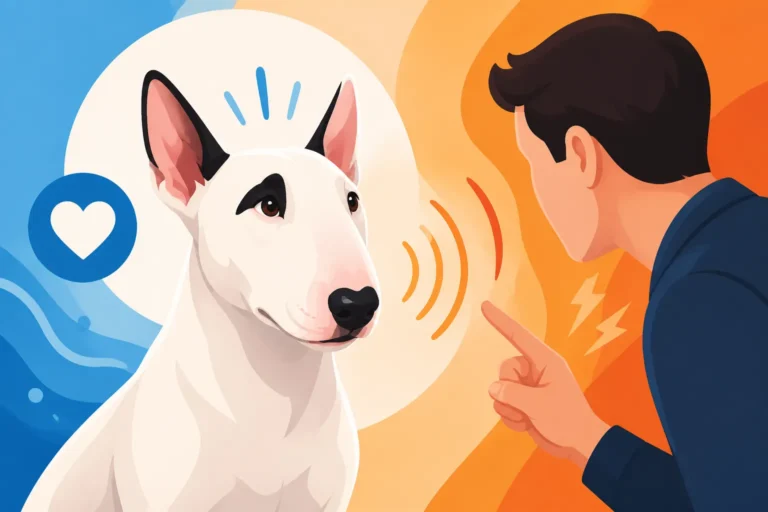
Bull Terrier sensitivity to human vocal tone explains how speech pitch, volume, and inflection shape their emotional state and behavior.
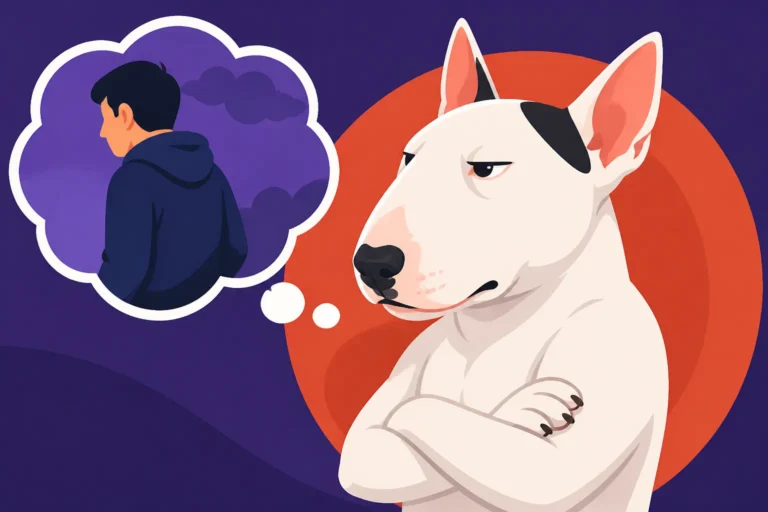
Bull Terrier memory and learning processes explain how these sensitive dogs react to past negative events rather than holding grudges.

Bull Terrier sulking behavior includes turning your back, heavy sighing, and retreating to a distant corner when denied attention.

Bull Terrier shadowing behavior stems from historic breeding traits and a deep genetic need for human companionship and physical closeness.
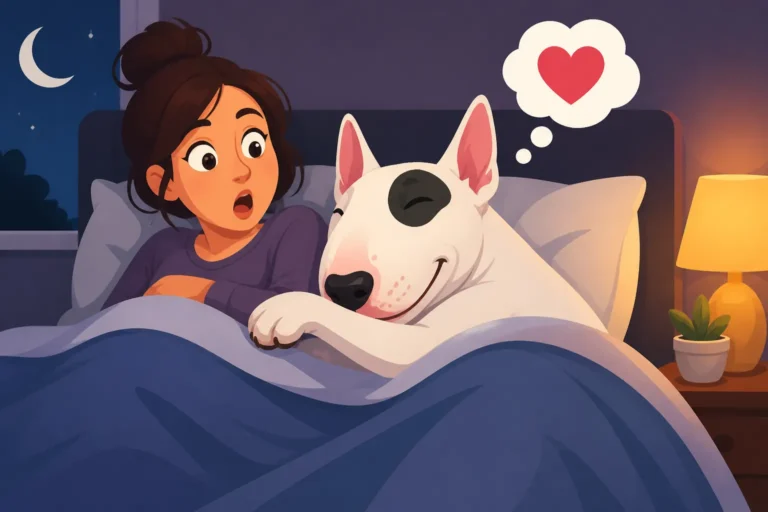
Bull Terrier sleeping habits explain why dogs share beds to gain warmth, security, and familiar human scents throughout the night.
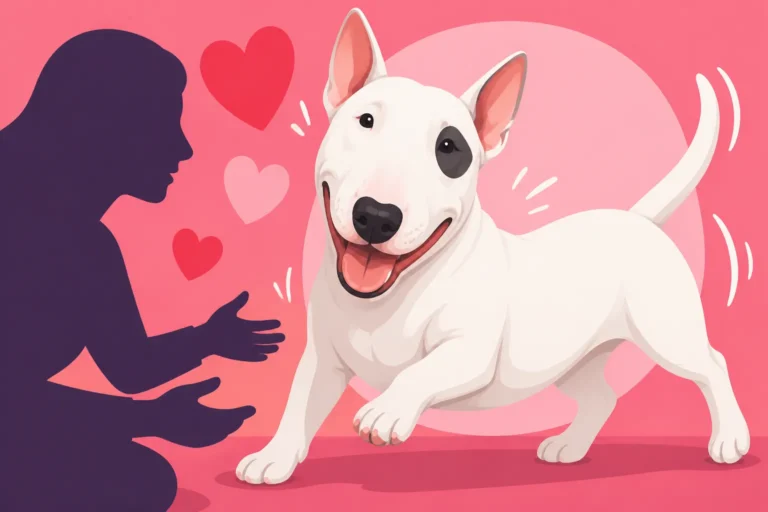
Bull Terrier physical affection and full-body greetings explained through breed traits, physical contact, and bonding history.
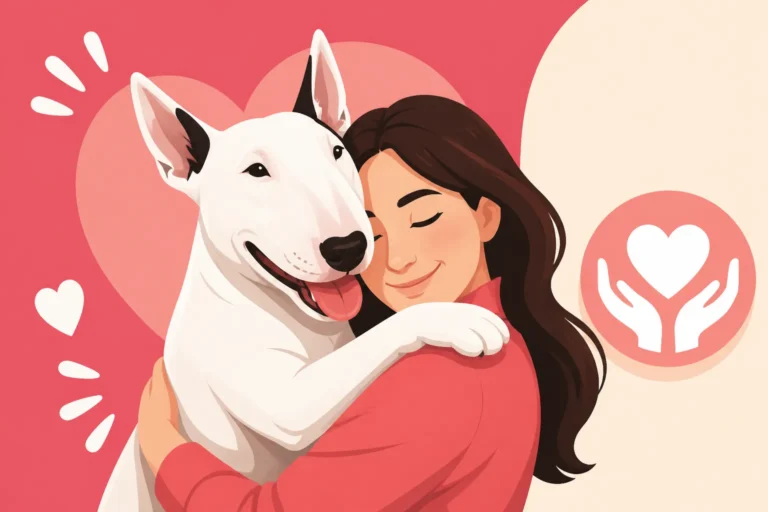
Bull Terrier physical affection involves full-contact devotion, constant proximity, and a strong desire to share family life.

Bull Terrier clown behavior and theatrical personality traits explain why owners view the breed as a toddler in a dog suit.