Why a Bull Terrier Cannot Be Left Alone All Day
For many Bull Terrier owners, the dream of a calm, independent dog happily lounging while they’re out for the day quickly collides with the reality of a breed that thrives on companionship and quickly descends into mischief when left to its own devices. It's a common struggle, and if you’ve come home to shredded pillows or an excavated garden, you know the frustration. This guide is here to unravel why Bull Terriers find extended solitude so challenging and offer practical, empathetic solutions to help both you and your unique companion navigate alone time successfully.
The Bull Terrier's Intense Need for Companionship
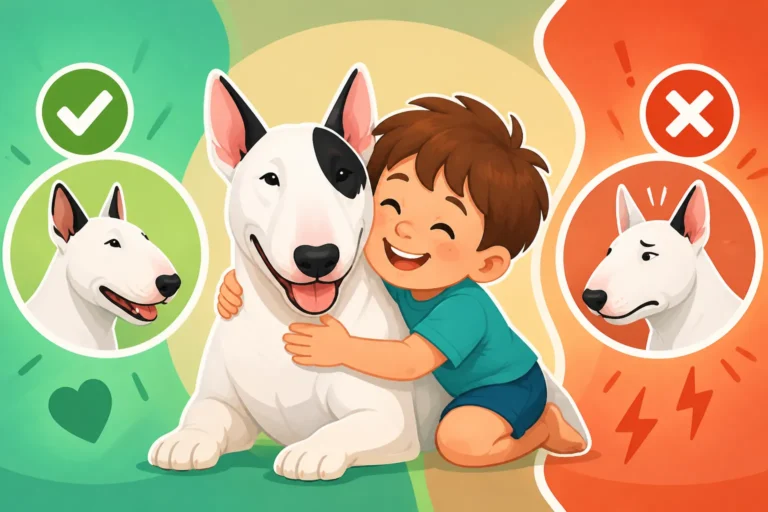
Bull Terriers are often described as "people dogs," and it's not just a cute saying – it's a fundamental truth about their nature. They form incredibly strong bonds with their human families and thrive on being an integral part of daily life. This isn't a breed content to be a mere backyard ornament or a decorative rug warmer; they crave interaction, attention, and mental engagement with their beloved humans.
Why They Attach So Strongly
Think about the history of the Bull Terrier. They were bred not just for physical prowess but also for temperament, often referred to as "The White Cavalier" for their gentlemanly demeanor around people. This isn't a working dog designed for independent tasks like herding sheep all day. Their purpose evolved into that of a loyal, devoted companion, and that deep-seated desire for connection is hardwired into their DNA. They see you as their entire world, and when that world walks out the door for hours on end, it can be a source of genuine distress for them. This isn't them being "naughty" or "stubborn"; it's an expression of their profound need for social connection.
The Impact of Isolation on a Bull Terrier's Well-being
Leaving a Bull Terrier alone for extended periods isn't just an inconvenience that might lead to a messy house; it can genuinely impact their psychological and emotional well-being. A dog that feels isolated and ignored for much of its day can become anxious, depressed, and prone to developing problematic coping mechanisms. They might start whining excessively, pacing, or even showing signs of self-mutilation like excessive licking or chewing at their paws. These aren't behaviors of a spoiled dog, but rather a dog in distress, struggling to understand why its primary social group has vanished. It's a heavy burden for them to bear, and one that, as responsible owners, we need to understand and mitigate.
The Destructive Potential of a Bored Bull Terrier
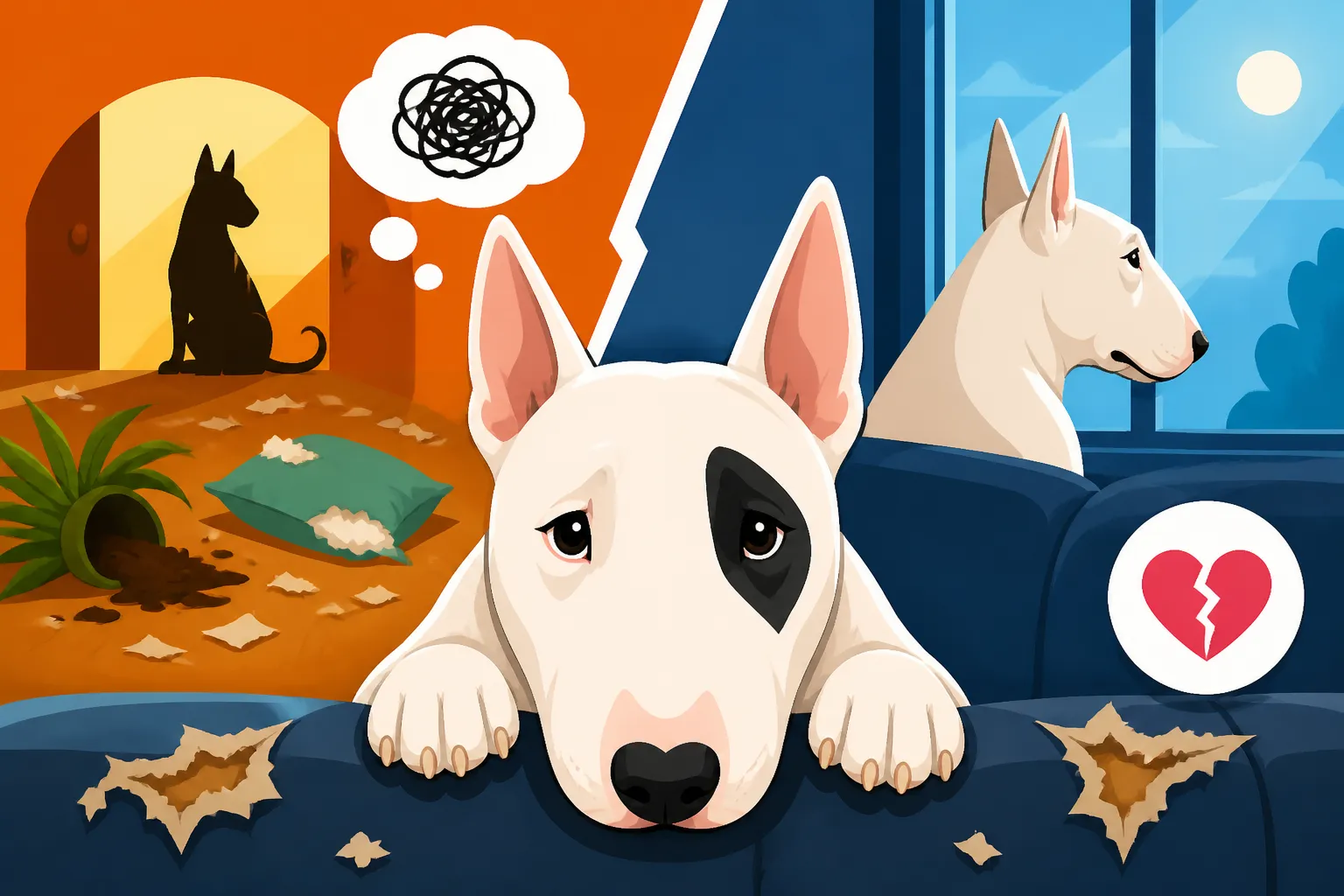
If you’ve ever come home to a scene that looks like a small tornado swept through your living room, you’ve likely experienced the creative destruction a bored Bull Terrier can unleash. These aren't just minor incidents; Bull Terriers are powerful dogs with strong jaws and an ingenious capacity for problem-solving, especially when their "problem" is unrelenting boredom.
What a Bored Bull Terrier Does When Left Alone
A Bull Terrier’s boredom is not a passive state. It's an active, restless energy that needs an outlet. If you don't provide a constructive one, they will find their own, and trust me, their ideas of "fun" rarely align with yours. This can manifest as relentless chewing – not just on toys, but on furniture legs, remote controls, shoes, and even door frames. I've heard countless stories of Bull Terriers systematically dismantling dog beds or meticulously un-stuffing sofa cushions. Digging isn't just for the garden; some will try to "tunnel" out of crates or even dig at carpets. They might explore counters for forgotten snacks, leading to unfortunate encounters with anything from prescription medication to chocolate. They are truly the "three-year-old in a dog suit," and a bored three-year-old can wreak havoc. What a Bull Terrier Chews When Left Out is a topic many owners become intimately familiar with.
The Speed and Scale of Bull Terrier Destruction
What makes Bull Terrier destruction particularly challenging is its speed and scale. Their powerful jaws, combined with their muscular build, mean they can obliterate items that would withstand other breeds. A seemingly robust toy can be decimated in minutes, and a sofa can go from pristine to de-stuffed in an hour. This isn't typical puppy chewing; this is calculated, efficient dismantling. It’s not uncommon for new Bull Terrier owners to discover that the "indestructible" toys they bought on Amazon barely last a day. This capacity for rapid destruction means that even a short period of unattended boredom can lead to significant damage, not to mention potential veterinary emergencies if they ingest something harmful.
Separation Anxiety in Bull Terriers
While some destructive behavior can stem purely from boredom, for many Bull Terriers, leaving them alone can trigger genuine separation anxiety. This is more than just missing you; it’s a profound distress response that requires careful understanding and a compassionate approach.
Distinguishing Between Boredom and Anxiety
It’s crucial to understand the difference between a dog acting out of boredom and one suffering from separation anxiety. While both can lead to destructive behavior, the underlying motivation is different. A bored dog might chew a slipper because it’s there and provides stimulation. A dog with separation anxiety might chew the door frame because it's desperate to get to you.
Here's a quick comparison:
| Behavior Aspect | Boredom-Driven | Separation Anxiety-Driven |
|---|---|---|
| Trigger | Lack of mental/physical stimulation | Owner's departure or cues indicating departure |
| Behavior Focus | General destruction, self-entertainment | Escape attempts (doors, windows), vocalization, house-soiling, self-harm, pacing, drooling |
| Timing | Can happen anytime they're unattended and bored | Typically starts within minutes of owner's departure |
| Vocalization | May bark at perceived threats or for attention | Excessive howling, whining, barking specifically when alone |
| House Soiling | May be due to lack of access outside | Urination/defecation occurs despite being house-trained |
| Greeting Upon Return | Happy, maybe a bit frantic | Overly enthusiastic, frantic, or prolonged greeting |
Understanding these distinctions is the first step toward effective intervention. Signs a Bull Terrier Has Separation Anxiety delves deeper into recognizing these critical cues.
Common Triggers and Manifestations
Separation anxiety in Bull Terriers isn't always about the grand, dramatic gestures of destruction. It can manifest in more subtle ways, such as excessive drooling, relentless pacing, or even complete loss of appetite while you're gone, only to gobble food the moment you return. The triggers are often simple cues that signal your departure: picking up your keys, putting on your shoes, or grabbing your bag. Your Bull Terrier is a master observer, and they learn these patterns quickly, leading to anticipatory anxiety even before you walk out the door. The moment the door closes, the distress can spike. Some Bull Terriers will become extremely vocal, howling or barking incessantly, which can lead to neighbor complaints if you live in an apartment. This behavior isn't defiance; it's a panic attack in canine form.
Training and Management Strategies for Alone Time
The good news is that managing alone time for your Bull Terrier is possible, but it requires patience, consistency, and a multi-faceted approach. It's not about finding a quick fix but implementing a long-term strategy that addresses their unique needs.
Crate Training for Safety and Security
Crate training is often a lifesaver for Bull Terrier owners. When introduced properly and positively, a crate becomes a safe den, not a prison. It offers a secure space where your Bull Terrier can't engage in destructive behaviors and can feel protected. The key is to make it a positive experience, never using it for punishment. Start with short periods, associating it with treats and favorite toys. Gradually increase the time they spend in it, even when you are home, so they don't associate it solely with your departure. A heavy-duty, chew-proof crate, perhaps one found through retailers like Amazon, is often essential, as standard wire crates can quickly become damaged by a determined Bull Terrier. Whether a Crate Helps a Bull Terrier Left Alone is a crucial read for any owner considering this approach.
Desensitization and Counter-Conditioning Techniques
To tackle the anxiety associated with your departure cues, desensitization and counter-conditioning are invaluable. This involves repeatedly performing your "departure rituals" (grabbing keys, putting on shoes) without actually leaving, so these cues lose their power. Pair these actions with positive reinforcement, like a high-value treat or a favorite toy.
Here's a simple process:
- Practice Departure Cues: Pick up your keys, jingle them, and then sit back down. Repeat this multiple times a day, giving your Bull Terrier no reaction to your actions.
- Short Absences: Start with very brief departures. Step out the door for literally 5-10 seconds, then come back in calmly. No big fuss upon return.
- Gradual Increase: Slowly increase the time you are gone, minute by minute, day by day. The goal is to return before your Bull Terrier becomes anxious or destructive.
- Positive Association: Always leave them with a high-value, long-lasting chew or a puzzle toy stuffed with something delicious. This creates a positive association with your absence. Kong brand toys filled with peanut butter (xylitol-free!), frozen broth, or wet food are excellent options to keep them occupied and happy.
Consistency is key here. You’re essentially reprogramming their emotional response to your absence.
The Importance of Exercise and Mental Stimulation
A tired Bull Terrier is a good Bull Terrier, and a mentally stimulated Bull Terrier is even better. Neglecting their physical and mental needs before leaving them alone is like setting yourself up for failure. They have immense energy and keen intelligence that needs proper channeling.
Physical Exercise: Beyond a Simple Walk
Bull Terriers need more than a quick stroll around the block. They are robust, athletic dogs that benefit from vigorous exercise. This could mean a long, brisk walk, a run, or intense playtime in a securely fenced yard. Aim for at least 60-90 minutes of dedicated physical activity daily, ideally broken into two sessions. A good session before you leave for the day can make a world of difference in how they cope with solitude. Think fetch, flirt pole games, or even running alongside you if you're a jogger. The goal is to burn off that physical energy so they are more inclined to settle and rest when left alone. How Much Exercise a Bull Terrier Actually Needs elaborates on this vital point.
Mental Engagement: Puzzle Toys and Training Challenges
Physical exercise alone often isn't enough for the intelligent Bull Terrier. Their minds are constantly working, and if not given something productive to focus on, they will find their own "puzzles" to solve (like how to get the stuffing out of the sofa). Puzzle toys are fantastic for this. Look for ones that dispense treats as they are manipulated, providing a rewarding challenge. Brands like Nina Ottosson offer a range of difficulty levels.
Another excellent way to provide mental stimulation is through short, engaging training sessions. Even 10-15 minutes of working on obedience cues, learning new tricks, or practicing scent games can tire their minds as much as a long walk. This also strengthens your bond and gives them a "job" to do. Resources like BAXTER & Bella’s online training programs can provide structured ideas for mental exercises. Remember, a thinking Bull Terrier is less likely to be a destructive Bull Terrier. What a Bull Terrier Does When It Is Bored often relates directly to a lack of mental enrichment.
Considering Professional Help and Support
Sometimes, despite our best efforts, a Bull Terrier's separation issues or destructive tendencies are too ingrained or severe to manage alone. This is not a sign of failure but a clear indication that professional expertise is needed.
When to Seek Veterinary Advice
If your Bull Terrier is exhibiting severe signs of distress, such as self-mutilation (licking paws raw, chewing at their fur), excessive vocalization that lasts for hours, or relentless attempts to escape that could lead to injury, it's time to consult your veterinarian. They can rule out any underlying medical conditions that might be contributing to the behavior and, if necessary, discuss medication options. While medication is never a standalone solution, it can be a vital tool to reduce anxiety to a level where behavioral modification techniques can actually be effective. It helps to take the edge off their panic, allowing them to learn new coping mechanisms.
The Role of a Certified Professional Dog Trainer or Behaviorist
For persistent behavioral challenges, especially those rooted in anxiety, a certified professional dog trainer or veterinary behaviorist is an invaluable resource. They can assess your Bull Terrier’s specific situation, accurately diagnose the root cause of the behavior, and develop a tailored training plan. They can teach you advanced desensitization and counter-conditioning techniques, provide guidance on environmental enrichment, and help you understand your dog’s communication signals. Look for professionals who use positive reinforcement methods, as harsh corrections can exacerbate anxiety in Bull Terriers. A good behaviorist can literally save your sanity and your dog’s well-being.
Alternatives to Leaving Your Bull Terrier Alone All Day
The ideal scenario is that your Bull Terrier isn't left alone for eight or more hours straight. For many owners, this sounds impossible, but there are numerous creative solutions that can make a huge difference in your dog's quality of life and your peace of mind.
Dog Walkers and Pet Sitters
One of the most straightforward solutions is to hire a trusted professional to break up your Bull Terrier’s day. A dog walker can come in midday for a good walk and some playtime, providing both physical exercise and a much-needed social outlet. If your Bull Terrier struggles more with being alone, a pet sitter who can spend a few hours with them, or even stay at your home, might be a better fit. This isn't just about letting them out to potty; it's about providing genuine companionship and mental interaction. Ask for references, ensure they are insured and bonded, and arrange a meet-and-greet to see how they interact with your Bull Terrier.
Doggy Daycare: A Social Outlet
For Bull Terriers who are well-socialized and enjoy the company of other dogs, doggy daycare can be a fantastic option. It provides supervised play, social interaction, and mental stimulation, ensuring they come home tired and happy. Not all Bull Terriers are suited for daycare, especially if they have issues with dog-dog aggression or are easily overstimulated. Always ensure the daycare has a thorough screening process, experienced staff, and a good handler-to-dog ratio. It's an excellent way for them to burn off energy and satisfy their social needs without you having to be present. Whether Daycare Will Take a Bull Terrier is an important consideration.
Adjusting Your Schedule or Work Environment
While not always feasible, sometimes small adjustments to your own schedule can have a huge impact. Can you negotiate with your employer for a flexible schedule that allows you to come home for lunch? Can you work from home a few days a week? Even taking your Bull Terrier to work with you, if your workplace is dog-friendly, could be an option. Many employers are becoming more open to pet-friendly policies, and it's worth exploring if it means a happier, healthier Bull Terrier. These aren't always easy changes, but for a breed like the Bull Terrier, they can be transformative.
Creating a Successful "Alone Time" Routine
Building a robust routine for your Bull Terrier is paramount to helping them cope with being left alone. Predictability reduces anxiety, and a structured environment helps them understand expectations.
Morning Rituals: Setting the Day Up for Success
The morning routine sets the tone for your Bull Terrier's entire day. Start with that vigorous exercise session we talked about – a long walk, a run, or some serious playtime. Follow it up with breakfast, perhaps in a slow-feeder bowl or a puzzle toy to extend the mealtime and provide more mental work. Give them a chance to relieve themselves thoroughly before you leave. The goal is for them to be physically tired and mentally satisfied, making them more likely to settle down for a nap when you depart. Avoid rushing or creating a frantic atmosphere, as this can heighten their anxiety.
Managing Departures and Arrivals
Your departure and arrival are critical moments that can either exacerbate or alleviate anxiety. When leaving, keep goodbyes low-key and unemotional. Avoid prolonged cuddling or dramatic farewells, as this reinforces the idea that your departure is a big, stressful event. Just give them their special chew or puzzle toy, calmly say "See you later," and leave.
Upon your return, resist the urge to immediately engage in an overly enthusiastic greeting, even if your Bull Terrier is bouncing off the walls. Wait a few minutes for them to calm down, then offer a calm, positive greeting. This teaches them that your return is not a huge, chaotic event, and it helps reduce the frantic excitement that often accompanies separation anxiety. Once they are calm, take them outside immediately for a potty break.
Enrichment for Alone Time: More Than Just a Toy
Simply tossing a few plush toys to your Bull Terrier before you leave isn't enough. Think about providing enrichment – activities that tap into their natural instincts and keep their minds engaged. Long-lasting chews made from appropriate materials (check out sturdy options on Amazon), frozen Kongs, snuffle mats, or even a safe "treasure hunt" where you hide treats around their designated area can provide hours of entertainment. Rotating these items keeps them novel and interesting. Some owners even use pet cameras with two-way audio to check in on their dogs and offer verbal reassurance, though this should be used carefully so as not to reinforce attention-seeking behaviors.
Remember, a Bull Terrier thrives on routine, structure, and most importantly, connection. By understanding their needs and implementing these strategies, you can transform alone time from a source of stress into a period of calm contentment for your cherished companion. Why a Bull Terrier Cannot Be Left Alone All Day is a central theme to managing their well-being.
Disclaimer
This article is for general informational purposes only and does not constitute professional advice. Laws, prices and regulations vary by location and change over time. Consult a qualified professional for guidance on your specific situation.