What a Bull Terrier’s Collar and Leash Should Cost
You’ve just welcomed that adorable, block-headed Bull Terrier puppy into your life, or maybe you're considering it, and suddenly a thousand small expenses pop up that you hadn't fully anticipated. Among the most basic, yet surprisingly impactful, are the collar and leash. It’s easy to think of these as simple, one-time purchases, but for a breed as unique and robust as the Bull Terrier, the reality is often quite different. This guide will walk you through what to expect in terms of cost and selection for collars and leashes, helping you make informed choices that stand up to the distinctive Bull Terrier spirit, ensuring both safety and value.
The Initial Investment: Collars and Leashes for Your Bull Terrier Puppy
Bringing home a Bull Terrier puppy is an exciting time, filled with cuddles, zoomies, and a surprising amount of chewing. While you're budgeting for puppy food, vet visits, and maybe even considering What a Bull Terrier Puppy Costs From a Breeder, don't forget the essentials for getting them out and about safely. Your puppy's first collar and leash are more than just accessories; they're vital tools for socialization and training, and you’ll likely go through a few different ones as your pup grows.
When you first bring home your Bull Terrier puppy, they'll be small, but they grow quickly. A collar that fits perfectly at eight weeks will likely be too snug in just a few short months. This means you won't be buying just one puppy collar; you'll be buying a series. The good news is that puppy-sized collars and leashes are generally more affordable than their adult counterparts, but the costs can add up if you're replacing them every few weeks.
Puppy Collars: Growth and Replacements
For your Bull Terrier puppy’s first collar, comfort and safety are paramount. You’ll want something lightweight, adjustable, and non-irritating to their sensitive skin. Soft nylon or even a rolled leather collar are excellent choices. Many new owners opt for a simple buckle collar, making sure it’s snug enough that it can't slip over their head but loose enough for two fingers to fit underneath comfortably. This initial purchase might be on the lower end, costing you a reasonable amount for a basic, functional piece.
As your Bull Terrier puppy grows, you’ll find yourself needing to upgrade fairly often. What starts as a small, brightly colored nylon collar will soon be outgrown. You might move from an extra-small to a small, then a medium, all within the first year. Each collar, while not overly expensive on its own, contributes to the overall early ownership costs. This rapid turnover is just part of the journey, a small price to pay for a growing, healthy pup. It’s a good idea to measure your puppy’s neck regularly, perhaps once a month, to anticipate the next size up.
First Leashes: Learning and Durability
The leash you choose for your Bull Terrier puppy is just as important as the collar. For initial training and potty breaks, a lightweight, standard length (around 4-6 feet) leash made of nylon or cotton webbing is usually ideal. These are easy for small hands to manage and don’t add unnecessary bulk for a young pup learning the ropes. The cost for these starter leashes is usually quite approachable, similar to the initial puppy collars.
However, Bull Terrier puppies, with their formidable jaws and curious nature, are notorious for chewing. That brand new nylon leash can quickly become a tattered string if left unsupervised. You might find yourself replacing leashes not just because they’re outgrown, but because they’ve been subjected to enthusiastic puppy teeth during a momentary lapse in attention. This is where the concept of "destruction budget" truly comes into play, a cost The Destruction Budget Nobody Warns a Bull Terrier Owner About often includes. Choosing a slightly more robust material, even for a puppy, can save you money in the long run by extending the life of the leash.
Adult Bull Terrier Gear: When Function Meets Fortitude
Once your Bull Terrier reaches adulthood, usually around 12-18 months, their growth will slow, and you'll be looking for more permanent, durable options for their collars and leashes. This is where the price point tends to rise, but for good reason: you’re investing in gear that can withstand the strength, enthusiasm, and occasional stubbornness of a full-grown Bull Terrier.
A fully grown Bull Terrier is a powerful, muscular dog. Their strength means that a cheap, flimsy collar or leash isn't just ineffective; it can be dangerous if it fails during an important moment, like crossing a busy street or encountering another dog. You’ll need gear that can handle their impressive physique and boundless energy. This stage is less about frequent replacements due to growth, and more about finding that perfect balance of durability, comfort, and control.
Standard Collars: Everyday Wear and Tear
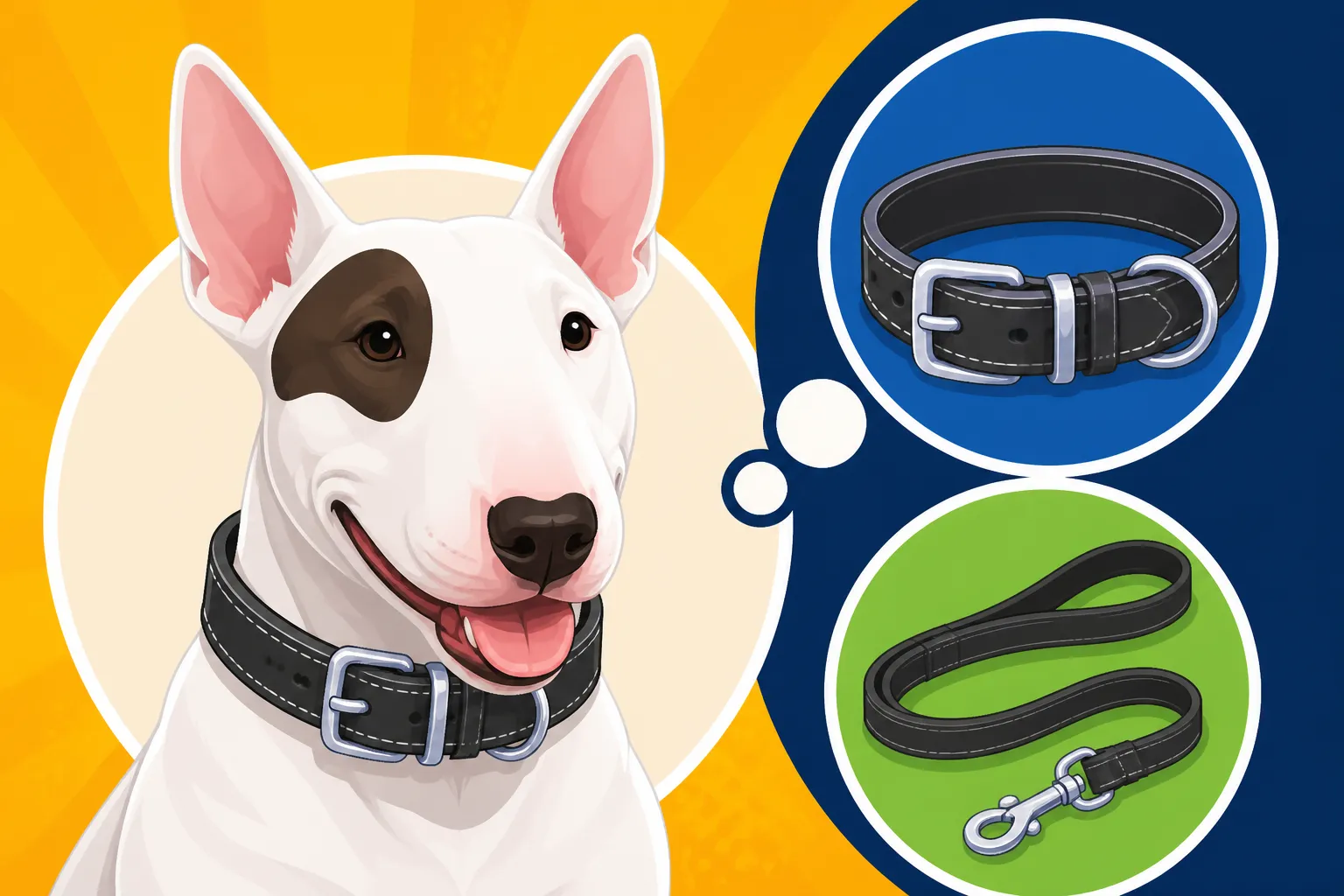
For an adult Bull Terrier's everyday collar, you're looking for something that is strong, comfortable, and perhaps even stylish. Common materials include heavy-duty nylon, sturdy leather, or even biothane (a synthetic material that feels like leather but is waterproof and easy to clean). Expect to pay more for these adult-sized, higher-quality collars compared to puppy versions. A good quality leather collar, for example, might cost significantly more than a basic nylon one, but it can last for years with proper care.
Beyond material, consider the buckle and D-ring. For a strong breed like the Bull Terrier, a solid metal buckle and welded D-ring are non-negotiable for safety. Plastic buckles, while convenient, can sometimes fail under extreme pressure, which is a risk you simply don't want to take with a powerful dog. Brands widely available through retailers like Chewy often provide detailed product descriptions that specify material strength and hardware, which is incredibly helpful when making your selection.
Leash Considerations for the Adult Bull Terrier
An adult Bull Terrier leash needs to be equally as robust as its collar. A standard 6-foot leash is still a great general-purpose choice, offering enough length for comfortable walks without giving too much slack for exploration in potentially unsafe areas. Heavy-duty nylon webbing, thicker leather, or even rope leashes are popular choices. Look for leashes with strong, reliable clips that won’t snap open unexpectedly. The hardware is just as critical as the leash material itself.
For those working on leash manners, especially with a Bull Terrier who might occasionally forget their training and decide a particular scent across the street is worth a mighty pull, a leash with a comfortable handle is also important. Padded handles can make a huge difference in comfort during walks, protecting your hands from friction burns. Remember that teaching a Bull Terrier to walk without pulling is an ongoing process, and a good leash is a vital part of that journey. Teaching a Bull Terrier to Walk Without Pulling can save your shoulders and your leash from undue stress.
Specialty Gear: Harnesses and Training Aids
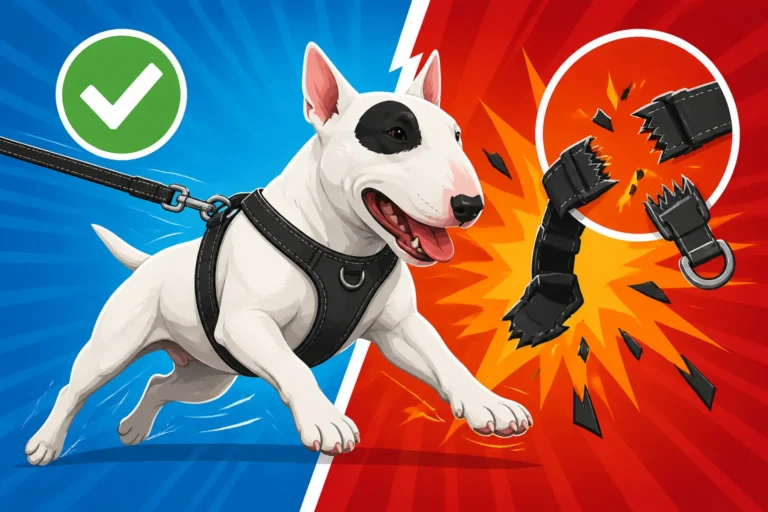
While collars are essential, many Bull Terrier owners find that harnesses offer better control and comfort, especially if their dog is prone to pulling or has a delicate neck. There's a wide range of harnesses available, from front-clip no-pull harnesses to more restrictive control harnesses, and the cost can vary significantly based on design, brand, and materials. A high-quality harness designed for strong breeds might be a substantial investment compared to a basic collar, but it can be invaluable for training and walks.
For specific training scenarios, you might also consider a long line or a tracking leash. These are typically 15 to 30 feet long and are perfect for teaching recall in a safe, open area, or for allowing your Bull Terrier a greater range of motion during supervised outdoor activities. While not for everyday use, these specialized leashes represent another potential cost in your Bull Terrier's gear budget. It's worth researching Which Harness Holds a Bull Terrier before committing, as not all designs suit the breed's unique build.
Understanding Material and Durability: Why Quality Matters
When it comes to Bull Terrier gear, you truly get what you pay for. Investing in higher-quality materials for collars and leashes isn't just about aesthetics; it's about safety, longevity, and ultimately, saving money in the long run by avoiding frequent replacements. Cheap materials can fray, stretch, or break under the stress of a powerful Bull Terrier.
The materials used in collars and leashes directly impact their lifespan and ability to stand up to the rigorous demands of Bull Terrier ownership. A strong, well-made item can endure countless adventures, training sessions, and even the occasional chew attempt, while a lesser quality item might fail when you least expect it, leading to frustration and potential danger.
Common Materials and Their Lifespan
Let's break down some common materials and what they offer:
- Nylon: Very common, affordable, and comes in many colors. Good quality nylon is durable and washable. However, cheaper nylon can fray or stretch, and Bull Terriers can chew through it if given the chance. High-density nylon webbing with reinforced stitching is a better bet for adult Bull Terriers.
- Leather: Classic, durable, and softens beautifully with age. Good quality leather is strong, comfortable, and generally resistant to chewing (though not indestructible). It requires occasional conditioning to stay supple and prevent cracking. Expect leather products to be on the higher end of the price spectrum.
- Biothane: A synthetic material with a polyester webbing core and a PVC coating. It has the look and feel of leather but is waterproof, odor-resistant, and incredibly easy to clean. It's very durable and a fantastic option for Bull Terriers who love to get muddy or swim. It's often priced similarly to mid-range leather.
- Chain/Metal: Less common for everyday collars and leashes, but sometimes used for specific training collars or as a chew-proof section on a leash. While very durable, they can be heavy and may not be comfortable for prolonged wear.
The Cost vs. Longevity Equation
Think of the cost of your Bull Terrier's collar and leash as an investment. A cheaply made collar might cost less upfront, but if you have to replace it every few months due to wear and tear, or worse, if it fails at a critical moment, the true cost becomes much higher. A high-quality, well-constructed collar or leash, while a larger initial outlay, can last for years, proving to be more economical and certainly safer in the long run.
For example, a durable, well-made nylon collar from a reputable brand might cost more than a generic one found at a discount store, but it will have stronger stitching, better hardware, and hold up to your Bull Terrier's strength. Similarly, a quality leather leash, while an investment, can last for the entirety of your dog's life if cared for properly. It’s about making a wise purchase that prioritizes your dog's safety and your peace of mind. Many pet owners, when they think about the long-term financial commitment to their Bull Terrier, consider expenses like food from services like Ollie (if they choose a fresh food diet) or even pet insurance from providers like Healthy Paws. The cost of gear, while smaller, contributes to this overall financial picture.
| Material | Initial Cost | Durability for Bull Terriers | Maintenance | Common Issues |
|---|---|---|---|---|
| Nylon | Low to Mid | Moderate to High | Low (washable) | Chewing, fraying (cheap nylon) |
| Leather | Mid to High | High | Moderate (condition) | Chewing (less prone), cracking if not cared for |
| Biothane | Mid | High | Low (wipe clean) | Can be stiff initially |
| Chain/Metal | Mid | Very High | Low | Weight, comfort |
Beyond the Purchase Price: Maintenance and Replacements
Getting the right collar and leash for your Bull Terrier isn't a "set it and forget it" task. Even the highest quality gear needs regular inspection, cleaning, and eventual replacement. Understanding this ongoing aspect of ownership is key to staying ahead of potential issues and ensuring your Bull Terrier always has safe, reliable equipment.
Like any tool, collars and leashes endure wear and tear. Environmental factors, your dog's activity level, and even just the passage of time will degrade materials. Being proactive about maintenance and recognizing when it's time for a replacement can prevent accidents and ensure your Bull Terrier's safety. This ongoing cost, while minor, is a real part of the overall Twelve Years of a Bull Terrier, Priced Out.
When to Replace Your Bull Terrier's Collar and Leash
Regularly inspect your Bull Terrier's collar and leash for signs of wear and tear. Look for fraying nylon, cracked or stiff leather, rust on metal hardware, or any weakening of stitching. The D-ring where the leash attaches to the collar is a high-stress point and should be checked particularly carefully. If you notice any of these issues, it's time for a replacement, even if the item appears to be mostly intact. A failing leash or collar can lead to a dangerous situation if your Bull Terrier slips free.
Beyond physical degradation, consider if the gear still fits properly. If your Bull Terrier has gained or lost weight, or if they've just grown out of a puppy size, the fit of their collar or harness could be compromised. An ill-fitting collar can rub and cause skin irritation, or it could be loose enough for them to slip out of. A harness that’s too tight can restrict movement, while one that’s too loose can allow them to back out easily. Always prioritize a safe and comfortable fit.
Budgeting for Future Gear Needs
While individual collar and leash costs are relatively low compared to, say, a major vet bill, they are recurring expenses that should be factored into your overall budget for your Bull Terrier. It's smart to set aside a small amount each month or year specifically for gear replacement. This way, you're not caught off guard when a beloved leash finally gives out or a collar needs upgrading.
Thinking ahead about where you'll purchase replacements can also help. Online retailers like Chewy often have sales or bundle deals that can make buying new gear more economical. Knowing your options for durable, quality products will empower you to make the best choices for your strong and spirited Bull Terrier. And, for those larger, unexpected costs, many owners investigate pet insurance providers like Healthy Paws to protect against unforeseen circumstances, ensuring all aspects of their Bull Terrier's well-being are covered.
Disclaimer
This article is for general informational purposes only and does not constitute professional advice. Laws, prices and regulations vary by location and change over time. Consult a qualified professional for guidance on your specific situation.