What a Bull Terrier’s Allergy Injections Cost
The relentless itch, the constant scratching, the raw skin, and those heartbreaking infections—it's a cycle familiar to far too many Bull Terrier owners dealing with allergies. You've tried special diets, endless baths, and probably a dozen different sprays, but sometimes, the only real relief comes from targeted allergy injections. If you're wondering what a Bull Terrier's allergy injections cost, you're not alone, and this guide is here to walk you through the financial reality of managing this common, frustrating condition.
Understanding Bull Terrier Allergies and Why Injections Become Necessary
Living with an allergic Bull Terrier can feel like a constant battle against an invisible enemy. Their short, often light-colored coats and sensitive skin make them particularly prone to environmental allergies, and once those allergies take hold, they rarely let go without intervention.
The Frustration of Persistent Allergies in Bull Terriers
I've seen so many owners pour their hearts and their wallets into trying to make their beloved Bull Terriers comfortable. It starts with the tell-tale signs: incessant licking of paws, rubbing their faces against furniture, recurrent ear infections, and those angry red rashes on their bellies and armpits. You might initially suspect food allergies, switching kibble brands countless times, only to find the problem persists. That's when you start realizing it's probably something in the air – pollen, dust mites, mold spores – the very things we can't completely avoid.
The sheer frustration isn't just about the mess of shedding hair or the sleepless nights listening to them scratch; it's seeing your otherwise exuberant, clownish companion miserable and uncomfortable. Their skin can thicken and darken from chronic inflammation, they might lose patches of fur, and secondary bacterial or yeast infections become a regular occurrence, adding more vet visits and antibiotics to the mix. It's a truly disheartening experience, and often, traditional oral medications only offer temporary, symptomatic relief. You might read up on Whether a Bull Terrier Gets Skin Allergies and realize just how common this struggle is.
When Allergy Injections Enter the Picture for Your Bull Terrier
When topical treatments, special shampoos, and oral antihistamines or steroids aren't enough to control your Bull Terrier's allergic reactions, your veterinarian will likely suggest exploring a more targeted approach: allergy injections. These aren't a quick fix like a steroid shot, but rather a long-term strategy known as immunotherapy. The idea is to gradually desensitize your dog's immune system to the specific allergens that are causing their discomfort.
Before you even get to injections, there's a crucial first step: identifying the culprits. This usually involves allergy testing, which we'll dive into more deeply in the next section. Once you know exactly what your Bull Terrier is reacting to, your vet or a veterinary dermatologist can formulate a custom serum. These injections aren't just about reducing symptoms; they aim to modify the immune response itself, offering a chance for true, lasting relief. It's a commitment, both in time and finances, but for many Bull Terriers and their families, it's the light at the end of a very long, itchy tunnel.
Breaking Down the Costs of Allergy Injections for Your Bull Terrier
The journey to allergy injections for your Bull Terrier isn't a single payment; it's a multi-stage process, each with its own associated costs. Understanding these components can help you prepare financially and make informed decisions.
Initial Diagnostics and Allergy Testing (The Foundation of Treatment)
Before any injections can even be considered, your vet needs to figure out what your Bull Terrier is allergic to. This often starts with a thorough physical exam, discussing your dog's history, and ruling out other skin conditions like fleas, mites, or bacterial infections. This initial consultation and any necessary preliminary tests (like skin scrapings or cytology to check for yeast/bacteria) will have their own costs.
The next big step is the allergy testing itself. There are generally two main types:
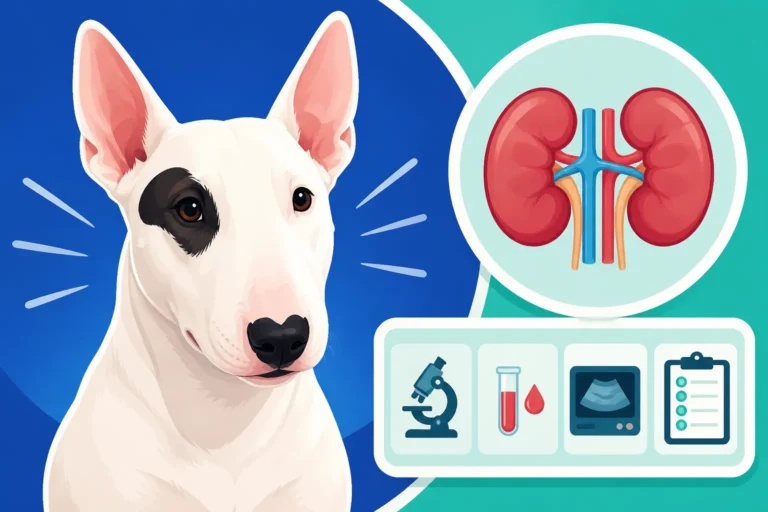
- Serum (Blood) Testing: A blood sample is taken and sent to a specialized lab that tests for reactions to a wide range of environmental allergens (pollen, dust mites, molds, etc.). This is less invasive than skin testing, but some dermatologists prefer skin testing for accuracy.
- Intradermal Skin Testing (IDST): This is considered the gold standard by many veterinary dermatologists. It involves sedating your Bull Terrier, shaving a patch of fur, and injecting tiny amounts of various allergens just under the skin. The vet then observes the reactions (small red welts) to identify the specific triggers.
The cost of allergy testing can be significant, ranging quite a bit depending on where you live, the clinic, and the type of test performed. Generally, you can expect the blood test to be one price, and the intradermal test, often performed by a specialist, to be another. Remember, this is a crucial investment, as accurate identification of allergens is key to creating an effective immunotherapy serum. For more detail on this specific step, you might want to read What Allergy Testing Costs on a Bull Terrier.
The Price Tag of Immunotherapy Injections
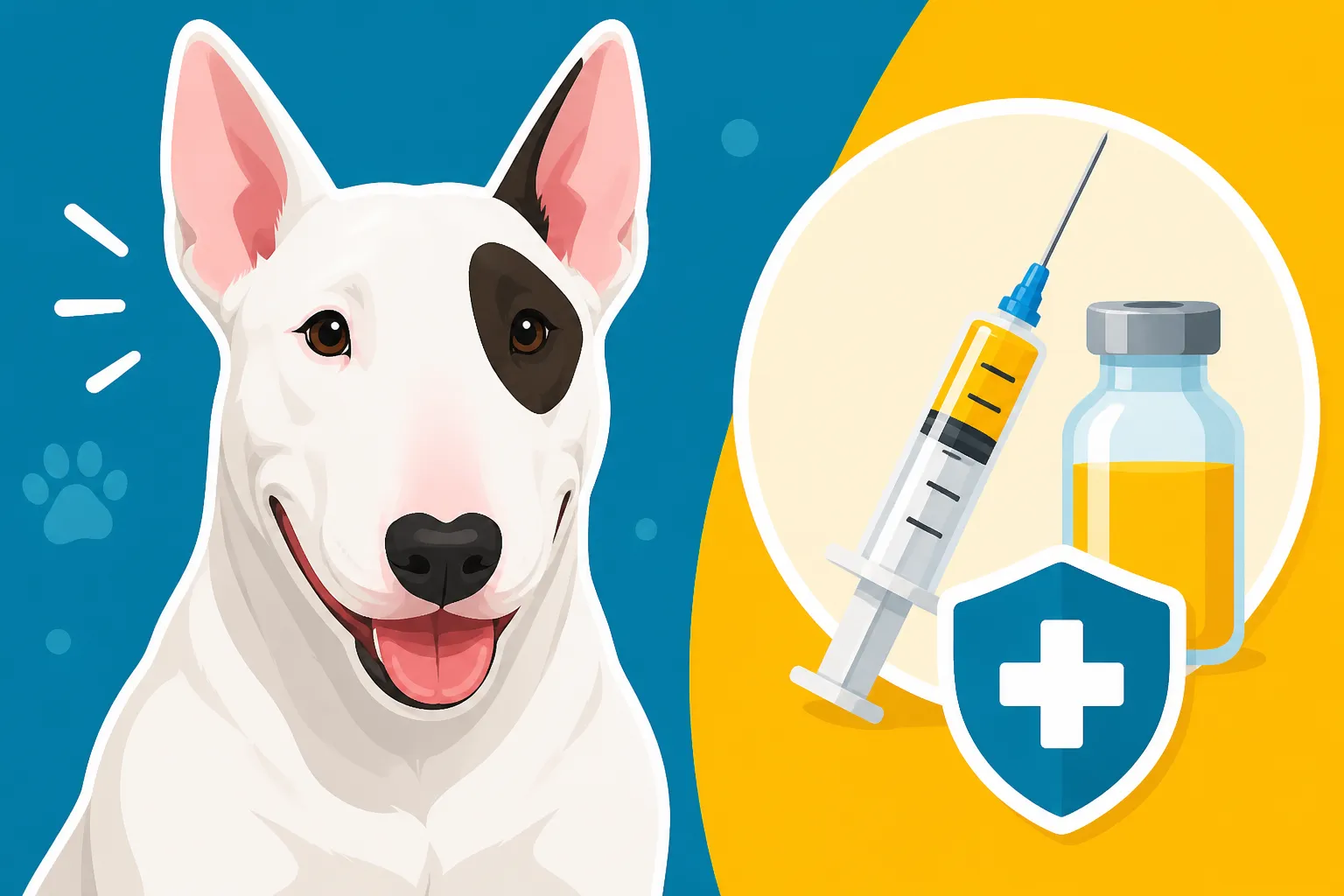
Once the allergens are identified, your Bull Terrier's custom immunotherapy serum is formulated. This serum contains tiny, increasing doses of the specific allergens your dog reacts to. The goal is to gradually train their immune system not to overreact to these substances.
The cost of the serum itself, which typically lasts several months to a year, is a recurring expense. You'll typically pay for a vial or a set of vials that you administer at home.
| Service/Item | Initial Costs (Typical Range) | Ongoing Costs (Typical Range) | Notes |
|---|---|---|---|
| Vet Consultation (General Practice) | $60 – $150 | N/A | Initial exam to discuss symptoms and rule out obvious issues. |
| Vet Consultation (Dermatologist) | $150 – $350 | $100 – $250 (follow-ups) | Often required for intradermal testing and advanced management. |
| Allergy Blood Test (Serum) | $250 – $500 | N/A | Sent to a specialized lab; results help formulate serum. |
| Intradermal Skin Test (IDST) | $500 – $1,200+ | N/A | Performed by a specialist under sedation; highly accurate. |
| Custom Immunotherapy Serum (initial) | $200 – $600 | $200 – $600 (per refill) | Varies based on the number of allergens; typically lasts 6-12 months. |
| Injection Supplies (syringes, needles) | $10 – $30 (per batch) | $10 – $30 (per batch) | Purchased as needed for home injections. |
| Oral Medications (initial management) | $30 – $100+ (per month) | May decrease with injections | Antihistamines, steroids, antibiotics for secondary infections, often needed before injections kick in. |
| Medicated Shampoos/Topicals | $20 – $50 (per bottle) | $20 – $50 (per bottle) | Essential for managing symptoms and preventing secondary infections. |
Please note: These are general ranges and can vary significantly based on your geographic location, the specific veterinary clinic or specialist, and the individual needs of your Bull Terrier.
The frequency of injections starts quite high – often daily or every other day during an "induction phase" – and then tapers down to once or twice a week, or even less frequently, for maintenance. This is something your vet or dermatologist will guide you through carefully. Each time you need a refill of the serum, you'll incur that cost again.
Factors Influencing the Ongoing Cost
Beyond the initial testing and the recurring serum costs, several factors can influence your overall expenditure:
- Severity of Allergies: A Bull Terrier with severe, multi-allergen reactions might require a more complex serum and potentially longer or more intensive initial treatment.
- Geographic Location: Veterinary costs, like most services, tend to be higher in urban areas or regions with a higher cost of living. A specialist in a major city will likely charge more than a general vet in a rural area.
- Veterinary Specialist vs. General Vet: While some general veterinarians offer allergy testing and serum formulation, many severe cases are referred to veterinary dermatologists. Their specialized expertise comes with a higher fee, but often leads to better outcomes for complex cases.
- Concomitant Treatments: Even with allergy injections, your Bull Terrier might still need other supportive treatments, especially in the early stages or during allergy flare-ups. This can include medicated baths (using specialized shampoos available from retailers like Chewy or your vet), antibiotics for secondary infections, or temporary oral medications to manage intense itching. All of these add to the ongoing costs.
- Responsiveness to Treatment: Not every Bull Terrier responds perfectly to immunotherapy. Some see dramatic improvement, while others only get partial relief, meaning you might continue with other supportive therapies indefinitely, adding to the expense. It's important to have realistic expectations and keep open communication with your vet.
It's clear that managing A Bull Terrier's Skin Is Its Weakest Point can be a significant financial undertaking, but the relief it brings to both dog and owner is often priceless.
Managing the Financial Burden: Insurance, Budgets, and Other Options
When faced with the potential costs of allergy injections, many Bull Terrier owners feel overwhelmed. But there are strategies and resources available to help make this vital treatment more manageable.
Pet Insurance and Allergy Coverage for Bull Terriers
Pet insurance can be a lifesaver when it comes to managing chronic conditions like allergies. However, it's absolutely crucial to understand how policies handle pre-existing conditions. If your Bull Terrier was diagnosed with allergies before you purchased or enrolled in a pet insurance policy, it's highly likely that treatment for those allergies, including injections, will be considered a pre-existing condition and therefore excluded from coverage.
This is why insuring your Bull Terrier as early as possible, ideally as a puppy before any symptoms arise, is often recommended. If your dog develops allergies after enrollment and completion of waiting periods, then many comprehensive accident and illness plans will cover diagnostic tests, specialist visits, the cost of the serum, and other medications. Companies like Healthy Paws are often mentioned by pet owners for their comprehensive coverage, but it's always best to get a specific quote and review the policy details carefully. Make sure to ask about coverage for chronic conditions, specialist referrals, and whether there are any caps on dermatological treatments. Understanding Insuring a Bull Terrier Against What It Actually Gets is key to making the right choice.
Budgeting for Long-Term Allergy Management
Even with insurance, or if your Bull Terrier's allergies are pre-existing, you'll need a solid financial plan. Here's how you can approach budgeting:
- Create a Dedicated Allergy Fund: Set aside a specific amount each month into a separate savings account. This acts as your emergency fund for flare-ups or simply covers the recurring costs of serum refills and routine vet visits.
- Understand the Annual Cost: Work with your vet to get a clear estimate of the yearly cost for serum refills, routine follow-ups, and any anticipated supportive medications. Divide this by 12 to know your monthly commitment.
- Factor in "Hidden" Costs: Don't forget expenses like special prescription diets (sometimes needed for concurrent food sensitivities or to support skin health, like those offered by Ollie for sensitive stomachs), medicated shampoos, or even air purifiers for your home to reduce environmental allergens. These aren't direct injection costs but are part of comprehensive allergy management.
- Explore Payment Plans: Some veterinary clinics offer in-house payment plans for larger bills, or you might look into third-party medical credit options. Always discuss these possibilities with your vet's office manager.
Remember that managing What a Bull Terrier Costs a Month Before Any Illness is already a significant undertaking, and allergies add another layer. Being proactive with your budget is one of the best ways to ensure your Bull Terrier gets the care they need without putting undue strain on your finances. If you're looking for guidance on general financial preparedness, you might find What a Bull Terrier's Emergency Fund Should Hold a helpful read.
Exploring Alternative or Complementary Strategies
While allergy injections are often the most effective long-term solution, they aren't always the only solution. Many owners combine injections with other strategies to maximize comfort and potentially reduce the reliance on medications or the frequency of flare-ups.
- Environmental Control: Reducing exposure to known allergens can significantly help. This means frequent vacuuming (with a HEPA filter), washing bedding regularly, using dust mite covers for pet beds, and even air purifiers. If pollen is a major trigger, limit outdoor exposure during peak pollen times and wipe your Bull Terrier down after walks.
- Topical Treatments: Medicated shampoos, conditioners, and sprays can help soothe irritated skin, remove allergens, and combat secondary infections. Your vet might recommend specific formulations to use regularly.
- Dietary Support: While not a cure for environmental allergies, a high-quality diet rich in Omega fatty acids can support skin barrier health. Some Bull Terriers also have concurrent food sensitivities, so an elimination diet or a hydrolyzed protein diet might be explored. Brands like Chewy offer a wide selection of prescription and limited ingredient diets that vets often recommend. You might even discover that Whether a Bull Terrier's Skin Improves With Diet for your particular dog.
- Supplements: Omega-3 fatty acids (fish oil), probiotics, and certain immune-modulating supplements can sometimes offer additional support. Always discuss any supplements with your veterinarian before introducing them.
- Regular Vet Check-ups: Consistent monitoring is key. Regular visits allow your vet to assess your Bull Terrier's response to injections, adjust dosing if needed, and catch any secondary infections early before they become severe and more costly to treat.
By combining immunotherapy with smart environmental management and supportive care, you create a holistic approach that gives your Bull Terrier the best chance at a comfortable, itch-free life.
Living with an Allergic Bull Terrier: Beyond the Injections
Getting a handle on allergy injections is a huge step, but the journey of living with an allergic Bull Terrier is an ongoing commitment that extends beyond just administering the medicine. It's about a lifestyle change for both you and your beloved companion.
The Commitment to a Healthier, Happier Bull Terrier
Immunotherapy isn't a magical overnight cure. It takes time – often several months – before you start seeing significant improvement in your Bull Terrier's symptoms. This period requires immense patience and consistent adherence to the injection schedule your vet provides. Missing doses or giving up too early can derail the progress. You might still have good days and bad days, especially in the beginning, and that can be incredibly frustrating. But staying committed, keeping a detailed log of symptoms and injections, and maintaining open communication with your veterinary team is paramount.
The reward for this dedication is immense. Imagine your Bull Terrier, no longer constantly scratching, no longer covered in angry red patches, no longer battling incessant ear infections. Their true, joyful personality can shine through when they're not consumed by discomfort. It's about restoring their quality of life, allowing them to play fetch, cuddle on the sofa, and just be a Bull Terrier without the constant burden of itchy skin. Many owners find that the transformation is truly worth every penny and every minute invested. It validates all those times you've fretted over What a Bull Terrier Is Most Often Allergic To and searched for solutions.
Lifestyle Adjustments and Environmental Control
Beyond the direct medical interventions, managing allergies means becoming an expert in your Bull Terrier's environment. This isn't just a temporary measure; it's a permanent shift in how you maintain your home and interact with the world outside.
Consider these ongoing adjustments:
- Diligent Cleaning: Regular vacuuming with a HEPA filter, frequent washing of pet bedding in hot water, and reducing carpeted areas can drastically cut down on dust mites and other indoor allergens. If your Bull Terrier spends time on your sofa, consider washable throws.
- Post-Outdoor Wipes: After walks, especially during high pollen seasons, a quick wipe-down with a damp cloth or a gentle pet wipe can remove allergens from their coat and paws before they track them inside. This simple act can make a big difference in preventing an allergic reaction.
- Air Quality Management: Investing in good quality air purifiers for the rooms your Bull Terrier spends the most time in can significantly improve indoor air quality. Think of it as another layer of defense against those microscopic irritants.
- Regular Skin Checks: Even with injections, consistent monitoring of your Bull Terrier's skin is essential. Perform a The Weekly Skin Check Every Bull Terrier Needs to catch any early signs of irritation or infection, allowing you to address them quickly before they escalate. Early intervention can save you discomfort, more expensive vet visits, and more aggressive treatments down the line.
- Consistency is Key: Whether it's the injections, the medicated baths, or the specific diet, consistency is the bedrock of successful allergy management. Bull Terriers thrive on routine, and their sensitive systems definitely respond better when their care regimen is stable and predictable.
While the financial aspect of allergy injections is a serious consideration, the real cost of not treating your Bull Terrier's allergies can be much higher in terms of their suffering and your stress. With careful planning, a proactive approach, and a strong partnership with your veterinarian, you can provide your beloved Bull Terrier with the comfort and quality of life they deserve.
Disclaimer
This article is for general informational purposes only and does not constitute professional advice. Laws, prices and regulations vary by location and change over time. Consult a qualified professional for guidance on your specific situation.