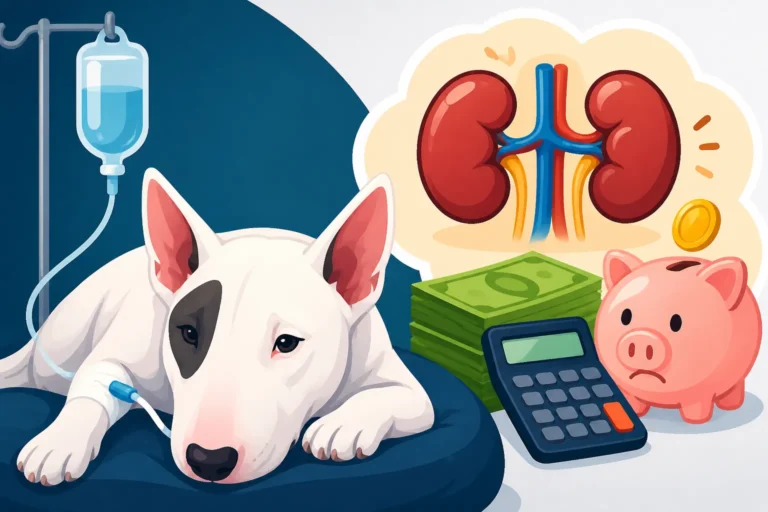
What a Bull Terrier’s Heart Workup Costs
It's a sinking feeling, isn't it? That moment when your vet's cheerful tone shifts, and they mention something about a "murmur" in your beloved Bull Terrier's chest. Suddenly, your world narrows to the thumping of a little heart, and a cascade of questions floods your mind, not least of which is, "What on earth is this going to cost?" This guide is here to walk you through the financial realities of a Bull Terrier heart workup, from initial checks to ongoing management, so you can face the journey with clear eyes and a prepared budget.
The Initial Suspect: Hearing a Heart Murmur
The first step in any heart workup often begins with a routine physical examination. Your veterinarian, while listening to your Bull Terrier's chest with their stethoscope, might detect an abnormal sound – a heart murmur. This isn't always a death sentence, but it's certainly a signal that further investigation is warranted, especially in a breed known for certain cardiac predispositions.
Routine Vet Check-ups and Auscultation
Every Bull Terrier owner knows the importance of regular veterinary visits. These aren't just for vaccinations and worming; they're crucial for establishing a baseline of health and catching potential issues early. During these check-ups, your vet will always perform auscultation, which is simply listening to the heart. It's a fundamental part of the physical exam. They're listening for the lub-dub rhythm, checking for anything extra, anything out of sync. For some owners, the news of a murmur comes completely out of the blue during a puppy check-up or a routine adult wellness exam. This initial listen, the auscultation, is usually included in the overall cost of your veterinary visit, so you won't typically see a separate line item for "heart listening."
However, if your vet hears something concerning, that's when the journey toward a more in-depth workup truly begins. They'll grade the murmur from 1 to 6, with 1 being very faint and 6 being very loud, sometimes even palpable through the chest wall. The grade doesn't always correlate perfectly with the severity of the underlying condition, but it gives your vet a starting point. It's also worth noting that some murmurs are "innocent murmurs" – transient, low-grade sounds, especially in puppies, that often fade as they mature. You can learn more about The Heart Murmur a Bull Terrier Puppy Should Be Checked For in our detailed article on the topic.
When a Murmur Becomes a Concern
Not all murmurs require immediate, extensive workups, especially in very young puppies where "innocent murmurs" are common. However, if the murmur persists, is high-grade, or is detected in an adult Bull Terrier, your general practice veterinarian will almost certainly recommend further diagnostics. They want to understand what is causing the murmur and how it's impacting your dog's heart function. Is it a leaky valve? A narrowed artery? Or something else entirely? Without these answers, effective treatment or management is impossible.
Signs beyond the murmur itself can also escalate concerns. Is your Bull Terrier tiring more easily during walks? Are they coughing, especially after exercise or when lying down? Have you noticed any distension in their abdomen, or fainting spells? These are all potential indicators that a heart condition is progressing and needs urgent attention. Even if your Bull Terrier seems perfectly fine, a persistent, significant murmur is a red flag that shouldn't be ignored. Early intervention can make a huge difference in managing many cardiac conditions.
The Cost of a First Opinion Vet Visit
The cost of your initial veterinary visit where a murmur might be detected can vary quite a bit depending on where you live and the clinic's fee structure. Generally, this will cover the examination itself, which includes the auscultation. You might pay more for an initial consultation as a new patient than for a routine annual visit for an established patient. If blood pressure is taken as part of a general screening, that might be an additional, but often minor, charge.
This first visit might also include a recommendation for basic blood work or a simple chest X-ray, which would add to the bill. Think of this as the gatekeeper visit; it's relatively affordable compared to specialist diagnostics, but it's the crucial step that opens the door to understanding your Bull Terrier's heart health. Your general vet will discuss their findings and outline the next recommended steps, which almost always involve more advanced imaging to truly see what's happening inside.
Unraveling the Mystery: Diagnostic Tests
Once a heart murmur or other cardiac symptoms raise a red flag, your veterinarian will recommend specific diagnostic tests to get a clearer picture of your Bull Terrier's heart health. These tests move beyond simply listening and allow veterinary professionals to visualize the heart's structure, function, and electrical activity. These are the workhorses of a cardiac workup, and they represent a significant portion of the initial financial outlay.
The Echocardiogram: A Deep Dive into the Heart
If your vet suspects a significant heart issue, the first and most vital recommendation will likely be an echocardiogram, often just called an "echo." This is essentially an ultrasound of the heart. It’s non-invasive and uses sound waves to create real-time images of your Bull Terrier's heart, allowing the vet to see its chambers, valves, and the great vessels in exquisite detail. They can assess the size of the heart, the thickness of its walls, how well the valves are opening and closing, and the direction and speed of blood flow.
For Bull Terriers, an echocardiogram is particularly crucial because the breed is predisposed to certain congenital heart conditions like What Mitral Valve Dysplasia Does to a Bull Terrier and What Aortic Stenosis Does to a Bull Terrier. These conditions involve structural abnormalities that can only be definitively diagnosed by seeing the heart in action. While a chest X-ray can show the overall size and shape of the heart, it can't show these specific functional and structural defects. An echo provides the definitive answers needed to formulate a precise diagnosis and treatment plan.
The procedure itself usually involves your Bull Terrier lying comfortably on a special table, often on their side, with a small patch of fur shaved from their chest to allow for good contact with the ultrasound probe. Most dogs tolerate it well, though some may require mild sedation to ensure they remain still enough for clear images. The actual imaging takes time, as the sonographer and/or cardiologist methodically examine every part of the heart from multiple angles. The cost of an echocardiogram is generally the most significant single expense in the initial diagnostic phase, reflecting the specialized equipment, expertise of the technician, and the detailed interpretation required. Our article, What a Bull Terrier's Echocardiogram Costs, provides further insights into this particular expense.
Radiographs and Electrocardiograms (ECG)
While the echocardiogram is the star player for structural diagnosis, chest radiographs (X-rays) and electrocardiograms (ECGs) play important supporting roles in a complete heart workup.
Chest X-rays offer a broader view of the chest cavity. They can show if the heart is enlarged overall, if there's fluid accumulating in the lungs (pulmonary edema), or around the heart (pericardial effusion), which are common signs of congestive heart failure. X-rays also help rule out other conditions that might mimic heart disease, such as lung problems. They are relatively quick to perform and usually don't require sedation. The cost of chest X-rays is typically less than an echocardiogram but still adds to the overall diagnostic bill, especially if multiple views are taken.
An ECG, on the other hand, measures the electrical activity of your Bull Terrier's heart. It's a non-invasive test where electrodes are placed on your dog's skin, usually on their limbs and chest, to record the electrical impulses that make the heart beat. This helps identify any arrhythmias (irregular heartbeats) or conduction disturbances. It can also give clues about chamber enlargement. While an ECG won't diagnose specific structural defects like valve issues, it's crucial for understanding the heart's rhythm and can be a vital tool, especially if your Bull Terrier has fainting spells or episodes of weakness. Both radiographs and ECGs often complement the findings of an echocardiogram, giving the veterinary cardiologist a comprehensive picture of your Bull Terrier's cardiac health.
Bloodwork and Other Supporting Tests
Beyond direct cardiac imaging, several blood tests and other general health screenings are often part of a thorough heart workup. These tests provide important information about your Bull Terrier's overall health and can influence treatment decisions.
A complete blood count (CBC) and biochemistry panel are standard. The CBC can reveal anemia, which can exacerbate heart conditions, or indicate infections. The biochemistry panel assesses organ function, particularly the kidneys and liver, which are vital for processing heart medications. Kidney values are especially important because heart disease and kidney disease can often go hand-in-hand, and many cardiac medications impact kidney function. Bull Terriers are also prone to hereditary nephritis, so checking kidney values is always a good idea. Our article on What a UPC Ratio Tells a Bull Terrier Owner highlights the importance of regular kidney screening.
Additionally, a blood test for cardiac biomarkers, specifically NT-proBNP, might be recommended. This test measures a substance released by the heart muscle cells when they are stretched or stressed, providing a general indicator of heart disease severity or the presence of heart failure. It's a useful screening tool, sometimes used to decide if an echo is truly necessary if there's uncertainty. Urinalysis is also common to assess kidney function and detect any protein loss, particularly relevant for Bull Terriers. These blood and urine tests incur their own costs but are invaluable for providing a holistic view of your Bull Terrier's health status and guiding safe and effective treatment.
| Diagnostic Test | What It Shows | Why It's Done for Bull Terriers | Typical Cost Shape (Relative) |
|---|---|---|---|
| Auscultation | Presence and grade of heart murmurs/arrhythmias | Initial screening during routine exams | Included in exam |
| Echocardiogram | Detailed heart structure, function, blood flow | Definitive diagnosis of MV D, AS, congenital defects | High |
| Chest Radiographs | Heart size/shape, lung fluid, overall chest structures | Assess for heart enlargement, congestive heart failure | Moderate |
| Electrocardiogram (ECG) | Electrical activity, heart rhythm | Detect arrhythmias, conduction abnormalities | Moderate |
| Blood Pressure | Systemic hypertension | Assess kidney health, impact on heart | Low to Moderate |
| Bloodwork (CBC/Chem) | Overall organ function, blood cell counts | Assess general health, kidney/liver function for meds | Moderate |
| NT-proBNP Blood Test | Cardiac muscle stress/stretch | Screen for heart disease, severity assessment | Moderate |
Specialist Care: Consulting a Veterinary Cardiologist
While your primary care veterinarian is excellent for initial diagnostics and general health, when it comes to complex heart conditions, a veterinary cardiologist is the expert you need. Their specialized knowledge and equipment can make all the difference in accurately diagnosing and managing your Bull Terrier's heart disease.
Why a Specialist is Essential for Bull Terrier Hearts
Think of it this way: your family doctor can handle a common cold, but if you needed open-heart surgery, you'd want a cardiologist. The same principle applies to your Bull Terrier. A veterinary cardiologist has undergone extensive additional training beyond veterinary school, focusing exclusively on the cardiovascular system. They are experts in diagnosing and treating all forms of heart disease, from congenital defects to acquired conditions. They have access to advanced diagnostic equipment and interpret results with a nuanced understanding that a general practitioner, however skilled, might not possess.
For Bull Terriers, this specialization is particularly important due to the breed's known predispositions to specific conditions like mitral valve dysplasia and aortic stenosis. A cardiologist is adept at identifying the subtle indicators of these diseases and distinguishing between different forms of heart murmurs, some of which are unique to Bull Terriers. They will use their expertise to confirm diagnoses, stage the disease, and develop a precise, individualized treatment plan. They are also often the only ones equipped to perform advanced procedures if necessary. When your vet recommends a specialist, it's because they want the absolute best care for your furry family member, and often, it's the most cost-effective path in the long run by getting the right diagnosis and treatment from the start.
The Cost of a Specialist Consultation
A visit to a veterinary cardiologist typically begins with a consultation fee. This fee covers the specialist's time to review your Bull Terrier's history, examine them thoroughly, discuss their findings with you, and explain the recommended diagnostic or treatment plan. It's a detailed, in-depth discussion, often lasting longer than a routine vet visit. The cardiologist will likely review all previous test results from your general vet, such as X-rays and basic bloodwork, before performing their own physical examination.
Following the consultation, the cardiologist will almost certainly recommend performing an echocardiogram if one hasn't been done by them already, as this is their primary diagnostic tool. The cost of this specialized echocardiogram will be separate from the consultation fee. The expertise and specialized equipment contribute to the higher cost compared to what you might pay for a similar service at a general practice clinic. However, this investment can provide peace of mind and, more importantly, a clear path forward for managing your Bull Terrier's condition. Remember, this initial specialist visit and echo are foundational to long-term management, and the insights gained are invaluable. Our guide, Whether a Cardiologist Should See a Bull Terrier Puppy, delves deeper into when this specialist visit becomes paramount.
Follow-up Visits and Ongoing Monitoring
Cardiac conditions are rarely a one-and-done fix. Once a diagnosis is made and treatment begins, your Bull Terrier will require ongoing monitoring and follow-up visits with the cardiologist. These visits are crucial for assessing how well the medication regimen is working, whether the disease is progressing, and if any adjustments need to be made.
Follow-up appointments might include repeat auscultation, blood pressure checks, and sometimes repeat bloodwork to monitor kidney and liver function, especially if your Bull Terrier is on multiple medications. Periodically, the cardiologist will recommend repeat echocardiograms to track changes in heart size and function over time. The frequency of these follow-ups depends on the specific condition, its severity, and how well your Bull Terrier is responding to treatment. For a stable patient, this might be every 6-12 months, but for more complex or rapidly progressing cases, it could be more frequent. Each of these follow-up visits and repeat diagnostics will incur costs. This is where the ongoing financial commitment truly becomes apparent. Maintaining open communication with your cardiologist and understanding the schedule of future rechecks is essential for budgeting. Knowing How Often a Bull Terrier's Heart Should Be Rechecked can help you prepare for these recurring expenses.
Understanding Bull Terrier Specific Heart Conditions
While many dog breeds can develop heart disease, Bull Terriers have particular predispositions to certain conditions, often congenital. Understanding these specific issues is crucial for owners, as it directly impacts the diagnostic approach, treatment options, and ultimately, the associated costs.
Mitral Valve Dysplasia: What it is and why it's a concern
Mitral Valve Dysplasia (MVD) is a congenital heart defect seen in Bull Terriers, meaning they are born with it. It affects the mitral valve, which is located between the left atrium and the left ventricle of the heart. In MVD, the valve doesn't form correctly, leading to either a leaky valve (regurgitation) or a narrowed valve (stenosis), or sometimes both. When the valve leaks, blood flows backward into the atrium with each heartbeat, making the heart work harder and leading to enlargement of the left side of the heart.
This condition is a significant concern because it can lead to congestive heart failure over time. Symptoms might include exercise intolerance, coughing, difficulty breathing, or a swollen abdomen. The diagnosis is primarily made through an echocardiogram, which allows the cardiologist to visualize the valve's structure and assess the degree of leakage or narrowing. Management typically involves medications to control symptoms and slow the progression of heart failure, which will be a lifelong expense. While surgery is an option for some types of MVD in humans, it's rarely feasible or successful for dogs. Therefore, the focus is on medical management, requiring regular vet visits, medication refills, and repeat diagnostics to monitor the heart's function.
Aortic Stenosis: The Silent Threat
Another serious congenital heart condition found in Bull Terriers is Aortic Stenosis (AS). This involves a narrowing of the aorta, the main artery that carries blood from the left ventricle to the rest of the body. This narrowing forces the heart to pump much harder to push blood through the restricted opening, leading to increased pressure and thickening of the heart muscle, particularly the left ventricle.
Aortic stenosis is often considered a "silent threat" because Bull Terriers with mild to moderate forms may show no outward symptoms for a long time, even while the heart is working excessively hard. This makes routine cardiac screening, particularly echocardiograms, incredibly important for the breed, even if a murmur isn't overtly loud. When symptoms do appear, they can be severe and sudden, including exercise intolerance, weakness, or even sudden death. This is why our article Why Aortic Stenosis Kills a Bull Terrier Without Warning emphasizes the need for early detection. The diagnosis relies heavily on an echocardiogram to measure the blood flow velocity through the aorta and assess the degree of narrowing. Treatment typically involves medications, primarily beta-blockers, to reduce the heart's workload and improve blood flow. As with MVD, this is a lifelong condition requiring consistent medication and regular specialist check-ups, all contributing to ongoing costs.
Managing Congenital vs. Acquired Conditions
When it comes to Bull Terrier heart health, it's important to distinguish between congenital and acquired conditions, as this can impact both the prognosis and the financial journey. Congenital conditions, like Mitral Valve Dysplasia and Aortic Stenosis, are present from birth. They often require early and consistent monitoring, and while they can be managed, they are usually not curable. The financial costs typically begin in puppyhood or early adulthood and continue for the dog's life, focusing on slowing progression and maintaining quality of life.
Acquired heart conditions, such as dilated cardiomyopathy (DCM) or degenerative valve disease (DVM) in older dogs, develop later in life due to age, genetics, or other factors. While Bull Terriers are more known for their congenital issues, they are not immune to acquired heart problems. The approach to acquired conditions might be slightly different; sometimes they can be managed more aggressively or even resolved if secondary to another treatable condition. However, for most, it still means ongoing medication and monitoring. Financially, acquired conditions often come with a sudden, unexpected spike in costs for diagnosis and initial treatment, followed by ongoing management. The good news is that for many congenital conditions, breeders often screen for these issues in parent dogs. Our article Which Health Tests a Bull Terrier Breeder Should Run offers insights into responsible breeding practices.
Ongoing Management: Medication and Lifestyle Adjustments
Once a heart condition is diagnosed in your Bull Terrier, the diagnostic phase transitions into the management phase. This often means a commitment to daily medications, potential dietary changes, and adjustments to their lifestyle – all of which come with their own set of ongoing costs.
Daily Medications: The Long-Term Financial Commitment
For most cardiac conditions in Bull Terriers, medication becomes a daily, lifelong requirement. The specific drugs prescribed will depend entirely on the diagnosis and the stage of the disease. Common medications include diuretics to remove excess fluid from the body (like furosemide), ACE inhibitors to help relax blood vessels and reduce the heart's workload, and beta-blockers to control heart rate and rhythm. Some Bull Terriers might be on multiple medications, each serving a different purpose.
The cost of these medications can vary significantly. Some generic drugs are quite affordable, while newer, patented cardiac drugs can be considerably more expensive. These are recurring expenses that you will face every month or every few months, depending on how frequently refills are needed. It's not uncommon for a Bull Terrier with advanced heart disease to be on three, four, or even five different medications daily. This adds up, and it's essential to factor these predictable, recurring costs into your budget. Shopping around for medication can sometimes help; online pharmacies like Chewy often offer competitive pricing and auto-ship options, making it easier to manage refills and sometimes reducing the overall monthly cost.
Special Diets and Supplements
Diet plays a crucial role in managing many chronic health conditions, including heart disease. Your veterinary cardiologist might recommend a specific therapeutic diet designed for cardiac support. These diets are typically restricted in sodium to help manage fluid retention and may have adjusted levels of other nutrients to support heart muscle function. These specialized prescription diets, available through your vet or online retailers like Chewy or sometimes through services like Ollie, are generally more expensive than standard over-the-counter dog foods.
In addition to prescription diets, certain supplements might be recommended. These could include omega-3 fatty acids for anti-inflammatory benefits, L-carnitine or taurine for heart muscle support, or various antioxidant formulations. While supplements can be beneficial, their effectiveness varies, and they also contribute to the ongoing monthly expenditure. It’s always important to discuss any supplements with your vet or cardiologist to ensure they are appropriate and won't interfere with prescribed medications. The goal of these dietary and supplemental changes is to support the heart, manage symptoms, and potentially slow the progression of the disease, ultimately improving your Bull Terrier's quality of life.
Lifestyle Modifications and Their Indirect Costs
Managing a Bull Terrier with heart disease isn't just about pills and food; it often involves significant lifestyle modifications. These changes might not have direct price tags on every item, but they represent indirect costs in terms of time, effort, and sometimes equipment. For instance, rigorous exercise might be restricted to prevent putting undue strain on the heart. Instead of long runs, you might need to opt for shorter, more frequent, gentler walks. This could mean hiring a dog walker for more frequent, shorter outings, or adjusting your own schedule.
Monitoring your Bull Terrier at home becomes vital. You might need to learn how to count their resting respiratory rate to detect early signs of fluid in the lungs. Regular weight checks are important to ensure they're not retaining fluid or losing too much muscle mass. You might invest in a high-quality scale or a dog-specific activity tracker. Stress reduction also plays a role, as stress can exacerbate heart conditions. This might mean avoiding busy dog parks or high-stimulation environments, which can sometimes limit social opportunities or the types of activities you can share with your Bull Terrier. All these adjustments contribute to the overall management burden and, indirectly, the financial cost of care.
The Role of Pet Insurance and Financial Planning
Facing the potential costs of a Bull Terrier's heart workup can feel overwhelming. This is where proactive financial planning, particularly considering pet insurance, becomes not just helpful, but almost essential. It can be the difference between making difficult care decisions and providing your Bull Terrier with the best possible treatment.
Navigating Coverage for Congenital Conditions
Pet insurance can be a lifesaver when dealing with significant veterinary expenses, but it's crucial to understand how it handles congenital conditions, which are common in Bull Terriers. Most pet insurance policies consider congenital conditions as any abnormality present from birth, whether symptoms appear immediately or much later in life. The key factor for coverage is typically when the condition was diagnosed or when symptoms first appeared.
If you enroll your Bull Terrier in a pet insurance plan before any heart murmur is detected or any symptoms of heart disease manifest, many comprehensive plans, like those offered by Healthy Paws, will cover the diagnostic and treatment costs associated with congenital heart conditions. However, if a heart murmur has already been detected or diagnosed, or if symptoms related to heart disease have been noted by a vet before you enroll or during the waiting period, it will almost certainly be considered a pre-existing condition and will not be covered. This is why getting pet insurance when your Bull Terrier is a healthy puppy is highly recommended. Carefully read the terms and conditions of any policy, especially regarding waiting periods and pre-existing conditions, to avoid unpleasant surprises.
Emergency Funds and Savings Strategies
Even with pet insurance, an emergency fund specifically for veterinary care is a wise financial strategy. Most pet insurance policies have deductibles, co-pays, and sometimes annual limits. You'll also need to pay the vet bill upfront and then submit a claim for reimbursement, meaning you need to have the funds available initially. For Bull Terriers, with their known health predispositions, having a dedicated savings account can provide a critical safety net.
Consider setting aside a certain amount each month, just like you would for any other significant expense. This fund can cover routine costs not covered by insurance, your deductible, or any portion of a large bill that exceeds your coverage. It also gives you flexibility if a specific treatment isn't covered or if you choose a specialist who is out of network with your particular plan. Whether it's a separate savings account, a high-yield savings account, or simply a dedicated envelope of cash, having liquid funds available for unexpected veterinary expenses provides immense peace of mind and ensures you can act quickly if your Bull Terrier needs urgent care.
Comparing Pet Insurance Plans
The landscape of pet insurance can feel complex, with numerous providers offering different levels of coverage, deductibles, reimbursement percentages, and annual limits. It's not a one-size-fits-all solution, and what works for one Bull Terrier owner might not be ideal for another. When comparing plans, pay close attention to the following:
- Coverage for Illnesses and Accidents: Most plans cover these, but ensure congenital conditions are explicitly covered if enrollment happens before diagnosis.
- Reimbursement Percentage: This is the percentage of the eligible vet bill that the insurer will pay after your deductible is met (e.g., 70%, 80%, 90%).
- Deductible: The amount you pay out-of-pocket before your insurance kicks in. Some are annual, some are per-incident.
- Annual Limits: The maximum amount the policy will pay out in a given year.
- Waiting Periods: The time frame after enrollment before coverage begins for certain conditions. This is critical for pre-existing conditions.
- Exclusions: What the policy doesn't cover.
- Wellness Plans: Some insurers offer optional add-ons for routine care, like vaccines and check-ups, which are separate from illness/accident coverage.
Take the time to get quotes from several providers and read the sample policies carefully. Ask specific questions about how they handle conditions like mitral valve dysplasia or aortic stenosis, especially if your Bull Terrier is still young and healthy. While we can't recommend a specific plan or company, insurers like Healthy Paws are often mentioned by owners for their comprehensive coverage, but it's essential to do your own research to find the best fit for your specific needs and budget.
Considering the Breeder's Role and Health Guarantees
The foundation of a Bull Terrier's health, including its cardiac health, often begins with responsible breeding practices. A good breeder takes steps to minimize the risk of inherited conditions, which can significantly impact your future financial obligations as an owner.
The Importance of Health Testing in Parents
A truly responsible Bull Terrier breeder will conduct thorough health testing on their breeding dogs before they ever produce a litter. For cardiac health, this means having both the sire and dam examined by a board-certified veterinary cardiologist, including an echocardiogram, to screen for congenital heart conditions like mitral valve dysplasia and aortic stenosis. The results of these tests should be clear, indicating no significant abnormalities. This practice helps ensure that the parents are not passing on genetic predispositions to their offspring.
While health testing doesn't guarantee a puppy will be entirely free of problems (genetics are complex!), it drastically reduces the risk. A breeder who consistently performs these tests demonstrates a commitment to the health and longevity of the breed, not just a quick sale. They understand that these tests are an investment that ultimately protects the health of their puppies and the well-being of the future owners. When looking for a puppy, always ask to see the health certifications for both parents. A reputable breeder will be transparent and proud to share these results with you.
Understanding Health Guarantees and Contracts
Many responsible Bull Terrier breeders offer a health guarantee as part of their puppy contract. This guarantee typically outlines what happens if a puppy develops a serious inherited health condition within a specified timeframe, often the first one or two years of life. For heart conditions, this might mean a guarantee against life-limiting congenital heart defects.
It's crucial to read and understand the terms of this contract before you take your puppy home. What specific conditions does it cover? What is the breeder's responsibility if a condition is diagnosed? Does it offer a replacement puppy, a partial refund, or support for veterinary costs? It's important to remember that these guarantees often have specific conditions, such as requiring independent veterinary confirmation of the diagnosis from a specialist. While a health guarantee won't remove all financial burdens if your Bull Terrier develops a congenital heart condition, it can offer some protection and demonstrate the breeder's accountability and confidence in their breeding program. Always clarify any questions you have about the health guarantee with the breeder directly.
When to Ask for Documentation
Transparency is key when dealing with a reputable Bull Terrier breeder. They should be forthcoming with documentation of all relevant health clearances for the parent dogs. This isn't just a verbal assurance; it should be verifiable paperwork.
For cardiac health, you should ask for copies of the veterinary cardiologist's reports, specifically mentioning the echocardiogram findings and the absence of conditions like mitral valve dysplasia or aortic stenosis. These documents often have a stamp or signature from the specialist. Don't be shy about asking to see these records. Any hesitation or refusal to provide verifiable documentation should be a significant red flag. A breeder who has invested in proper health testing will be proud to show you the results and explain their breeding philosophy. This documentation provides concrete evidence that steps have been taken to reduce the risk of inherited heart conditions, which can save you significant financial and emotional costs down the line. It's part of ensuring you get a healthy start for your new Bull Terrier puppy.
Long-Term Outlook and Quality of Life Costs
Dealing with a Bull Terrier's heart condition is a marathon, not a sprint. The financial implications extend far beyond the initial diagnosis and recurring medication costs, impacting quality of life for both you and your beloved companion.
The Emotional and Financial Toll
Living with a Bull Terrier that has a chronic heart condition exacts both an emotional and financial toll. Emotionally, it's a constant worry. Every cough, every moment of lethargy, can send you into a spiral of concern. You're constantly monitoring them, adjusting their routine, and making sure they're comfortable. This level of emotional investment is profound and can be exhausting.
Financially, the costs are ongoing and often escalate as the disease progresses. What starts as a few medications might turn into a complex regimen of several drugs, sometimes needing more frequent veterinary visits or emergency care if they go into heart failure. What a Bull Terrier's Cardiac Monitoring Costs a Year can give you an idea of the recurring expenses. This constant outflow of funds can be a strain, especially if you haven't budgeted extensively for such an eventuality. It often means making sacrifices in other areas of your life to ensure your Bull Terrier receives the care they need. It's a heavy burden, and it's important to acknowledge that it's okay to feel the weight of it.
Palliative Care and End-of-Life Decisions
As heart disease progresses, there may come a point where treatment shifts from actively managing the disease to providing palliative care – focusing on comfort and quality of life. This phase also comes with its own financial considerations. Palliative care might involve adjusting medication doses to maximize comfort, ensuring good pain management if needed, and providing a supportive environment. The goal is to make your Bull Terrier's remaining time as comfortable and joyful as possible, even if the underlying condition continues its course.
Eventually, the difficult decision of euthanasia may arise. This is one of the hardest choices any pet owner has to make, but it's often an act of profound love to prevent further suffering. The cost of euthanasia can vary, often including the procedure itself, cremation services (private or communal), and sometimes a private goodbye consultation. While deeply painful, being prepared for this final cost can ease a tiny fraction of the burden during an incredibly difficult time. Resources and support groups for pet loss can also be invaluable during this period.
Support Resources for Owners
You don't have to navigate the emotional and financial challenges of a Bull Terrier's heart condition alone. There are numerous resources available to help support owners. Online forums and social media groups dedicated to Bull Terriers, or specifically to dogs with heart disease, can connect you with others who understand what you're going through. Sharing experiences, asking questions, and finding camaraderie can be incredibly comforting.
Additionally, many veterinary practices have social workers or client care coordinators who can offer emotional support or help you explore financial assistance options. There are charitable organizations and foundations that sometimes provide grants or aid for veterinary care for pets with chronic conditions. While these resources aren't always comprehensive, they can offer a lifeline during challenging times. Never hesitate to reach out to your veterinary team, friends, family, or online communities for support. Knowing where to turn can make a significant difference in managing the long-term journey of caring for a Bull Terrier with heart disease.
Disclaimer
This article is for general informational purposes only and does not constitute professional advice. Laws, prices and regulations vary by location and change over time. Consult a qualified professional for guidance on your specific situation.