Whether a Bull Terrier Gets Skin Cancer
It's an unfortunate truth that many Bull Terrier owners spend a lot of time scrutinizing every new bump, scab, or patch of irritated skin on their beloved, often pink-skinned companions. That worry intensifies when you find something truly suspicious and your mind immediately jumps to the worst-case scenario: "Is this skin cancer?" This guide is here to walk you through the realities of skin cancer in Bull Terriers, helping you understand the risks, recognize the signs, and know what steps to take for diagnosis and treatment.
Understanding Skin Cancer Risks in Bull Terriers
Bull Terriers, with their unique skin and coat characteristics, can sometimes be more susceptible to certain dermatological issues, and unfortunately, skin cancer is among the concerns we need to be vigilant about. It's not a topic any of us want to dwell on, but being informed is truly the best defense.
Why Certain Bull Terriers Are More Prone
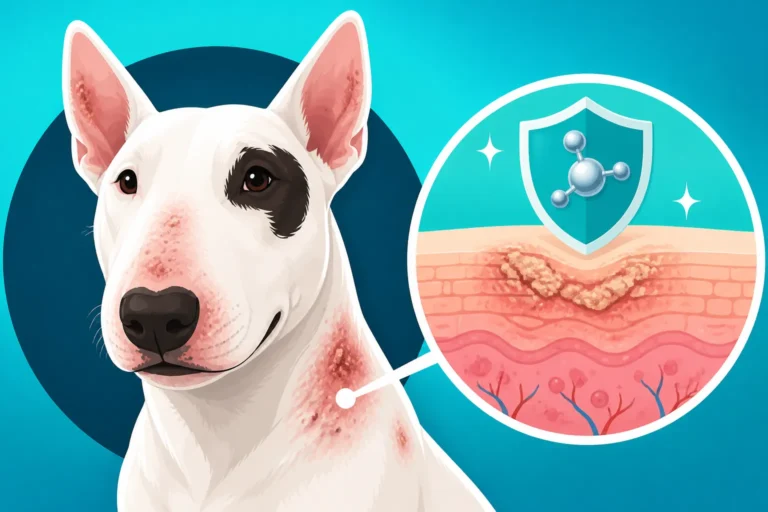
When we talk about skin cancer, a major factor for Bull Terriers, particularly the white ones, is their lack of pigment. Just like fair-skinned humans, white Bull Terriers have less melanin in their skin, which is the natural pigment that provides protection from the sun's harmful ultraviolet (UV) rays. This means their delicate pink skin is much more vulnerable to sun damage. You might have noticed how easily a white Bull Terrier sunburns if they spend too long basking in a sunny spot on the patio. This repeated sun exposure, especially without protection, significantly increases the risk of developing certain types of skin cancers over time.
Beyond just their color, there's also a genetic component and general breed predisposition to consider. Bull Terriers are known for having A Bull Terrier's Skin Is Its Weakest Point and are prone to various skin ailments, from allergies to demodectic mange. While these aren't directly cancerous, they mean owners are often already paying close attention to their dog's skin, which can be a good thing for early detection. The combination of genetic factors, sometimes environmental influences, and skin type can create a perfect storm for skin issues, including the more serious ones like cancer.
Common Types of Skin Cancer Bull Terriers Get
It might surprise you to learn that "skin cancer" isn't just one disease; it encompasses several different types, each with its own characteristics and typical behaviors. In Bull Terriers, just like other breeds, we tend to see a few types more commonly than others. Knowing what these are can help you be more informed when discussing concerns with your veterinarian.
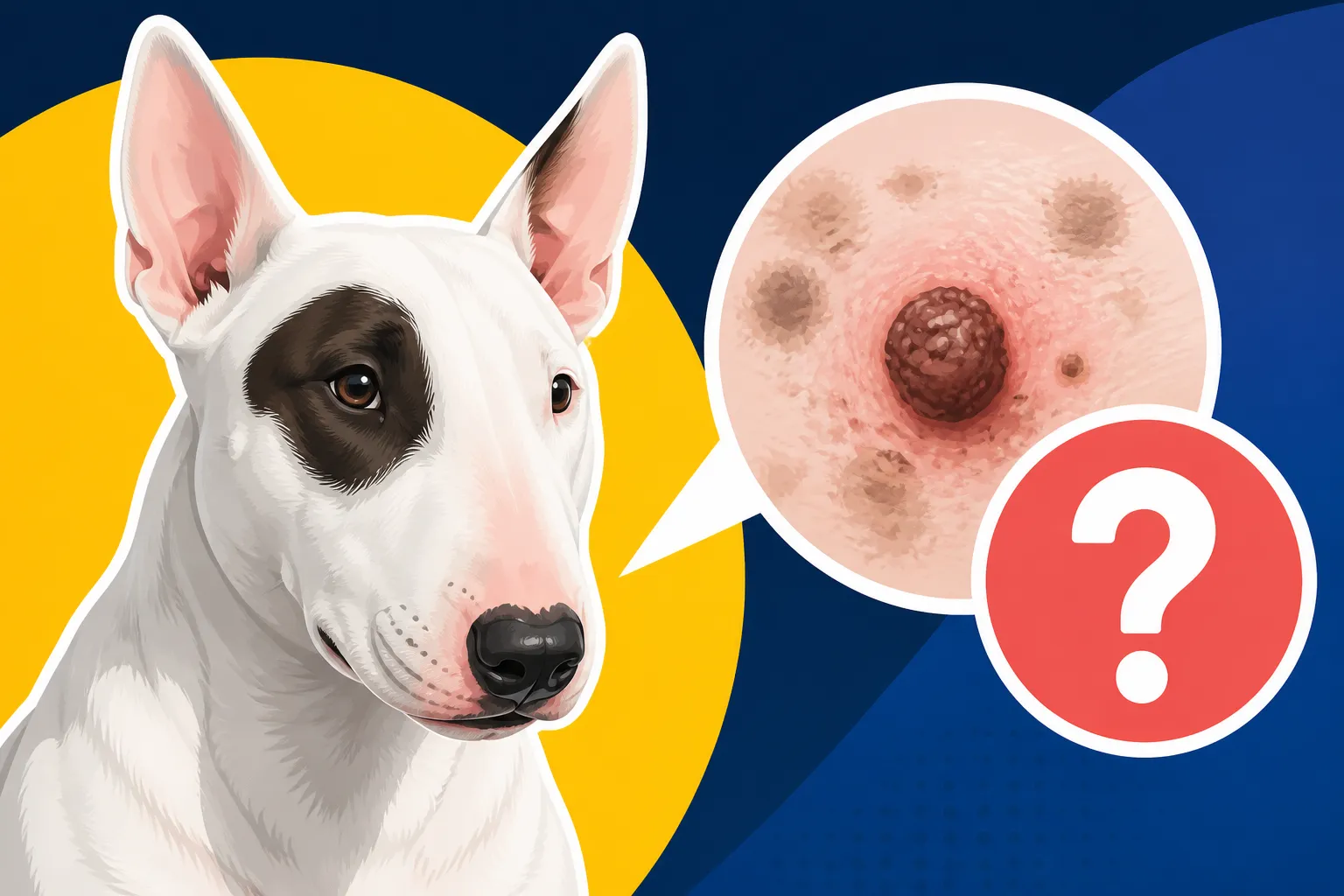
One of the most concerning types, especially for white Bull Terriers exposed to a lot of sun, is Squamous Cell Carcinoma (SCC). This nasty cancer is directly linked to sun exposure, often appearing on areas with sparse hair and light pigmentation, such as the nose, ear tips, eyelids, and abdomen. It can start as a small, red, crusty sore that looks like a non-healing wound or a wart. Owners might initially mistake it for an abrasion or an infection, but it just won't clear up, often bleeding and scabbing repeatedly.
Another prevalent type is Mast Cell Tumors (MCTs). These are notoriously unpredictable and can range from benign to highly aggressive. MCTs originate from mast cells, which are part of the immune system and found throughout the body, including the skin. On a Bull Terrier, an MCT might appear as a soft lump under the skin, or a firm, raised lesion, sometimes red and irritated. What makes them tricky is that they can change in size, sometimes appearing to shrink or swell, often due to manipulation (like when you're examining it) because the mast cells release histamine. They can be found anywhere on the body, making regular, thorough checks vital.
Then there's Melanoma, which many people associate with dark spots. While malignant melanomas are often dark (black or brown), they can sometimes be non-pigmented, making them harder to identify. In dogs, melanomas commonly occur in the mouth or on the toes, but they can also appear on the skin, particularly in areas with pigment or on the nail beds. These can be aggressive, so any new, rapidly growing, or oddly pigmented lump warrants immediate attention. While white Bull Terriers might seem less prone to pigmented tumors, they can still develop amelanotic melanomas, which lack color.
Other types like Basal Cell Tumors, Sebaceous Adenomas, and Lipomas (which are usually benign fatty tumors) also occur. While not all lumps are cancerous, being aware of the different possibilities means you can provide more information to your vet if you notice something amiss. Early detection truly makes all the difference, regardless of the type of cancer.
Recognizing the Signs and Symptoms of Skin Cancer
Finding an unusual lump or bump on your Bull Terrier can be alarming, and it's easy to dismiss it as "just a wart" or "a bug bite." However, being proactive and knowing what to look for is crucial. As Bull Terrier owners, we often have a very tactile relationship with our dogs, and this can be a huge advantage in spotting problems early.
What to Look For During Your Weekly Skin Checks
The best tool you have for early detection is your own hands. You should be performing The Weekly Skin Check Every Bull Terrier Needs as a regular part of your routine. This isn't just a quick pat-down; it's a thorough, head-to-tail examination of their skin. Start with the head, gently feeling around their ears, under their chin, and around their mouth. Pay close attention to areas that are frequently exposed to the sun, like the tips of their ears and their nose.
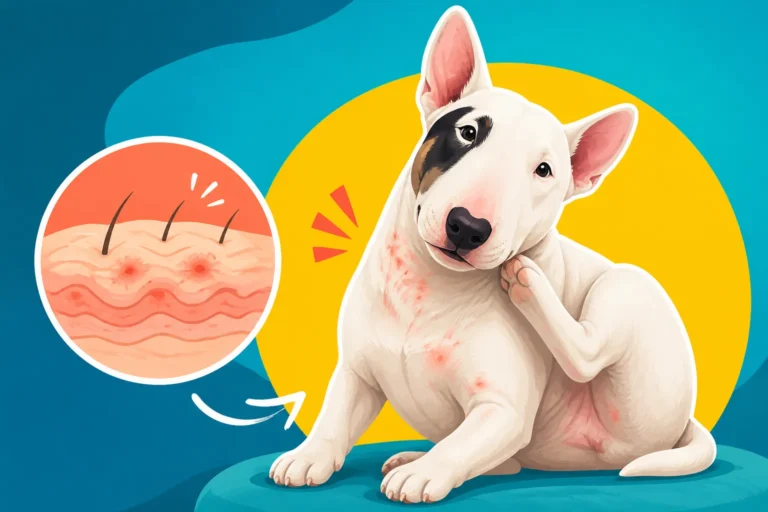
As you move down their body, systematically feel every inch of their skin. Look for anything that feels different – new lumps, bumps, or thickening of the skin. Note any changes in existing moles or skin tags. Sometimes, a suspicious lesion might not be a raised bump at all, but a flat, discolored patch or an area of skin that feels rough or scaly. On a white Bull Terrier, their pink belly and inner thighs are particularly exposed areas, so don't forget to examine those carefully. Lift their tail and check underneath, and don't forget their paws and between their toes.
It's not just about what you feel; it's also about what you see. Are there any sores that don't seem to heal? Any areas of redness, inflammation, or hair loss that persist? Sometimes, a subtle change in skin texture or color is the first clue. Keep a mental (or even better, a written) log of anything you find, noting its size, location, and date of discovery. This helps track changes over time and gives your vet valuable information.
When to Be Concerned About a Lesion
Not every lump or bump is a death sentence; many are benign and harmless, such as lipomas or cysts. However, there are specific characteristics that should immediately raise a red flag and prompt a visit to your veterinarian. Ignoring these signs can delay crucial treatment, so it’s always better to err on the side of caution.
One of the most important things to watch for is rapid growth. If a lump appears and seems to get noticeably larger in a matter of weeks or even days, that's a significant warning sign. Benign growths usually grow slowly, if at all. Similarly, if a lesion changes dramatically in color, shape, or texture, it warrants investigation. A previously benign mole that suddenly darkens, becomes irregular, or develops a crusty surface is concerning. You can learn more about How to Spot a Sun Damaged Patch on a Bull Terrier to differentiate those from potentially more serious growths.
Another major red flag is if a lesion is bleeding, oozing, or scabbing repeatedly and won't heal. Squamous cell carcinomas, in particular, often present as non-healing sores. If your Bull Terrier is constantly licking, chewing, or scratching at a particular spot, causing it to become inflamed or infected, that also merits a vet check. While irritation might be due to allergies, persistent itching focused on a new lump could also be indicative of an underlying issue like a mast cell tumor. Any signs of pain or discomfort when you touch the area should also prompt concern. It’s always best to have a professional eye evaluate anything suspicious rather than hoping it will just disappear.
Diagnosis and Treatment Options for Bull Terrier Skin Cancer
When you find something concerning on your Bull Terrier's skin, the next step is a trip to the vet. This can be nerve-wracking, but remember that veterinarians are equipped with the tools and knowledge to accurately diagnose and recommend the best course of action.
The Vet Visit and Diagnostic Process
Your vet will start with a thorough physical examination, feeling all over your dog's body for any other lumps or abnormalities. They'll ask you about the history of the lesion – when you first noticed it, if it's grown, if your dog is bothering it, and any other relevant observations. Be prepared to provide details from your weekly skin checks, including any photos you might have taken to document its progression.
The next step usually involves collecting a sample for analysis. The most common initial test is a Fine Needle Aspirate (FNA). This involves using a small needle to extract cells directly from the lump. The collected cells are then smeared onto a slide and examined under a microscope by a pathologist. An FNA is quick, minimally invasive, and can often be done during a regular office visit without sedation. It's excellent for identifying certain types of tumors, like mast cell tumors or lipomas. However, FNAs aren't always definitive, especially for tumors that don't exfoliate cells well or if the sample is not representative.
If the FNA is inconclusive or if the vet suspects a more complex tumor, a biopsy will be recommended. This involves surgically removing a small piece of the lump, or sometimes the entire lump, for microscopic examination. A biopsy provides a more definitive diagnosis and can determine the type of cancer, its grade (how aggressive it appears), and whether the margins are clear (meaning all cancerous cells were removed if the entire lump was excised). You might be wondering What a Bull Terrier's Skin Biopsy Costs, as this can be a significant consideration for owners. Your vet will discuss sedation or anesthesia options and potential costs beforehand.
Treatment Approaches
Once a diagnosis is confirmed, your vet will discuss the best treatment plan for your Bull Terrier, which will depend on the type of cancer, its location, size, grade, and whether it has spread. For many skin cancers, especially if caught early, surgical removal is the primary and often curative treatment. The goal is to remove the entire tumor with clean margins, ensuring no cancerous cells are left behind. For more aggressive tumors, or those located in tricky areas, a specialist might be recommended. You might even consult What a Bull Terrier's Dermatologist Charges if the case is particularly complex or involves extensive skin reconstruction.
In cases where surgery isn't possible (due to tumor location or size) or if the cancer is aggressive and has a high chance of recurrence or spread, other therapies might be considered. Radiation therapy uses high-energy rays to target and destroy cancer cells, often used after incomplete surgical removal or for tumors that cannot be surgically excised. Chemotherapy involves medications that kill cancer cells throughout the body and is typically used for systemic cancers or highly aggressive local tumors with a high metastatic potential.
Less common but still viable options can include cryotherapy (freezing the tumor) for small, superficial lesions, or immunotherapy (using the body's own immune system to fight cancer). The decision for treatment is highly individualized. Your vet will guide you through the pros and cons of each option, considering your Bull Terrier's overall health and quality of life. While these treatments can be expensive, remember that pet insurance providers like Healthy Paws can offer crucial support in managing unexpected veterinary bills, especially for conditions like cancer.
Preventative Measures and Long-Term Skin Health
While we can't completely eliminate the risk of cancer, there are definitely things we can do as Bull Terrier owners to reduce the chances of skin cancer developing and to ensure we catch anything suspicious as early as possible.
Sun Protection Strategies
For white Bull Terriers, sun protection is not just a suggestion; it's a necessity. Their delicate skin, especially on areas with minimal hair, is highly susceptible to sun damage. You've probably already experienced Why a White Bull Terrier Sunburns if you've allowed them to lounge outside for too long on a sunny day. The most straightforward strategy is simply limiting sun exposure during peak UV hours, which are typically between 10 AM and 4 PM. If your Bull Terrier loves to sunbathe, encourage them to do so in shaded areas, or bring them inside during the hottest part of the day.
Another effective measure is the use of dog-specific sunscreen. Never use human sunscreen on your Bull Terrier, as many ingredients can be toxic if ingested. Look for pet-safe sunscreens with zinc oxide and titanium dioxide (non-nano formulations are generally preferred), and apply it liberally to their ears, nose, belly, and any areas where their fur is sparse. Reapply often, especially if they are active or swimming. Many owners also find that dressing their white Bull Terriers in lightweight, UV-protective clothing is a game-changer. Consider Whether a Bull Terrier Should Wear a Shirt in Summer for longer outdoor adventures. Even a simple T-shirt can offer a good barrier for their back and belly.
Creating shade in your yard, whether through awnings, umbrellas, or strategically planted trees, is also beneficial. The goal is to minimize the amount of direct, unfiltered sunlight hitting their skin. Consistency with these preventative steps can significantly lower the risk of sun-induced skin cancers like squamous cell carcinoma over their lifetime. Remember, even on cloudy days, UV rays can still penetrate, so don't let your guard down!
Regular Monitoring and Early Detection
Beyond sun protection, the most powerful tool you have for managing your Bull Terrier's skin health is vigilant and consistent monitoring. Those weekly skin checks aren't just for puppies; they are essential throughout your dog's entire life, especially as they get older. As your Bull Terrier enters their senior years, Caring for a Bull Terrier Past Eight becomes even more critical, and regular skin checks are a huge part of that. Early detection of any skin abnormality, cancerous or not, significantly improves the chances of successful treatment.
Don't hesitate to take a picture of any new lump, bump, or lesion you find, noting its size and exact location. This allows you to track its changes over time and provides valuable information for your veterinarian. If you notice any of the concerning signs we discussed earlier – rapid growth, changes in color or texture, bleeding, or non-healing sores – don't wait. Schedule a vet appointment right away. Even if it turns out to be nothing serious, the peace of mind is invaluable, and if it is something serious, you've given your Bull Terrier the best possible chance.
Regular veterinary check-ups are also crucial. Your vet will perform a comprehensive physical exam during these visits, often catching things you might have missed. Discuss any skin concerns you have with them, no matter how small they seem. Ensuring your Bull Terrier receives What a Bull Terrier's Yearly Bloodwork Should Cover also provides a broader picture of their overall health, which is important when considering treatment options for any condition, including cancer. Proactive care and a keen eye are your Bull Terrier's best allies against skin cancer.
| Skin Cancer Type | Common Appearance | Common Locations in Bull Terriers | Key Concern |
|---|---|---|---|
| Squamous Cell Carcinoma | Non-healing sore, red, crusty, raised, wart-like | Nose, ear tips, eyelids, belly, sparsely haired areas | Linked to sun exposure, can be locally invasive |
| Mast Cell Tumor | Lumps (soft to firm), often red/irritated, variable in size | Anywhere on skin, sometimes changes size with manipulation | Highly unpredictable, can be aggressive and metastasize |
| Melanoma | Dark (black/brown) or non-pigmented lumps/masses | Mouth, nail beds, skin (especially pigmented areas) | Can be aggressive, especially in oral/digit locations |
| Basal Cell Tumor | Firm, raised, hairless lump, sometimes ulcerated | Head, neck, shoulders | Usually benign, but can be malignant (less common) |
| Lipoma | Soft, movable, non-painful fatty lump | Under the skin, common on trunk and limbs | Generally benign, but can grow large and interfere with movement |
Disclaimer
The information provided in this article is for general informational purposes only and is not a substitute for professional veterinary advice. Always consult with a qualified veterinarian for any health concerns or before making any decisions related to your Bull Terrier's health or treatment.