Whether a White Bull Terrier Needs Sunscreen
It's a heartbreaking reality for many Bull Terrier owners, especially those with dazzling white dogs, to see their beloved companion suffer from red, painful sunburns after what seemed like a harmless afternoon outside. You worry constantly about their delicate skin, knowing it's not just discomfort but a gateway to more serious health issues down the line. This guide is here to shed light on why your white Bull Terrier is particularly vulnerable to the sun's rays and, more importantly, what actionable steps you can take to protect them from harm.
Why White Bull Terriers Have Unique Skin Vulnerabilities
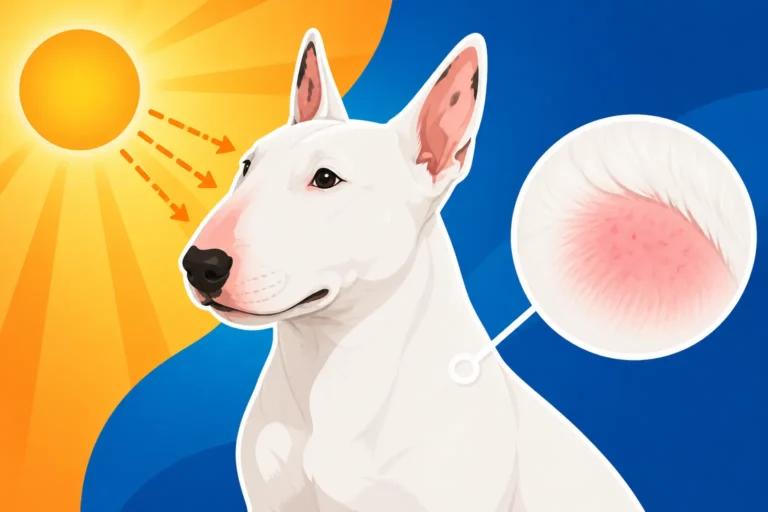
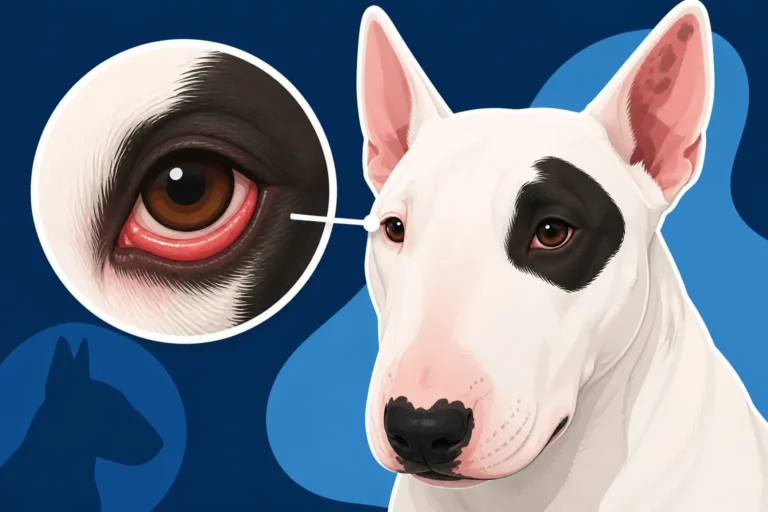
Let's face it, that striking, pristine white coat is one of the most iconic features of a Bull Terrier, but beneath that short, sleek fur lies a secret vulnerability: delicate, often pink skin. Unlike their colored counterparts, white Bull Terriers lack significant melanin in their skin. Melanin is that wonderful natural pigment that gives skin, hair, and eyes their color, and crucially, it acts as a dog's built-in sunscreen, absorbing and scattering harmful UV radiation. Without it, their skin is essentially naked to the sun's harsh rays.
The Melanin Deficiency in White Coats
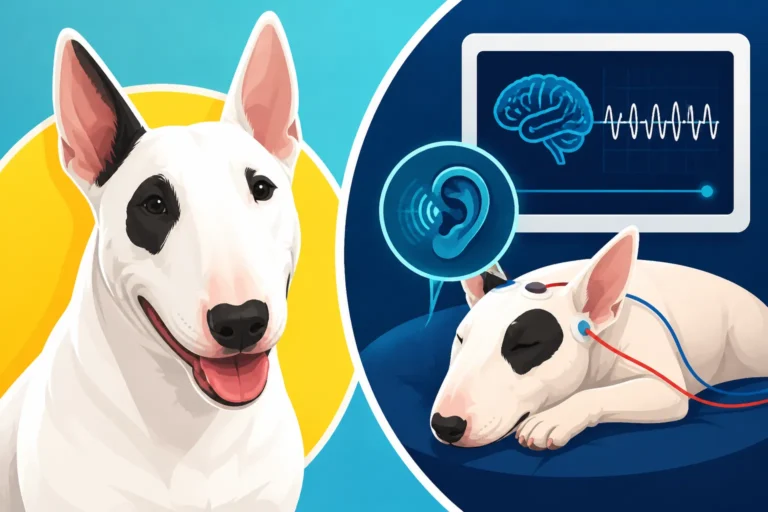
The genetic trait that gives a Bull Terrier its stunning white coat is directly linked to a deficiency in melanin production. This isn't just about the hair shafts; it extends to the skin underneath, the nose, and often the paw pads. Think of it this way: imagine a person with very fair skin, blonde hair, and blue eyes. They burn easily, right? Your white Bull Terrier is in a very similar boat. Their skin simply doesn't have the natural defense mechanism that darker-pigmented skin possesses. This makes them far more susceptible to sunburn and the cumulative damage it can cause over time. It’s not just a minor irritation; it's a significant health concern that requires proactive management. This inherent lack of protection is a primary reason why a white Bull Terrier should be BAER tested, as the gene responsible for white coats and blue eyes is also linked to deafness.
Thin Coats and Exposed Areas
Adding to the melanin deficiency, Bull Terriers have a short, single coat that offers minimal protection. Unlike breeds with thick double coats that provide a dense barrier against the elements, a Bull Terrier's coat is fine and lies close to the body. This means UV rays can penetrate directly to the skin, especially in areas where the hair is thinnest or sparse. Common trouble spots include the bridge of the nose, the tips of their upright ears, their bellies, inner thighs, and anywhere they have less hair, like under their arms. Even areas that seem adequately covered can still be vulnerable if the sun's intensity is high. Owners often observe why a white Bull Terrier's pink belly needs covering, precisely because these areas are so exposed.
Consider your dog lounging in a sunbeam on the patio – a seemingly innocent pleasure. While it might feel good to them at the moment, that direct exposure, especially on their thinly furred belly, is cooking their unprotected skin. This is a far cry from a breed like a Husky, whose dense fur acts like a personal sun umbrella. With a Bull Terrier, particularly a white one, you're looking at a sleek design that simply wasn't built for prolonged, direct sun exposure. Their skin is their weakest point, requiring diligent care.
The Very Real Dangers of Sun Exposure for White Bull Terriers
It’s easy to dismiss a little redness as just "a bit of a tan" or a minor burn, but for white Bull Terriers, consistent or severe sun exposure carries significant health risks. These aren't just cosmetic issues; they can lead to chronic pain, costly veterinary interventions, and even life-threatening conditions. Understanding these dangers can help underscore the importance of preventative measures.
Painful Sunburn and Dermatitis
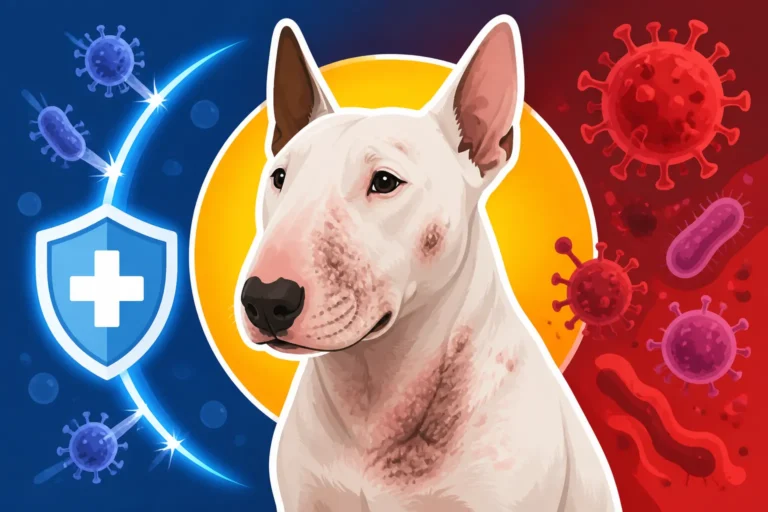
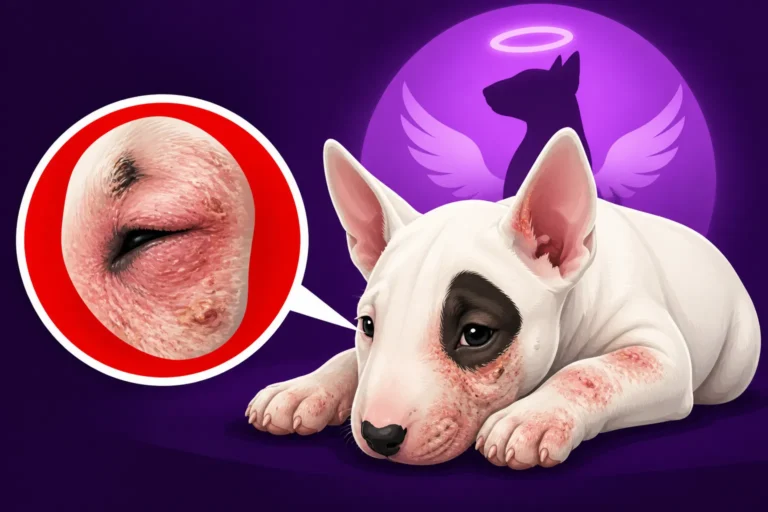
Just like us, dogs can get excruciating sunburns. A white Bull Terrier's delicate skin can turn red, blister, and peel, causing intense pain and discomfort. This isn't just a temporary ache; severe sunburns can lead to secondary bacterial infections if the skin breaks, turning a simple burn into a full-blown dermatological emergency. The initial redness you see is a sign of inflammation, and prolonged inflammation can lead to chronic skin irritation, thickened skin, and even further predisposition to future burns.
Imagine your Bull Terrier, usually so full of bounce and mischief, becoming withdrawn, refusing to lie down comfortably, or constantly licking and scratching at irritated areas. This is the reality of severe sunburn. It can make everyday activities, like lying in their favorite spot or even being gently petted, incredibly painful. Over time, repeated damage from the sun can also exacerbate existing skin sensitivities or trigger new ones, making their skin even more reactive and prone to issues. Owners should be especially vigilant and perform a weekly skin check every Bull Terrier needs to catch any issues early.
Increased Risk of Skin Cancer
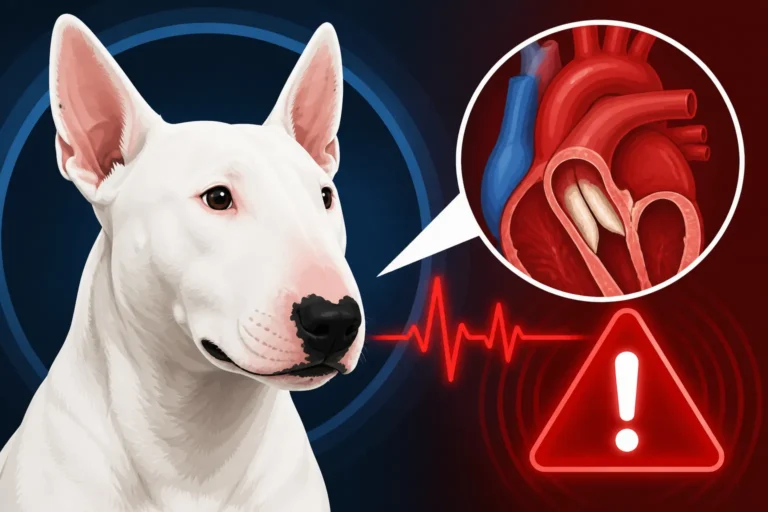
This is perhaps the most serious consequence of unchecked sun exposure for white Bull Terriers. The cumulative effect of UV radiation on their unprotected skin significantly increases their risk of developing various forms of skin cancer, including squamous cell carcinoma and hemangiosarcoma. These cancers can be aggressive and difficult to treat, often requiring extensive surgery, chemotherapy, or radiation.
Squamous cell carcinoma often appears as non-healing sores, crusty patches, or raised bumps, particularly on the nose, ear tips, and other sparsely haired areas. Hemangiosarcoma is a more aggressive vascular cancer that can affect the skin, but also internal organs, and its prognosis is often poor. The frightening thing is that these cancers often start small and can be mistaken for benign skin lesions until they have progressed. Early detection is crucial, which highlights the need for regular veterinary check-ups and vigilance at home. Learning how to spot a sun damaged patch on a Bull Terrier is a critical skill for any owner. The financial implications of treating these conditions can also be staggering, sometimes running into thousands of dollars, making pet insurance like Healthy Paws a wise consideration for covering unexpected, serious illnesses.
Long-Term Damage and Chronic Conditions
Beyond immediate sunburn and the risk of cancer, persistent sun exposure contributes to a host of other long-term skin problems. The skin can become prematurely aged, thick, and leathery, losing its elasticity. Chronic solar dermatitis, a persistent inflammation caused by UV light, can lead to recurrent infections, hyperpigmentation (darkening of the skin in irregular patches), and general poor skin health. This can be a frustrating cycle for owners, as chronic skin issues often require ongoing management with special shampoos, medications, and dietary supplements, adding to the daily care routine and overall costs.
Think of it as accelerating the aging process for their skin, similar to how excessive sunbathing can prematurely age human skin. This chronic damage compromises the skin's barrier function, making your Bull Terrier more susceptible to other dermatological conditions, even those unrelated to the sun. It’s a vicious cycle that can significantly diminish your dog's quality of life and present an ongoing challenge for their well-being.
Practical Strategies to Protect Your White Bull Terrier from the Sun
Protecting your white Bull Terrier from the sun doesn't have to be complicated, but it does require consistency and a multi-faceted approach. It's about creating a lifestyle that minimizes their risk while still allowing them to enjoy the outdoors. Think of these strategies as building layers of defense against harmful UV rays.
Timing Outdoor Activities Wisely
One of the easiest and most effective ways to protect your Bull Terrier is to adjust your schedule. The sun's UV rays are strongest between 10 AM and 4 PM. This is prime time for sun damage. Instead, aim for walks and outdoor playtime in the early morning or late afternoon/early evening. These times typically offer cooler temperatures and significantly less intense UV radiation.
For example, instead of a midday walk around Central Park, plan a brisk morning stroll before 9 AM or an evening adventure after 5 PM. This simple shift can drastically reduce their exposure to the most damaging rays. If your Bull Terrier has access to a yard, ensure they have ample shade during peak hours, or better yet, bring them indoors. Remember, even on cloudy days, a significant amount of UV radiation can penetrate the clouds, so don't let an overcast sky lull you into a false sense of security.
Providing Ample Shade and Shelter
When your Bull Terrier is outdoors, always ensure they have immediate access to cool, dense shade. This isn't just about comfort; it's a vital layer of protection. A sturdy umbrella, a pop-up canopy, or a shady tree can make all the difference. For dogs who spend time in the yard, ensure their dog house or preferred lounging spot is always in the shade, ideally with plenty of air circulation to prevent overheating.
If you're at the beach or a park, actively seek out shaded areas for your Bull Terrier to rest. Don't assume they'll move themselves; many dogs will happily bake in the sun until they're dangerously overheated or sunburned. Portable shade solutions are excellent investments for active owners. Think about those pop-up tents or large outdoor umbrellas. It's about creating a safe haven for them wherever they might be outdoors.
Protective Clothing and Gear
Yes, dog clothing isn't just for fashion! For white Bull Terriers, specially designed UV-protective clothing can be a game-changer. These include lightweight shirts, bodysuits, and even hats that cover their sensitive ears and noses. Look for fabrics with an Ultraviolet Protection Factor (UPF) rating, similar to what you'd find in human athletic wear.
For areas like the nose and ear tips, hats designed for dogs can provide crucial shade. Brands like Ruffwear and Hurtta offer excellent quality sun-protective gear that is comfortable and durable. While it might seem a bit much at first, a well-fitting sun shirt can provide continuous protection without the need for constant reapplication of sunscreen. It's particularly useful for long outdoor adventures where consistent sunscreen application might be challenging. Owners might find that a Bull Terrier needs a shirt in summer, not just for style, but for essential protection.
Using Dog-Specific Sunscreen
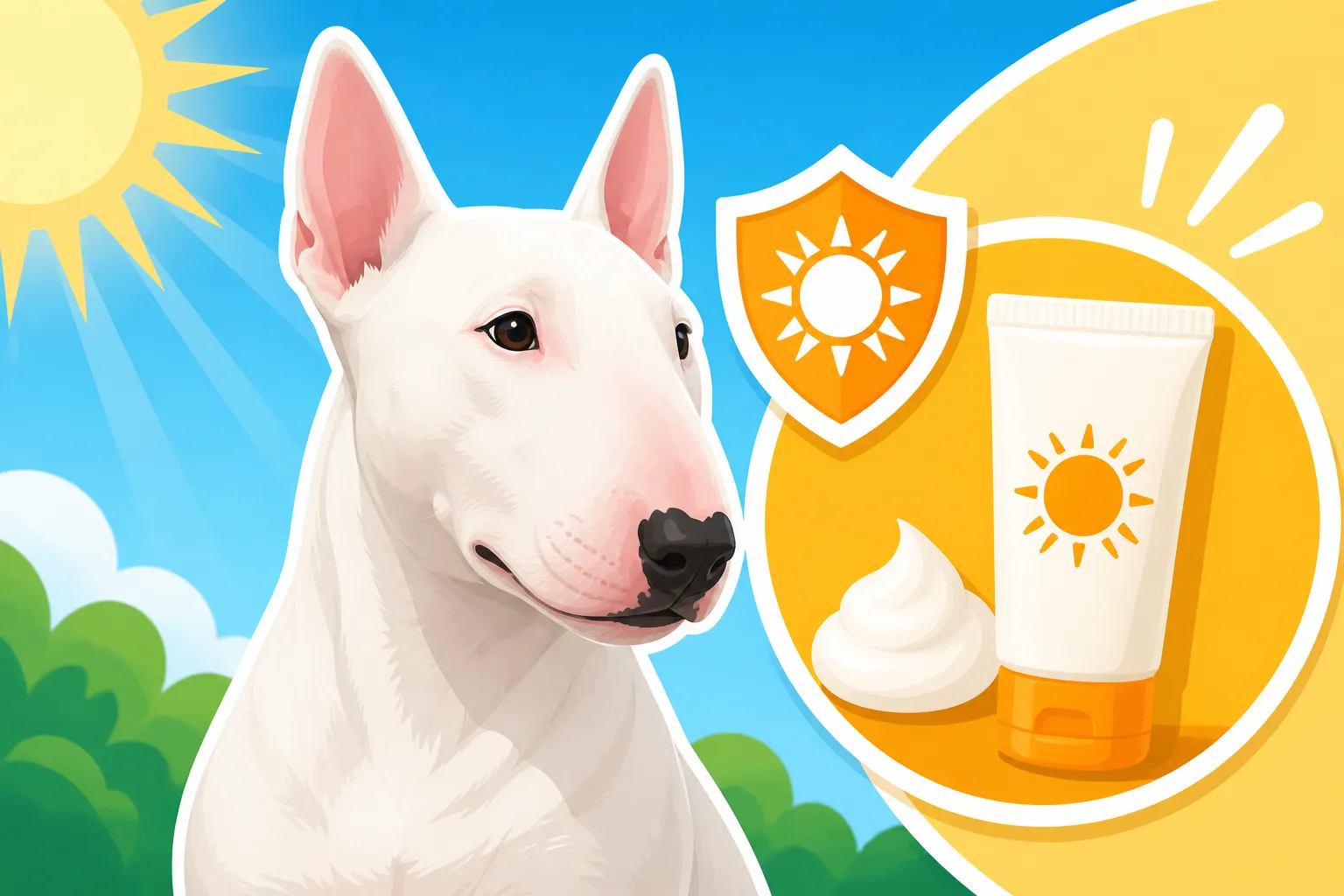
This is where things can get a little tricky but are absolutely essential. Not all sunscreens are safe for dogs. You must use a product specifically formulated for canines. Human sunscreens often contain ingredients like zinc oxide and para-aminobenzoic acid (PABA), which are toxic to dogs if ingested. Since dogs inevitably lick themselves, choosing a dog-safe option is non-negotiable.
Look for sunscreens that are fragrance-free, non-greasy, and labeled "dog-safe." When applying, focus on those high-risk areas: the bridge of the nose, ear tips, belly, inner thighs, and any areas with sparse hair or pink skin. Reapply frequently, especially after swimming or vigorous activity. Think of it as another vital component of your weekly skin care routine for your Bull Terrier.
Here's a quick comparison of common sun protection methods:
| Protection Method | Pros | Cons | Ideal Use Case |
|---|---|---|---|
| Timing Activities | Free, natural, helps prevent overheating | Limits daytime outdoor fun, requires schedule adjustment | Daily walks, yard time |
| Shade & Shelter | Natural, passive, offers cooling | Requires existing structures or portable solutions | Backyard, park visits, outdoor events |
| Protective Clothing | Consistent, physical barrier, stylish options | Can be warm, some dogs dislike wearing clothes, needs cleaning | Extended outdoor adventures, highly exposed areas |
| Dog Sunscreen | Direct protection on vulnerable skin | Requires frequent reapplication, must be dog-specific, potential ingestion | Nose, ear tips, belly, specific pink skin patches |
Choosing and Applying Safe Sunscreen for Your Bull Terrier
Navigating the world of dog sunscreen can feel a bit overwhelming with so many products out there, but with a few key guidelines, you can confidently select and apply a product that keeps your white Bull Terrier safe.
Ingredients to Look For and Avoid
When you're scrutinizing those tiny ingredient lists, remember your dog's safety is paramount.
Ingredients to seek out:
- Titanium Dioxide: This is a mineral-based sunscreen that creates a physical barrier on the skin. It's generally considered safe for dogs, as it's not absorbed into the bloodstream.
- Zinc Oxide (in human products): While common in human sunscreens, it is toxic to dogs if ingested, leading to zinc poisoning. Absolutely avoid human sunscreens containing zinc oxide. However, some specialized dog sunscreens might use it in a formulation deemed safe due to non-absorption or very low concentration. Always stick to products explicitly labeled for dogs.
- Moisturizing Agents: Ingredients like aloe vera (in small, safe quantities), vitamin E, or various plant oils can be beneficial to soothe and moisturize the skin while protecting it.
- Water-Resistant Formulas: If your Bull Terrier loves to splash or gets wet frequently, a water-resistant formula will offer better, longer-lasting protection.
Ingredients to strictly avoid:
- Zinc Oxide (in general human sunscreens): As mentioned, this is a big no-no for dogs because of the risk of ingestion.
- PABA (Para-aminobenzoic acid): Another common human sunscreen ingredient that can be toxic to dogs.
- Oxybenzone: This chemical filter is absorbed into the skin and can cause irritation or allergic reactions in sensitive dogs.
- Fragrances and Dyes: These additives can be irritants for dogs with sensitive skin, which many Bull Terriers already possess. Opt for unscented, natural options.
- Alcohol: Can be drying and irritating to your dog's skin.
Brands like Epi-Pet Sun Protector Spray, My Dog Nose It! Sun Protection, and veterinarian-formulated options are often good places to start your search. Always read reviews and consult your vet if you're unsure about a product.
Proper Application Techniques
Applying sunscreen to a wiggling Bull Terrier can be a bit of an art form, but getting it right ensures maximum protection.
- Spot Test First: Before slathering it everywhere, apply a tiny amount to a small, inconspicuous area of your dog's skin (like a patch on their inner thigh) and wait 24 hours. Check for any redness, irritation, or allergic reactions.
- Focus on Vulnerable Areas: Concentrate on the areas most exposed and least protected: the bridge of the nose, ear tips, around the eyes (be careful not to get it in their eyes), belly, groin, inner thighs, and any areas where the fur is sparse or the skin is visibly pink.
- Use a Small Amount: Don't go overboard. A thin, even layer is sufficient. Gently rub it in until it's absorbed or largely disappears.
- Distract and Reward: Make it a positive experience! Use treats, praise, or their favorite toy to distract them during application. A Kong filled with peanut butter can be a lifesaver.
- Reapply Frequently: Sunscreen isn't a "one-and-done" solution. Reapply every 2-4 hours, or more often if your dog has been swimming, rolling in the dirt, or licking the treated areas.
- Avoid Excessive Licking: While you choose dog-safe sunscreen, discouraging excessive licking after application is still a good idea. Give them a few minutes for it to absorb, or distract them with a game or a chew.
Remember, sunscreen is a tool, not a magic shield. It works best in conjunction with other protective measures like seeking shade and timing outdoor activities. Keeping your white Bull Terrier safe from the sun is an ongoing commitment, but it's one that prevents a lot of pain and potential long-term health issues for your beloved companion. And should your best efforts not be enough, knowing you have comprehensive pet insurance like Healthy Paws can certainly bring peace of mind if serious issues arise from sun damage.
Disclaimer
The information provided in this article is for general informational purposes only and is not a substitute for professional veterinary advice. Always consult with a qualified veterinarian for any health concerns or before making any decisions related to your Bull Terrier's health and care.