Whether a Bull Terrier Should Have an MRI
When your lively, robust Bull Terrier suddenly starts showing concerning symptoms like a wobbly gait, unexplained pain, or even seizures, it can be incredibly distressing. You know your dog’s quirks, and when something feels truly wrong, the thought of advanced diagnostics like an MRI often comes up. This guide aims to thoroughly explore when a Bull Terrier might truly need an MRI, what the procedure entails, and how to navigate the complex decisions involved.
Understanding When a Bull Terrier Might Need an MRI
The decision to pursue an MRI for your Bull Terrier is a significant one, both medically and financially. It’s not a routine test, and veterinarians usually recommend it when less invasive diagnostics haven’t provided clear answers or when the signs point strongly towards a complex neurological or orthopedic issue.
Neurological Symptoms That Warrant Investigation
Bull Terriers are known for their unique personalities and sometimes their quirky behaviors, but certain neurological signs are always cause for concern. If your Bull Terrier suddenly develops weakness in their limbs, seems uncoordinated, or starts stumbling, these are strong indicators that something serious might be going on with their brain or spinal cord. Paralysis, even partial, is an emergency. Seizures are another big one – while some seizures can be managed with medication, recurring or severe seizures often necessitate an MRI to look for underlying causes like brain tumors, inflammation, or structural abnormalities.
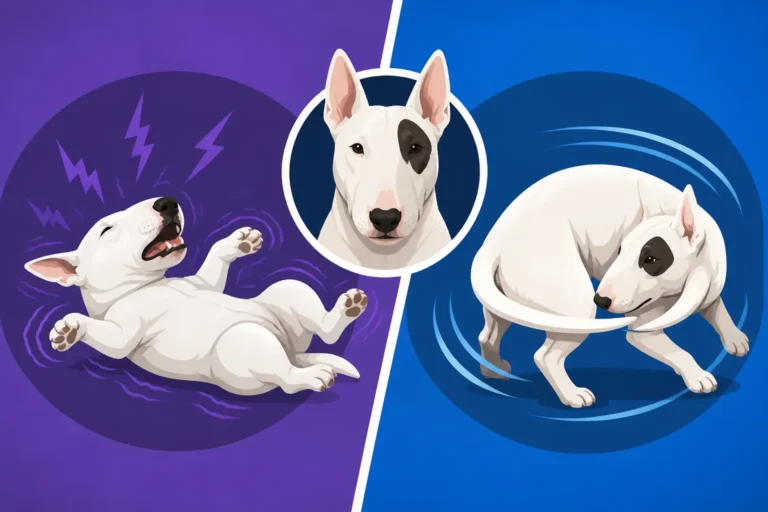
Think about your dog's typical antics. Is their famous "zoomie" suddenly ending in a collapse? Is their head tilt more pronounced than just a curious look, perhaps accompanied by circling or nystagmus (involuntary eye movement)? Even profound behavioral changes, like sudden aggression, disorientation, or an extreme increase in anxiety, can sometimes stem from neurological problems within the brain. It's crucial to differentiate these from common Bull Terrier behaviors. For instance, sometimes intense behaviors like Why a Bull Terrier Chases Its Tail might be misunderstood, but if it suddenly changes in intensity, frequency, or is accompanied by other neurological signs, it's worth a closer look. Similarly, if you’re trying to understand How a Bull Terrier Seizure Differs From a Spin, an MRI can be a definitive diagnostic tool to distinguish between behavioral issues and neurological events like epilepsy.
Unexplained Pain or Lameness
Sometimes, the signs aren't so overtly neurological but still point to deep-seated issues that only an MRI can truly illuminate. If your Bull Terrier is experiencing chronic or severe pain that your vet can't pinpoint with regular examinations or X-rays, an MRI becomes a powerful tool. This is especially true for persistent lameness where no fractures or obvious joint problems are visible. Perhaps your dog yelps when jumping on the couch, or refuses to go up stairs, despite appearing outwardly fine.
An MRI excels at visualizing soft tissues, which means it can detect issues like intervertebral disc disease (IVDD), pinched nerves, muscle tears, ligament injuries, or even subtle tumors within muscles, bones, or joint capsules that other imaging methods simply can't pick up. For a muscular, active breed like the Bull Terrier, minor injuries can often mask more significant underlying problems, and their high pain tolerance can sometimes delay detection. If your Bull Terrier is showing signs of discomfort or changes in movement, and your vet suspects something beyond a simple strain, an MRI offers unparalleled detail to get to the root of the problem.
When Other Diagnostics Fall Short
It's natural to start with the least invasive and most cost-effective diagnostic tools first. This usually includes a thorough physical exam, blood work, and X-rays. While these are incredibly useful, they have their limitations. X-rays, for example, are excellent for bone structures but provide very little detail about soft tissues like the brain, spinal cord, nerves, muscles, tendons, and ligaments.
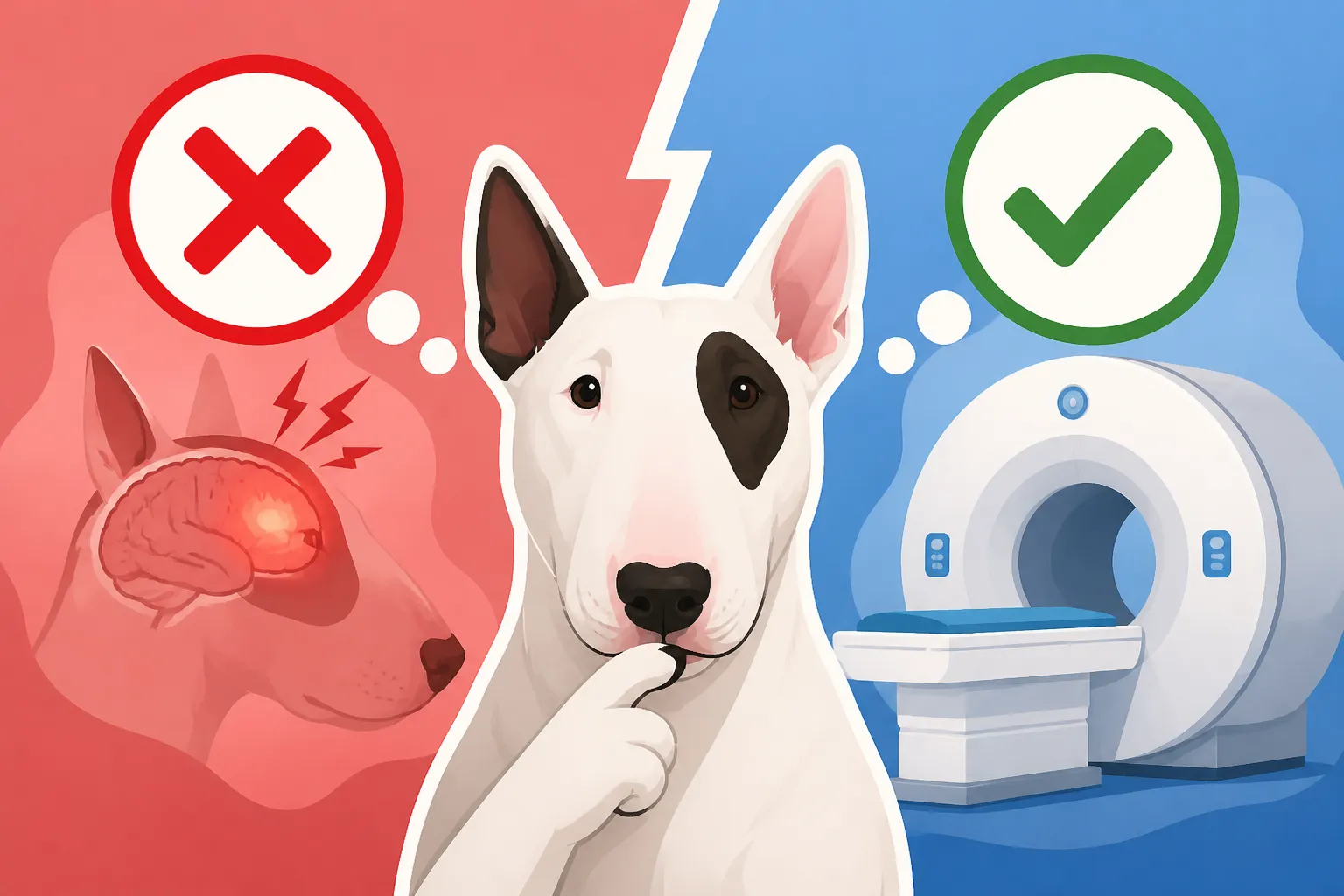
Even a CT (Computed Tomography) scan, while offering more detailed cross-sectional images than X-rays, still isn't as good as an MRI for soft tissue contrast. Imagine trying to see the intricate details of a spider web in a dimly lit room with just a flashlight (X-ray) versus a spotlight (CT scan) versus a full daylight view (MRI). For neurological issues, where even subtle inflammation, fluid accumulation, or tiny lesions in the brain or spinal cord can cause significant symptoms, the superior soft tissue contrast of an MRI is often indispensable. It's the gold standard for diagnosing conditions like brain tumors, syringomyelia, and complex disc issues. If your Bull Terrier has undergone preliminary tests, and your vet is still scratching their head, an MRI is usually the next logical step to gain clarity.
What to Expect from a Bull Terrier MRI Procedure
Once you and your veterinarian decide that an MRI is the necessary next step for your Bull Terrier, it’s helpful to understand the practicalities of the procedure. It’s not just a quick scan; it involves careful preparation and considerable coordination.
The Anesthesia Challenge for Bull Terriers
One of the biggest concerns for any pet owner considering an MRI is the necessity of general anesthesia. An MRI machine requires the patient to remain perfectly still for an extended period, which means sedation isn't enough – full anesthesia is required. While Bull Terriers are generally robust dogs, anesthesia always carries a degree of risk, especially for older dogs or those with underlying health conditions.
Before any anesthetic procedure, your Bull Terrier will undergo a comprehensive pre-anesthetic workup. This typically includes blood tests to check organ function, especially the kidneys and liver, and a thorough physical examination. For Bull Terriers, who can be predisposed to certain heart conditions, a cardiac workup might also be recommended. For example, knowing The Heart Murmur a Bull Terrier Puppy Should Be Checked For and ensuring no significant cardiac issues are present is vital. Vets will often perform an ECG (electrocardiogram) or even suggest an echocardiogram if a murmur is detected. This rigorous screening helps to identify any potential risks and allows the veterinary team to tailor the anesthetic protocol specifically for your Bull Terrier, making it as safe as possible. Modern veterinary anesthesia is incredibly advanced, with dedicated monitoring equipment and personnel overseeing your dog's vital signs throughout the entire procedure.
The MRI Process Itself
Once your Bull Terrier is safely under general anesthesia, they will be carefully positioned on a specialized table that slides into the MRI machine. The machine itself is a large, tunnel-like device that uses powerful magnets and radio waves to create detailed images of the body's internal structures. Unlike X-rays or CT scans, an MRI does not use ionizing radiation.
The entire scanning process can take anywhere from 45 minutes to a couple of hours, depending on the area being scanned and the complexity of the suspected issue. During this time, a veterinary technician will continuously monitor your Bull Terrier's heart rate, breathing, blood pressure, and oxygen levels. The machine itself is quite noisy, emitting loud banging and whirring sounds, which is another reason why anesthesia is crucial. Sometimes, a contrast agent, usually gadolinium, is injected intravenously during the scan. This helps highlight specific structures, inflammation, or tumors, making them more visible on the images. After the scan, your Bull Terrier will be carefully monitored during recovery from anesthesia before you can take them home, typically later the same day.
Costs and Financial Considerations
Let's be blunt: an MRI for a Bull Terrier (or any dog) is not cheap. The cost can vary significantly based on your geographic location, the veterinary specialty center, the size of your dog, the area of the body being scanned, and whether a contrast agent is used. Generally, you can expect an MRI to cost anywhere from $2,500 to $5,000 or even more. This price usually includes the anesthesia, the scan itself, interpretation by a board-certified veterinary radiologist, and sometimes an overnight stay for monitoring.
This substantial expense is often one of the biggest roadblocks for owners. It's why many experienced Bull Terrier owners strongly advocate for pet insurance. Companies like Healthy Paws can be lifesavers in these situations, helping to cover a significant portion of unexpected veterinary bills for advanced diagnostics and treatments. Planning for the possibility of such costs is part of Insuring a Bull Terrier Against What It Actually Gets, and many owners find peace of mind knowing they won't have to make decisions based solely on finances during an emotional time. It's a tough pill to swallow, but understanding the financial implications upfront can help you prepare.
| Diagnostic Imaging Type | What it's Best For | Pros | Cons | Typical Cost (Estimate) |
|---|---|---|---|---|
| X-ray (Radiograph) | Bones, foreign objects, organ size/shape (basic overview) | Widely available, quick, relatively inexpensive | Poor soft tissue detail, uses radiation | $100 – $300 |
| CT (Computed Tomography) | Detailed bone images, some soft tissue (e.g., lungs, complex fractures) | Better bone detail than X-ray, faster than MRI, good for chest/abdomen | Still limited soft tissue contrast compared to MRI, uses radiation, requires anesthesia | $1,000 – $2,500 |
| MRI (Magnetic Resonance Imaging) | Brain, spinal cord, nerves, muscles, tendons, ligaments, soft tissue tumors | Gold standard for soft tissue detail, no radiation | Expensive, long scan time, requires general anesthesia, less available | $2,500 – $5,000+ |
Interpreting MRI Results and Next Steps
Getting the MRI results for your Bull Terrier can feel like a lifetime, filled with anxiety and hope. Once the images are reviewed by a specialist, the real work of understanding the diagnosis and planning the path forward begins.
Diagnosing Common Bull Terrier Conditions with MRI
The clarity and detail provided by an MRI are unparalleled, often leading to a definitive diagnosis that other tests couldn't achieve. For Bull Terriers, this can mean identifying a range of conditions. For instance, if your Bull Terrier is exhibiting hind limb weakness or pain, an MRI can definitively diagnose intervertebral disc disease (IVDD), showing which discs are herniated and how severely they are compressing the spinal cord. It can also identify spinal tumors or inflammatory conditions.
For a Bull Terrier experiencing seizures, an MRI is crucial for investigating potential causes like brain tumors, encephalitis (inflammation of the brain), or structural abnormalities. While some dogs are diagnosed with idiopathic epilepsy (meaning no identifiable cause), an MRI rules out treatable conditions. In some cases, behaviors like the infamous tail chasing can sometimes be confused with neurological issues; if the spinning is severe or sudden, an MRI can help determine Whether Bull Terrier Tail Chasing Is a Seizure or a more complex neurological problem requiring specific intervention. It can also reveal subtle injuries or inflammatory processes in muscles and ligaments that might be causing chronic lameness, especially in an athletic breed prone to vigorous play.
Treatment Options Following a Diagnosis
The primary purpose of an MRI is to provide a clear roadmap for treatment. Once a diagnosis is made, your veterinary team, often including specialists like a veterinary neurologist or orthopedic surgeon, can discuss the most appropriate course of action. This might range from conservative management to surgical intervention.
For conditions like IVDD, treatment could involve strict crate rest, anti-inflammatory medications, and pain relief. More severe cases might require spinal surgery to decompress the spinal cord. If a brain tumor is diagnosed, options might include radiation therapy, chemotherapy, or surgical removal, depending on the type and location of the tumor. For inflammatory conditions, specific immunosuppressive medications might be prescribed. The MRI results guide these decisions, helping your vet to formulate a prognosis and tailor a treatment plan that offers the best chance for recovery or improved quality of life for your Bull Terrier. It's not just about getting a name for the problem; it's about finding the best way to fix it or manage it effectively.
The Emotional Toll of Advanced Diagnostics
Beyond the financial strain, the process of going through advanced diagnostics like an MRI with your Bull Terrier can take a significant emotional toll. You're worried about your dog, you're grappling with difficult decisions, and you're waiting anxiously for answers. This stress is amplified when your Bull Terrier, known for their expressive personality, may not be able to communicate their pain or discomfort clearly.
It's okay to feel overwhelmed. Many owners find themselves in a similar boat, balancing their love for their pet with practical considerations. Lean on your veterinary team for support and clear communication. Don't hesitate to ask questions, no matter how small they seem. Remember, you are your Bull Terrier’s advocate, and making an informed decision, even if it's a tough one, is a sign of your deep care. This journey is as much about managing your emotions and expectations as it is about managing your dog's health.
Making the Difficult Decision: Is an MRI Right for Your Bull Terrier?
Deciding whether to proceed with an MRI for your Bull Terrier is a deeply personal and complex choice. It requires careful consideration of various factors beyond just the immediate medical necessity.
Factors to Consider Beyond the Cost
While the cost of an MRI is undoubtedly a major factor, it’s far from the only one. You need to consider your Bull Terrier’s overall health and age. For instance, if you have an older Bull Terrier, perhaps one who is Caring for a Bull Terrier Past Eight, with other significant health issues, the risks of general anesthesia might outweigh the potential benefits of the diagnosis, especially if the prognosis isn't good. What is their current quality of life, and how might an MRI and subsequent treatment impact it? Is the potential diagnosis something that can be effectively treated, or will it only provide information without offering a viable solution?
It's crucial to have a frank discussion with your veterinarian about the prognosis for the suspected conditions. An MRI is a diagnostic tool, not a cure. Knowing what the potential outcomes are, both with and without an MRI, will help you make an informed decision that aligns with your values and your Bull Terrier's well-being. Sometimes, the kindest decision might be palliative care rather than pursuing aggressive diagnostics and treatments, especially if the underlying condition is expected to severely impact their quality of life. Thinking about What Changes in an Aging Bull Terrier can help frame these discussions.
Consulting with Specialists
Navigating complex neurological or orthopedic issues often goes beyond the scope of a general practitioner. This is where consulting with veterinary specialists becomes invaluable. A board-certified veterinary neurologist, for example, has extensive training and experience in diagnosing and treating conditions of the brain, spinal cord, and peripheral nerves. They are best equipped to interpret subtle neurological signs, assess the likelihood of specific conditions, and recommend whether an MRI is truly the most appropriate diagnostic step.
Similarly, if the issue is orthopedic and complex, an orthopedic specialist can provide expert guidance. These specialists will not only help you decide if an MRI is needed but also expertly interpret the images and discuss all possible treatment avenues. They can explain the nuances of various conditions, potential surgical outcomes, and long-term management strategies. Don't hesitate to ask for a referral if your general vet suggests it or if you feel you need a second opinion from someone with highly specialized expertise. This ensures your Bull Terrier receives the most informed care possible.
Disclaimer
The information provided in this article is for general informational purposes only and does not constitute veterinary medical advice. Always consult with a qualified veterinarian for any health concerns or before making any decisions about your Bull Terrier's medical care. Every dog is an individual, and medical advice should be tailored to their specific needs and circumstances.