Whether a Bull Terrier’s Bad Breath Means Kidney Failure
That peculiar scent emanating from your beloved Bull Terrier's mouth can be a real head-scratcher, and frankly, sometimes a gut-wrenching worry. It's easy to dismiss it as "just dog breath," but when that odor shifts from simply unpleasant to something truly foul, many owners jump to the scariest conclusions. You're right to be concerned; a change in your Bull Terrier's breath can indeed be a sign of something much more serious than forgotten dental hygiene, including the frightening possibility of kidney failure. This guide will help you understand the nuances of canine halitosis, distinguish between minor issues and major alarms, and equip you with the knowledge to act swiftly and appropriately for your Bull Terrier's health.
Understanding Bull Terrier Bad Breath: More Than Just Dental Woes
When your Bull Terrier leans in for a slobbery kiss and you recoil from the smell, your first thought might be, "time to brush those pearly whites!" And often, you'd be right. Dental disease is by far the most common cause of bad breath in dogs, and Bull Terriers, with their powerful jaws and sometimes crowded teeth, are certainly not immune. However, it's crucial to understand that "bad breath" can manifest in different ways, and its particular aroma can be a critical clue to its underlying cause.
The Grimy Truth About Plaque and Tartar
Let's start with the most obvious culprit: plaque and tartar buildup. Just like us, dogs accumulate bacteria, food particles, and saliva on their teeth, forming a sticky film called plaque. If not regularly brushed away, this plaque hardens into tartar, which adheres stubbornly to the tooth surface and below the gum line. This combination creates a perfect breeding ground for more bacteria, leading to gingivitis – inflammation of the gums. Untreated gingivitis can progress to periodontal disease, a more severe infection that can cause pain, tooth loss, and even systemic health issues as bacteria enter the bloodstream.
You might notice a distinct smell, often described as rotten or putrid, accompanied by visible yellow-brown buildup on the teeth, red or bleeding gums, and sometimes drooling or difficulty eating. A Bull Terrier's enthusiasm for chewing can sometimes help scrape off some plaque, but it's rarely enough to prevent buildup, especially on molars. Regular home dental care, combined with professional cleanings under anesthesia, is essential. Ignoring it won't just make their breath worse; it can lead to agonizing pain for your dog and costly extractions down the line. If you've been putting off those dental check-ups, now might be the time to read up on A Bull Terrier's Teeth and That Enormous Jaw.
Other Digestive and Dietary Culprits
Sometimes, the smell isn't coming from the teeth themselves but from further down the digestive tract or even from specific dietary habits. What your Bull Terrier eats, and how well they digest it, can significantly impact their breath.
A poor-quality diet, especially one high in fillers or ingredients your Bull Terrier struggles to process, can lead to digestive upset, gas, and an overall unpleasant odor that manifests on the breath. Some Bull Terriers are also notorious for eating things they shouldn't – everything from garbage finds during a walk to forbidden treasures in the backyard. Ingesting decaying matter or even foreign objects can certainly contribute to halitosis. Consider if your Bull Terrier has recently had access to anything unusual. Additionally, certain conditions like megaesophagus (where the esophagus doesn't properly move food to the stomach) can lead to food sitting and fermenting, causing foul breath and regurgitation. It's less common but something to be aware of.
Gastrointestinal issues like acid reflux, inflammatory bowel disease, or even obstructions can also contribute to bad breath. If your Bull Terrier's breath is accompanied by vomiting, diarrhea, loss of appetite, or lethargy, it's definitely time to consult your vet.
When the Scent Shifts: Recognizing the Red Flags of Kidney Trouble
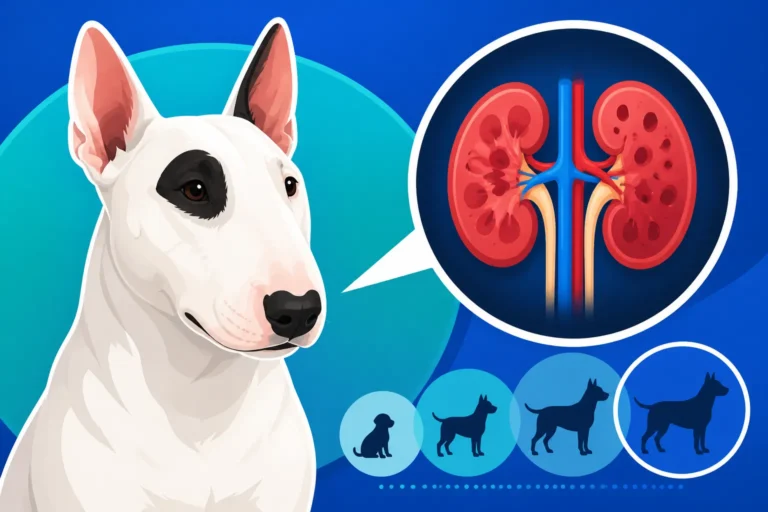
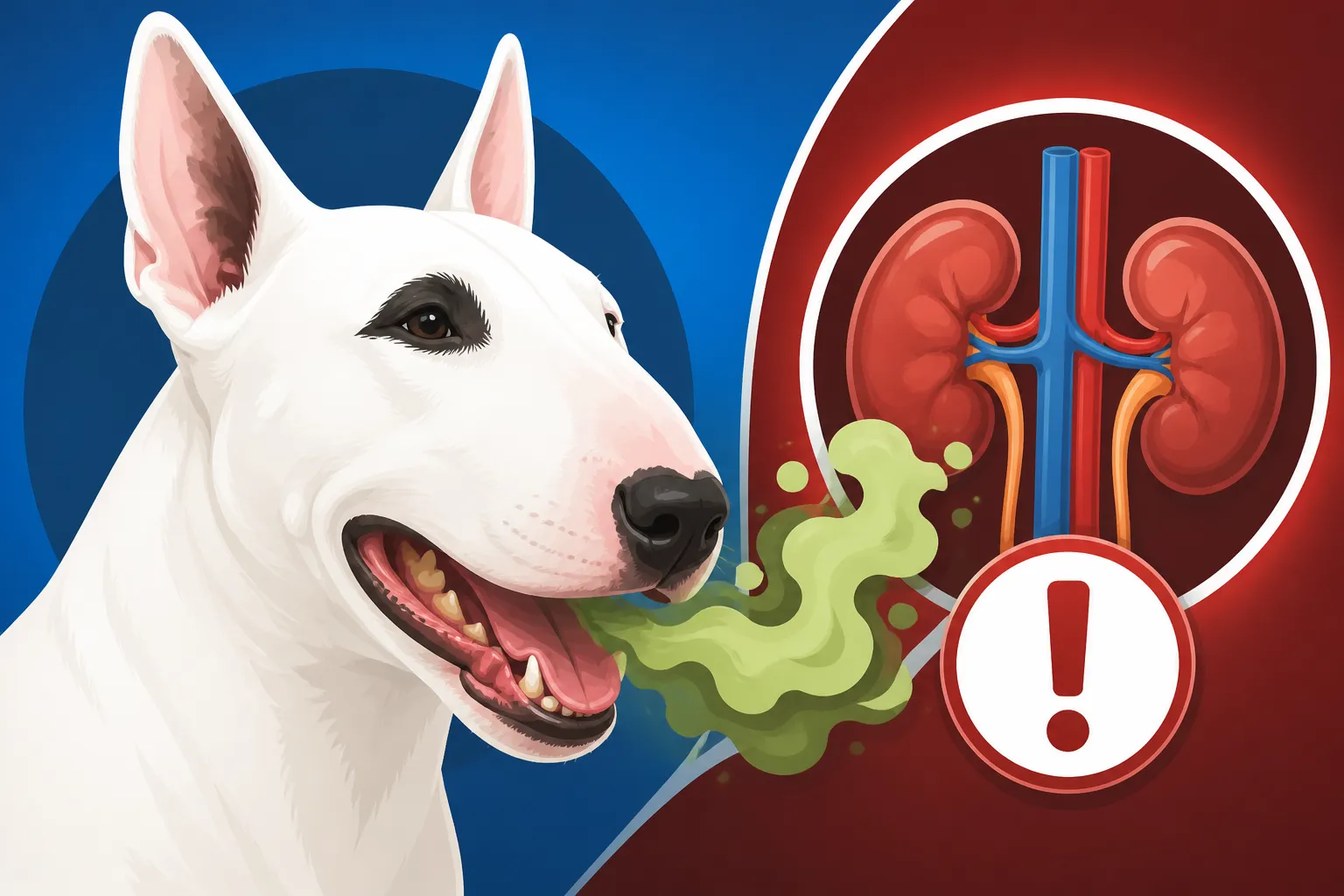
Now, let's address the specific and far more worrying possibility: kidney disease. While not every instance of bad breath signals kidney failure, a particular type of breath odor, often described as uremic breath or smelling like ammonia or urine, is a classic sign of advanced kidney disease. This is where your concern is absolutely valid and warrants immediate attention.
The Distinct Smell of Uremic Breath
Why does kidney failure cause a distinct, ammonia-like odor on a Bull Terrier's breath? The kidneys are vital organs responsible for filtering waste products, like urea and creatinine, from the blood and excreting them through urine. When the kidneys begin to fail, they lose their ability to effectively remove these toxins. As these waste products build up in the bloodstream, they can be released through the lungs, resulting in that tell-tale uremic breath. It’s not just "dog breath" anymore; it's a sharp, chemical, almost metallic smell that is very different from the rotting scent of dental disease.
This isn't a subtle change that happens overnight. Kidney disease often progresses silently, with dogs showing few signs until the damage is quite advanced. However, uremic breath usually indicates that the kidneys are severely compromised. This is why knowing the subtle differences in scent can be life-saving. If you detect this specific smell, do not delay in getting your Bull Terrier to the vet. This isn't a condition that improves on its own. Many Bull Terrier owners regularly book The Yearly Urine Test Every Bull Terrier Owner Should Book precisely to catch these issues early.
Other Alarming Signs of Kidney Failure
Bad breath, especially the uremic kind, rarely stands alone as the only symptom of kidney failure. It's usually accompanied by a constellation of other clinical signs. Recognizing these can help you connect the dots and seek help sooner.
Look out for:
- Increased Thirst and Urination (Polydipsia and Polyuria): This is often one of the earliest and most common signs. Failing kidneys can't concentrate urine effectively, so your Bull Terrier will drink more to compensate and therefore urinate more frequently, often producing larger volumes of dilute urine. You might notice they're asking to go out more, having accidents indoors, or emptying their water bowl much faster than usual.
- Loss of Appetite and Weight Loss: As toxins build up, dogs feel nauseous and generally unwell, leading to a reduced interest in food and subsequent weight loss.
- Lethargy and Weakness: The accumulation of toxins can make your Bull Terrier feel tired, weak, and less energetic. They might sleep more, be less interested in play, or generally seem "off."
- Vomiting and Diarrhea: Gastrointestinal upset is common as toxins irritate the digestive system.
- Oral Ulcers: In severe cases, the high levels of toxins can cause painful ulcers on the tongue, gums, and inside of the cheeks. These are often seen with the characteristic uremic breath.
- Pale Gums: Anemia can develop in kidney disease, leading to pale gums.
- Changes in Coat Quality: A dull, unkempt coat can also be a sign of chronic illness.
If you observe any combination of these symptoms with bad breath, particularly that ammonia-like odor, you need to act quickly. Bull Terriers, unfortunately, are genetically predisposed to conditions like Hereditary Nephritis, which can take them in their prime, making awareness of these symptoms even more critical. Learning about Hereditary Nephritis Takes Bull Terriers in Their Prime can provide valuable insights into this breed-specific risk.
Taking Prompt Action: What to Do and What to Expect at the Vet
Discovering that your Bull Terrier's bad breath might be linked to something as serious as kidney failure can be incredibly distressing. However, the good news is that early detection and intervention can significantly improve their quality of life and potentially slow the progression of the disease. Don't panic, but do act with purpose.
The Immediate Vet Visit
Your first and most crucial step is to schedule an immediate appointment with your veterinarian. Don't wait to see if it gets better or worse; kidney disease doesn't usually resolve on its own. When you call, describe the specific smell of your Bull Terrier's breath (e.g., "ammonia-like," "urine-like," "chemical") and list any other symptoms you've noticed, such as increased drinking, urination, or changes in appetite. This information can help your vet prioritize diagnostics.
At the clinic, your vet will perform a thorough physical examination, including a careful check of your Bull Terrier's mouth, gums, and hydration status. They'll also feel their abdomen for any abnormalities in kidney size or shape. This initial assessment helps narrow down the potential causes.
Essential Diagnostic Tests for Kidney Health
To definitively diagnose kidney disease and rule out other conditions causing bad breath, your vet will likely recommend a panel of diagnostic tests. These usually include:
- Blood Work (Complete Blood Count and Chemistry Panel): This is paramount. The chemistry panel will assess kidney function markers like Blood Urea Nitrogen (BUN) and creatinine. Elevated levels of these indicate that the kidneys aren't filtering waste products properly. The CBC can also reveal anemia, common in advanced kidney disease. Your vet might also look at phosphorus and calcium levels, which can be affected by kidney issues.
- Urinalysis: A comprehensive urinalysis will check urine specific gravity (how concentrated the urine is), protein levels, and look for signs of infection or crystals. A low urine specific gravity is a strong indicator of kidney dysfunction. A What a UPC Ratio Tells a Bull Terrier Owner test can be particularly useful for early detection of protein loss.
- Urine Protein:Creatinine (UPC) Ratio: This specific test quantifies protein loss in the urine, which is an early indicator of kidney damage and can help stage kidney disease.
- Blood Pressure Measurement: High blood pressure (hypertension) is both a cause and a consequence of kidney disease, so it's essential to monitor.
- Imaging (Ultrasound): An abdominal ultrasound allows the vet to visualize the kidneys, assess their size, shape, and internal architecture, and look for structural abnormalities like cysts (polycystic kidney disease) or stones. An ultrasound provides a more detailed picture than X-rays. Knowing How a Bull Terrier's Kidney Ultrasound Is Read can help you understand the process.
Depending on these results, your vet might refer you to a veterinary internal medicine specialist for further evaluation or management.
Managing Kidney Disease in Your Bull Terrier
If kidney disease is diagnosed, especially in its advanced stages, the focus shifts to supportive care and slowing progression. Unfortunately, kidney failure often isn't curable, but it is manageable. Treatment plans are tailored to the individual dog and the stage of their disease but commonly include:
- Dietary Modification: A prescription renal diet is a cornerstone of kidney disease management. These diets are formulated with controlled protein levels (enough for muscle maintenance but not excessive), reduced phosphorus, and sometimes added omega-3 fatty acids. This helps reduce the workload on the kidneys and minimizes toxin buildup. It's crucial to understand Which Diet a Bull Terrier With Kidney Disease Needs.
- Fluid Therapy: Dehydration can worsen kidney function. Your vet might prescribe subcutaneous fluids (given under the skin at home) to keep your Bull Terrier well-hydrated and help flush out toxins.
- Medications:
- Phosphorus Binders: To control elevated phosphorus levels.
- Antacids/Anti-emetics: To manage nausea, vomiting, and stomach upset.
- Blood Pressure Medications: To control hypertension, which can damage the kidneys further.
- Potassium Supplements: If potassium levels are low.
- Erythropoietin: For severe anemia.
- Dental Care: Even with kidney disease, maintaining oral hygiene is important, although a professional dental cleaning might require careful anesthesia protocols.
Managing a Bull Terrier with kidney disease can be a long-term commitment, both emotionally and financially. This is where having pet insurance, such as Healthy Paws, can be a lifesaver, helping to cover the significant costs associated with ongoing diagnostics, specialized diets, and medications. Early enrollment in a plan like Healthy Paws can make a huge difference, as pre-existing conditions are typically not covered. It's a journey, and you'll want to be prepared for Caring for a Bull Terrier Past Eight, as kidney disease often becomes more prevalent in senior dogs.
Proactive Steps for Your Bull Terrier's Overall Health
While we've focused on the serious implications of bad breath, it's worth reiterating that preventing issues is always better than reacting to them. Regular, proactive care is the best way to keep your Bull Terrier healthy and happy, and to catch any concerning symptoms, like changes in breath, early.
Establishing a Robust Oral Hygiene Routine
The best defense against dental-related bad breath and periodontal disease is a consistent home dental care routine.
- Daily Brushing: Ideally, aim to brush your Bull Terrier's teeth daily using a dog-specific toothbrush and enzymatic toothpaste (never human toothpaste). Start slow, make it a positive experience with treats and praise.
- Dental Chews and Toys: While not a substitute for brushing, veterinary-approved dental chews and toys can help reduce plaque and tartar buildup. Look for products that are appropriate for your Bull Terrier's strong chewing style and won't splinter or damage their teeth.
- Water Additives and Dental Wipes: These can offer an additional layer of protection, particularly if daily brushing is challenging.
- Regular Professional Cleanings: Your vet will recommend a schedule for professional dental cleanings under anesthesia, typically every one to three years, depending on your dog's oral health.
The Importance of Regular Veterinary Check-ups
Never underestimate the power of routine wellness exams. Your vet is your best partner in monitoring your Bull Terrier's overall health and catching problems before they become critical.
- Annual Exams: Even if your Bull Terrier seems perfectly healthy, annual check-ups are vital. During these visits, your vet will perform a full physical, listen to their heart and lungs, check their joints, and assess their overall condition. They will also pay close attention to oral health, looking for early signs of dental disease.
- Preventative Screenings: For breeds like the Bull Terrier, known for certain health predispositions, your vet might recommend specific annual screenings. This includes The Yearly Urine Test Every Bull Terrier Owner Should Book, which is crucial for monitoring kidney health, especially as they age. Early detection of protein in the urine or changes in specific gravity can be the first red flag, even before symptoms like bad breath appear.
- Discussing Changes: Use your vet visits to discuss any changes you've noticed in your Bull Terrier, no matter how small they seem. A subtle shift in appetite, activity level, or yes, even the smell of their breath, could be an important clue. If your vet recommends further diagnostics, like a UPC ratio or an ultrasound for a specific concern, remember that a pet insurance policy, such as those offered by Healthy Paws, can help manage the financial aspect of these important tests.
Keeping an Eye on Their Overall Well-being
Beyond specific dental and kidney care, observing your Bull Terrier's general health and behavior is key.
- Hydration and Urination: Monitor how much your Bull Terrier drinks and how often they urinate. Significant increases are a major warning sign.
- Appetite and Weight: Track their food intake and body condition. Sudden changes can indicate underlying health issues.
- Energy Levels: A healthy Bull Terrier is typically energetic and playful. Any sustained decrease in energy or enthusiasm warrants investigation.
- Coat and Skin: A dull coat or flaky skin can sometimes signal internal health problems. Don't forget that A Bull Terrier's Skin Is Its Weakest Point, so regular checks for issues beyond skin itself are important.
While bad breath can often be a benign nuisance, its potential connection to serious conditions like kidney failure underscores the importance of being vigilant and proactive. By understanding the different types of bad breath, watching for accompanying symptoms, and maintaining a close relationship with your veterinarian, you can ensure your Bull Terrier receives the care they need to live a long, healthy, and happy life – even if their breath occasionally needs a little help.
Disclaimer
This article is intended for informational purposes only and does not constitute veterinary advice. Always consult with a qualified veterinarian for any health concerns or before making any decisions about your Bull Terrier's medical care.