How Long a Bull Terrier Lives After a Nephritis Diagnosis
Hearing the words "kidney disease" or "nephritis" in relation to your beloved Bull Terrier can feel like a punch to the gut. The immediate, overwhelming question that screams in your mind is, "How much time do I have left with my best friend?" It's a terrifying, heartbreaking moment, and navigating the uncertainty of a prognosis for a chronic, progressive condition like hereditary nephritis is incredibly tough. This guide aims to provide a realistic, empathetic look at what to expect after a Bull Terrier receives a nephritis diagnosis, offering insights into factors that influence their remaining time and how you can ensure their quality of life.
Understanding Bull Terrier Nephritis and Its Progression
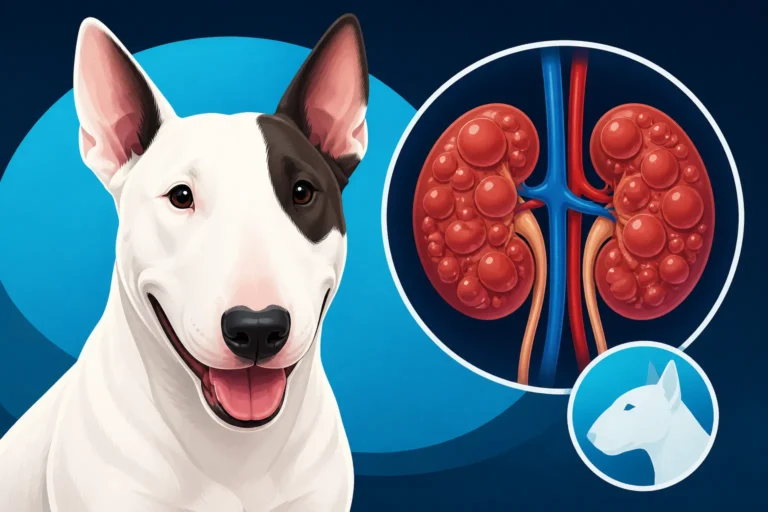
For Bull Terrier owners, "nephritis" often refers specifically to Hereditary Nephritis (HN), a genetic, progressive kidney disease unique to the breed. It's not like a sudden kidney injury that can often be fully recovered from; instead, it's a slow, insidious deterioration that can steal your dog's health right before your eyes.
The Insidious Nature of Hereditary Nephritis
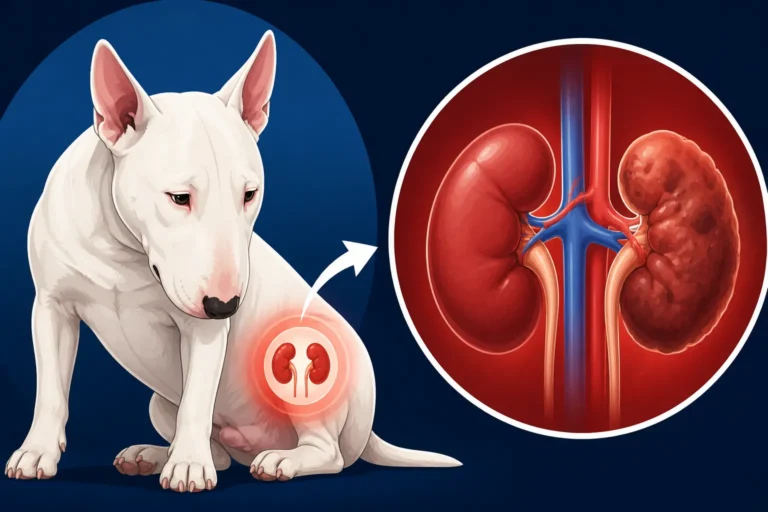
Hereditary Nephritis in Bull Terriers is a cruel condition because it often works silently in the background for years before any noticeable symptoms appear. Imagine a tiny leak in your plumbing that you don't discover until the floorboards are completely warped and damaged – that's often how HN progresses. The kidneys, those incredible filters that remove waste from the blood, slowly lose their ability to function. This isn't just about waste removal; the kidneys also play vital roles in blood pressure regulation, red blood cell production, and calcium balance. As their function declines, these other systems also start to falter, leading to a cascade of health issues.
It's an incredibly frustrating reality for owners, especially knowing that it's an inherited condition. You often hear about it taking Bull Terriers in their prime, which adds another layer of heartbreak. Understanding What Hereditary Nephritis Does to a Bull Terrier is essential for all breed enthusiasts. The early signs, such as a subtle increase in thirst or urination, are so easily dismissed as normal quirks of a young, active dog, making early detection incredibly challenging without routine screening.
Stages of Kidney Disease and Their Impact
Veterinarians typically use the International Renal Interest Society (IRIS) staging system to classify kidney disease. This system helps to standardize diagnoses and treatment protocols, giving us a clearer picture of how advanced the disease is.
- IRIS Stage 1: This is the earliest stage, where kidney damage is present but the dog isn't showing any clinical signs, and blood tests (like creatinine and BUN) are still normal. The only way to detect it at this point is often through proteinuria (protein in the urine), identified by a specific test called a UPC ratio.
- IRIS Stage 2: At this stage, creatinine levels are slightly elevated, but symptoms are still often subtle or non-existent. There's often persistent proteinuria. This is where early intervention can make a significant difference.
- IRIS Stage 3: Moderate kidney failure. Clinical signs become more obvious. Your Bull Terrier might start showing increased thirst and urination, reduced appetite, weight loss, and lethargy. Vomiting and poor coat quality can also appear.
- IRIS Stage 4: Severe kidney failure. This is the most advanced stage, characterized by significant kidney dysfunction and severe clinical signs. Dogs in this stage often experience profound lethargy, severe vomiting, dehydration, anemia, and oral ulcers.
The devastating truth is that many Bull Terriers with HN are diagnosed when they are already in Stage 3 or even Stage 4, because the early stages are so difficult to spot without specific screening. By then, a significant portion of kidney function is already lost, making the prognosis much more guarded. This is why it's crucial to be proactive and understand Signs a Bull Terrier's Kidneys Are Failing.
Factors Influencing Lifespan Post-Diagnosis
Once a Bull Terrier receives a nephritis diagnosis, several critical factors will heavily influence how long they can continue to live comfortably and happily. It's not a one-size-fits-all answer, and understanding these variables can help you make informed decisions for your pet.
The Stage at Diagnosis
This is arguably the most significant factor. A Bull Terrier diagnosed in IRIS Stage 1 or 2, where the kidneys are just beginning to show signs of damage or very mild dysfunction, will generally have a considerably longer prognosis than one diagnosed in Stage 3 or 4.
Think of it like this: if you catch a small crack in your car's engine block early, you might be able to repair it or manage it for years. If you only discover it when the engine completely seizes up on the highway, your options are much more limited. The same goes for kidney disease. Early diagnosis, often through routine screening like The Yearly Urine Test Every Bull Terrier Owner Should Book, allows for earlier intervention. This means starting kidney-protective diets and medications before the damage becomes too extensive, potentially slowing the progression of the disease for months, or even years. Unfortunately, without such proactive testing, many owners only realize there's a problem when their beloved Bull Terrier is already feeling quite unwell.
The Aggressiveness of Management and Owner Compliance
Once diagnosed, managing kidney disease in a Bull Terrier is a multi-faceted and ongoing commitment. The more aggressively and consistently you can implement the veterinary recommendations, the better the chances of extending their quality of life.
- Dietary Changes: This is usually the cornerstone of treatment. A kidney-specific diet is typically low in protein (but high quality), phosphorus, and sodium, and often supplemented with omega-3 fatty acids. This helps reduce the workload on the kidneys and slow further damage. Finding a diet that your Bull Terrier will actually eat consistently can be a challenge, but it's vital. You can learn more about Which Diet a Bull Terrier With Kidney Disease Needs.
- Medications: Depending on the stage and specific symptoms, medications may include:
- ACE inhibitors (like Enalapril or Benazepril) to reduce protein loss in the urine and help control blood pressure.
- Phosphate binders (like aluminum hydroxide) to prevent hyperphosphatemia, a common and damaging complication of kidney failure.
- Anti-nausea medications and appetite stimulants to maintain weight and comfort.
- Potassium supplements, if levels are low.
- Blood pressure medication, if hypertension is present.
- Fluid Therapy: In more advanced stages, subcutaneous fluids (fluids administered under the skin at home) can help combat dehydration and flush toxins, significantly improving how the dog feels. This can be intimidating for owners initially but becomes a routine part of care.
- Regular Monitoring: Frequent vet visits for bloodwork, urinalysis (specifically monitoring the UPC ratio), and blood pressure checks are essential to adjust treatment as needed. This can become quite costly over time, which is why having a robust pet insurance plan like Healthy Paws can be a lifesaver, allowing you to focus on your Bull Terrier's health without undue financial strain. Healthy Paws can cover a significant portion of these ongoing diagnostic tests and medications.
Owner compliance with these often complex and demanding protocols directly impacts the dog's prognosis. Consistency is key, even when your Bull Terrier is being stubborn or you're feeling overwhelmed.
Individual Dog Variation and Complications
Every Bull Terrier is an individual, and their response to nephritis and its treatment can vary widely. Some dogs may stabilize for an extended period, while others might experience a more rapid decline despite aggressive management.
- Rate of Progression: The inherent aggressiveness of the disease varies. Some Bull Terriers have a very slow-progressing form, while in others, the kidneys deteriorate quickly.
- Concurrent Conditions: Other health issues, whether related to age or other breed predispositions, can complicate kidney disease management. For instance, a Bull Terrier prone to A Bull Terrier's Skin Is Its Weakest Point might have ongoing issues that add stress to their system.
- Complications: Kidney disease can lead to a host of secondary problems, including:
- Hypertension (High Blood Pressure): This can further damage the kidneys, heart, and eyes.
- Anemia: Decreased production of erythropoietin (a hormone produced by healthy kidneys) leads to fewer red blood cells, causing weakness and lethargy.
- Uremic Ulcers: Toxins building up in the blood can cause sores in the mouth and gastrointestinal tract, leading to pain and further appetite loss.
- Electrolyte Imbalances: Disruptions in potassium, calcium, and phosphorus levels can cause weakness, tremors, or even seizures.
Managing these complications effectively is crucial for extending life and maintaining comfort. This requires a dedicated veterinary team and the resources to pursue additional diagnostics and treatments. This is another area where a comprehensive pet insurance plan from providers like Healthy Paws can offer immense peace of mind, covering the unexpected twists and turns that often accompany chronic illness.
Realistic Lifespans and What "Quality of Life" Means
Facing the reality of a shortened lifespan is perhaps the hardest part of a nephritis diagnosis. While every owner hopes for a miracle, understanding the typical trajectory can help prepare you emotionally and practically.
General Prognosis Ranges
For a Bull Terrier diagnosed with Hereditary Nephritis, especially in the later stages (IRIS 3-4), the prognosis is often measured in months, typically 6 to 18 months, though some may live up to two years or slightly more with very dedicated care and early diagnosis. If caught incredibly early, in Stage 1 or 2, and managed aggressively, some Bull Terriers might live for several years beyond diagnosis, potentially reaching a more average lifespan for the breed, which is generally The Ten to Fourteen Years a Bull Terrier Gets.
It's vital to remember that these are averages. There will always be individual outliers who live longer or shorter than expected. The key is to focus on the individual dog in front of you, rather than just the statistics. While the question of How Long a Bull Terrier Lives After a Nephritis Diagnosis is natural, the answer is always nuanced.
Focusing on Comfort and Well-being
When dealing with a progressive disease, the focus shifts from "cure" to "care." Ensuring your Bull Terrier has the best possible quality of life for as long as possible becomes the paramount goal.
- Assessing Quality of Life: This is an ongoing evaluation. You'll need to observe your Bull Terrier closely for signs of comfort and happiness. Are they still interested in food? Do they enjoy walks, even if shorter? Are they engaging with the family? Do they have more good days than bad days? Pain management, appetite, energy levels, hydration, and mental engagement are all key indicators. It's often helpful to keep a journal of their daily activities, appetite, and any symptoms to track trends over time.
- Making Tough Decisions: Eventually, for any progressive illness, there comes a point where the bad days outweigh the good, and suffering becomes unmanageable. This is the most agonizing decision any pet owner faces. Your veterinarian can help you evaluate your Bull Terrier's quality of life and guide you through this process with compassion. It's about ensuring your dog's dignity and preventing prolonged suffering.
- Cherishing Every Moment: This period, while incredibly difficult, also presents an opportunity to deepen your bond. Every extra snuggle, every favorite treat, every gentle walk becomes precious. Many owners find solace in providing comfort and love during their Bull Terrier's final chapter.
Support Systems and Resources
You don't have to navigate this journey alone. There are many resources available to support you and your Bull Terrier:
- Veterinary Specialists: An internal medicine specialist can provide advanced diagnostics and treatment plans for kidney disease, often offering strategies beyond general practice. Knowing What a Bull Terrier's Kidney Specialist Charges can highlight the value of pet insurance in these situations.
- Online Communities: Forums and social media groups dedicated to Bull Terriers or dogs with kidney disease can offer emotional support, practical tips, and shared experiences from others who understand what you're going through.
- Pet Loss Support: Many veterinary schools and animal hospitals offer pet bereavement counseling and support groups, which can be invaluable during and after your Bull Terrier's illness.
- Pet Insurance: As mentioned, a solid pet insurance policy from companies like Healthy Paws can significantly alleviate the financial stress associated with chronic kidney disease treatment, including medications, specialized diets, and ongoing tests. This allows you to prioritize your Bull Terrier's well-being without constantly worrying about the bill.
Proactive Steps for Future Bull Terrier Owners
While a nephritis diagnosis is devastating, there's much that can be done to prevent it or catch it early in future Bull Terriers, starting with responsible breeding and diligent health screening.
Importance of Breeder Screening
Hereditary Nephritis is, as the name suggests, hereditary. This means it's passed down through generations. A responsible Bull Terrier breeder will be acutely aware of this and take proactive steps to minimize the risk in their lines.
- Genetic Testing: There isn't a single direct DNA test for Hereditary Nephritis in Bull Terriers that covers all forms of the disease, though research continues. However, breeders should be tracking kidney health meticulously in their breeding stock. Understanding How Hereditary Nephritis Is Inherited in Bull Terriers guides responsible breeding practices.
- UPC Ratio Screening: Reputable breeders will routinely screen their breeding dogs' urine for protein loss using a UPC ratio test. This non-invasive test is a critical tool for detecting early kidney damage before clinical signs develop. A breeder who can show you documentation of clear UPC results for their breeding pair and their ancestors is one who takes health seriously. This is part of What a Bull Terrier Breeder Should Have Tested.
- Pedigree Research: Ask breeders about the kidney health of the parents, grandparents, and siblings of any puppy you're considering. Transparency is key. A breeder who downplays health testing or refuses to share results should be a red flag.
Ongoing Veterinary Care for Early Detection
Even if your Bull Terrier comes from impeccably screened parents, lifelong vigilance is the best defense against kidney disease.
- Annual Wellness Exams: These are non-negotiable. Beyond the routine vaccinations and physical exams, discussions with your vet about breed-specific health concerns like HN are vital.
- Routine Urinalysis and UPC Ratio: Starting around 1-2 years of age, or even earlier if recommended by your vet or breeder, your Bull Terrier should have a yearly urinalysis that includes a UPC ratio. This simple test is the earliest indicator of potential kidney issues. What a UPC Ratio Tells a Bull Terrier Owner is profound, as it allows for intervention at the most impactful stage. Early detection of proteinuria, even in the absence of other symptoms, means you can start kidney-protective measures to significantly slow the disease's progression. It's a small investment that can yield huge returns in terms of your dog's health and lifespan.
- Blood Pressure Monitoring: High blood pressure can both cause and result from kidney disease, making it a critical parameter to monitor, especially in older Bull Terriers or those with early signs of kidney issues.
Proactive, consistent veterinary care, ideally supported by a good pet insurance policy from a provider like Healthy Paws, is the best gift you can give your Bull Terrier. It's about being prepared, being proactive, and being an advocate for your beloved companion's health.
| IRIS Stage | Kidney Function Loss (%) | Common Clinical Signs | Typical Prognosis After Diagnosis (Approx.) | Key Management Strategies |
|---|---|---|---|---|
| Stage 1 | <25% | None (normal bloods), only proteinuria detectable | Good, potentially several years | Diet, ACE inhibitors, regular UPC monitoring |
| Stage 2 | 25-33% | Subtle (mild thirst/urination), mild blood changes | Good, 2-3 years or more | Diet, ACE inhibitors, phosphate binders (if needed) |
| Stage 3 | 34-75% | Increased thirst/urination, lethargy, poor appetite, weight loss | Guarded, 6-18 months | Diet, meds (ACEI, phosphate binders, anti-nausea), fluid therapy |
| Stage 4 | >75% | Severe lethargy, vomiting, dehydration, muscle wasting | Poor, weeks to a few months | Aggressive symptomatic treatment, intensive fluid therapy, comfort care |
Disclaimer
The information provided in this article is for educational purposes only and should not be considered a substitute for professional veterinary advice. Always consult with a qualified veterinarian regarding any health concerns or before making any decisions about your pet's medical care.