Whether a DNA Test for Bull Terrier Nephritis Exists
The nagging worry of Hereditary Nephritis (HN) hangs heavy over many Bull Terrier owners and breeders. It’s a silent, insidious threat that can devastate a family, often striking seemingly healthy dogs in their prime. Naturally, when facing such a heartbreaking condition, our first thought is often, "Is there a simple genetic test? Can we just swab and know?" It’s a perfectly reasonable question born from a deep desire for clarity and control. This guide dives deep into the current reality of DNA testing for Bull Terrier Nephritis, exploring why a simple test remains elusive and what practical steps owners can take right now.
The Difficult Truth About DNA Testing for Bull Terrier Hereditary Nephritis
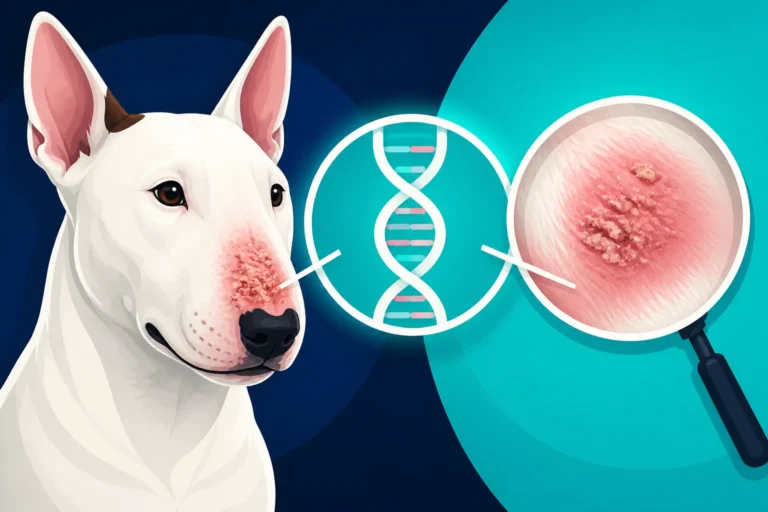
It's tough when you're facing a complex health issue in your beloved Bull Terrier, and you just want a clear-cut answer. Many of us wish we could just send off a DNA sample and get a definitive "yes" or "no" for Hereditary Nephritis (HN), just like we can for some other genetic conditions. But the frustrating reality is that, despite years of dedicated research and countless hours put in by geneticists and breed clubs, a direct DNA test for Bull Terrier Hereditary Nephritis does not currently exist. This isn't for lack of trying, believe me; it's a testament to the sheer complexity of this particular disease.
The Elusive Genetic Marker for HN
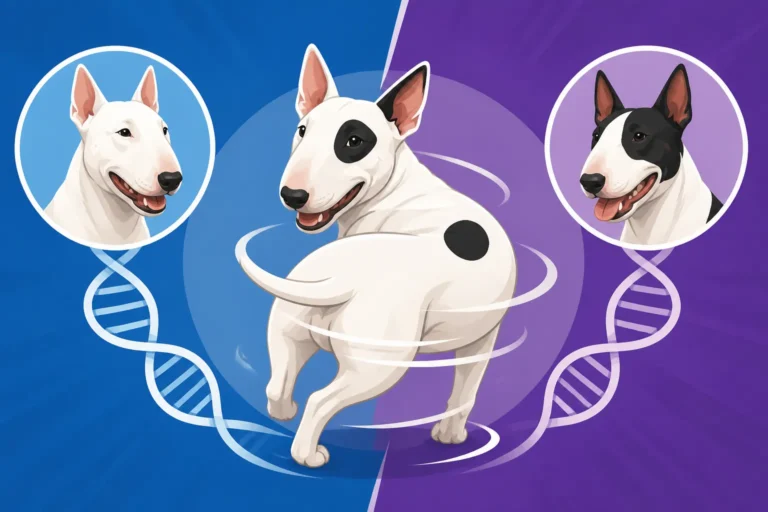
When we talk about a DNA test, what we're really looking for is a specific genetic marker – a particular gene or set of genes that, when present, definitively indicates that a dog has or will develop the condition, or is a carrier for it. For some diseases, like Lethal Acrodermatitis in Bull Terriers, we've been incredibly fortunate. The responsible gene was identified, and now a simple cheek swab can tell a breeder if their dog is clear, a carrier, or affected, allowing them to make informed breeding choices to eradicate the disease from their lines. It's a fantastic leap forward for our breed.
However, Hereditary Nephritis is a different beast entirely. Researchers, including those at institutions like the University of Pennsylvania's PennGen Laboratories, have been diligently studying Bull Terrier HN for decades. They've made incredible strides in understanding the disease's pathology, how it progresses, and even identifying regions on chromosomes that might be linked to it. But pinning down the exact gene or a small group of genes responsible has proven incredibly challenging. This isn't because the science isn't good enough, but because HN likely isn't caused by a single, straightforward gene mutation. Imagine trying to find one specific needle in a haystack, versus trying to find a type of hay that might be contributing to a problem, alongside other types of hay. It's a much more involved process.
This lack of a definitive DNA test is incredibly frustrating for breeders and owners alike. You want to do everything right, to make the best decisions for your dogs and for the future of the breed, but without that clear genetic blueprint, it feels like you're navigating in the dark. It means that even the most dedicated breeders, who carefully screen their dogs, can still encounter HN in their lines because the genetic puzzle remains unsolved.
Why HN Isn't Like Other Genetic Diseases
So, why is HN such a stubborn genetic mystery? The prevailing theory among researchers is that Bull Terrier Hereditary Nephritis is either a "polygenic" disease or one with a complex mode of inheritance. What does that mean in plain language? It means it's probably not just one faulty gene causing the problem, but rather a combination of several genes acting together, possibly interacting with environmental factors, that ultimately lead to kidney failure. This makes identifying a single, simple DNA marker nearly impossible with current technology.
Think about human heart disease or diabetes – these aren't typically caused by a single gene. Instead, a person might inherit a predisposition from several genes, and then their lifestyle, diet, and other environmental factors contribute to whether they actually develop the condition. HN in Bull Terriers seems to follow a similar, intricate pattern. This is why you might see dogs from the same parents, or even the same litter, where one develops HN and another remains clear, despite sharing a significant portion of their genetic material. It's this frustrating variability that makes it so hard to isolate a smoking gun in their DNA.
Geneticists worldwide are constantly developing new techniques and technologies for unraveling complex genetic diseases. Next-generation sequencing and advanced bioinformatics tools are certainly speeding up the process compared to even a decade ago. However, even with these incredible advancements, diseases like HN, with their likely polygenic nature, present a formidable challenge. It's a slow, meticulous process of sifting through vast amounts of genetic data, looking for patterns that are subtle and often influenced by multiple contributing factors. While we hold out hope that a breakthrough is around the corner, for now, we have to rely on other methods to assess risk and manage the disease. Knowing "How Hereditary Nephritis Is Inherited in Bull Terriers" helps understand this complexity.
The Current Best Practices for Screening Bull Terriers for HN Risk
Given the absence of a direct DNA test, it's crucial for Bull Terrier owners and breeders to understand and implement the most effective screening protocols available. These methods aren't perfect, but they represent our best defense against Hereditary Nephritis and allow for early detection and intervention, which can significantly improve a dog's quality of life.
The Importance of Regular UPC Ratio Testing
When it comes to assessing kidney health and the risk of Hereditary Nephritis, the Urine Protein Creatinine (UPC) ratio test is the absolute gold standard for Bull Terriers. It's not a genetic test, but it's a critical diagnostic tool that measures the amount of protein being lost in your dog's urine compared to creatinine, a waste product. Elevated protein in the urine, known as proteinuria, is often the earliest detectable sign of kidney damage in HN, long before other symptoms or bloodwork changes become apparent.
The process is fairly straightforward, but consistency is key. Your veterinarian will need a fresh urine sample. Ideally, this should be a "first morning" sample, collected mid-stream to minimize contamination. This specific timing helps ensure the most accurate reading, as urine can be more concentrated first thing in the morning. A high UPC ratio indicates that the tiny filters in the kidneys, called glomeruli, are not functioning properly and are allowing too much protein to leak out. This leakage is a hallmark of the damage caused by Hereditary Nephritis.
Because HN can progress silently for years, annual UPC ratio testing is paramount, especially for Bull Terriers. Most breeders and veterinary specialists recommend starting these yearly checks from a young age, typically around 6-12 months, and continuing them diligently throughout the dog's life. Early detection through a regular UPC screen can literally be life-saving, as it allows for proactive management before significant kidney damage occurs. This is why "The Yearly Urine Test Every Bull Terrier Owner Should Book" is non-negotiable. Knowing "What a UPC Ratio Tells a Bull Terrier Owner" empowers you to understand the results and work closely with your vet. Many owners find that investing in pet insurance, like a comprehensive plan from Healthy Paws, can significantly ease the financial burden of these essential yearly screenings and any subsequent diagnostics or treatments for kidney disease.
Beyond UPC: Additional Kidney Health Indicators
While the UPC ratio is the cornerstone of HN screening, it's important to understand that it's one piece of a larger puzzle. Other diagnostic tools can provide valuable supplementary information, especially as the disease progresses or if the UPC ratio starts to climb.
Blood tests, specifically those measuring creatinine and blood urea nitrogen (BUN), are common indicators of kidney function. However, here's a crucial point: these values only tend to rise after a significant portion of kidney function (often 75% or more) has already been lost. This means that by the time creatinine and BUN are elevated, the disease is usually quite advanced. Therefore, relying solely on bloodwork for early detection of HN would be a critical mistake; the UPC ratio is far more sensitive for catching issues in their nascent stages.
Kidney ultrasounds offer a visual assessment of the kidneys. They can reveal changes in kidney size, shape, and internal architecture, such as the presence of cysts, inflammation, or scarring. In some cases of HN, particularly as the disease progresses, an ultrasound might show abnormally small or irregular kidneys. However, it's important to remember that early on, kidneys can appear perfectly normal on an ultrasound even if proteinuria is occurring. A veterinary radiologist reading the ultrasound will look for specific abnormalities. While not a definitive diagnostic for early HN, it becomes increasingly important if the UPC ratio is consistently elevated or other clinical signs of kidney disease begin to appear. The information gleaned from an ultrasound can help rule out other causes of kidney issues and stage the progression of HN, giving a more complete picture of your Bull Terrier's condition. For those concerned about managing the costs of such advanced diagnostics, pet insurance providers like Healthy Paws offer various plans that can help cover these expenses.
Ultimately, managing the risk of HN means looking at the whole picture. A consistently high UPC, even with normal bloodwork and a seemingly normal ultrasound, should be taken very seriously. It's about combining all available information to make the most informed decisions for your Bull Terrier's health. You should always consult with your veterinarian to interpret these results and develop a personalized health monitoring plan.
Here's a quick comparison of the screening methods:
| Test Type | What it Detects | How it Helps with HN | Limitations |
|---|---|---|---|
| DNA Test | Specific genetic mutations/markers | Currently unavailable for Bull Terrier HN | The specific gene(s) for HN remain elusive. |
| Urine Protein Creatinine (UPC) Ratio | Excess protein leakage in urine | Early indicator of kidney damage (gold standard for HN) | Does not identify the genetic cause; can be affected by other factors. |
| Blood Urea Nitrogen (BUN) & Creatinine | Accumulation of waste products in blood | Indicates advanced kidney failure; less useful for early detection. | Only shows significant kidney damage (75% or more loss). |
| Kidney Ultrasound | Physical changes in kidney structure (size, cysts) | Visual assessment; can rule out other issues, show progression. | Kidneys may appear normal in early stages of HN. |
Navigating Breeding Decisions Without a Definitive DNA Test
The absence of a DNA test for Bull Terrier Hereditary Nephritis creates a significant ethical dilemma for breeders. How do you make responsible breeding decisions when you can't definitively identify carriers or future affected individuals based on their genetics? It's a challenge that requires immense dedication, transparency, and a long-term commitment to the health of the breed.
Ethical Breeding Practices for HN
Responsible breeders operate with the understanding that even without a DNA test, they have a profound obligation to minimize the risk of HN in their puppies. This starts with rigorous screening of all potential breeding stock. Every single Bull Terrier considered for breeding must have annual UPC ratio tests. A breeder should be able to provide clear, consistent UPC results for their breeding animals, showing that these dogs have maintained normal kidney function throughout their lives. Any dog with a persistently elevated UPC ratio, or one that has a family history of producing affected offspring, should be removed from a breeding program.
This approach often involves "breeding around" affected lines. While a specific dog might appear healthy and have normal UPCs, if it has siblings, parents, or offspring that have developed HN, a truly ethical breeder will carefully consider the risks involved. They might choose not to breed that dog, or if they do, they will meticulously select a mate from a line with a long, clear history of normal kidney health, and then monitor the offspring even more closely. This is a difficult but necessary decision, requiring breeders to prioritize the health of future generations over potential showring success or immediate desires. It is a testament to the dedication of those breeders who are committed to "Which Health Tests a Bull Terrier Breeder Should Run" beyond just the easy ones.
The challenge is immense because HN can manifest later in life. A dog might be bred, produce a litter, and then develop signs of HN years later. This necessitates ongoing monitoring and open communication within the breeding community. Breeders should be prepared for the possibility that a seemingly healthy breeding animal might, in hindsight, be found to contribute to HN, and they must be willing to adjust their programs accordingly. It's about honesty, humility, and an unwavering focus on the breed's future.
The Role of Pedigree Research and Open Communication
For prospective puppy owners, the lack of a DNA test means your due diligence needs to be even more thorough. When speaking with a Bull Terrier breeder, don't just ask about the immediate parents. Inquire about the health history of the entire pedigree on both sides – grandparents, great-grandparents, and especially siblings of the breeding dogs. A truly transparent and responsible breeder will openly discuss any instances of HN in their lines, even if it's painful to do so. They should be able to provide documentation of annual UPC tests for their breeding stock, and ideally, for their extended family members as well.
This level of transparency is vital because HN can sometimes skip generations or appear unexpectedly due to the complex inheritance pattern. A breeder who shies away from these discussions or claims their lines are "completely clear" without rigorous testing might not be as committed to health as they should be. Look for breeders who are actively involved with the Bull Terrier Club of America (BTCA) or other national breed clubs, as these organizations often promote health testing and provide resources for ethical breeding practices.
Furthermore, fostering open communication within the entire Bull Terrier community is paramount. Owners of dogs diagnosed with HN should be encouraged to share this information with their breeders, even if years have passed. This vital feedback helps breeders identify potential patterns, make more informed decisions, and better understand the long-term health outcomes of their lines. Without this collective effort and shared knowledge, fighting a disease as complex as HN becomes exponentially harder. It’s a long game, played over many generations, and relies on the integrity and dedication of every person involved with the breed. The knowledge of "The Age Hereditary Nephritis Shows in a Bull Terrier" is also crucial for breeders.
Living with a Bull Terrier at Risk for Hereditary Nephritis
Discovering your Bull Terrier has a high UPC ratio, or worse, receiving an HN diagnosis, is incredibly unsettling. It's a journey fraught with anxiety, but also one where proactive management and unwavering dedication can make a significant difference in your dog's quality of life.
Early Detection and Proactive Management
If your Bull Terrier’s UPC ratio returns elevated, don't panic, but don't ignore it either. This is the moment for immediate action and close collaboration with your veterinarian. Often, the first step involves repeating the UPC test a few weeks later to confirm the elevation and rule out transient proteinuria (which can be caused by things like strenuous exercise or a urinary tract infection). If the elevation is persistent, your vet will likely recommend further diagnostics, such as more comprehensive blood panels, a urine culture, and possibly a kidney ultrasound to get a clearer picture of your dog's overall kidney health and rule out other causes of proteinuria.
The cornerstone of managing HN is often dietary modification. A specialized kidney-supportive diet, typically lower in protein and phosphorus, becomes incredibly important. The goal isn't to eliminate protein entirely, but to provide high-quality, easily digestible protein in controlled amounts to reduce the workload on the kidneys. Similarly, phosphorus restriction helps slow the progression of kidney damage. Your vet may recommend specific prescription diets, such as those from Royal Canin or Hill's Prescription Diet, which are formulated to meet these precise nutritional needs.
Beyond diet, your vet might prescribe medications to manage various aspects of kidney disease. ACE inhibitors (like enalapril or benazepril) are commonly used to help reduce protein leakage and manage blood pressure, which often becomes elevated in dogs with kidney disease. Omega-3 fatty acid supplements can also be beneficial for their anti-inflammatory properties and to help support kidney function. Regular monitoring, including follow-up UPCs, blood tests, and blood pressure checks, becomes a routine part of your Bull Terrier’s life. It's about being vigilant and adjusting treatment as needed to keep your dog as healthy and comfortable as possible. This proactive approach is key, and it allows you to influence "How Long a Bull Terrier Lives After a Nephritis Diagnosis." The regular vet visits and specialized food can add up, but having comprehensive pet insurance, like a plan from Healthy Paws, can be an absolute lifesaver, helping to cover the costs of ongoing treatment, medications, and specialist consultations, allowing you to focus on your Bull Terrier's well-being without financial stress.
The Emotional Toll on Owners
Living with a Bull Terrier at risk for, or diagnosed with, Hereditary Nephritis is an emotional rollercoaster. The anxiety can be constant – every little change in eating habits, drinking, or energy levels can send your mind racing. You feel that immense pressure to do everything perfectly, to catch every symptom, and to extend their precious lives for as long as possible. It’s completely normal to feel overwhelmed, scared, and even a bit angry that this complex disease affects our beloved dogs.
It’s crucial to acknowledge these feelings and not go through this alone. Connect with other Bull Terrier owners who are facing similar challenges – online forums and breed-specific social media groups can be incredibly supportive spaces where you can share experiences, ask questions, and simply vent. Lean on your veterinary team; they are your partners in this journey. Don't hesitate to ask them to explain things clearly or to seek a referral to a veterinary internal medicine specialist or nephrologist for expert guidance.
Ultimately, while the goal is always to prolong life, it's equally important to focus on your Bull Terrier's quality of life. There will come a time when tough decisions might need to be made, and prioritizing their comfort and happiness will be paramount. Enjoy every silly antic, every lean against your leg, and every moment of their unique, clownish affection. Knowing "What Hereditary Nephritis Does to a Bull Terrier" helps you understand the progression, but remembering the unconditional love they give makes the fight worthwhile. You're giving them the best chance possible, armed with knowledge and love.
Disclaimer
The information provided in this guide is intended for general informational purposes only and does not constitute veterinary medical advice. Always consult with a qualified veterinarian for any health concerns or before making any decisions related to your Bull Terrier's health or treatment. Individual results may vary.