Why an Acrodermatitis Bull Terrier Cannot Absorb Zinc
It's an utterly heartbreaking reality for Bull Terrier owners: discovering your beloved, clownish puppy is suffering from Lethal Acrodermatitis (LAD), a devastating genetic condition. This isn't just a simple zinc deficiency that can be fixed with a supplement; it's a profound, systemic inability to absorb and utilize zinc, leading to a cascade of severe health problems. This guide will walk you through exactly why an Acrodermatitis Bull Terrier cannot absorb zinc, what that means for their tiny bodies, and the devastating impact it has on their short lives.
Understanding Lethal Acrodermatitis: The Genetic Culprit
Lethal Acrodermatitis, often shortened to LAD, is a unique and tragic disease found almost exclusively in Bull Terriers and Miniature Bull Terriers. It's not just "skin problems" – it's a systemic breakdown caused by a very specific genetic defect that prevents the body from handling one of the most vital trace minerals: zinc. Owners often feel a sense of confusion and despair when they realize that simply adding zinc to the diet isn't enough, because the root of the problem lies far deeper than dietary intake.
The Specific Gene Mutation at Play
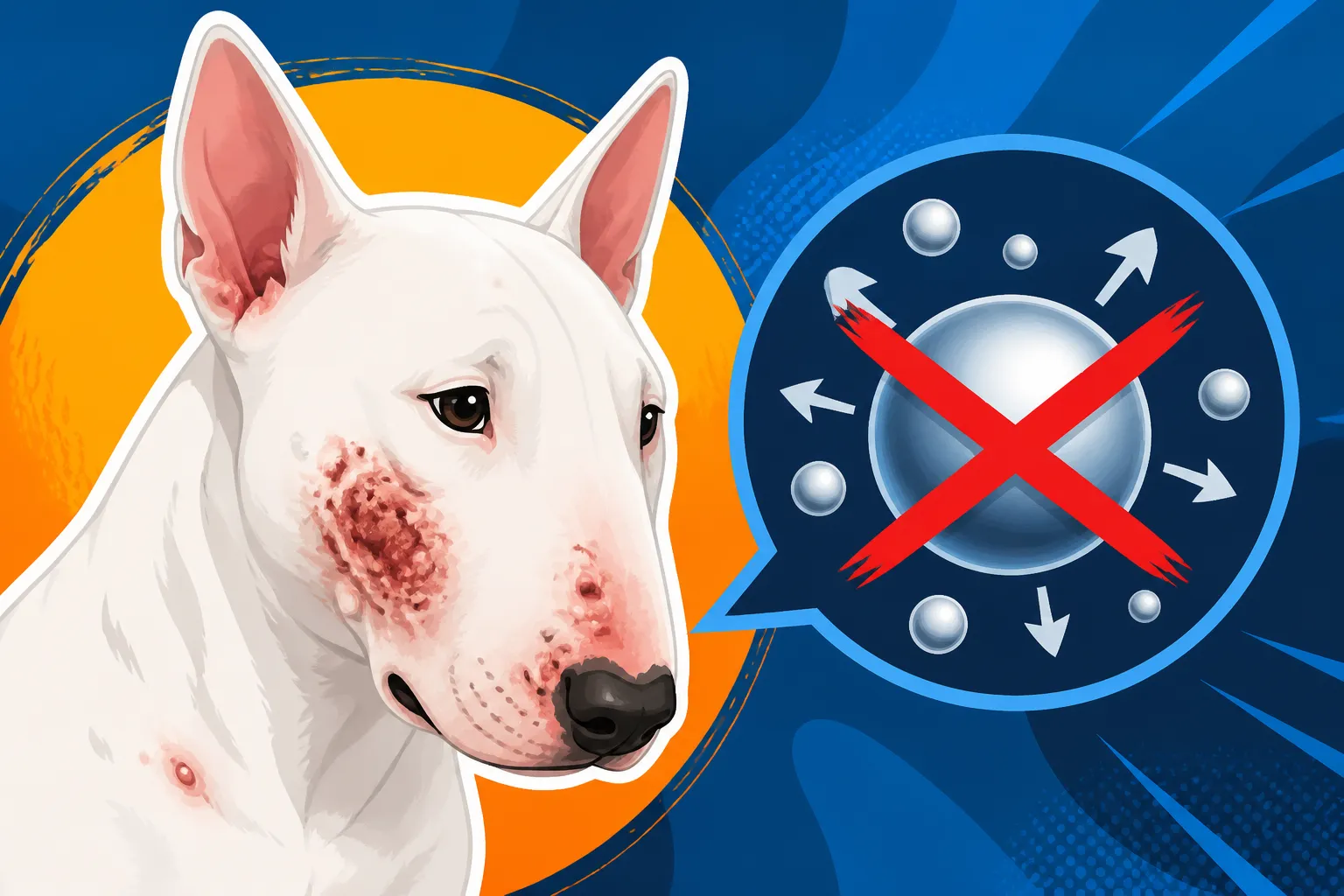
The inability of a Bull Terrier with LAD to absorb zinc stems from a very specific and unfortunate genetic mutation. Scientists have identified that a defect in the MKLN1 gene is the culprit. This gene plays a crucial role in regulating a protein that is essential for transporting zinc across cell membranes in the body. Think of zinc as a vital nutrient trying to get into various rooms (cells) in the body to do its job, and this gene is responsible for building the "doorways" or "bouncers" that allow zinc to pass through. When the MKLN1 gene is mutated, those doorways are faulty, or the bouncers simply aren't doing their job, making it impossible for zinc to enter the cells where it's desperately needed.
This gene is inherited in an autosomal recessive pattern. This means that a puppy must inherit two copies of the defective gene—one from each parent—to be affected by LAD. If a dog inherits only one copy, it is considered a carrier and will not show symptoms of the disease itself, but can pass the gene on to its offspring. This is why responsible breeders are so diligent about genetic testing; knowing Which Gene Causes Acrodermatitis in Bull Terriers is paramount to preventing future cases. Without this understanding, unaware breeders might unknowingly produce affected puppies, leading to immense suffering.
How This Mutation Disrupts Zinc Transport
So, what exactly happens when this gene is faulty? The mutation impairs the production or function of a protein responsible for zinc uptake, particularly in the gastrointestinal tract and other tissues. When a normal dog eats food containing zinc, specialized proteins in the gut lining work tirelessly to absorb that zinc and transport it into the bloodstream, from where it's distributed to every cell that needs it. In a Bull Terrier with LAD, this critical absorption process is severely compromised. Even if the puppy eats a diet rich in zinc, or is given high-dose zinc supplements, its body simply cannot effectively move that zinc from the digestive system into its cells.
It's like having a perfectly good meal on your table, but you can't lift your fork to eat it. The zinc is there, but the biological machinery to get it where it needs to go isn't functioning correctly. This isn't just about the gut; the problem extends to how zinc is transported within and between cells throughout the body. This widespread cellular inability to utilize zinc leads to a generalized deficiency at a cellular level, even if blood tests might show seemingly normal or only slightly low zinc levels in some cases, because the problem is in the uptake and utilization rather than just the presence of zinc.
Why it's "Lethal"
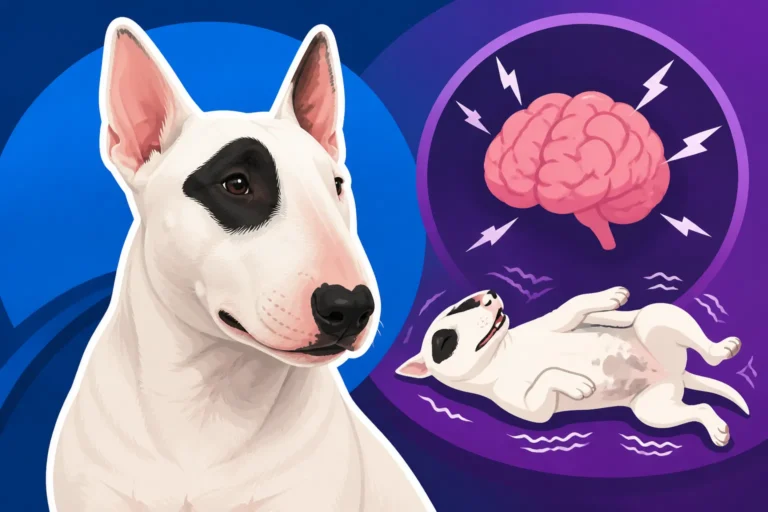
The name "Lethal Acrodermatitis" isn't an exaggeration; it accurately reflects the grim reality of this condition. Because zinc is so fundamental to countless bodily functions—from immune response to skin health, and from growth to neurological development—its chronic and severe deficiency is ultimately fatal. Affected puppies typically show signs very early in life, often between 4 to 12 weeks of age. They experience stunted growth, severe skin lesions, and a profoundly compromised immune system, making them susceptible to every opportunistic infection that comes their way.
Despite intensive care, special diets, and even continuous zinc supplementation, the disease relentlessly progresses. The systemic failure to absorb and utilize zinc means that the body simply cannot sustain itself. The average lifespan for a puppy diagnosed with LAD is typically measured in months, not years, with most succumbing to secondary infections or organ failure before reaching their first birthday. It’s a truly tragic condition, emphasizing why it’s so important for breeders to screen for this genetic marker to avoid bringing puppies into the world to suffer from it. Understanding The Age Acrodermatitis Kills a Bull Terrier really hammers home the severity.
The Critical Role of Zinc in a Bull Terrier's Body
Zinc isn't just one of many minerals; it's a powerhouse micronutrient involved in over 300 enzymatic reactions in the body. It’s crucial for cell growth and division, immune function, protein and DNA synthesis, wound healing, and proper sensory function. For a rapidly growing puppy, an adequate supply of readily available zinc is absolutely non-negotiable for healthy development. When a Bull Terrier puppy cannot absorb zinc, every single one of these vital processes is impacted.
Zinc's Impact on Growth and Development
For a young Bull Terrier puppy, zinc is absolutely indispensable for proper growth and development. It plays a key role in cell replication, protein synthesis, and the function of growth hormones. Without sufficient bioavailable zinc, affected puppies suffer from severe growth retardation, often being significantly smaller than their littermates. This isn't just about weight; it impacts the development of bones, muscles, and organs.
Many owners notice that Why an Acrodermatitis Bull Terrier Puppy Stops Growing is one of the earliest and most noticeable signs, next to their skin issues. Their physical development stalls, their appetite often wanes, and they simply don't thrive like their healthy siblings. This overall failure to grow and develop normally is a direct consequence of the widespread cellular zinc deficiency, affecting everything from brain development to the formation of healthy tissues. The energy that would normally go into vigorous puppy play and growth is instead diverted to fighting off the myriad of problems caused by the zinc deficit.
Immune System Compromise Without Zinc
One of the most devastating consequences of an Acrodermatitis Bull Terrier's inability to absorb zinc is the severe compromise of its immune system. Zinc is absolutely critical for the proper function and development of immune cells, including T-lymphocytes and natural killer cells, which are the body's front-line defenders against infections. Without enough zinc, the immune system simply cannot mount an effective response to pathogens.
This means that puppies with LAD are incredibly susceptible to even common bacterial, viral, and fungal infections that a healthy puppy would easily shake off. They often suffer from chronic skin infections, recurrent respiratory issues, and gastrointestinal problems. This constant battle against infections further taxes their already struggling bodies, making them weak and fragile. It's a cruel cycle: the underlying genetic defect prevents zinc absorption, which cripples the immune system, leading to persistent infections that further deplete the puppy's limited resources. For anyone caring for these pups, it's harrowing to see Why an Acrodermatitis Bull Terrier Catches Every Infection, as it's a relentless and losing battle.
Skin and Paw Manifestations of Zinc Deficiency
The "acrodermatitis" part of the name refers to the prominent and painful skin lesions that develop, especially on the extremities (acro- means extremity, -dermatitis means skin inflammation). The skin is highly dependent on zinc for its integrity, regeneration, and barrier function. When zinc absorption is impaired, the skin rapidly deteriorates.
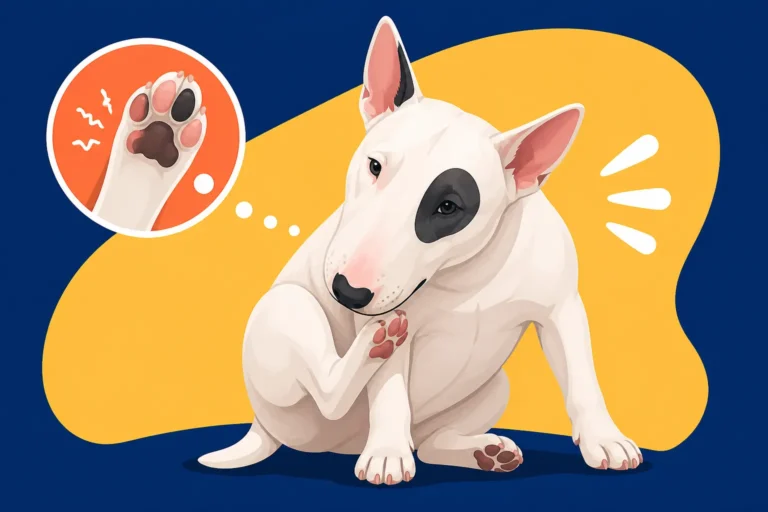
Affected puppies develop thick, crusty, and scaly lesions around their eyes, muzzle, ears, and genitals. Perhaps most tellingly, their paws are severely affected; they become swollen, red, inflamed, and often ulcerated, making it incredibly painful for the puppy to stand or walk. These paw lesions are prone to secondary bacterial and yeast infections, leading to pus, odor, and even lameness. It's an agonizing sight to witness What an Acrodermatitis Bull Terrier's Paws Look Like, often compared to burnt skin, as the tissues slough off. Additionally, the puppy's coat may become sparse, brittle, and dull. This combination of severe skin issues, painful paws, and recurring infections makes for a truly miserable existence.
Clinical Signs and Diagnosis of Impaired Zinc Absorption
Recognizing LAD early is critical, not just for prompt (though ultimately palliative) care, but also to inform breeders and prevent future pairings of carrier dogs. Owners often first notice something is "off" because the puppy isn't growing or behaving like its littermates. The condition presents a unique set of challenges in terms of diagnosis, as simply looking for low zinc levels isn't always a definitive indicator due to the underlying absorption issue rather than just dietary lack.
Recognizing the Early Symptoms of LAD
The signs of LAD typically emerge quite early in a Bull Terrier puppy's life, usually between 4 and 12 weeks of age, though sometimes later in milder, less typical presentations. The earliest indicators are often subtle: a noticeable lack of growth compared to littermates, a dull coat, and perhaps a slight lethargy. As the condition progresses, the symptoms become far more pronounced and heartbreakingly distinctive.
Puppies will develop severe skin lesions, particularly on their paws, muzzle, around the eyes, and on the ears. These areas become thickened, crusty, and often ulcerated. Their paw pads might harden and crack, leading to significant pain and reluctance to walk or play. Recurrent bacterial and yeast infections of the skin are common, making the affected areas greasy, smelly, and even more inflamed. Beyond the skin, these puppies often exhibit a general failure to thrive: they are underweight, may have a poor appetite, and sometimes show behavioral abnormalities, like depression or excessive lethargy. Some affected puppies may also display a peculiar "arched palate" deformity in their mouth. Understanding these Signs a Bull Terrier Puppy Has Acrodermatitis is crucial for owners and veterinarians alike.
Differentiating LAD from Other Zinc Issues
It's easy to confuse LAD with other, more common forms of zinc deficiency or zinc-responsive dermatosis (ZRD), which can occur in various breeds (like Huskies, Malamutes) due to dietary inadequacy or less severe absorption issues. However, the key difference with LAD in Bull Terriers is the genetic and absolute nature of the malabsorption. In ZRD, dietary supplementation with zinc usually leads to a dramatic improvement. With LAD, this simply isn't the case. While some temporary, minor improvements might be seen with extremely high doses of injectable zinc, the fundamental genetic defect means the body still struggles to utilize it effectively, and the improvement is never sustained or complete.
This distinction is vital for accurate diagnosis and prognosis. If a Bull Terrier puppy is presenting with severe skin lesions, poor growth, and a compromised immune system, and doesn't respond to standard oral zinc supplementation, LAD should be strongly suspected. This differentiates it from Zinc Responsive Dermatosis in a Bull Terrier which, while serious, is often manageable with supplementation.
Diagnostic Steps for Confirmation
Confirming a diagnosis of LAD requires a combination of clinical observation and genetic testing. Given the unique breed predisposition and characteristic clinical signs, a veterinarian familiar with Bull Terriers will often suspect LAD based on the puppy's age, symptoms, and lack of response to initial treatments. Blood tests may reveal low zinc levels, but this isn't always definitive, as the problem is in cellular uptake.
The most definitive diagnostic tool is a DNA test. Reputable veterinary genetic laboratories offer a specific test to identify the MKLN1 gene mutation. This test can be performed using a simple cheek swab or a blood sample. This genetic test will confirm whether the puppy has inherited two copies of the defective gene, making the diagnosis unequivocal. This test is also incredibly valuable for breeders to screen their breeding stock and identify carriers, ensuring that they do not inadvertently produce affected puppies. The availability of When the Bull Terrier Acrodermatitis DNA Test Arrived has been a game-changer for ethical breeding practices. Pet insurance providers like Healthy Paws often cover diagnostic testing if the condition isn't pre-existing, which is a major consideration for families facing these challenging diagnoses.
Living with the Realities of Acrodermatitis
The reality of a LAD diagnosis is heartbreaking and profoundly challenging for any Bull Terrier owner. While extensive care can be given, the condition remains lethal, and owners must prepare for a very difficult journey. This understanding also places a significant responsibility on breeders to actively work towards eradicating this devastating disease.
The Heartbreaking Prognosis and Management
There is currently no cure for Lethal Acrodermatitis in Bull Terriers. Despite the most dedicated efforts, including specialized diets, high-dose zinc supplementation (often injectable, as oral isn't absorbed), antibiotics for secondary infections, and palliative care for the painful skin lesions, the disease invariably progresses. The continuous struggle against severe infections, the profound growth failure, and the chronic pain mean that affected puppies have a very poor quality of life.
Most puppies diagnosed with LAD do not survive past their first year, and many succumb much earlier. The goal of management is primarily palliative: to alleviate suffering and make the puppy as comfortable as possible for the limited time they have. This often involves rigorous hygiene to manage skin infections, pain relief, and nutrient-dense, easily digestible food. It’s an emotionally taxing journey for owners, who watch their puppy fade despite every intervention. Knowing How Long an Acrodermatitis Bull Terrier Puppy Survives helps families make informed, compassionate decisions about their pup's care and eventual euthanasia to prevent prolonged suffering.
Breeder Responsibility and Genetic Testing
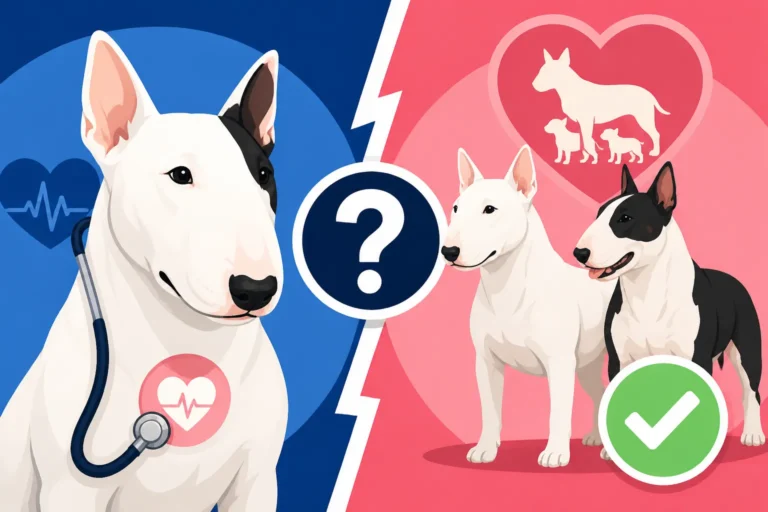
Given the devastating nature of LAD, responsible breeding practices are absolutely critical to preventing its occurrence. Breeders have a moral and ethical obligation to screen their breeding stock for the MKLN1 gene mutation. A simple DNA test can identify if a dog is clear, a carrier (heterozygous for the gene), or affected (homozygous for the gene, though affected dogs would likely not live long enough to be bred).
The ideal scenario is to only breed clear dogs to clear dogs. However, to maintain genetic diversity within the breed, it's sometimes necessary to breed carriers. In such cases, a carrier can be bred to a clear dog. This pairing will produce some clear puppies and some carrier puppies, but never an affected puppy. All puppies from such a pairing should then be tested to identify carriers. Under no circumstances should two carriers be bred together, as this carries a 25% chance of producing affected puppies with each litter. This diligent approach is how breeders can work collectively to breed out this devastating condition over generations. Organizations like the Bull Terrier Club of America strongly advocate for comprehensive health testing, including the LAD DNA test, ensuring the future health of the breed. It’s also vital to ensure that a Bull Terrier Breeder Shows the Acrodermatitis Result for transparency.
Supporting Research and Awareness
While the genetic mutation for LAD has been identified, ongoing research is crucial to better understand the disease, explore potential therapeutic avenues, and develop even more effective screening tools. Supporting organizations that fund genetic research into Bull Terrier health conditions can make a significant difference. Raising awareness among prospective Bull Terrier owners about LAD is also incredibly important. They need to understand the critical importance of choosing a puppy from a breeder who performs all recommended health screenings, including the LAD DNA test, and is transparent about their results.
By educating themselves and others, owners can put pressure on the breeding community to uphold the highest standards, ultimately reducing the incidence of LAD and sparing countless puppies and their families from this profound suffering. Resources like the Orthopedic Foundation for Animals (OFA) maintain a public database of health test results, allowing potential buyers to verify a breeder's claims. For unexpected health issues, understanding insurance options like those from Healthy Paws can provide some financial relief, but prevention through responsible breeding remains the most powerful tool against LAD.
Comprehensive Overview of Zinc Deficiency in Bull Terriers
| Feature | Normal Bull Terrier Zinc Absorption | Acrodermatitis Bull Terrier Zinc Absorption (LAD) |
|---|---|---|
| Genetic Basis | Healthy MKLN1 gene copies | Two defective MKLN1 gene copies |
| Absorption | Efficient uptake from diet | Severely impaired uptake from diet and cells |
| Cellular Use | Zinc transported and utilized | Zinc cannot enter cells effectively |
| Immune System | Robust and functional | Severely compromised, prone to infection |
| Skin & Paws | Healthy, resilient skin | Thick, crusty lesions, ulcerated paw pads |
| Growth & Weight | Normal, healthy development | Stunted growth, failure to thrive |
| Response to Oral Zinc Supplementation | Excellent, symptoms resolve | Minimal to no improvement |
| Prognosis | Excellent | Fatal, typically within the first year of life |
Disclaimer
The information provided in this article is for educational and informational purposes only, and does not constitute veterinary advice. Always consult with a qualified veterinarian for any health concerns or before making any decisions related to your pet's health and treatment.