Whether Hinks Kept Bull Terrier Breeding Records
For anyone fascinated by the origins of the magnificent Bull Terrier, there's often a burning question about James Hinks, the breed's founder: did he keep meticulous records of his breeding efforts? The simple answer is, not in the way we understand and expect breeding records today, which can be incredibly frustrating for those of us who love to trace a dog's lineage back through history. This guide will explore the realities of breeding practices in Hinks' era, what we do know about his methods, and why understanding this historical context is so important for appreciating the rigorous standards of modern Bull Terrier breeders.
The Elusive Nature of Early Bull Terrier Breeding Records
Imagine a time before formal kennel clubs, before widespread DNA testing, and even before the idea of a universal breed standard was fully established. This was the world James Hinks operated in when he shaped the Bull Terrier in the mid-1800s. While Hinks was undoubtedly a skilled and innovative breeder, the concept of detailed, publicly accessible breeding records, as we demand from reputable breeders today, simply didn't exist in the same formalized capacity.
Why Hinks' Records Are a Historical Mystery
When we talk about "breeding records" today, we picture pedigrees tracing back generations, health testing results, temperament notes, and even photos of ancestors. For Hinks, his "records" were likely a combination of personal knowledge, handwritten notes, and perhaps even mental archives, passed down within his family or close associates. He was a dealer and breeder, and while he was celebrated for his White Cavaliers, his primary objective was to produce exceptional dogs that met his vision, rather than to create an intricate paper trail for posterity. The focus was on the physical dog, its capabilities, and its immediate parentage, not necessarily on a meticulously documented multi-generational health and conformation history.
Think of it like a master craftsman refining his art. He knows exactly what materials he uses and the techniques he employs, but he might not have a formal blueprint for every single item he creates. His expertise is in his hands and his eye, not always in a filing cabinet. Similarly, Hinks' skill was in selecting and pairing dogs to achieve his desired type, drawing on his deep practical understanding of canine genetics, even if the science wasn't formally understood or documented as it is now. This makes tracing specific lines or confirming exact pairings from his earliest days incredibly challenging for modern historians.
The Information We Do Have About Hinks' Breeding
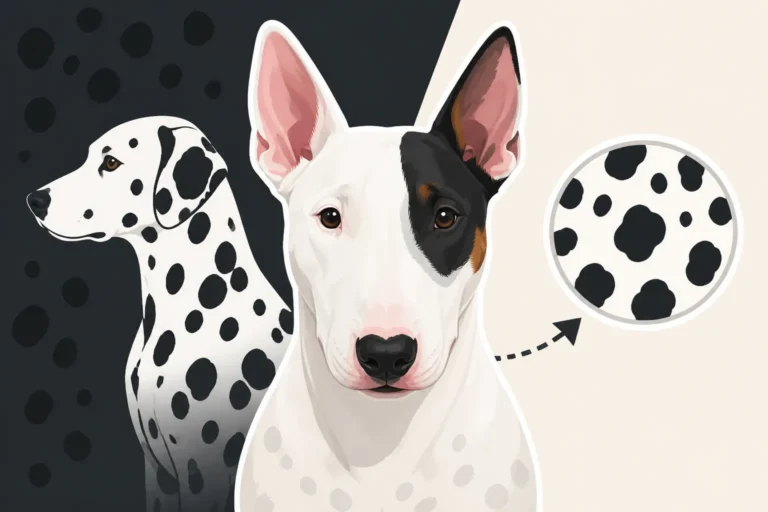
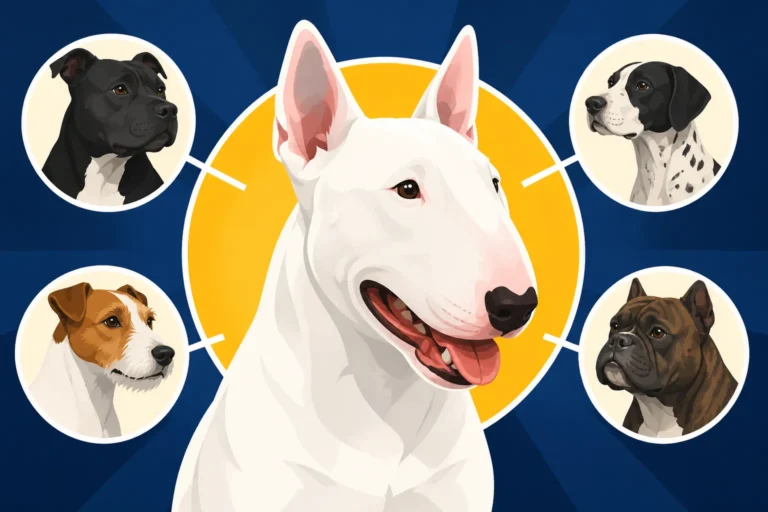
Despite the lack of formal paperwork, we aren't completely in the dark. Historical accounts, anecdotal evidence, and contemporary writings give us glimpses into Hinks' methods. We know, for instance, that he started with a foundation of the Old English Bulldog and various terriers, like the now-extinct English White Terrier, and likely introduced other breeds such as the Dalmatian for elegance and color. Which Breeds Went Into the Bull Terrier is a fascinating topic that relies heavily on careful historical deduction rather than explicit breeding logs. Hinks was known to test his dogs' capabilities, often against other breeds or in controlled environments, demonstrating their courage and prowess, which was a form of "record-keeping" for him – a practical assessment of his breeding success.
We also know that Hinks' family carried on his work, suggesting a continuity of knowledge and perhaps some form of internal "records" or practices that persisted. For example, his famous dog, Puss, showcased at the 1862 Cremorne Show, became a legendary figure, with her lineage being a point of pride. While we may not have a precise birth certificate and full family tree for Puss, her impact and recognized quality served as a powerful testament to Hinks' breeding success, almost like a living, breathing record of his achievement.
Why Formal Records Weren't the Norm in Hinks' Time
It’s easy for us, with our modern understanding of genetics and breed standards, to assume that record-keeping has always been a fundamental part of dog breeding. However, the context of the 19th century was vastly different. Dog breeding was evolving from a purely functional pursuit to a more formalized hobby and science, but it was still in its infancy.
The Dawn of Kennel Clubs and Pedigrees
Before the establishment of major kennel clubs like the Kennel Club in the UK (1873) and the American Kennel Club (1884), there was no centralized system for registering dogs or documenting pedigrees. Breeders worked largely independently, often in local communities, exchanging dogs and knowledge without the need for official papers. The concept of a "registered pedigree" was a novel one. Dogs were often valued for their immediate parents and their demonstrated abilities, rather than a long, documented line of ancestors. This meant that while breeders knew their dogs' immediate parentage, the kind of detailed, multi-generational records we expect today simply didn't exist as a standardized practice.
Furthermore, the early breeding landscape was less about preserving distinct "breeds" as we define them today, and more about developing types of dogs for specific purposes, be it companionship, sport, or working roles. Hinks himself was instrumental in creating a distinct type – the Bull Terrier – from a diverse pool of existing dogs. James Hinks Built the Bull Terrier in Birmingham in the 1860s highlights this pivotal role, emphasizing innovation and creation over the strict adherence to pre-existing, documented lines. The focus was on the future of the breed he was shaping, not just on recording the past.
The Role of Oral Tradition and Personal Reputation
In the absence of formal paperwork, reputation and oral tradition were paramount. A breeder's word, their known successes in the show ring (which were still developing), or their ability to produce healthy, type-correct dogs, served as their "credentials." People knew Hinks by his dogs, and his success spoke volumes. If you wanted a Hinks Bull Terrier, you went to Hinks, trusting his expertise and the quality of his animals. This reliance on personal connection and trust meant that extensive written records were often seen as less critical than the breeder's direct knowledge and the observable quality of their stock.
This era was very much a "show-me-the-dog" rather than "show-me-the-paperwork" kind of world. The immediate appearance and disposition of a dog were the primary indicators of its quality, and the breeder's standing in the community provided the necessary assurance. This isn't to say there was no care or thought put into breeding, but rather that the form of documenting that care was different and less formalized than what we are accustomed to in the 21st century.
The Legacy: What We Know and Don't Know About Hinks' Breeding
The practices of James Hinks, while not documented in the modern sense, left an indelible mark on the Bull Terrier breed. His vision and selective breeding created the foundation for the unique canine we adore today. Understanding what remains a mystery, and what can be inferred, helps us appreciate the journey of this remarkable breed.
Insights from Type and Temperament
Even without specific breeding logs, Hinks' success is evident in the Bull Terrier's enduring characteristics. The breed's distinct "downface" and egg-shaped head, its powerful build, and its characteristic blend of courage and clownish charm are all testaments to his meticulous selection. How the Bull Terrier's Head Changed Over Time points to a deliberate evolution orchestrated by breeders like Hinks to achieve this iconic look. The consistent type that emerged and was recognized by early enthusiasts speaks volumes about a careful, albeit undocumented, breeding program.
We can also infer a great deal about Hinks' priorities by observing the Bull Terrier's temperament. His goal was to create "the White Cavalier" – a dog of courage, but one that was fair in fights and devoted to its owner. This implies a selective process that favored stable, confident dogs that weren't inherently aggressive but possessed an unwavering spirit. While we don't have Hinks' personal notes on individual dog temperaments, the success of his lines in developing this unique personality suggests a consistent approach to breeding for desired behavioral traits alongside physical ones.
The Gaps in Our Historical Knowledge
The biggest gap, of course, lies in the exact genetic lineage. Without formal records, it's difficult to pinpoint which specific individuals contributed most heavily to certain traits, or to trace the health histories of particular lines. For instance, the prevalence of deafness in white Bull Terriers, or the challenges with conditions like Hereditary Nephritis, are now understood through modern genetic research, but tracing the exact origin of these predispositions back to Hinks' foundational stock remains largely theoretical. How Many White Bull Terriers Are Born Deaf and What Hereditary Nephritis Does to a Bull Terrier are critical topics for modern breeders precisely because the earliest records are so sparse.
This lack of detailed historical record-keeping can sometimes lead to speculation or romanticized notions about the breed's development. While Hinks was undoubtedly a genius of his time, without clear documentation, we can only piece together his methods through observation of his results and the sparse writings of the era. It means that while we celebrate his foundational work, we also recognize the inherent limitations in truly understanding every step of his breeding journey.
The Crucial Role of Records in Modern Bull Terrier Breeding
Fast forward to today, and the landscape of dog breeding is utterly transformed. The "records" that Hinks likely kept in his head or informal notes are now mandated, scrutinized, and form the backbone of ethical, responsible breeding. This shift is not just about paperwork; it's about the health, temperament, and future well-being of the Bull Terrier breed.
Transparency and Accountability in Breeding
Modern reputable breeders understand that comprehensive records are non-negotiable. This includes multi-generational pedigrees that trace ancestry, ensuring genetic diversity and avoiding excessive inbreeding. Crucially, it also encompasses extensive health testing. Breeders today screen for genetic conditions common in Bull Terriers, such as heart issues, kidney disease, and deafness. They document these results meticulously and are transparent with potential buyers. For instance, a responsible breeder will readily share documentation of health clearances for both parents, including cardiac evaluations, kidney screenings (like UPC ratios), and BAER tests for deafness. Which Health Tests a Bull Terrier Breeder Should Run is a vital resource for anyone looking for a puppy, as these tests and their corresponding records provide invaluable insight into a puppy's potential health.
This level of documentation provides accountability. It allows buyers to verify claims, and it helps the breed community track genetic health trends over time. When you consider purchasing a puppy, asking to see these records isn't just a formality; it's a critical step in ensuring you're supporting ethical practices and increasing the likelihood of bringing a healthy puppy into your home. A breeder's unwillingness to provide such documentation should raise a serious red flag.
The Importance of Health Certifications and Pedigrees
Today's breeding records go far beyond just a name. They involve official certifications from veterinary specialists, often registered with central health organizations (like OFA or CERF in the US), confirming that parents have been screened for specific hereditary conditions. For Bull Terriers, this means checks for:
- Hereditary Nephritis: Regular urine protein-creatinine (UPC) ratio tests and kidney ultrasounds. The Yearly Urine Test Every Bull Terrier Owner Should Book emphasizes this.
- Cardiac Disease: Echocardiograms to assess heart health, particularly for conditions like mitral valve dysplasia or aortic stenosis. The Heart Murmur a Bull Terrier Puppy Should Be Checked For is a common concern.
- Deafness: BAER (Brainstem Auditory Evoked Response) testing, especially for white Bull Terriers. Why a White Bull Terrier Should Be BAER Tested
- Patellar Luxation: Orthopedic evaluations.
- Lethal Acrodermatitis (LAD): DNA testing to identify carriers, preventing affected puppies. Lethal Acrodermatitis Kills a Bull Terrier Puppy Before It Grows Up
These records allow breeders to make informed decisions about pairings, aiming to reduce the incidence of these conditions in future generations. For example, a breeder might have a valuable dog that carries a gene for a particular condition, but by carefully pairing it with a clear mate, they can produce healthy puppies. These decisions are only possible with comprehensive, verifiable records. When you're browsing resources for your new puppy, you'll often see breeders advertising on sites and using platforms that facilitate the sharing of this crucial health information. Even finding the right food for a sensitive Bull Terrier, perhaps from a trusted online retailer like Chewy, depends on knowing its genetic predisposition and health history.
How to Research Your Bull Terrier's Lineage Today
While you can't go back in time to Hinks' detailed notes, you absolutely can and should research the lineage of any Bull Terrier you're considering bringing into your family. This process is about being a responsible, informed owner and supporting breeders who prioritize the health and future of the breed.
Connecting with Reputable Breeders and Breed Clubs
The first step in researching a Bull Terrier's lineage is to connect with reputable breeders and the national Bull Terrier club in your region. These organizations often maintain databases of registered dogs and provide resources for understanding pedigrees and health clearances. A good breeder will be an open book, eager to discuss the health history of their lines, the specific tests they perform, and the temperament of the ancestors in a puppy's pedigree. They'll show you the official certifications for hips, elbows, eyes, and heart clearances, not just for the parents, but often for grandparents too.
Don't be shy about asking direct questions. Ask about specific health issues in the line, even those that might be several generations back. A transparent breeder will appreciate your thoroughness. They might even recommend specific bloodlines known for their longevity or particular strengths. This proactive approach ensures you're getting a clear picture of what you're investing in. Think of it like buying a house; you wouldn't just take the seller's word for it, you'd want inspections and documentation. The same goes for bringing a living, breathing family member into your home!
Utilizing Online Pedigree Databases and Health Registries
Many breed clubs and individual breeders utilize online databases where you can look up a dog's pedigree, health test results, and even show titles. Websites like the Orthopedic Foundation for Animals (OFA) provide a searchable database for health clearances, allowing you to independently verify a dog's health status. You can often see the results for cardiac screenings, kidney health, and more. This is an invaluable tool for doing your due diligence.
For example, if a breeder tells you the parents of a litter are "fully health tested," you should be able to look up those specific dogs by their registered names on the OFA website or other official health registries. If you can't find them, or if the results are incomplete, that's a signal to ask more questions. A responsible breeder will be registered with a recognized kennel club and will have official documentation for all relevant health screenings. This ensures that the efforts of breeders contribute to a robust, healthy gene pool for future generations of Bull Terriers. You can even find specific products on Chewy that are tailored for puppies from healthy, well-researched lines, like premium puppy food or specialized training treats for those early learning days.
What to Expect from a Responsible Breeder Today
When working with a responsible Bull Terrier breeder, you should expect to see a comprehensive approach to record-keeping and transparency. They won't just tell you about the parents; they'll talk about the entire line.
Here’s a table outlining what to expect:
| Aspect of Breeding | Hinks' Era (Mid-1800s) | Modern Responsible Breeder |
|---|---|---|
| Pedigree Records | Largely informal, oral tradition, personal notes | Formal, multi-generational, registered with kennel clubs |
| Health Testing | Based on observable vigor and survival | Extensive, documented genetic and physical health screenings (heart, kidneys, hearing, etc.) |
| Temperament Notes | Based on observed behavior and reputation | Documented observations, genetic predispositions, early socialization |
| Purpose | To establish a new breed type, functional abilities | To preserve breed standard, improve health, ensure sound temperament |
| Transparency | Relied on personal trust and reputation | Documented, verifiable public records and open communication |
| Puppy Placement | Direct sales, personal connections | Thorough screening of potential owners, detailed contracts, lifetime support |
As you can see, while James Hinks laid the incredible foundation for our beloved Bull Terriers, the methodology has evolved tremendously. The goal today is to combine the passion and vision of those early breeders with scientific knowledge and a commitment to transparency, ensuring the breed thrives for generations to come. When you are preparing for a new Bull Terrier puppy, make sure you have all the essentials, from a comfortable bed to durable toys, easily accessible from retailers like Chewy.
Understanding this journey, from the shadowy, undocumented origins of Hinks' kennel to the meticulously recorded pedigrees of today, makes us appreciate the Bull Terrier's resilience and the dedication of breeders who strive for its future.
Disclaimer
This article is for general informational purposes only and does not constitute professional advice. Laws, prices and regulations vary by location and change over time. Consult a qualified professional for guidance on your specific situation.