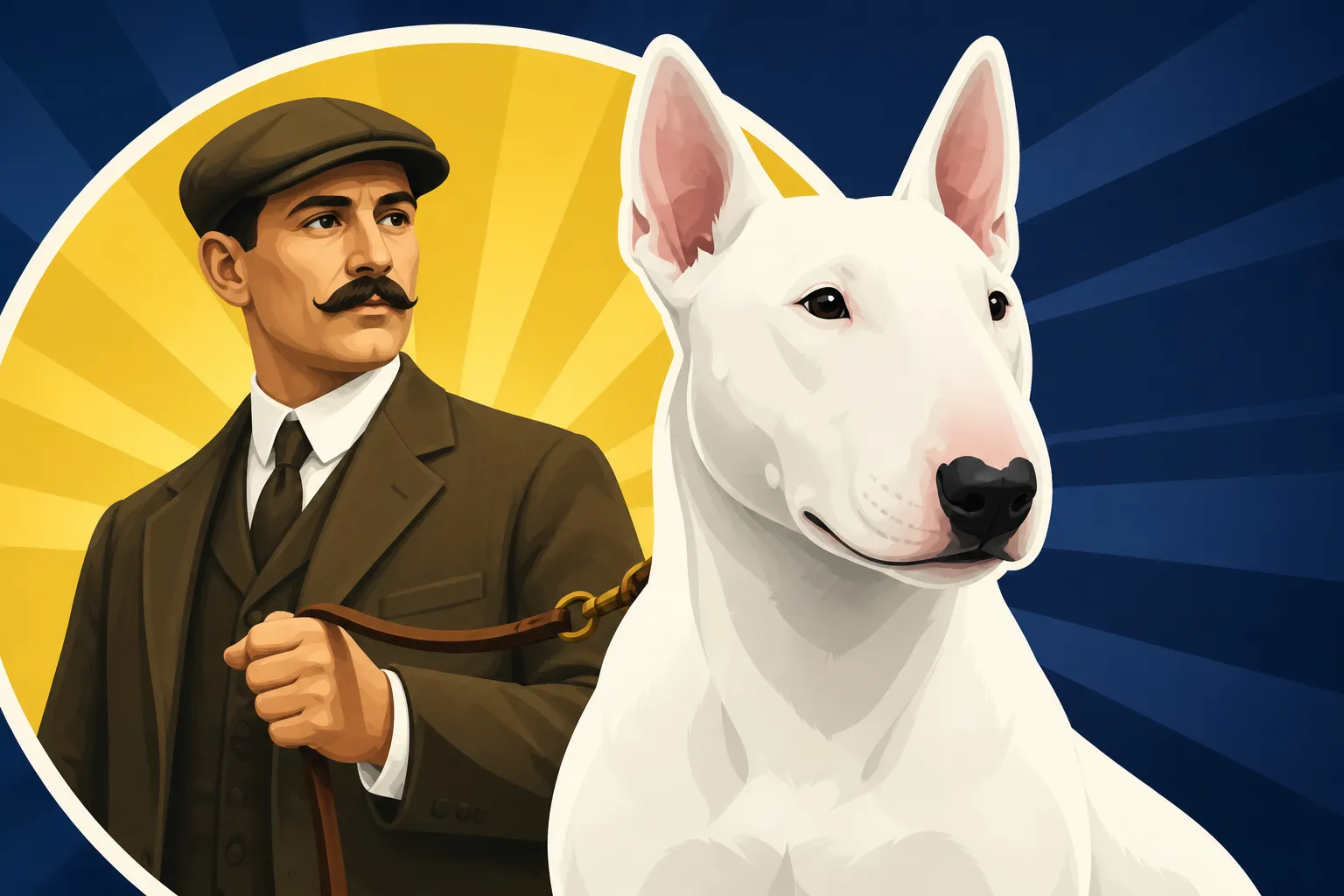
Which Year Hinks Showed His First White Bull Terrier
For anyone fascinated by the unique history of the Bull Terrier, one question often arises: exactly when did the breed’s progenitor, James Hinks, first unveil his distinctive white "Cavalier" to the world? It’s a moment etched into canine history, marking the true emergence of the breed we adore today. This guide will take you through that pivotal moment, exploring the man, the dog, and the dramatic debut that put the Bull Terrier on the map.
The Visionary Behind the White Cavalier: Who Was James Hinks?
Before we dive into the grand reveal, it's essential to understand the man behind the magnificent breed: James Hinks. He wasn't just a casual dog breeder; he was a true visionary, driven by a clear ideal in a time when dog breeding was far less standardized than it is today. His dedication and passion for crafting the perfect companion dog laid the groundwork for the Bull Terrier's enduring legacy.
Birmingham's Canine Artisan
James Hinks hailed from Birmingham, England, a bustling industrial city in the mid-19th century. In those days, dog breeding was often focused on utility—fighting, ratting, or guarding. The "bull and terrier" type dogs, as they were broadly known, were powerful animals, often crosses between Old English Bulldogs and various terriers, bred for their gameness and tenacity. They were rugged, formidable, and certainly not known for their refined looks or calm demeanor.
Hinks, however, saw something more. He envisioned a dog with the strength and courage of the bull and terrier types, but with an elegance, intelligence, and refined appearance that would appeal to the burgeoning middle and upper classes. He wanted a dog that could hold its own, certainly, but also one that could be a loyal and respectable companion in a gentleman's drawing-room. This wasn't an easy task, as it required not only careful physical selection but also a profound understanding of temperament. It meant painstakingly breeding out undesirable aggression while retaining the core Bull Terrier spirit.
The Goal: A Gentleman's Companion
Hinks's ambition was to create an all-white dog. In an era where white dogs were often associated with purity and nobility, this color choice was deliberate and highly symbolic. He was aiming for a dog that exuded sophistication and class, a stark contrast to the often rough-and-tumble appearance of its ancestors. The term "White Cavalier" was eventually coined to describe his ideal—a true gentleman among dogs, brave but gentle, powerful but composed.
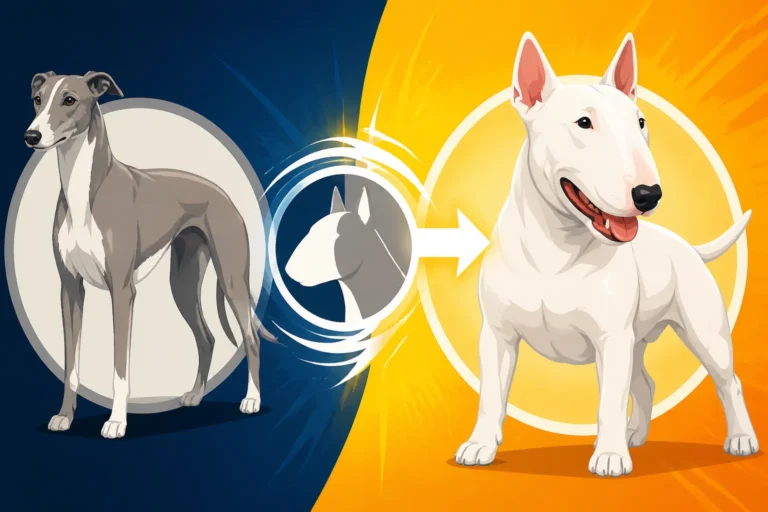
To achieve this, Hinks is believed to have carefully crossed his existing bull and terrier types with the now-extinct English White Terrier, and possibly even the Dalmatian, to introduce the striking white coat and enhance their build and agility. The process was one of trial and error, a constant refinement over several generations. He was looking for specific characteristics: the powerful, muscular body, the elegant arch of the neck, and eventually, that distinctive head shape, which wasn't fully developed in his earliest dogs but was clearly part of his long-term vision. This quest for a singular appearance and temperament was a challenging endeavor, requiring immense dedication and a keen eye for subtle improvements in each litter.
The Unveiling: James Hinks' First White Bull Terrier in 1862
The efforts of James Hinks culminated in a truly landmark event that showcased his new breed to the world and irrevocably changed the course of Bull Terrier history. It wasn't just a simple dog show; it was a public demonstration that cemented the reputation of his "White Cavaliers."
The Famed Cremorne Dog Show
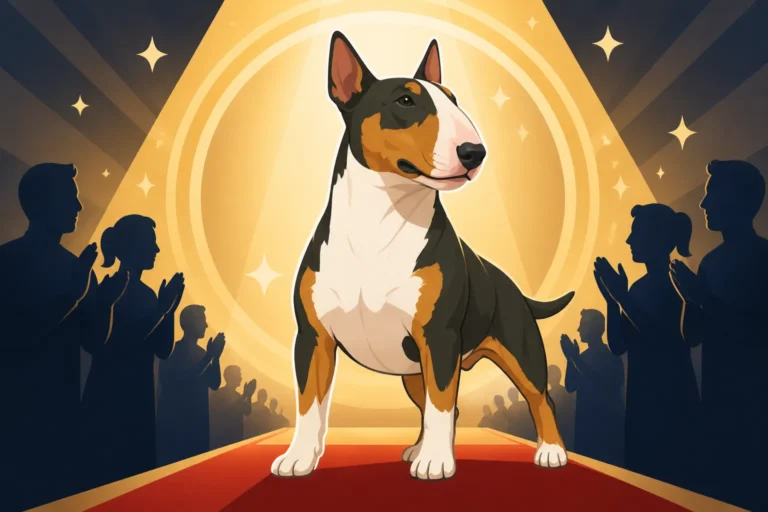
The year was 1862, and the place was the celebrated Cremorne Dog Show in London's Cremorne Gardens. Dog shows were gaining popularity in Victorian England, providing a platform for breeders to showcase their animals and compete for prestige. For Hinks, this was the perfect stage to introduce his refined white Bull Terriers. He arrived with several of his dogs, but it was a particular white bitch named Puss who would steal the show and write herself into legend.
Puss was not just beautiful; she embodied Hinks's ideal perfectly. She was courageous, physically imposing, yet possessed an undeniable elegance. The highlight of the show, and what many still remember, wasn't just Puss winning her class, but a daring public wager. Hinks confidently bet that his Puss could defeat an Old English Bulldog in a fight, and emerge without a single scratch. This wasn't about bloodlust or promoting dog fighting; it was a dramatic demonstration of his new breed's superior fighting technique and, more importantly, its disciplined temperament. The underlying message was clear: this dog knew how to finish a fight efficiently and cleanly, without being savaged itself.
More Than Just a Pretty Face: The Temperament Triumphs
The wager commenced. Puss, true to Hinks's belief, engaged the much larger and more formidable Bulldog. The onlookers held their breath. Many expected a brutal, drawn-out battle. However, Puss's performance was astonishing. She used her agility, strength, and intelligence to avoid serious injury, expertly evading the Bulldog's attacks while delivering strategic blows. The match was long and grueling, lasting a full 30 minutes, which was an eternity for such contests.
When the fight was eventually called, Puss emerged victorious, and critically, without a single scratch on her pristine white coat. This was the defining moment. It proved that Hinks had not merely bred a pretty face; he had created a dog of immense courage, intelligence, and impeccable fighting form that could win a contest cleanly. More profoundly, it highlighted the Bull Terrier's balanced temperament—a dog that could be fierce when necessary but was also disciplined and controlled. This public triumph at Cremorne shattered misconceptions about the breed's origins and showcased the White Cavalier as a truly unique and desirable dog. It demonstrated that What the White Cavalier Name Meant was more than just a catchy phrase; it was a testament to the breed's character.
The Legacy of the 1862 Debut: Shaping the Breed's Future
The 1862 Cremorne Dog Show was far more than a single event; it was a catalyst that shaped the future of the Bull Terrier breed, defining its image and accelerating its development. James Hinks's bold move left an indelible mark, influencing how the breed was perceived and bred for generations to come.
Public Reception and Breed Development
The astounding victory of Puss at Cremorne sent ripples through the canine world. Suddenly, everyone wanted one of "Hinks's White Cavaliers." The public was captivated by the combination of strength, elegance, and controllable gameness. This created an immediate demand for his dogs, and Hinks’s kennel flourished. The successful demonstration of Puss's abilities directly contributed to the Bull Terrier being seen as a distinct and superior breed, moving it beyond the generic "bull and terrier" classification.
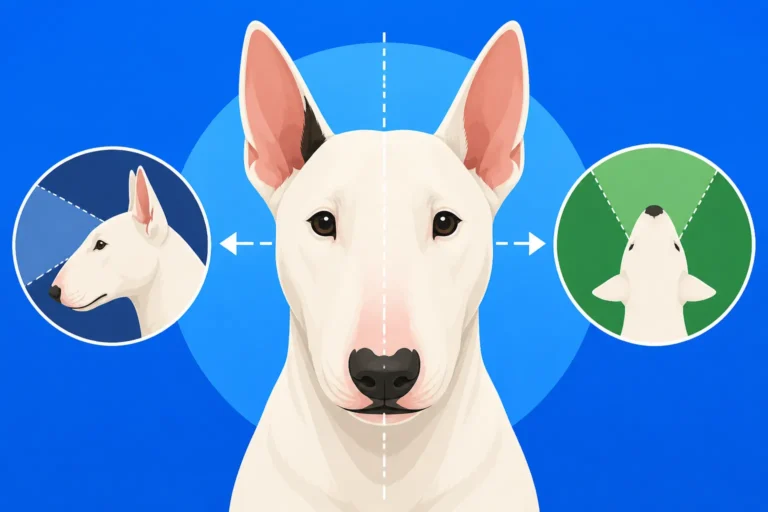
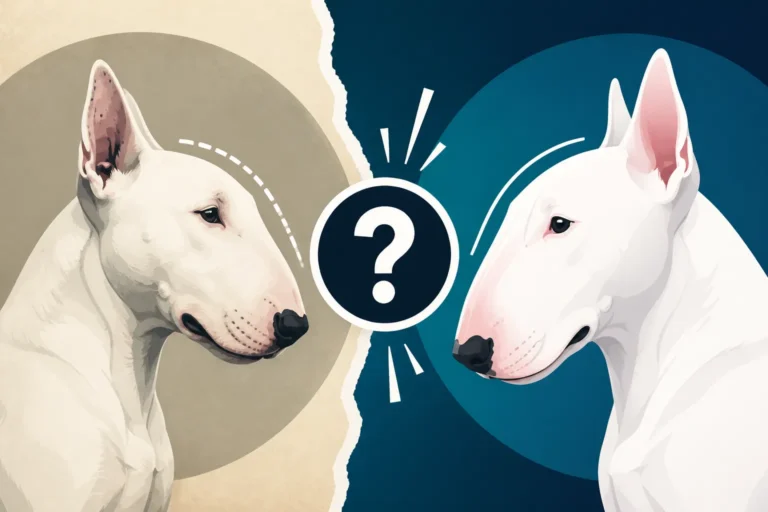
This surge in popularity meant that breeders began to focus on standardizing the look and temperament that Hinks had championed. The pure white coat became a hallmark, alongside the muscular build and courageous yet amenable disposition. While the classic "egg-shaped" head we know today would evolve further over many decades, the foundation for its distinct profile was undoubtedly laid by Hinks's early successes. This focus on a specific aesthetic and character helped solidify the breed's identity, ensuring that future generations aimed for a consistent standard. If you ever wonder How the Bull Terrier's Head Changed Over Time, it's important to remember that this quest for a unique appearance began with Hinks's original vision.
The "White Cavalier" Ideal Takes Hold
The enduring image of the "White Cavalier" – a gentleman's companion, courageous without being quarrelsome, elegant yet powerful – was cemented by Puss's triumph. It was a powerful counter-narrative to the often-negative perceptions of bull and terrier types, which were still associated with violent sports. Hinks positioned his Bull Terriers as noble, respectable animals, worthy of a place in any home. This was a critical distinction, helping the breed gain acceptance and popularity outside of working-class or sporting circles.
The qualities demonstrated by Puss – her ability to engage fiercely but without succumbing to uncontrolled aggression or injury – became the ideal for which Bull Terrier breeders strove. It proved that a powerful dog could also be intelligent, strategic, and capable of restraint. This ideal continues to resonate with Bull Terrier owners today, who admire their dogs for their playful spirit, unwavering loyalty, and formidable presence. Even today, when looking for products for these unique dogs, whether it's durable toys or specialized food, online stores like Chewy cater specifically to their needs, acknowledging the ongoing desire to provide the best for these "Cavaliers." This historical moment underscored the importance of Whether the Bull Terrier Was a Gentleman's Companion, proving that they could indeed be both.
The table below illustrates some of the key distinctions between the general "Bull and Terrier" type of dog common before Hinks, and the emerging characteristics of his Bull Terrier, as showcased at the 1862 show.
| Feature | Pre-1862 "Bull and Terrier" Type | James Hinks' Bull Terrier (post-1862 ideal) |
|---|---|---|
| Primary Purpose | Fighting, baiting, working | Gentleman's companion, show dog, refined sport dog |
| Appearance | Varied, often brindle/dark, stocky, less refined | Predominantly pure white, elegant, athletic, muscular |
| Temperament Focus | Gameness, raw aggression | Courageous, disciplined, loyal, good-natured |
| Head Shape | More traditional "stop" between eyes | Emerging "downface," cleaner profile (less defined) |
| Social Acceptance | Often viewed with suspicion, working class dog | Aspirations for middle/upper-class acceptance |
| Show Ring Success | Limited, specific to fighting events | Designed for conformation and public demonstration |
This distinction was crucial for the breed's future, guiding its evolution and ensuring its place in the hearts of dog enthusiasts worldwide. The 1862 debut was not just a historical footnote; it was the launching pad for the Bull Terrier's unique journey. It was a bold statement that forever linked the breed to its distinct identity and set the stage for its continued development into the beloved, clownish, yet noble companions we know today.
Disclaimer
This article is for general informational purposes only and does not constitute professional advice. Laws, prices and regulations vary by location and change over time. Consult a qualified professional for guidance on your specific situation.