Which Famous Bull Terriers Everyone Remembers
It's quite common to see a distinctive dog in a commercial, a movie, or a historical photograph and instantly recognize its unique charm, yet not always know the breed behind that famous face. For us Bull Terrier enthusiasts, there's a special pride that swells when one of "ours" makes it big, capturing the hearts of millions and solidifying their place in popular culture. But often, the story behind these canine celebrities is far richer and more nuanced than the catchy jingle or the fleeting screen appearance. This guide aims to delve into the lives and legacies of the most famous Bull Terriers who have etched themselves into our collective memory, exploring their impact, their stories, and what made them truly unforgettable.
The Original White Cavalier: Puss and the Early Days
Before modern advertising campaigns or Hollywood blockbusters, the Bull Terrier found its first taste of fame in the challenging world of Victorian dog shows and wagers. This wasn't about selling beer or promoting a department store; it was about proving the breed's mettle, demonstrating its unique character, and establishing its reputation as a gentleman's companion. And at the forefront of this early fame was a legendary dog named Puss.
James Hinks' Vision and Puss's Triumph
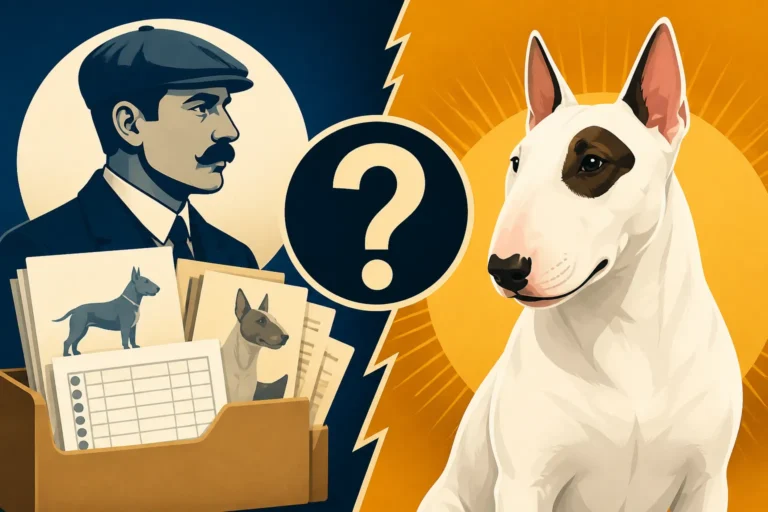
The story of Puss really begins with James Hinks, the visionary breeder from Birmingham, England, who is widely credited with developing the modern Bull Terrier in the 1860s. Hinks set out to create a dog that combined the strength and tenacity of the old bull-and-terrier crosses with a refined appearance, intelligence, and a surprisingly gentle disposition towards humans. He wanted a "White Cavalier," a dog that looked formidable but was, in essence, a loyal and brave companion, not a brute. This was a radical idea at a time when many dogs of this type were still associated with violent sports. If you're curious about the lineage, Where the Bull Terrier Comes From offers a deeper dive into the breed's origins.
Puss was Hinks's shining example, a stunning white Bull Terrier who embodied everything Hinks had strived for. The most famous anecdote involving Puss occurred at the 1862 Cremorne Dog Show in London. The story goes that Hinks made a wager with a rival breeder: his white Bull Terrier, Puss, against the rival's much-lauded dog, in a fight to the finish. The stakes were high, reputation and money on the line. What happened next cemented Puss’s legend.
Beyond the Ring: The Bull Terrier's New Role
Instead of a bloody brawl, Puss emerged victorious without a single scratch, having dispatched his opponent swiftly and cleanly. This impressive display was said to have proven Hinks's point: his Bull Terriers were superior, possessing not just strength but also courage and a certain dignified efficiency. It was a pivotal moment, shifting public perception away from merely a fighting dog towards an animal of courage, style, and composure. This era helped establish the Bull Terrier as a symbol of gentlemanly sport and a loyal companion, an image that endures to this day. The idea of the "White Cavalier," as explained further in What the White Cavalier Name Meant, truly took hold.
Puss wasn't just a fighter; he was a standard-bearer for a new breed, demonstrating that intelligence and controlled power could triumph over brute force. His fame helped solidify the Bull Terrier's place in society, showing that these dogs, despite their powerful appearance, were capable of being refined, loyal, and intelligent companions. This early spotlight ensured that the Bull Terrier breed gained recognition and respect, paving the way for future generations of famous Bull Terriers to capture even wider audiences.
Madison Avenue's Darling: Spuds MacKenzie
Fast forward over a century, and the Bull Terrier found himself thrust into a new kind of spotlight: that of an advertising icon. In the late 1980s, an unforgettable Bull Terrier became the face of a major beer campaign, transforming into a cultural phenomenon that transcended advertising itself.
The Rise of a Party Animal
The year was 1987, and Bud Light introduced the world to Spuds MacKenzie, the "Original Party Animal." Spuds was depicted as a cool, sunglasses-wearing, skirt-chasing canine who always seemed to be at the center of the most happening parties. What many people didn't realize, and what was often quite a surprise, was that Spuds was actually a female Bull Terrier named Honey Tree Evil Eye, often simply called "Evie." She was owned and trained by a talented handler named Laura Stone.
The campaign was an instant, colossal success. Spuds MacKenzie merchandise, from T-shirts to plush toys, flew off the shelves. People who had never even heard of a Bull Terrier before suddenly recognized the distinctive egg-shaped head and playful demeanor. It created a surge of interest in the breed, bringing the Bull Terrier into homes and conversations across America. For many, Spuds was the Bull Terrier, embodying a fun-loving, charismatic spirit. People couldn't get enough of her antics and her seemingly effortless cool, making her one of the most recognizable commercial mascots of all time. It was an unprecedented level of fame for a dog breed, truly showcasing the Bull Terrier's unique appeal on a global scale.
The Cultural Impact and Controversy
While Spuds MacKenzie was undeniably popular, the campaign wasn't without its detractors and controversies. Some feminist groups and parent organizations criticized the sexualized portrayal of "Spuds," particularly when the dog was used to market beer to a younger demographic. There were concerns that the campaign glamorized alcohol consumption and promoted unhealthy stereotypes. The fact that the "male" party animal was actually a female dog often added another layer of discussion.
Despite the controversies, Spuds MacKenzie left an indelible mark on advertising and popular culture. The Bull Terrier breed, previously known primarily to dog enthusiasts, was now instantly recognizable to millions. While the campaign itself eventually faded, the image of a cool, fun-loving Bull Terrier enjoying life's festivities remains a nostalgic touchstone for a generation. It also, inadvertently, highlighted the breed's versatility and how their unique look and expressive faces could be used to create a strong, memorable character. Owners who loved the breed found themselves discussing Spuds with newfound familiarity among strangers, often pointing out the difference between the commercial persona and the real-life temperament of their own beloved Bull Terriers. And if you're looking for gear for your own "party animal," online retailers like Chewy offer a fantastic selection of fun toys and accessories to keep them entertained.
Corporate Mascot: Target's Bullseye
In the wake of Spuds' success, another Bull Terrier stepped into the corporate limelight, but with a decidedly different, more wholesome image. This time, the Bull Terrier became the literal face of a major retail brand, embodying its simple, clean, and memorable identity.
From Logo to Living Icon
Since 1999, the iconic Bull Terrier named Bullseye has served as the official mascot for Target Corporation. Bullseye is instantly recognizable by the red target logo painted around her left eye. The concept is brilliant in its simplicity: a living embodiment of the brand's visual identity. Bullseye’s image is everywhere, from print ads and television commercials to in-store promotions and merchandise.
Unlike Spuds, Bullseye's persona is one of quiet dignity, loyalty, and approachability, perfectly aligning with Target's family-friendly image. The clever use of the target logo on her eye makes her instantly memorable and ties her directly to the brand in a way that few mascots achieve. She doesn't need to perform elaborate tricks or embody a wild party lifestyle; her presence alone is enough to convey the brand message. The consistency of her portrayal over decades has made her a truly timeless and beloved corporate figure. Her calm demeanor, even with that bright red target painted on her, perfectly captures the reliable and friendly image Target wants to project.
The Real Dogs Behind the Spot
Just like with Spuds MacKenzie, there isn't just one "Bullseye." A number of Bull Terriers, all female, have played the role over the years. These dogs are meticulously trained and cared for, often having dedicated handlers who ensure their comfort and well-being during photoshoots and appearances. The original Bullseye was a dog named Kingsmere Moondoggie, but many others have stepped into the red-ringed role since then. Each dog is chosen for its calm temperament and classic Bull Terrier features, ensuring a consistent representation of the beloved mascot. For instance, you won't see a Bullseye that deviates from the distinct white coat and expressive, triangular eyes that define the breed.
These Bull Terriers, much like their famous predecessors, undergo careful preparation, including the application of the non-toxic, temporary red paint around their eye, which is always done with the utmost care for the dog's comfort. Their presence at public events, such as store openings or charitable functions, always draws a crowd, highlighting the enduring appeal of the Bull Terrier. It's a testament to the breed's striking appearance and often good-natured disposition that they can perform such a significant, high-profile role with such grace. If you're ever looking for dog-friendly art supplies or even temporary pet-safe paints for a fun photo op with your own Bull Terrier, remember that stores like Chewy sometimes carry unique items that cater to creative pet owners.
Presidential Pooches and Hollywood Hounds
Beyond advertising, Bull Terriers have also found their way into the homes of influential figures and onto the silver screen, further cementing their status as memorable and often charismatic companions.
General Patton's Willie and Other Notable Owners
One of the most famous historical Bull Terriers belonged to a legendary figure: General George S. Patton. Patton, the renowned World War II general, was famously devoted to his Bull Terrier, Willie (whose full name was William the Conqueror). Willie was not just a pet; he was Patton's constant companion, often seen with the general even during critical wartime periods. Photos of Patton and Willie show a strong bond, with the powerful general showing a softer side through his affection for his dog.
Willie’s presence provided a glimpse into Patton's private life and undoubtedly humanized the stern military leader for many. This Bull Terrier's loyalty and steady companionship in the midst of war offered a poignant example of the deep connection possible between humans and their canine friends. The story of Willie cemented the Bull Terrier's image as a brave and loyal companion, even in the most challenging circumstances. Indeed, What a Bull Terrier's Temperament Is Really Like explores this blend of courage and affection that makes them such unique dogs.
While Patton's Willie is arguably the most famous, other notable figures have also been charmed by Bull Terriers. For instance, the renowned author John Steinbeck owned a Bull Terrier, further connecting the breed to minds of creative and influential individuals. These personal connections, though less publicized than corporate mascots, contribute to the rich tapestry of the Bull Terrier's history in the public eye.
Bull Terriers on the Big Screen
The distinctive appearance of the Bull Terrier has also made them a natural choice for roles in films and television, often playing characters that range from menacing sidekicks to comical companions. One of the most famous literary and cinematic appearances often associated with the breed, albeit with some historical ambiguity, is Bill Sikes' dog, Bull's-eye, in Charles Dickens' Oliver Twist. While Dickens likely had a generic "bull-and-terrier" type in mind, the modern Bull Terrier's visual identity has often been used to portray this character on screen due to its powerful, iconic look.
Beyond Oliver Twist, Bull Terriers have appeared in a variety of other productions. Their unique look can be used to great effect, whether playing a tough guard dog, a comical foil, or a loyal family pet. For example, some animated features or children's shows have featured Bull Terriers, drawing on their distinctive egg-shaped heads and often playful expressions to create memorable characters. These roles, whether major or minor, contribute to the public's familiarity with the breed and showcase their range, proving they can be both intimidating and endearing, depending on the role.
Why These Dogs Resonate: The Bull Terrier Persona
What is it about the Bull Terrier that makes them so perfectly suited for these moments in the spotlight? It goes beyond just a striking appearance; it’s about their inherent charm, intelligence, and often comical personality.
The Unmistakable Look and Personality
The Bull Terrier possesses one of the most unique and recognizable silhouettes in the canine world. That distinctive egg-shaped head, often referred to as a "downface," and their small, triangular eyes are unlike any other breed. This sculptural quality makes them instantly memorable, whether seen in a classic painting, a black-and-white photograph, or a modern advertisement. It’s a look that commands attention and leaves a lasting impression. What a Bull Terrier Weighs and How Tall It Stands helps define the physical characteristics that contribute to this unique appearance.
Beyond their looks, their personality is equally captivating. Bull Terriers are often described as "three-year-olds in a dog suit" – full of exuberance, mischief, and a stubborn yet utterly charming independence. They are known for their clownish antics, their deep loyalty to their families, and a surprising sensitivity beneath their tough exterior. This blend of strength and silliness, tenacity and affection, makes them incredibly endearing. It’s this multifaceted personality that allows them to portray a wide range of characters, from the suave party animal to the dignified corporate symbol. For instance, their profound loyalty is something you might want to look into further with How Physically Affectionate a Bull Terrier Is.
Enduring Appeal and Modern-Day Fame
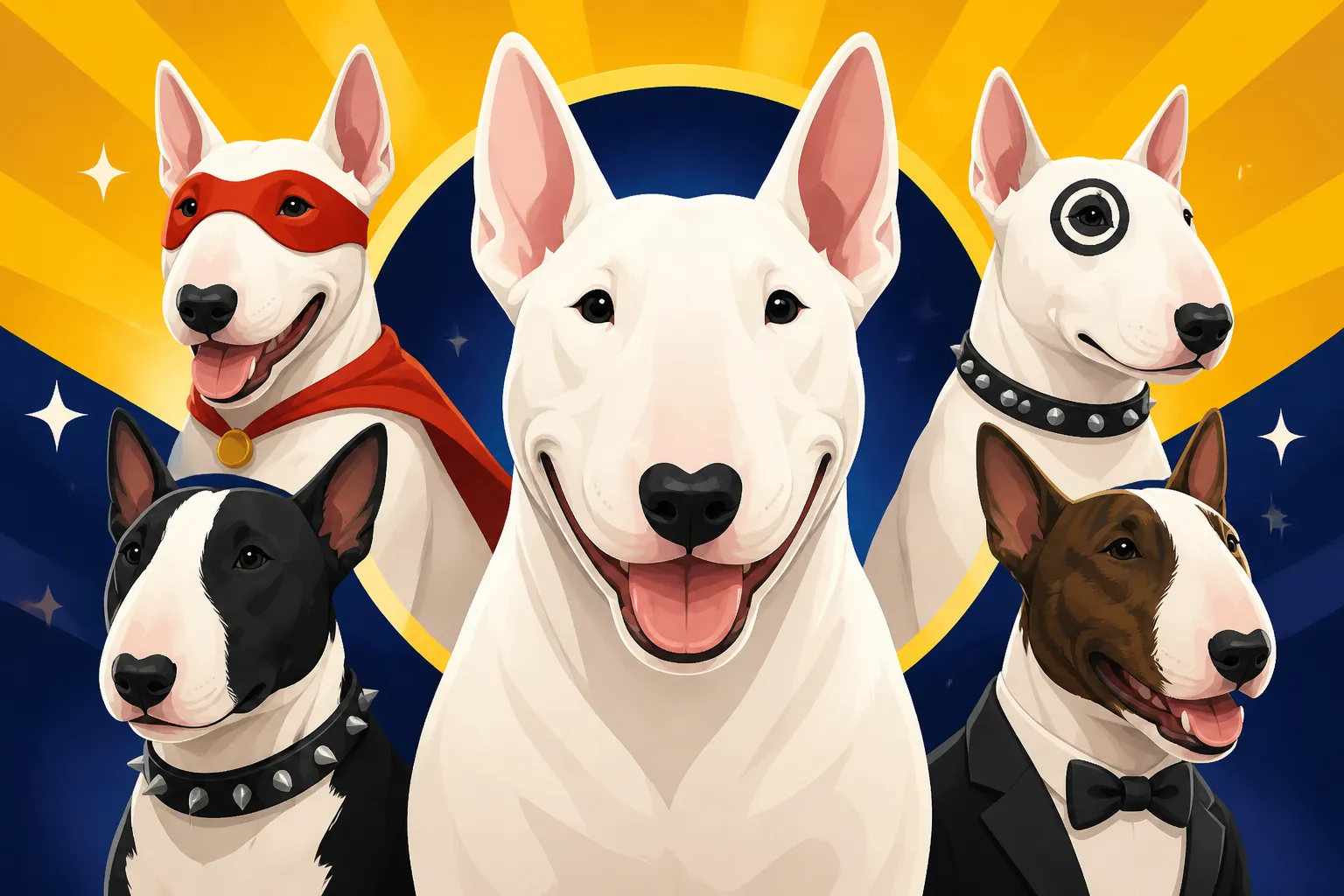
The enduring fame of Bull Terriers throughout history, from Puss to Spuds to Bullseye, speaks to a fundamental truth about the breed: they are captivating. Their distinctive appearance guarantees they'll be noticed, but it's their personality that truly makes them shine. They have a way of getting under your skin and becoming unforgettable. Whether as a beloved family member or a famous face on a billboard, they leave an impression.
In today's digital age, Bull Terriers continue to find new avenues for fame. Social media is rife with Bull Terriers showcasing their goofy antics, their devotion, and their quirky personalities, garnering thousands of followers. This new wave of "internet famous" Bull Terriers continues the legacy of their celebrity predecessors, proving that the breed's unique blend of strength, character, and undeniable charisma resonates with people across generations and platforms. And just like their famous counterparts, these modern Bull Terriers need quality care, from nutritious food to engaging toys, which you can easily find at online stores like Chewy.
Here's a quick look at some of the famous Bull Terriers we've talked about:
| Name / Alias | Claim to Fame | Era | Notable Trait/Contribution |
|---|---|---|---|
| Puss | James Hinks' champion dog, 1862 Cremorne Show | 1860s | Demonstrated the "White Cavalier" ideal, won a wager without a scratch, shifted perception |
| Spuds MacKenzie | Bud Light's "Original Party Animal" mascot | Late 1980s | Cultural icon, caused a surge in breed recognition, sparked debate on advertising |
| Bullseye | Target Corporation's official mascot | 1999-Present | Recognizable red target logo, embodies corporate brand, represents stability and loyalty |
| Willie | General George S. Patton's beloved companion | WWII Era | Symbol of loyalty and comfort in wartime, humanized a stern military figure |
| Bull's-eye (Sikes' Dog) | Fictional dog in Charles Dickens' Oliver Twist | 1830s (Novel) | Often portrayed by Bull Terrier types in adaptations, represents aggression and loyalty |
As you can see, the Bull Terrier's journey through fame is as varied and interesting as the breed itself. From proving their prowess in the Victorian era to becoming advertising darlings and beloved historical figures, these dogs have consistently captured the imagination and secured a special place in our hearts.
Disclaimer
This article is for general informational purposes only and does not constitute professional advice. Laws, prices and regulations vary by location and change over time. Consult a qualified professional for guidance on your specific situation.