Why a Bull Terrier’s Ears Are Not Cropped
One question that often comes up, especially for those new to the breed, is about the Bull Terrier's ears. Unlike some other breeds you might see, you'll rarely, if ever, encounter a Bull Terrier with cropped ears. This guide will dive deep into why that is, exploring the breed's history, the official standard, and the overarching shift in public and veterinary opinion regarding ear cropping.
The Historical Context of Ear Cropping in Dogs
Ear cropping is a practice with deep historical roots, and understanding its past helps to illuminate why it's largely been left behind for breeds like the Bull Terrier. It wasn't just a random cosmetic choice; it served various purposes, depending on the role of the dog.
Origins of Cropping in Dog Breeds
For centuries, certain dog breeds, particularly those involved in guarding, fighting, or hunting large prey, had their ears cropped. The primary reasons were practical and often quite stark. In fighting breeds, cropping was done to prevent opponents from grabbing the ears, which could inflict painful injury and offer a strategic disadvantage. For working dogs like livestock guardians or hunters, cropping reduced the risk of ears being torn by wild animals or snagged on thorns and brush in rough terrain. It was seen as a way to minimize injury and potentially save a dog's life or prevent severe infections that could result from torn ears in an era before modern veterinary medicine.
Beyond these practical considerations, some cropping practices evolved into an aesthetic, becoming part of a breed's perceived "look" or even a sign of status. Breeds like Doberman Pinschers, Boxers, and Great Danes were frequently seen with erect, cropped ears, and for a long time, this was considered the defining characteristic of their appearance. The procedures were often performed by laypeople, sometimes with crude tools and little to no anesthesia, leading to significant pain and risk for the animals. As societies progressed and the roles of many breeds shifted from purely utilitarian to companion animals, the practical reasons for cropping diminished, making the aesthetic arguments the primary driver.
Bull Terriers and the Shift Away from Cropping
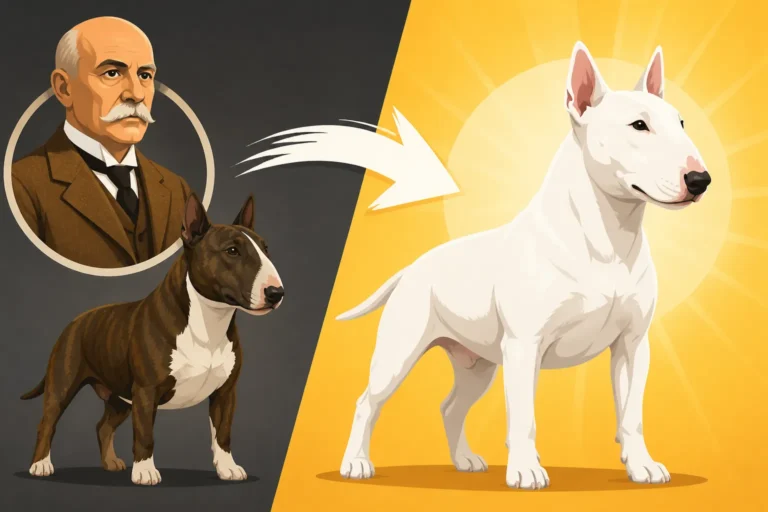
The Bull Terrier's development during the 19th century coincided with a transitional period in dog breeding and societal attitudes. James Hinks, the breed's originator in Birmingham, England, in the 1860s, aimed to create a gentleman's companion – a dog of courage and refinement, not merely a fighting dog. While the breed's ancestors, the "bull and terrier" types, undoubtedly engaged in blood sports and likely had their ears docked or cropped, Hinks' vision moved away from this utilitarian brutality.
As the Bull Terrier gained popularity, particularly the iconic "White Cavalier" type, emphasis was placed on its unique head, strong build, and keen expression. The natural, erect ear became an integral part of this distinct appearance. Unlike some other breeds where ear cropping persisted for decades, the Bull Terrier's natural ear set quickly became the preferred, and indeed, characteristic look. This early embrace of the natural ear meant that the practice of cropping never really took a firm hold in the breed's official development or show ring tradition. The breed was celebrated for its distinctive features, including its strong, naturally standing ears, which were seen as part of its intelligent and alert expression.
The Bull Terrier's Natural Ear Set and Breed Standard
One of the most defining characteristics of a well-bred Bull Terrier, alongside its famous egg-shaped head and triangular eyes, is its natural, erect ear set. This isn't just a casual preference; it's explicitly written into the breed standard.
Describing the Ideal Bull Terrier Ear
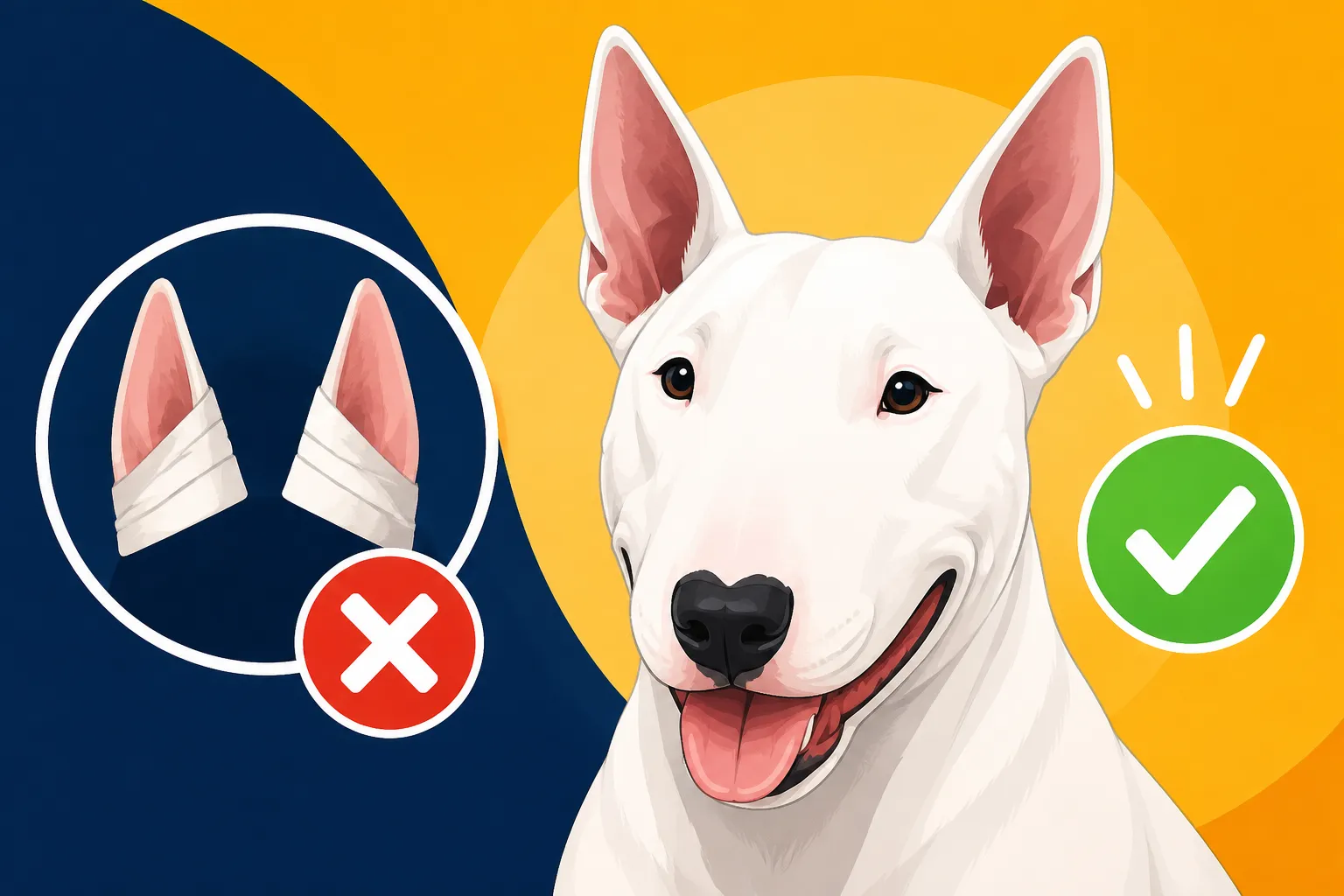
If you've spent any time admiring a Bull Terrier, you'll notice their ears immediately. The breed standard calls for ears that are small, thin, and set close together on top of the head. When the dog is alert, these ears should stand perfectly erect and point straight up, giving the dog an incredibly keen and attentive expression. They are often described as triangular in shape, firm, and not floppy or "tulip" like. This erect carriage is natural, not achieved through any artificial means, and it's a hallmark of the breed's unique silhouette. Why a Bull Terrier's Ears Stand Up is a fascinating dive into the genetics behind this natural trait, ensuring that no intervention is needed to achieve this look.
Think of it this way: a Bull Terrier's ears are meant to complement its distinctive head. They shouldn't be too large or heavy, which might drag them down, nor should they be set too wide apart, which would disrupt the smooth, oval contour of the skull. A well-placed, correctly sized ear contributes significantly to the overall balance and characteristic expression of the Bull Terrier. When a Bull Terrier puppy is young, their ears might be soft and floppy for a while, but as they mature, typically between four and six months, they'll naturally begin to stand. You can read more about this development in When a Bull Terrier Puppy's Ears Come Up.
Why the Natural Ear Became Preferred
The preference for the natural, erect ear in Bull Terriers stems from several factors, blending aesthetics with a sense of honoring the breed's inherent characteristics. From an aesthetic standpoint, the small, erect ears perfectly complement the Bull Terrier's powerful, yet refined, appearance. They add to the breed's distinctive "look," contributing to that intelligent, slightly mischievous, and utterly unique expression that Bull Terrier enthusiasts adore. To alter this natural ear set would be to diminish a key part of their identity.
Beyond aesthetics, there's a strong argument rooted in the integrity of the breed itself. The Bull Terrier was developed with this natural ear carriage, and it has been maintained through responsible breeding practices. Cropping, which is essentially a cosmetic surgical procedure, would imply that the natural ear is somehow flawed or insufficient, which it absolutely is not. The breed's standard celebrates its natural attributes, rather than seeking to modify them. As breeders focused on producing healthy, typy dogs, the natural ear was simply part of the package. It didn't need "fixing" or enhancing; it was already perfect for the breed. This stands in contrast to breeds where cropping became a deeply ingrained tradition due to different historical pressures or early aesthetic choices that moved away from the natural ear.
Health and Welfare Considerations of Ear Cropping
The decision to not crop a Bull Terrier's ears aligns perfectly with modern veterinary ethics and a growing understanding of animal welfare. What was once common practice for some breeds is now widely questioned due to the risks and the pain involved.
Surgical Risks and Post-Operative Care
Ear cropping is not a simple haircut; it's a surgical procedure, and like all surgeries, it carries inherent risks. A puppy must undergo general anesthesia, which always has potential complications, including adverse reactions to the drugs, respiratory issues, or even cardiac events, especially in very young animals. Once the surgery is performed, the raw edges of the ear are prone to infection, requiring diligent cleaning and often antibiotics. The ears then need to be carefully taped or "posted" for weeks, sometimes months, to train them to stand erect. This requires frequent re-taping, which can be irritating, uncomfortable, and even painful for the puppy, especially if the tape is too tight or causes skin irritation.
During this recovery period, puppies often experience itching, discomfort, and might try to scratch or rub their ears, leading to self-inflicted injuries or dislodging the tapes. Proper healing also requires constant monitoring and dedicated aftercare from the owner, including medication administration, wound care, and trips back to the vet for re-taping. The entire process is stressful for the puppy and demanding for the owner, all for a purely cosmetic outcome. Given that Bull Terriers have naturally erect ears, undergoing such a procedure would be completely unnecessary and put the dog through undue stress and pain without any health benefit.
Ethical Debates and Veterinary Stances
The ethical debate around ear cropping has intensified significantly over the past few decades, shifting public and professional opinion away from the practice. Many veterinary associations worldwide, including the American Veterinary Medical Association (AVMA) and the Canadian Veterinary Medical Association (CVMA), have officially condemned ear cropping, stating that it is a non-therapeutic procedure that causes unnecessary pain and distress to the animal. They advocate for its elimination, recognizing it as an elective cosmetic surgery with no proven health benefits.
From an ethical perspective, advocates for animal welfare argue that altering a dog's body for aesthetic reasons alone is unjustifiable. Dogs communicate extensively with their ears, expressing emotions and intentions through subtle movements. Cropping can potentially interfere with these natural communication signals, both with other dogs and with humans. Furthermore, performing an invasive surgery purely for human preference when the dog already possesses a natural, healthy ear set is seen as contrary to the principles of responsible pet ownership, which prioritize the animal's well-being above cosmetic desires. It's a testament to the changing times and a more compassionate approach to our canine companions that practices like ear cropping are becoming increasingly frowned upon and, in many places, illegal.
Legal and Cultural Landscape of Ear Cropping
The shift away from ear cropping for breeds like the Bull Terrier is not just a matter of breed preference; it's also a reflection of a broader global movement towards stricter animal welfare regulations.
Bans and Restrictions Around the World
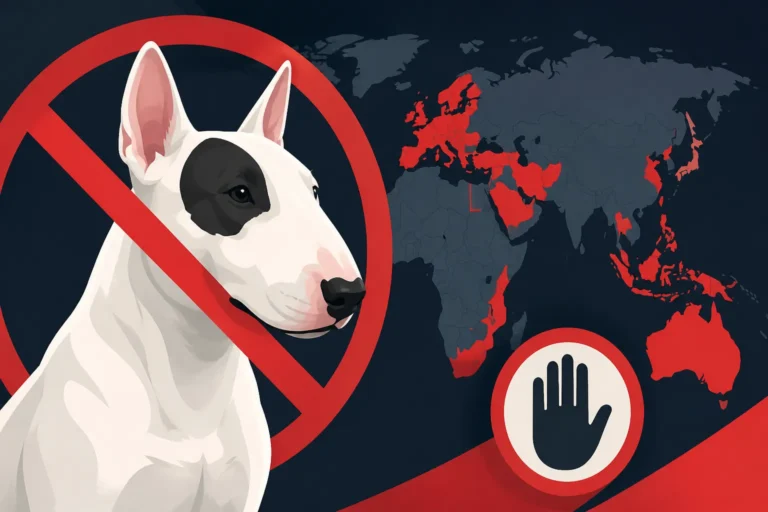
Globally, the legal landscape surrounding ear cropping has undergone a dramatic transformation. Many countries, particularly across Europe and in Australia, have outright banned cosmetic ear cropping. Nations like the United Kingdom, Germany, Sweden, Norway, and Australia prohibit the procedure entirely, considering it animal cruelty. In these regions, a dog with cropped ears, even if born elsewhere, may face restrictions on being shown in competitions or even entering the country. The trend is clearly towards protecting animal welfare by outlawing non-therapeutic surgical alterations.
Even in countries where it's not universally banned, such as the United States and Canada, there are growing pressures and legislative efforts to restrict or prohibit the practice. Some states and provinces have enacted bans, while others require veterinarians to report such procedures, making it harder for practitioners to perform them without ethical scrutiny. The cultural perception is changing too; many people now view cropped ears as an outdated practice associated with negative stereotypes rather than a mark of a prestigious breed. This evolving legal and cultural context further solidifies why a breed like the Bull Terrier, with its naturally perfect ears, has thankfully avoided this practice.
Impact on Showing and Breed Recognition
For dog breeds traditionally associated with cropped ears, the changing legal and cultural landscape has had a significant impact on showing and breed recognition. In countries where cropping is banned, dogs with cropped ears are often disqualified from conformation shows, or breed standards are rewritten to explicitly favor or require natural ears. This means that even if a Bull Terrier could have its ears cropped, doing so would immediately make it ineligible to compete in many prestigious events around the world.
For example, the Fédération Cynologique Internationale (FCI), which is the world canine organization and includes many European countries, typically disqualifies or penalizes dogs with cropped ears in member shows unless the dog was cropped before the ban came into effect in its country of origin. This pressure from international kennel clubs and governing bodies has encouraged breeders to prioritize natural ear sets, even in breeds where cropping was once common. For the Bull Terrier, whose breed standard has always championed its natural, erect ears, this global shift simply reinforces what enthusiasts have known and appreciated for generations: their ears are perfect as they are. The focus remains on breeding for sound structure, health, and correct natural type, including those wonderfully distinctive ears.
| Feature | Bull Terrier's Natural Ears | Typically Cropped Ears (Other Breeds) | Reason for Difference |
|---|---|---|---|
| Shape | Small, thin, triangular | Varies by breed; typically tall, pointed | Natural development vs. surgical alteration |
| Carriage | Naturally erect, stand straight up when alert | Artificially erect, requires posting to achieve | Breed's genetic predisposition vs. human intervention |
| Texture | Fine, smooth | Can be thicker due to scar tissue | Unaltered skin vs. surgically modified skin |
| Set | High on the head, close together, complements egg head | Varies by breed; intended to look symmetrical/alert | Natural breed standard vs. specific aesthetic goal |
| Health Impact | Generally healthy, minimal intervention needed | Risks of surgery, infection, pain, discomfort during healing | No surgical trauma vs. invasive procedure and aftercare |
| Ethical Standing | Widely accepted as humane and natural | Increasingly condemned as unnecessary cosmetic surgery | Prioritizes animal welfare vs. purely aesthetic choice |
| Show Eligibility | Universally accepted where natural ears are standard | Restricted or banned in many countries/competitions | Adherence to breed standard vs. violation of welfare rules |
Caring for Your Bull Terrier's Natural Ears
While Bull Terriers don't require the complicated post-surgical care of cropped ears, their natural ears still need attention to stay healthy. Regular checks are part of responsible ownership, helping to catch any issues early.
Routine Ear Checks and Cleaning
Even naturally erect ears like those of a Bull Terrier need regular inspection. Because their ears stand up, they generally get good air circulation, which can help reduce the risk of yeast and bacterial infections compared to breeds with heavy, floppy ears. However, this doesn't mean they're immune. You should make it a habit to check your Bull Terrier's ears weekly. Look for any signs of redness, swelling, discharge, or an unpleasant odor. A healthy Bull Terrier ear should look clean, be free of wax buildup, and not smell. This routine check can be done quickly while you're giving them a good scratch behind the ears.
If you notice any mild debris or wax, you can gently clean the outer ear canal with a vet-approved ear cleaning solution and a cotton ball or soft cloth. Never use cotton swabs directly in the ear canal, as this can push debris further in or damage the delicate inner ear structures. Just apply the solution to the cotton and wipe the visible parts of the ear. Your veterinarian can recommend a suitable cleaner and demonstrate the correct technique. Remember, too much cleaning can actually strip the ear of its natural protective oils and cause irritation. So, unless your vet advises otherwise, gentle, occasional cleaning of the outer ear is usually sufficient. For more specific guidance, check out How to Clean a Bull Terrier's Erect Ear.
Common Ear Issues to Watch For
While Bull Terriers generally benefit from their open, erect ear structure, they are not entirely immune to ear problems. One common issue for any dog, including Bull Terriers, can be allergies. If your Bull Terrier has environmental or food allergies, their ears might be one of the first places to show irritation, leading to redness, itching, and increased wax production. It's often said that A Bull Terrier's Skin Is Its Weakest Point, and this can extend to the skin within the ears. Ear mites are another potential culprit, especially in puppies, causing intense itchiness and a dark, crumbly discharge that looks like coffee grounds.
Less common but still possible are bacterial or yeast infections, which can result from excessive moisture (after a bath or swimming, if the ears aren't dried properly) or underlying allergies. Signs to watch out for include persistent head shaking, scratching at the ears, discharge (yellow, brown, or bloody), a strong foul odor, or sensitivity when you touch their ears. If you observe any of these symptoms, it's crucial to consult your veterinarian promptly. Early diagnosis and treatment are key to preventing discomfort and more serious complications. Your vet can accurately diagnose the problem and prescribe appropriate medication. Keeping up with How Often a Bull Terrier's Ears Need Checking will help you stay on top of any potential problems. You might even find ear cleaning solutions or other ear care products on Chewy that are veterinarian-approved and suitable for your Bull Terrier's needs.
Disclaimer
This article is for general informational purposes only and does not constitute professional advice. Laws, prices and regulations vary by location and change over time. Consult a qualified professional for guidance on your specific situation.