Why a Bull Terrier Seeks Out the Sun
It's a common sight for many Bull Terrier owners: you step outside, the sun is shining, and before you can even properly settle onto your patio chair, your Bull Terrier has already found the single brightest, warmest patch of concrete or grass and is sprawled out, soaking up those rays like a lizard on a rock. While it might look adorably lazy, this intense sun-seeking behavior, especially in our white Bull Terriers, comes with significant risks that many owners aren't fully prepared for. This guide is here to walk you through why your Bull Terrier loves the sun so much, the hidden dangers lurking in those sunny spots, and, most importantly, how to keep your beloved blockhead safe while still letting them enjoy their favorite pastime.
The Irresistible Lure of the Sun for Bull Terriers
Bull Terriers, with their short, dense coats and lean, muscular bodies, often seem to crave warmth. It’s not just a preference; for many, it feels like an innate desire. You’ll see them rotate, positioning themselves perfectly to get maximum sun exposure on every inch of their body, often sighing contentedly as the warmth penetrates their skin. It’s almost as if they're recharging their batteries, and who can blame them? That feeling of warm sunshine on your skin is universally comforting.
The Science Behind the Sun Worship
Part of this love affair with the sun comes down to their physical makeup. Unlike breeds with thick double coats designed for colder climates, the Bull Terrier’s short, single coat offers minimal insulation. This means they can feel the warmth more directly on their skin. Think of it like a thin blanket versus a thick comforter; the thin blanket lets the warmth through much faster. This isn't necessarily a bad thing in moderation, but it does mean they can absorb heat very quickly.
Another factor could be their ancestral history. While we often think of dogs enjoying the sun, some breeds are more prone to seeking it out. Without a thick fur coat, the sun's direct warmth might just feel particularly good, relaxing muscles and providing a sense of well-being. It’s not a stretch to imagine that a dog with a thinner coat would naturally gravitate towards heat sources, be they a fireplace or a sunny patch, to regulate their body temperature and simply feel cozy.
Why White Bull Terriers Have an Extra Affinity
If you have a white Bull Terrier, you might notice their sun-seeking behavior is even more pronounced. This isn’t just your imagination. White Bull Terriers often have very light, pinkish skin underneath their short white fur. This skin is inherently more sensitive to the sun than the pigmented skin of their colored counterparts. The lack of pigment in their skin means there's less natural protection against UV radiation, making the warmth feel even more direct and, unfortunately, making them more susceptible to sunburn. Why a White Bull Terrier Sunburns delves deeper into this particular vulnerability. It's a cruel irony that the very thing that makes the sun feel so good to them also makes it so dangerous. They don't have the natural sunscreen that darker skin tones provide.
The Hidden Dangers of Too Much Sun Exposure
While a little sun is great for everyone, too much of a good thing can be incredibly detrimental for Bull Terriers, especially those with white coats. The dangers range from immediate discomfort to serious long-term health issues that can significantly impact their lifespan and quality of life. Owners often don't realize the severity until a problem arises, and by then, the damage might already be done.
Sunburn and Acute Skin Damage
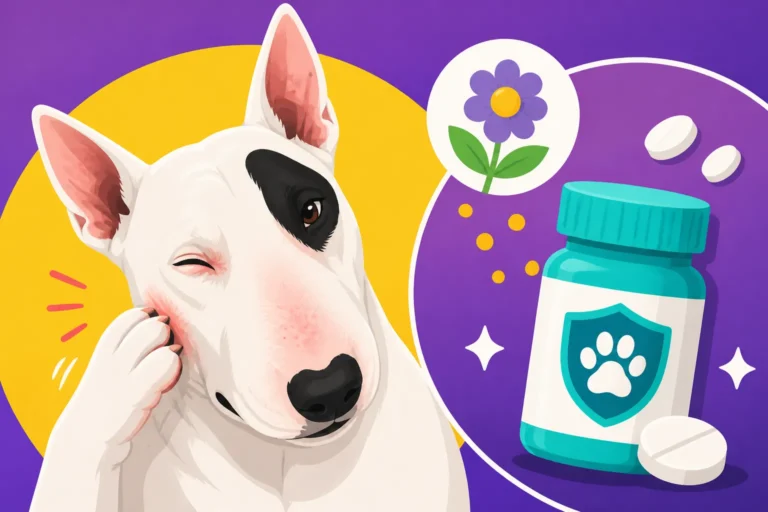
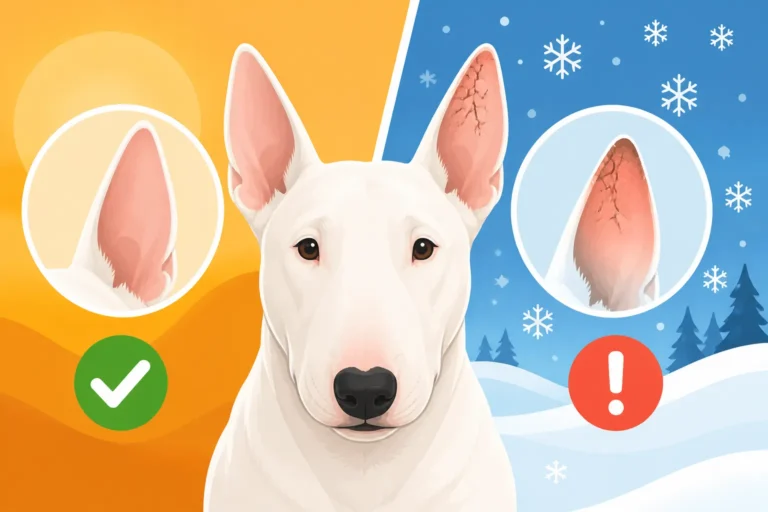
The most immediate and obvious danger is sunburn. Just like humans, dogs can get nasty sunburns, and a Bull Terrier’s sensitive, often pink skin, is particularly vulnerable. You might notice redness, tenderness, or even blistering on exposed areas like their nose, ear tips, belly, and thin-coated spots on their back. These are the areas where Why a White Bull Terrier's Nose Burns First and Whether a Bull Terrier's Ear Tips Crack in Winter are directly relevant.
Imagine the discomfort of a severe sunburn on yourself—the itching, the peeling, the pain when touched. Your Bull Terrier experiences this too, but they can't tell you directly. They might become restless, lick or scratch excessively at the burned areas, or even show signs of pain when you try to pet them. This isn't just about pain; sunburn can also lead to secondary bacterial infections if the skin breaks and isn't properly cared for, creating a whole new set of problems that require veterinary intervention. It's not uncommon for a dog with severe sunburn to need antibiotics and pain relief.
Long-Term Risks: Skin Cancer
Far more insidious than a simple sunburn are the long-term risks associated with chronic sun exposure: skin cancer. This is a very real, very frightening possibility for Bull Terriers, particularly those with fair skin. The constant barrage of UV radiation can damage skin cells over time, leading to the development of various forms of cancer.
Two of the most concerning types are squamous cell carcinoma and hemangiosarcoma. Squamous cell carcinoma often appears as raised, firm, reddish lesions that may ulcerate or bleed, particularly on less-pigmented areas like the nose, eyelids, and ear tips. Hemangiosarcoma, while often internal, can also manifest on the skin, appearing as dark red to black masses. These cancers are aggressive and can be difficult to treat, often requiring extensive surgery, radiation, or chemotherapy. The cost of such treatments, if not caught early, can be astronomical, and the prognosis isn't always good. Whether Sun Damage Turns Into Skin Cancer in a Bull Terrier is a stark reminder of these serious consequences. Prevention truly is the best medicine here, because once cancer takes hold, it's a battle no one wants to fight.
| Feature | White Bull Terrier (Pink Skin) | Colored Bull Terrier (Pigmented Skin) |
|---|---|---|
| Sunburn Risk | High, especially on nose, ears, belly, and sparsely coated areas. | Moderate to Low, depending on coat density and pigment in thin areas. |
| Skin Cancer Risk | Higher likelihood of squamous cell carcinoma and hemangiosarcoma. | Lower risk, but still possible, especially with prolonged exposure. |
| Heat Absorption | Feels direct warmth quickly; prone to overheating in direct sun. | Less direct heat absorption due to pigment and coat, but still at risk of overheating. |
| Protection Needs | Critical: Requires sunscreen, shade, and limited exposure. | Recommended: Shade and timed outdoor activities. Sunscreen for sparse areas. |
| Visual Cues | Redness, peeling, blistering on pink skin; visible irritation. | Less visible initial signs; may show discomfort or seek shade. |
Practical Ways to Protect Your Sun-Seeking Bull Terrier
So, how do you manage a dog that absolutely loves to bask but is incredibly vulnerable to the sun's harsh realities? It's all about proactive management and making smart choices. You don't have to keep them locked indoors, but you do need to be their advocate and protector against something they unknowingly gravitate towards.
Creating Safe Sunbathing Opportunities
The key is controlled sun exposure. If your Bull Terrier wants to lounge in the sun, let them, but with strict parameters. Invest in a good sunshade, a large umbrella, or even a dog-friendly pop-up tent for your yard. Place it strategically so they can still enjoy being outside, but with a cool, shaded retreat readily available. Many Bull Terriers will learn to use these spots.
Another strategy is timing. Limit their time in direct sun, especially during peak UV hours, which are typically between 10 AM and 4 PM. If they love their morning snooze in the sun, let them have a short, supervised session before the sun gets too intense, then gently coax them inside or into a shaded area. A walk in the early morning or late evening is always preferable to midday romps.
Sunscreen: A Must-Have for White Bull Terriers
For white Bull Terriers, sunscreen isn't an option; it's a necessity. This is especially true for those delicate areas like their nose, ear tips, and belly. Not just any sunscreen will do, though. You need one specifically formulated for dogs, free of zinc oxide (which is toxic if ingested) and fragrances. Brands like Epi-Pet or other pet-safe sunscreens are readily available online through retailers like Amazon or Chewy, or at your local pet store.
Apply it generously to all exposed pink skin before your Bull Terrier goes outside, and reapply every few hours, especially if they've been swimming or playing vigorously. It's a small hassle that can make a huge difference in preventing sunburn and, ultimately, skin cancer. Think of it as putting on your own sunscreen before a day at the beach – essential protective gear. Which Sunscreen Is Safe on a Bull Terrier provides more specific guidance on product choices.
Protective Gear and Environmental Control
Beyond sunscreen, consider physical barriers. A lightweight, UV-protective dog shirt can be a game-changer for Bull Terriers with sensitive backs or bellies. These shirts are designed to be breathable and comfortable, providing a physical shield against the sun's rays. Just make sure it's not too tight or irritating for them.
When indoors, if your Bull Terrier still seeks out sunbeams streaming through windows, be mindful. Even glass doesn't block all UV rays, and prolonged exposure can still contribute to skin damage over time. Consider UV-blocking window films or simply closing blinds or curtains during the brightest parts of the day if your dog has a favorite sun-spot on the rug. If they're showing signs of discomfort or overheating, move them to a cooler spot. Signs a Bull Terrier Is Overheating can help you recognize when they've had too much heat. Remember, a cool tile floor or a cooling mat can be a wonderful alternative for a dog that loves to lie down and soak up warmth without the sun's harsh effects.
Regular Skin Checks and Vet Visits
Finally, make it a habit to perform weekly skin checks on your Bull Terrier. Pay close attention to their ears, nose, belly, and any areas where the coat is sparse. Look for any new lumps, bumps, redness, scaling, or changes in existing moles. Early detection is crucial for successful treatment of skin conditions, including cancer. If you spot anything suspicious, don't hesitate to consult your veterinarian. They can perform biopsies or other diagnostic tests to determine the cause and recommend appropriate treatment. Regular wellness exams with your vet are also important, as they can spot things you might miss. The Weekly Skin Check Every Bull Terrier Needs emphasizes this critical preventative measure. Taking these steps might seem like a lot of effort, but for a Bull Terrier who loves the sun, it's a profound act of love and responsible ownership.
Disclaimer
This article is for general informational purposes only and does not constitute professional advice. Laws, prices and regulations vary by location and change over time. Consult a qualified professional for guidance on your specific situation.