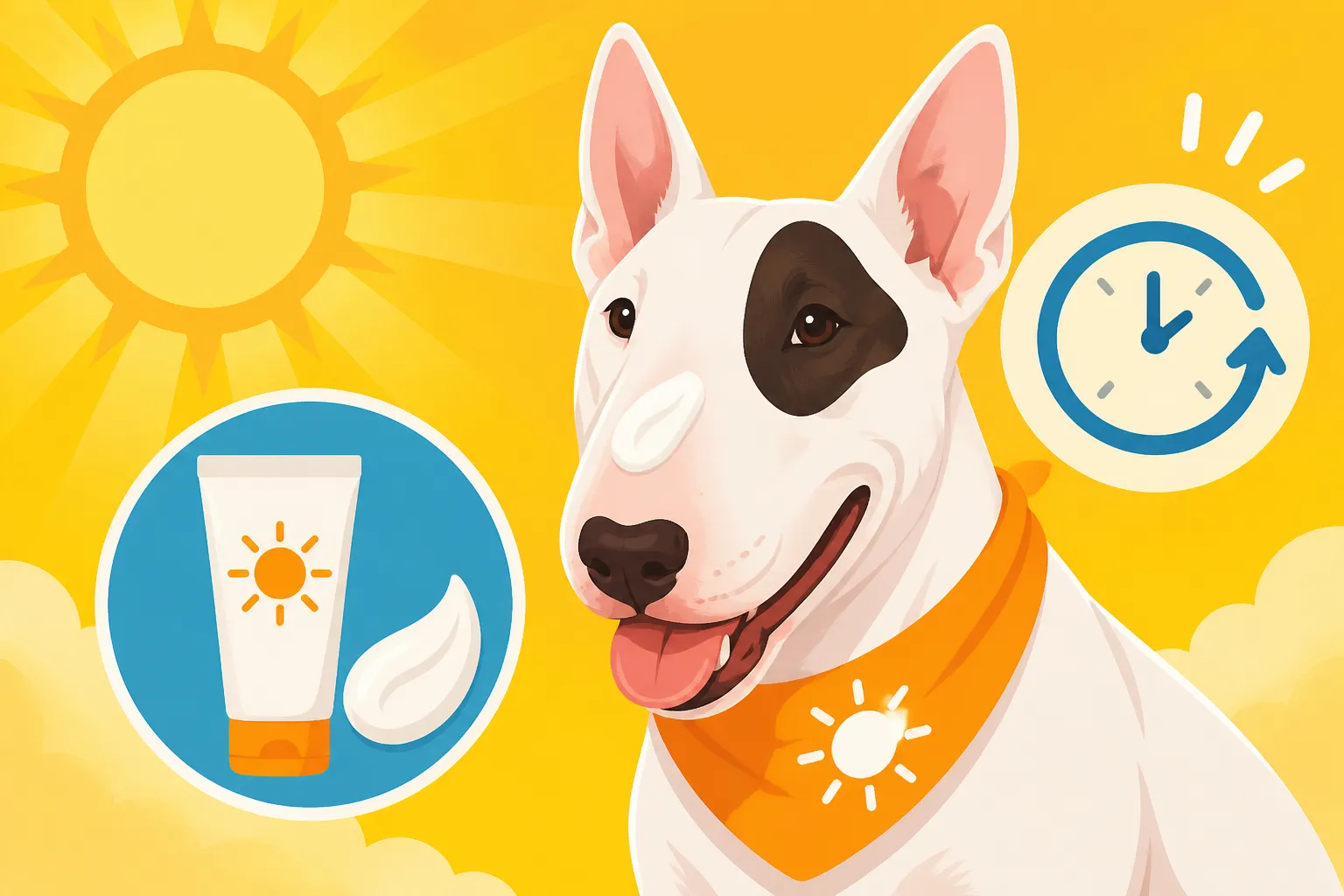
How Often a Bull Terrier Needs Sunscreen Reapplied
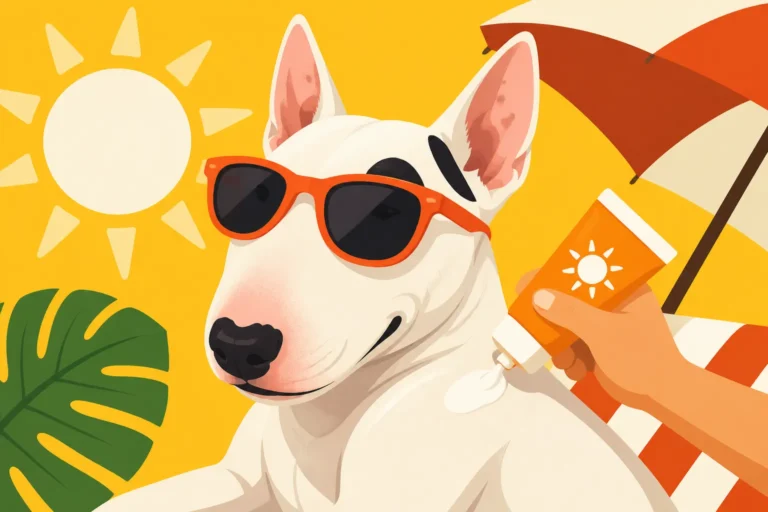
One of the most common worries for Bull Terrier owners, especially those with dazzling white coats, is the sheer vulnerability of their dog's skin to the sun. It's a frustrating reality to know your beloved companion, who just wants to bask in a sunbeam, is at risk of a painful sunburn. This guide is here to walk you through exactly how often your Bull Terrier needs sunscreen reapplied, ensuring their skin stays safe and healthy even during the brightest days.
Why Your Bull Terrier's Skin Needs Special Sun Protection
Let's be honest, those short, sleek coats and often pink skin are part of what makes our Bull Terriers so striking, but they also come with a significant downside: a much higher risk of sunburn compared to many other breeds. Understanding why they are so vulnerable is the first step in creating an effective sun protection strategy. It’s not just about aesthetics; it’s about their health and comfort.
The Unique Vulnerability of White Bull Terriers
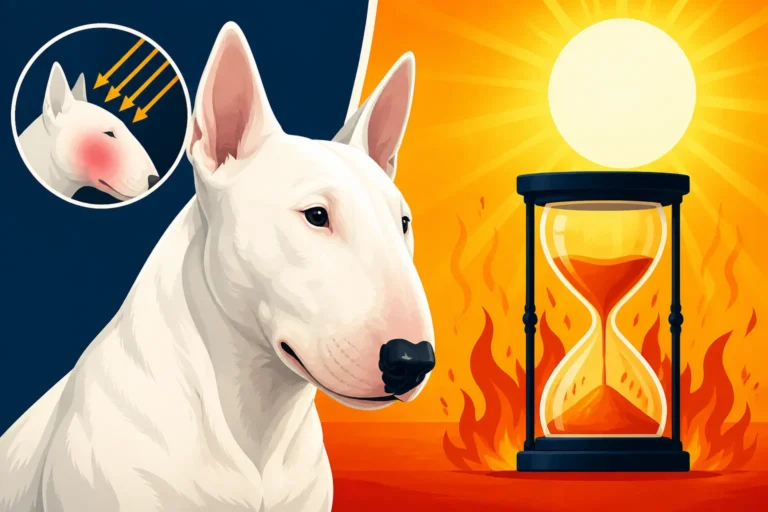
If you share your life with a white Bull Terrier, you already know their skin often has less pigmentation. This isn't just a minor difference; it's a critical factor. Melanin, the pigment that gives skin and fur color, acts as a natural shield against harmful UV radiation. Without much melanin, a white Bull Terrier's skin is essentially an open invitation for sun damage. Think of it like a fair-skinned person who burns easily – your white Bull Terrier is in the same boat, only they can't put on a hat or duck indoors themselves. Even seemingly short periods in direct sunlight can lead to painful redness, peeling, and discomfort. This susceptibility is why the advice for sun protection leans heavily towards white-coated dogs, but even colored Bull Terriers can burn on their pink bellies or noses. Why a White Bull Terrier Sunburns explores this in more detail.
Understanding Their Short Coat and Pigmentation
Beyond the lack of pigment, the Bull Terrier’s coat itself is a factor. It’s a short, harsh, single coat, meaning there's no dense undercoat to offer an extra layer of protection. Where a dog with a thick double coat might have thousands of hairs per square inch creating a physical barrier, our Bull Terriers have a much sparser covering. This thin barrier, coupled with frequently pink skin underneath, means that UV rays penetrate much more easily. Areas like the bridge of the nose, ear tips, belly, groin, and inner thighs are particularly exposed because the hair is even thinner there, or non-existent. It’s in these delicate spots where you’ll usually notice Where a Bull Terrier Burns First. Even a light scattering of hair isn't enough to stop the sun's powerful rays from reaching and damaging the cells beneath. You might not realize it, but even through what seems like a full coat, the sun can wreak havoc on that sensitive skin, leading to cumulative damage over time.
Decoding the Reapplication Rhythm: How Often Is Enough?
Knowing your Bull Terrier needs sunscreen is one thing; figuring out the reapplication schedule is another. It’s not a "one-and-done" deal, and how often you need to slather it on depends on a few key factors. This isn't just about covering them up once in the morning; it's about maintaining that protective barrier throughout their sun exposure.
Factors That Accelerate Sunscreen Wear
Think about how human sunscreen works: sweat, swimming, and rubbing all diminish its effectiveness. The same applies, often even more so, to our active Bull Terriers. If your Bull Terrier is splashing around in the kiddie pool, or enjoying a good old roll in the grass, that sunscreen is going to wear off much faster. Water, whether from a swim or just a particularly enthusiastic panting session that gets their chin wet, will wash it away. Any kind of friction, like rubbing against furniture, another dog, or even scratching an itch, will physically remove the protective layer. Even just the natural oils on their skin can break down the formula over time. You might feel like you just applied it, only to find it's already faded. This is why vigilance is key – always assume that after any high-activity event, a reapplication is needed.
The Baseline for Daily Exposure
For average, casual sun exposure – think a morning stroll around the block, or a lazy afternoon nap on the patio (but ideally in the shade!) – a good rule of thumb is to reapply pet-safe sunscreen every two to four hours. This provides a consistent layer of protection against incidental UV rays. However, this is just a baseline. If you notice your Bull Terrier licking at the areas where sunscreen was applied, or if they've been lying in a particularly sunny spot for an extended period, err on the side of caution and reapply sooner. It's much better to over-apply than to risk a burn. Always remember that even on cloudy days, UV rays can penetrate, so daily application during daylight hours, especially for white Bull Terriers, is a habit worth cultivating. Whether a White Bull Terrier Needs Sunscreen is a question many new owners ask, and the answer is a resounding yes.
When Activity Levels Dictate More Frequent Application
This is where the "two to four hours" rule often goes right out the window. If your Bull Terrier is living their best life outdoors – chasing a ball, romping with canine friends, or going for a run with you – their sunscreen needs a serious top-up more frequently. Imagine your Bull Terrier playing hard, getting sweaty (yes, dogs "sweat" through their paw pads and dissipate heat through panting, which can affect facial sunscreen), rolling around, or perhaps even taking a dip in a creek or ocean. All of these activities will dramatically reduce the efficacy of the sunscreen.
For active scenarios, think about reapplying every 60 to 90 minutes, especially if water is involved. It might seem excessive, but that intense activity and potential water exposure mean the sunscreen is simply not staying put for long. It's a small effort that makes a huge difference in preventing a nasty sunburn and safeguarding their long-term skin health. Don't forget that their natural instinct might be to seek out the sun, which means you'll be constantly on guard. Why a Bull Terrier Seeks Out the Sun is a common behavior we all recognize.
Here's a simple guide to help you gauge reapplication frequency:
| Activity Level / Condition | Recommended Reapplication Frequency | Notes |
|---|---|---|
| Minimal Sun Exposure | Every 3-4 hours | Short walks, shaded outdoor time, indoor sunbathing near windows |
| Moderate Sun Exposure | Every 2-3 hours | Longer outdoor sessions, partial shade, overcast days |
| Active Play (Dry) | Every 60-90 minutes | Running, vigorous play, excessive rubbing against surfaces |
| Water Exposure | Immediately after drying | Swimming, getting wet in rain/puddles, excessive licking of applied areas |
| High UV Index Days | Erring on the side of more frequent | Even in shade, UV can reflect. |
Applying and Reapplying Sunscreen Like a Pro
Applying sunscreen to a wriggly, curious Bull Terrier might sound like a wrestling match, but with the right approach and product, it can become a calm part of your routine. It’s all about consistency and making it a positive experience for your dog.
Choosing the Right Sunscreen for Your Bull Terrier
This is absolutely crucial. Never use human sunscreen on your Bull Terrier. Many human sunscreens contain ingredients like zinc oxide and para-aminobenzoic acid (PABA), which are toxic if ingested by dogs. And let's face it, our Bull Terriers are masters of licking! Always opt for a veterinarian-approved, pet-specific sunscreen. These are formulated with ingredients that are safe for dogs, even if a little bit gets licked off. Look for products specifically labeled for dogs, often found at pet supply stores or online retailers like Chewy or Amazon.
When selecting one, consider the texture and ease of application. Sprays can be convenient for larger areas, but make sure your dog tolerates the sound and sensation. Lotions or sticks allow for more precise application on sensitive spots like noses and ear tips. Regardless of the type, always perform a patch test on a small, less sensitive area of their skin a day before full application to check for any adverse reactions. You might find that a cream or stick is easier to rub into those key areas, like the bridge of the nose or the inner thighs, without getting it into their eyes or mouth. For more specific guidance, check out Which Sunscreen Is Safe on a Bull Terrier.
The Method to the Application Madness
Once you have your chosen pet-safe sunscreen, the trick is to apply it effectively. Start by choosing a calm moment when your Bull Terrier is relaxed. A treat distraction or a favorite toy can work wonders. Focus on the most vulnerable areas:
- Nose: Gently dab a small amount onto the bridge of their nose, avoiding the nostrils.
- Ear Tips: Carefully apply to the thin skin on the edges and tips of their ears.
- Belly and Groin: These areas are often hairless or have very sparse hair. Apply liberally, but avoid getting it on their genitals.
- Inner Thighs: Similar to the belly, these spots are highly susceptible.
Rub the sunscreen in thoroughly until it’s absorbed. You don’t want it sitting on top of the fur, creating an inviting target for licking. If you're using a spray, ensure you hold it close enough to get it on the skin, not just the fur, and shield their eyes and nose from the mist. Distraction is your best friend here. A dollop of peanut butter (xylitol-free, of course!) on a lick mat can keep them occupied while you work your magic. Some owners even put a light, breathable rash guard or a summer shirt (Whether a Bull Terrier Should Wear a Shirt in Summer) for added protection, especially during peak sun hours.
Making Reapplication a Routine
Consistency is paramount. Just like with any aspect of dog care, making sunscreen application a predictable part of their day will make it much smoother. If you know you're heading out for an extended period, apply it before you leave. If they’re coming in from a romp in the yard, reapply before sending them back out.
Consider linking it to another routine activity, like after their morning potty break or before their afternoon walk. Keep the sunscreen in an easily accessible spot, like by the door or in your dog-walking bag, so you don't forget it. Over time, your Bull Terrier will likely associate the process with pleasant attention or treats, making it less of a chore. And remember, observing your dog is key: if you see them panting heavily, looking for shade, or their skin starting to look a little pink, it's time to reapply, regardless of the clock. Sometimes, we even use diet to support overall health, and while not directly sunscreen related, high-quality dog food, perhaps from a brand like Ollie, can contribute to healthy skin.
Beyond Sunscreen: Recognizing Sun Damage and Seeking Help
While sunscreen is a powerful tool, it's not foolproof. Understanding the signs of sun damage and knowing when to call your vet is critical for managing your Bull Terrier’s skin health and preventing more serious issues down the line.
Spotting the Early Signs of Sunburn
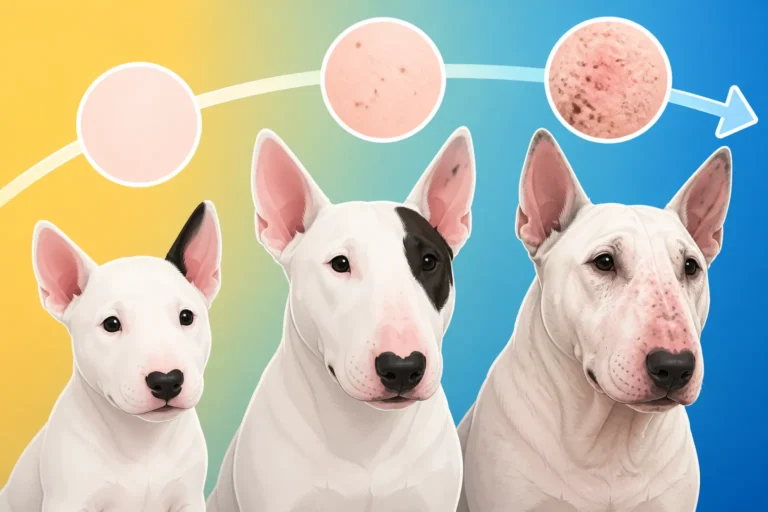
Sunburn in dogs looks very similar to sunburn in humans. The earliest signs are usually redness and tenderness of the skin, particularly in areas with sparse hair like the ears, nose, belly, and inner thighs. You might notice your Bull Terrier repeatedly licking or scratching at these areas, indicating discomfort. The skin might also feel warm to the touch. As it progresses, the skin can become visibly inflamed, swollen, and even blister or peel.
A Bull Terrier with a sunburn might be unusually lethargic, reluctant to be touched in the affected areas, or show signs of pain when you try to apply ointment. Don't mistake a slight pinkish tint for a healthy flush; for a breed so prone to skin issues, any unusual redness should be a warning sign. Regular, weekly skin checks are essential for all Bull Terriers, as detailed in The Weekly Skin Check Every Bull Terrier Needs. Catching sun damage early can prevent it from worsening and potentially leading to more severe problems.
Long-Term Risks of Chronic Sun Exposure
It's not just about a painful burn in the moment; repeated or severe sun exposure carries significant long-term health risks for your Bull Terrier. The most serious concern is an increased risk of skin cancer, particularly squamous cell carcinoma and hemangiosarcoma, which can be aggressive. Just like in humans, UV radiation causes cellular damage that can accumulate over time, leading to malignant changes.
Chronic sun exposure can also lead to premature aging of the skin, making it dry, thickened, and more prone to other dermatological issues. You might notice areas that are consistently exposed developing a leathery texture or persistent discolored patches. These changes aren't just cosmetic; they indicate underlying damage that compromises the skin's protective barrier and overall health. Whether Sun Damage Turns Into Skin Cancer in a Bull Terrier highlights the severity of these risks, emphasizing why prevention is always the best course of action.
When to Consult Your Veterinarian
If you suspect your Bull Terrier has a sunburn, especially if it’s severe or covers a large area, a visit to the vet is in order. You should also seek veterinary attention if you notice any of the following:
- Blistering or peeling skin: This indicates a more serious burn that requires professional treatment to prevent infection and aid healing.
- Signs of pain or distress: If your Bull Terrier is lethargic, not eating, or showing obvious signs of pain, they need immediate veterinary care.
- Persistent redness or inflammation: If the redness doesn't subside within a day or two, or if it appears to be getting worse.
- Any unusual skin lesions: If you spot new lumps, bumps, or sores on areas that have had chronic sun exposure, these should be checked for signs of skin cancer. How to Spot a Sun Damaged Patch on a Bull Terrier offers guidance on what to look for.
Your vet can assess the severity of the burn, prescribe pain relief or anti-inflammatory medication, and provide guidance on how to manage the healing process and prevent secondary infections. They can also advise on long-term skin care strategies and recommend specific products. Never hesitate to call your vet if you have concerns about your Bull Terrier's skin health; early intervention can make a world of difference.
Disclaimer
This article is for general informational purposes only and does not constitute professional advice. Laws, prices and regulations vary by location and change over time. Consult a qualified professional for guidance on your specific situation.