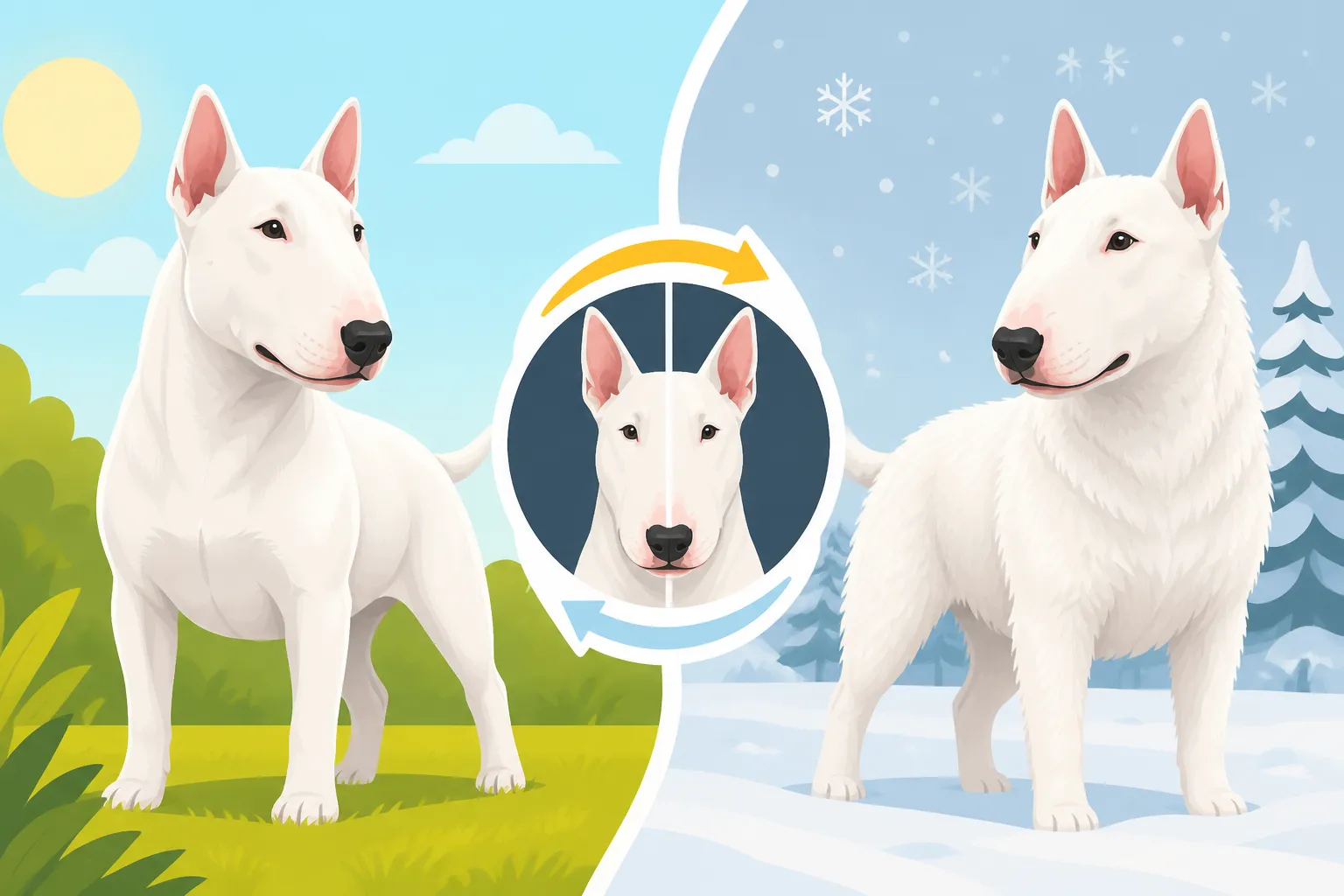
How a Bull Terrier’s Coat Changes in Winter
It's easy to assume that a Bull Terrier, with their sleek, short coat, is pretty much the same year-round, right? You probably don't envision them fluffing up like a Husky or shedding huge clumps of woolly undercoat. But trust me, even a Bull Terrier's deceptively simple coat has its own subtle dance with the changing seasons, and winter brings a unique set of challenges and considerations that often catch new owners off guard. This guide will dive deep into what actually happens to your Bull Terrier's coat and skin when the temperatures drop and the air gets crisp.
The Bull Terrier Coat: More Than Meets the Eye
Before we talk about how winter changes things, let's nail down what a Bull Terrier's coat is usually like. You know the look: short, smooth, lying close to the body, and often quite stiff or "harsh" to the touch. It's not a soft, cuddly coat, that's for sure. It’s dense, yes, but not fluffy, and crucially, they don't have a visible undercoat in the way a double-coated breed does. This single-layer coat is fantastic for keeping them cool in summer and relatively low-maintenance when it comes to grooming. It's why many people are drawn to the breed – no endless brushing sessions or matted fur.
However, this "easy" coat can be a bit misleading. Because it's so short and lacks that insulating underlayer, your Bull Terrier is actually quite vulnerable to extreme temperatures. Think of it like wearing a single thin t-shirt in winter versus a thick wool sweater. Their skin is right there, just beneath that thin protective layer, and that’s where many of the winter-related changes and issues will manifest. Owners often overlook this critical detail, assuming a short coat equals robust skin, but it’s often the opposite for Bull Terriers. You might find our post on What a Bull Terrier's Coat Is Like helpful for a deeper dive into their baseline coat characteristics.
The Subtle Thickening of the Winter Coat
While your Bull Terrier won't suddenly grow a shaggy mane, you will likely notice a slight increase in the density of their coat as winter approaches. This isn't about growing a new layer; it's more about the existing hairs becoming a bit thicker, and perhaps more numerous, to provide a marginal improvement in insulation. It’s a very subtle change, often more felt than seen. Run your hand over their back, and you might perceive a fractionally fuller feel than in the height of summer.
This natural adaptation is your Bull Terrier's body attempting to create a slightly better barrier against the cold. It’s their way of trying to trap a bit more warm air close to their skin. Don't expect dramatic transformations; they won't suddenly look like a different dog. Instead, it's a fine-tuning of what's already there. You might even find that their coat feels a little coarser during these colder months, a protective measure that can make it feel even more like a bristly brush than usual. This is normal, but it's important to remember it's still not enough to keep them truly warm in frigid temperatures.
Shedding Patterns in Winter
Many assume that short-haired dogs shed less, or at least less noticeably. While Bull Terriers don't "blow coat" in dramatic fashion like some breeds, they definitely shed year-round. In winter, the shedding pattern can sometimes change. Instead of the continuous, steady trickle of fine hairs you might see in warmer months, some owners report a slight decrease in shedding during the coldest parts of winter, only for it to ramp up considerably once the days start lengthening again in late winter or early spring. This is because the body is trying to hold onto those slightly denser hairs for warmth.
However, the indoor environment can also play a huge role. If your home is warm and dry, with artificial heating running constantly, your Bull Terrier's body might get confused. They might shed more consistently through the winter, mimicking an eternal spring due to the lack of strong seasonal cues indoors. This can be a frustration for owners who expect a break from the hair tumbleweeds. Even though the hairs are short, they're stiff and can embed themselves deeply into carpets and upholstery, making cleanup a constant battle. For more on this, you might want to check out How Much a Short Coated Bull Terrier Actually Sheds.
Winter's Impact on Your Bull Terrier's Skin Health
Here's where the real challenge often lies for Bull Terrier owners in winter: their skin. As we mentioned, their coat doesn't offer much protection, leaving their skin exposed to the elements, both outdoors and indoors. The brutal combination of cold, dry air outside and dry, heated air inside can wreak havoc on a Bull Terrier's sensitive skin. This is a common frustration, as many short-haired breeds struggle with skin issues, and Bull Terriers are no exception. You might remember reading about A Bull Terrier's Skin Is Its Weakest Point, and winter often highlights this vulnerability.
Dryness, Itchiness, and Flakiness
The most common issue is dryness. Just like our skin gets chapped and dry in winter, so does your Bull Terrier's. The low humidity levels can strip moisture from their skin, leading to itchiness, flakiness, and even redness. You might notice your dog scratching more than usual, particularly on their flanks, belly, and around their ears. When you part their short fur, you might see small, dry flakes – essentially doggy dandruff. This isn't just uncomfortable for them; constant scratching can lead to skin irritation, hot spots, or even secondary bacterial or yeast infections if the skin barrier is compromised.
It's a tricky balance because over-bathing can strip natural oils and worsen dryness, but not bathing can allow allergens or irritants to build up, also leading to itchiness. Using the wrong shampoo can exacerbate the problem. You need to be diligent with your The Weekly Skin Check Every Bull Terrier Needs in winter, paying close attention to any changes in texture, color, or the presence of flakes. If you notice persistent dryness or irritation, consult your vet, as it could be a sign of something more than just seasonal dryness.
Increased Susceptibility to Environmental Irritants
Winter often means more time indoors, which can lead to increased exposure to indoor allergens like dust mites or dander. Additionally, the dry air can make their skin more reactive to common irritants. Chemicals in cleaning products, even those used on carpets or floors, might suddenly cause a reaction that wouldn't have bothered them in summer when their skin was more resilient.
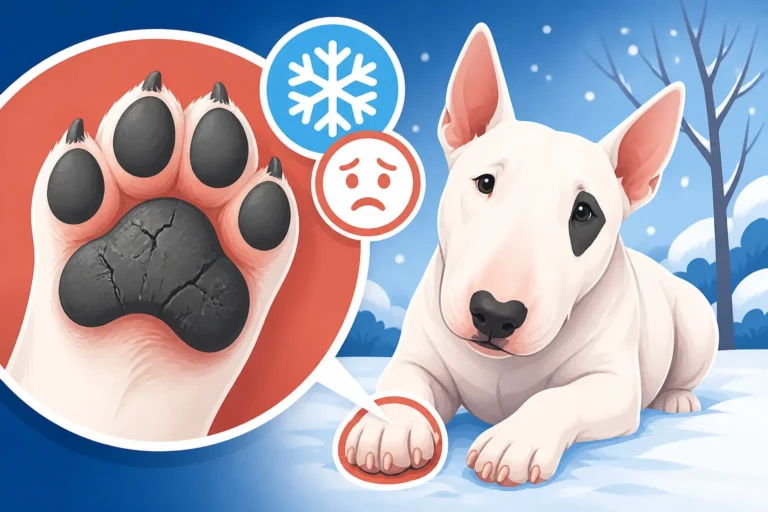
Furthermore, outdoor irritants don't disappear entirely. Salt and de-icers used on sidewalks and roads can be extremely irritating to their paw pads and the skin between their toes. If your Bull Terrier walks through these substances, they can dry out and crack their paw pads, or cause skin inflammation if they lick their paws to clean them. Always remember to wipe their paws thoroughly after winter walks. Investing in a good paw balm, which you can often find on platforms like Amazon, can make a world of difference in protecting those delicate pads.
Adjusting Your Bull Terrier's Winter Care Routine
Understanding how your Bull Terrier's coat and skin react to winter is only half the battle. The other half is knowing how to adapt their care routine to keep them comfortable and healthy through the colder months. It’s not about overhauling everything, but making thoughtful adjustments that address their specific needs.
Bathing and Skin Moisturization
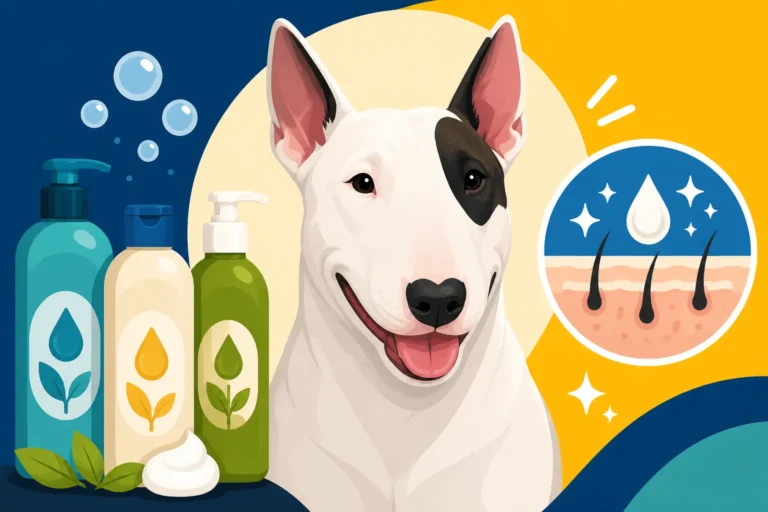
When it comes to bathing, less is often more in winter, but when you do bathe them, make it count. Aim to bathe only when necessary, perhaps every 4-6 weeks, unless they've gotten particularly mucky. The key is to use a high-quality, moisturizing shampoo specifically formulated for sensitive skin. Look for ingredients like colloidal oatmeal, aloe vera, or ceramides. Many excellent options are available from reputable pet suppliers like Chewy. After bathing, make sure to rinse thoroughly to remove all shampoo residue, and gently pat them dry rather than vigorous rubbing, which can irritate sensitive skin.
Consider using a leave-in conditioner or a hydrating spray between baths to replenish moisture. There are also dietary supplements, like omega-3 fatty acids, that can significantly improve skin and coat health from the inside out. Many Bull Terrier owners swear by them for reducing dryness and promoting a healthy skin barrier. If you're wondering Whether a Bull Terrier's Skin Improves With Diet, the answer is often a resounding yes, and winter is a prime time to ensure their diet is supporting their skin.
Protective Gear and Indoor Comfort
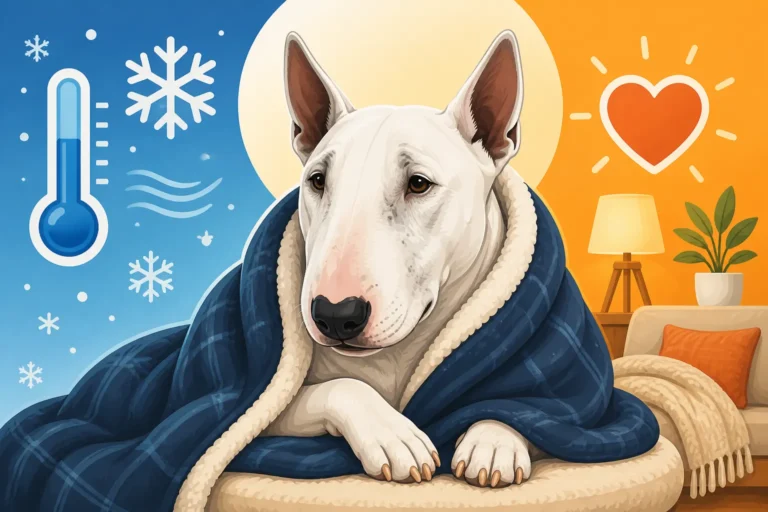
Because their coat offers minimal protection, protective gear is crucial when taking your Bull Terrier outside in cold weather. A well-fitting dog coat or sweater isn't just a fashion statement; it's a necessity for many Bull Terriers, especially those in colder climates or older dogs. You'll notice a significant difference in their comfort level, particularly during longer walks. Consider whether your Bull Terrier needs a coat in winter; for most, the answer is yes.
| Season | Coat Description | Shedding Tendency | Key Skin Concerns | Recommended Care Adjustments |
|---|---|---|---|---|
| Spring | New growth, often lighter | Moderate-High | Allergies | Regular brushing, allergy management |
| Summer | Short, sleek, minimum density | Moderate | Sunburn, insect bites | Sunscreen for whites, flea/tick prevention |
| Autumn | Gradually thickening slightly | Moderate | Dryness, static | Introduce moisturizing products, paw protection |
| Winter | Slightly denser, coarser feel | Low-Moderate | Severe dryness, cracking | Protective clothing, humidifiers, reduced bathing, paw balm |
Inside, ensure your Bull Terrier has a warm, draft-free place to sleep. A comfortable, insulated bed away from cold windows or doorways can make a big difference. If your home air is very dry due to heating, a humidifier can help add moisture back into the air, benefiting both your skin and your Bull Terrier's. This subtle environmental adjustment can go a long way in preventing winter skin issues.
Exercise and Activity Considerations
While it might be tempting to cut back on exercise during cold weather, your Bull Terrier still needs their physical and mental outlets. Lack of activity can lead to boredom, destructive behaviors, and even impact their overall health, including skin and coat condition due to stress or poor circulation. The trick is to adapt how you exercise them. Shorten outdoor walks if the weather is truly freezing, but increase the frequency or incorporate indoor games to make up the difference.
Consider their unique energy levels. A Bull Terrier that’s been cooped up too long might become agitated, which can manifest in stress-related behaviors that sometimes even impact their skin, like excessive licking. Ensure they still get enough activity to tire them out without overexposing them to harsh winter conditions. Sometimes, a quick burst of zoomies in a protected, warm area, or engaging puzzle toys, available at retailers like Chewy, can be just as effective as a long outdoor trek.
In conclusion, a Bull Terrier's coat changes in winter are less about growing a thick new layer and more about subtle density shifts and, critically, the profound impact of cold, dry air on their sensitive skin. By understanding these nuances and adjusting your care routine accordingly, you can help your Bull Terrier stay comfortable, healthy, and happy throughout the chilliest months.
Disclaimer
This article is for general informational purposes only and does not constitute professional advice. Laws, prices and regulations vary by location and change over time. Consult a qualified professional for guidance on your specific situation.