Why a Bull Terrier Puppy Should Grow Slowly
Slow growth protects Bull Terrier puppy joint health by preventing excessive skeletal stress and cartilage damage.
The daily stuff, done right.
Feeding amounts by life stage, coat and skin routines, dental and nail care, exercise needs, and what changes as they age.
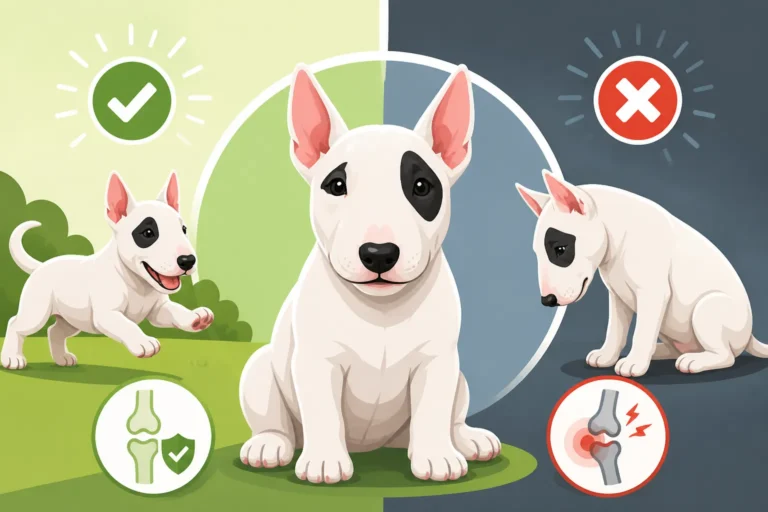
Slow growth protects Bull Terrier puppy joint health by preventing excessive skeletal stress and cartilage damage.

Four-month-old Bull Terrier puppy nutrition requirements, rapid growth stages, high energy levels, and teething details.

Bull Terrier fast eating habits stem from hunter-gatherer instincts and competition, causing risks like bloat.
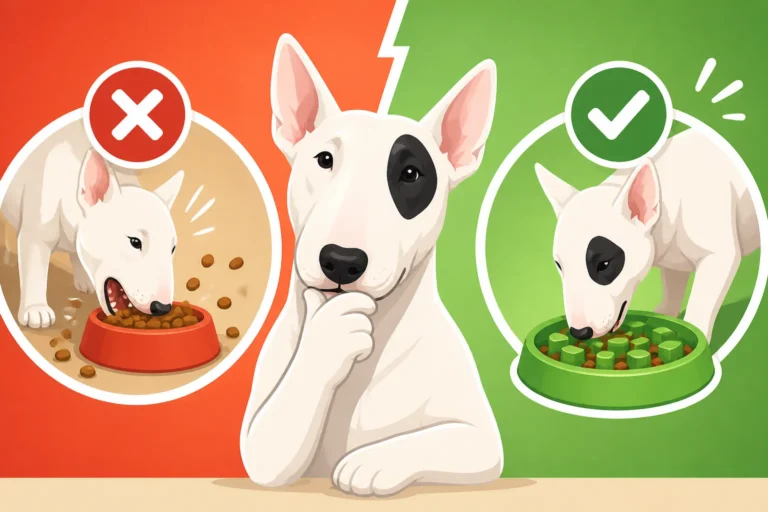
Bull Terrier rapid eating causes dangerous health issues like bloat, but slow feeder bowls help protect these dogs.

Bull Terrier free-feeding creates weight management and digestive problems, making scheduled meals a healthier choice for dogs.

Adult Bull Terrier daily food intake depends on age, activity level, metabolism, and individual health status.
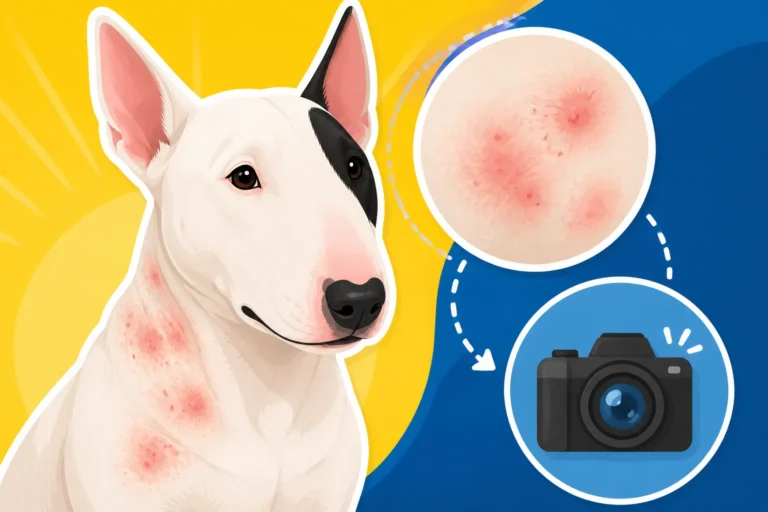
Bull Terrier skin photography frequency depends on routine wellness checks or actively monitoring a known issue.

Bull Terrier skin issues require deciding whether a gentle moisturizing shampoo or a professional veterinary appointment is necessary for treatment.

Proper bathing techniques and prescribed medicated shampoos help Bull Terriers heal from Demodex mite overgrowth and skin irritation.

Bull Terrier allergy symptoms, skin irritation signs, and veterinarian guidance for using antihistamines safely.