Why a Bull Terrier Swallows Toys
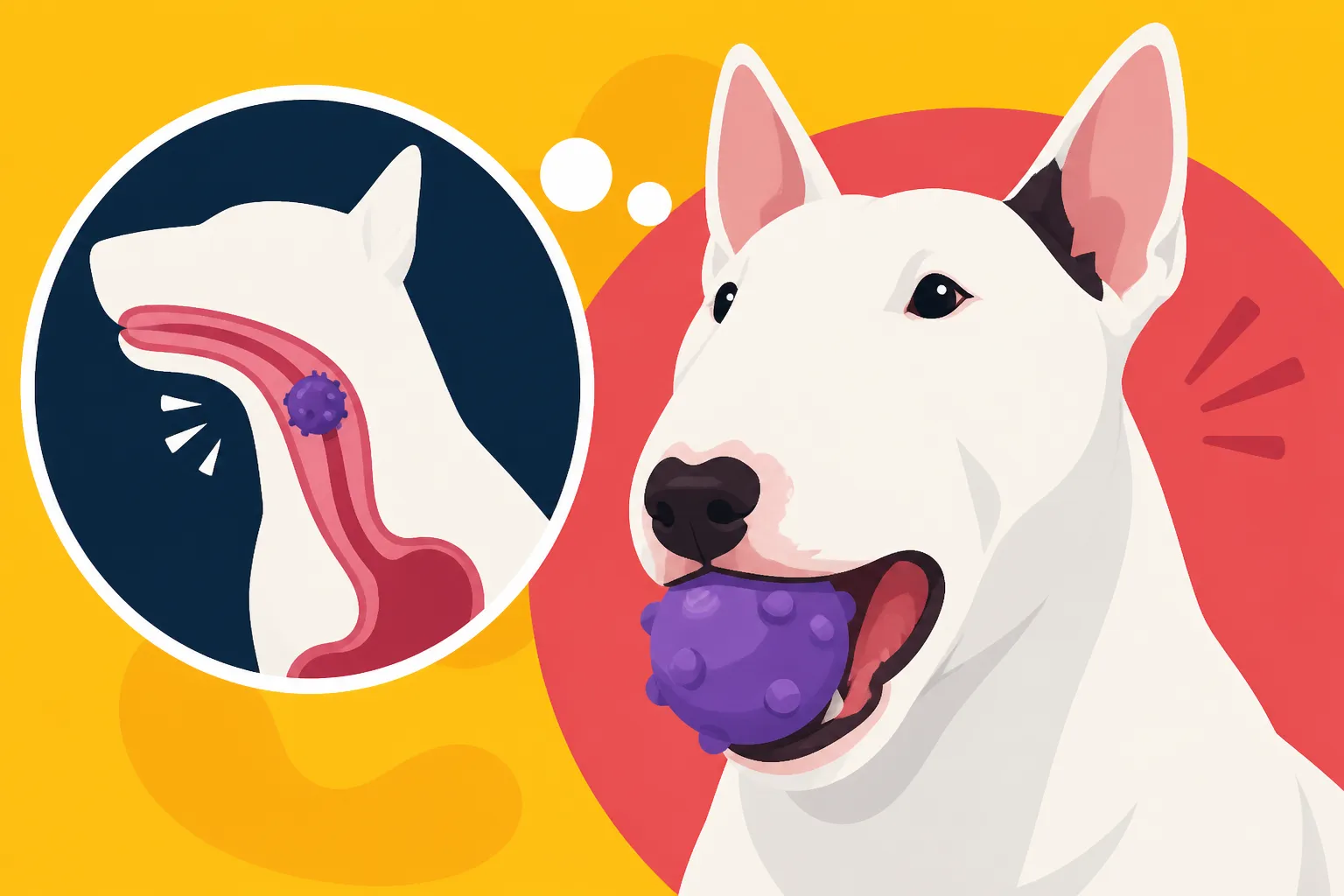
Finding a beloved toy chewed to bits is a common Bull Terrier owner frustration, but discovering pieces are missing – or worse, suspecting your quirky companion has swallowed them – can send a wave of panic. It’s a terrifying moment, wondering if that squeaker, chunk of rubber, or bit of fabric is now lodged somewhere it shouldn't be. This guide will help you understand exactly why your Bull Terrier might be swallowing toys, what dangers that poses, and most importantly, how to prevent it and what to do if it happens.
Why Bull Terriers Are Prone to Ingesting Toys
Bull Terriers are unique dogs, full of personality, strength, and a particular oral fixation that many owners underestimate. Their powerful jaws, coupled with an inquisitive and sometimes stubborn nature, make them prime candidates for turning innocent playtime into an accidental swallowing incident. It's not always malicious destruction; sometimes, it's just a Bull Terrier being a Bull Terrier.
Firstly, let's talk about that jaw. A Bull Terrier's jaw is incredibly strong, built for gripping and holding. While their ancestors might have used this power for other purposes, today's Bull Terrier often applies it to toys. They test things with their mouths in a way many other breeds don't. A toy that might last a Labrador weeks could be dismantled by a Bull Terrier in minutes. This isn't just about destructive chewing; it's about a deep, instinctual drive to explore and manipulate objects with their impressive oral anatomy. They can chomp down with significant force, easily breaking off pieces that then become swallowable. This isn't just puppy behavior; adult Bull Terriers retain this incredible jaw strength and determination. You might also find that they're just highly motivated to engage with items this way, especially when bored or seeking stimulation. How a Bull Terrier's Jaw Is So Powerful can give you more insight into this breed trait.
Beyond sheer strength, Bull Terriers have a "no quit" attitude. If they decide they want to get to the squeaker, or pull a knot apart, they will often persist until the job is done, regardless of the toy's supposed durability. This relentless focus means that small pieces, once detached, are often swallowed accidentally in the heat of the moment rather than being spat out. It's like watching a child with a small toy part – it ends up in their mouth, and then, without conscious intent, it’s down the hatch. For Bull Terriers, that "child-like" curiosity and lack of foresight can have serious consequences. They don't always register that a small, detached piece isn't digestible until it's too late.
Finally, their "clown" persona often masks a very intelligent and sometimes mischievous mind. They learn quickly what they can and cannot get away with, and sometimes, a swallowed piece is simply a consequence of pushing boundaries or enjoying a forbidden chew. They live in the moment, and that moment might involve dissecting a new toy, with ingestion being an unforeseen (to them) side effect. It’s vital to understand that this isn’t necessarily a sign of a bad dog, but rather a breed-specific challenge that owners need to actively manage.
Common Reasons for Ingesting Toys
Beyond the innate power of a Bull Terrier's jaw, there are several behavioral and environmental factors that can lead to toy ingestion. Understanding these can help you address the root cause and make your home safer.
Boredom and Lack of Mental Stimulation
This is perhaps the biggest culprit for many Bull Terriers. A bored Bull Terrier is a destructive Bull Terrier, and destruction can quickly escalate to ingestion. These dogs are intelligent and need consistent mental and physical outlets. If they're not getting enough exercise, playtime, or challenging activities, they will create their own fun – often at the expense of your belongings, or their own safety. Chewing and dismembering toys, and then accidentally swallowing pieces, becomes an activity to fill the void. Think of it from their perspective: "If I tear this up, maybe something interesting will happen, or at least I'll have something to do!" What a Bull Terrier Does When It Is Bored delves deeper into their need for engagement.
A Bull Terrier left alone for long periods without appropriate stimulation might turn to whatever is available. This could be a toy, a shoe, or even furniture. They'll chew, tear, and mouth at things, and eventually, small pieces can break off. In the frenzy of alleviating boredom, they might not even notice they've swallowed something. This isn't a problem unique to puppies; even a mature Bull Terrier, if under-stimulated, can revert to these behaviors. Providing a variety of appropriate chews and toys, and rotating them, can help keep their interest peaked.
Anxiety and Stress Relief
Just like humans, dogs can use coping mechanisms when stressed or anxious, and for many Bull Terriers, that mechanism can be chewing. Whether it's separation anxiety, loud noises, changes in routine, or general unease, a Bull Terrier might resort to intense chewing to self-soothe. During these episodes, their focus on deconstructing a toy can be so absolute that they don't differentiate between what's meant to be chewed and what's meant to be eaten. Whether a Bull Terrier Gets Separation Anxiety is a crucial read for any owner seeing anxious behaviors.
When a Bull Terrier is highly stressed, they might chew with more urgency and less discrimination. They're not thinking about the consequences; they're trying to alleviate an uncomfortable feeling. This can lead to them tearing apart a toy rapidly and, in the process, swallowing pieces out of habit or sheer speed. Recognizing the signs of anxiety and addressing them with appropriate training, enrichment, and sometimes professional guidance is vital, not just for toy safety, but for their overall well-being. A service like BAXTER & Bella, which focuses on positive reinforcement and building confidence, could offer valuable resources for managing anxiety-driven behaviors.
Predatory Drive and Curiosity (Pica)
Bull Terriers, like many breeds, have a natural predatory drive. While modern Bull Terriers aren't typically hunting game, that instinct to "catch and kill" can manifest as an intense desire to tear apart objects. A squeaky toy, in particular, can trigger this drive, mimicking prey. Once the "prey" is "dead" (i.e., the squeaker is removed or the toy is destroyed), the next step in the instinctual sequence might be to consume it, or at least parts of it.
Sometimes, the ingestion of non-food items, known as pica, can also be linked to nutritional deficiencies or underlying medical conditions, although this is less common with toys specifically. If your Bull Terrier is consistently eating things that aren't food, even when not stressed or bored, it's worth a conversation with your veterinarian. This could range from chewing on blankets and socks to consuming dirt or stones. While less common for toys, it's a possibility to keep in mind, especially if the behavior is unusual and persistent. Why a Bull Terrier Eats Things It Should Not further explains this phenomenon.
What to Do if Your Bull Terrier Swallows a Toy
This is the moment every Bull Terrier owner dreads. When you suspect your dog has swallowed a toy, time is often of the essence. Your actions in the immediate aftermath can significantly impact your dog's health and prognosis.
Immediate Assessment and Veterinary Contact
The very first thing you need to do is stay calm. Panicking won't help your Bull Terrier. Immediately contact your veterinarian or an emergency veterinary clinic. Describe what happened, what was swallowed (size, material, shape), and when it occurred. Do not try to induce vomiting at home with hydrogen peroxide or other remedies unless explicitly instructed by a veterinarian. Inducing vomiting can be dangerous, especially if the object is sharp, large, or could cause choking on the way back up. It can also cause aspiration pneumonia if your dog inhales vomit.
While you're on the phone, observe your Bull Terrier closely. Are they gagging, coughing, or struggling to breathe? Are they showing signs of distress? Even if they seem fine, a foreign object can cause internal damage or become lodged later. Your vet will likely advise you to bring your dog in for an immediate examination. Be prepared to go. This isn't a "wait and see" situation, as delays can lead to much more serious and costly interventions. What a Bull Terrier's Emergency Fund Should Hold is a good read, as this situation can quickly become an unexpected expense.
Symptoms to Watch For
Even if your Bull Terrier seems perfectly normal after swallowing a toy, you need to monitor them closely for the next 24-48 hours, or as long as your vet advises. Pay attention to changes in behavior or physical symptoms. Here's a list of critical signs that indicate a foreign body might be causing problems:
- Vomiting: Especially repeated vomiting, or vomiting after eating/drinking.
- Diarrhea: Or changes in stool consistency, particularly if it's dark and tarry (melena), which could indicate bleeding in the digestive tract.
- Lack of Appetite: Refusing to eat or drink.
- Lethargy: Being unusually tired, sluggish, or unwilling to play.
- Abdominal Pain: Whining when touched, hunching over, or a tense abdomen.
- Straining to Defecate or Inability to Defecate: The object might be blocking the bowel.
- Bloating: Swelling or distension of the abdomen.
- Gagging or Regurgitation: Especially if it's happening without actually vomiting food.
- Changes in Breathing: Labored breathing or coughing, which could indicate a piece is lodged in the airway, or aspiration has occurred.
- Changes in Demeanor: How a Bull Terrier Hides Pain is important to remember, as they are stoic and might not show obvious signs of discomfort until it's severe.
If you observe any of these symptoms, even mild ones, contact your vet immediately. They may recommend X-rays, ultrasound, or other diagnostic tests to locate the object and determine the best course of action, which could range from monitoring to endoscopic removal or surgery.
Treatment Options
The treatment for a swallowed toy depends heavily on the object's size, shape, material, and its location within the digestive tract.
- Monitoring: For very small, soft, and non-toxic objects, your vet might advise monitoring at home to see if it passes naturally. You'll need to check your dog's stool carefully.
- Endoscopy: If the object is in the esophagus or stomach and is small enough, your vet might attempt to retrieve it using an endoscope, a flexible tube with a camera and grasping tools. This is less invasive than surgery but requires anesthesia.
- Surgery: For objects that are too large, sharp, or have moved beyond the stomach into the intestines, surgery (exploratory laparotomy) may be necessary to remove the foreign body. This is a major procedure with associated risks and recovery time.
- Supportive Care: Regardless of the primary treatment, your Bull Terrier will likely need supportive care, which could include IV fluids, pain medication, anti-nausea drugs, and a special diet during recovery. Which Diet a Bull Terrier With Kidney Disease Needs offers valuable insights, as dogs recovering from surgery or illness often need gentle, easily digestible food.
Preventing Toy Ingestion: A Proactive Approach
The best offense is a good defense, especially with Bull Terriers. Preventing toy ingestion is far easier and safer than dealing with the aftermath. It requires vigilance, smart choices, and consistent management.
Selecting Indestructible and Safe Toys
This is where your primary line of defense lies. Not all toys are created equal, and for a Bull Terrier, "durable" means something entirely different than it does for a Chihuahua. You need toys specifically designed for power chewers. Look for toys made from very thick, hard rubber or nylon.
Here's what to consider:
- Material: Hard rubber (like classic Kongs), solid nylon, and certain types of dense, non-splintering wood chews are generally safer. Avoid soft plastics, thin rubber, toys with easily detachable parts (eyes, noses, squeakers that can be removed), or fabric toys unless they are truly heavy-duty and supervised.
- Size: The toy must be too large for your Bull Terrier to swallow whole. A good rule of thumb is that if it can fit entirely in their mouth, it's too small and poses a choking hazard. This applies to toys they've chewed down to a smaller size too.
- Supervision: Even with the toughest toys, never leave your Bull Terrier unsupervised with a new toy or one they have a history of destroying. Regularly inspect toys for wear and tear, and discard them immediately if they show signs of breaking apart. Which Toys Survive a Bull Terrier provides excellent recommendations for finding durable options. Many durable toys can be found on Amazon, where you can read reviews from other "power chewer" owners to gauge their real-world resilience.
Enrichment and Engagement Strategies
A tired Bull Terrier is a good Bull Terrier, and a mentally stimulated Bull Terrier is even better. Providing ample outlets for their energy and intelligence can reduce destructive chewing out of boredom or anxiety.
- Puzzle Toys: These are fantastic for mental stimulation. Fill them with kibble, peanut butter, or other safe treats. Brands like Kong and Nina Ottosson offer a variety of puzzle toys that challenge your dog to "work" for their food. This satisfies their natural foraging and problem-solving instincts. Which Puzzle Toys Occupy a Bull Terrier gives great ideas.
- Chew Variety: Offer a rotation of safe chews (bully sticks, dental chews, raw bones appropriate for their size and chewing style) under supervision. This keeps their interest and provides an appropriate outlet for their chewing needs.
- Training and Games: Regular training sessions, even short ones, engage their minds. Teach them new tricks, practice obedience, or try dog sports like obedience, agility, or scent work. Interactive games like "find the treat" or tug-of-war (with rules) can also burn mental and physical energy. Services like BAXTER & Bella offer online resources and classes that can provide a structured approach to training and engagement, helping to redirect undesirable chewing behaviors.
- Consistent Exercise: Ensure your Bull Terrier gets enough physical exercise appropriate for their age and health. This isn't just a quick walk around the block; it might involve vigorous playtime, fetch, or longer hikes.
Environmental Management and Supervision
Your home environment plays a huge role in preventing toy ingestion.
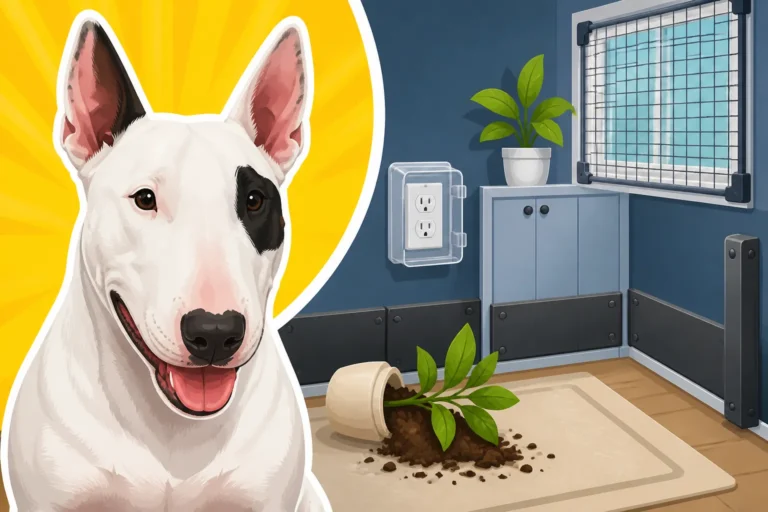
- "Bull Terrier Proof" Your Home: Look at your home from your Bull Terrier's perspective. What's within reach that shouldn't be? Put away shoes, remote controls, children's toys, and anything else that could be chewed or swallowed. This might involve baby gates, closed doors, or even dedicated "Bull Terrier safe" rooms. How to Bull Terrier Proof a Room is essential reading.
- Crate Training: A properly introduced and positively reinforced crate can be a safe haven for your Bull Terrier when you can't actively supervise them, such as when you're out or sleeping. It prevents them from accessing inappropriate items. Ensure the crate is sturdy enough for a Bull Terrier; some standard wire crates can be easily dismantled or damaged. Investing in a heavy-duty, escape-proof crate from retailers like Amazon might be necessary.
- Active Supervision: The most effective prevention is constant, active supervision during playtime, especially with new toys or when your Bull Terrier is particularly energetic or bored. If you see them starting to tear a toy apart, intervene. Redirect them to a more appropriate, durable chew, or remove the toy if it's becoming a hazard.
Remember, every Bull Terrier is an individual, and what one might ignore, another might obsess over. It's a continuous learning process to understand your dog's specific chewing habits and preferences. By being proactive, making smart choices about toys, and providing ample mental and physical stimulation, you can significantly reduce the risk of your Bull Terrier swallowing something dangerous and keep them safe and happy.
| Toy Type | Bull Terrier Suitability | Key Considerations |
|---|---|---|
| Hard Rubber | High | Choose solid, thick rubber; inspect for wear; size matters |
| Solid Nylon | High | Durable, but can be hard on teeth; discard if sharp edges |
| Puzzle Toys | High | Great for mental stimulation; supervise for destruction |
| Rope Toys | Low | Fibers can unravel and be ingested, causing blockages |
| Plush/Fabric | Very Low | Easily torn apart; stuffing and fabric can cause blockages |
| Squeaky Toys | Moderate | Squeaker is often first target; supervise closely |
| Rawhide | Low | Can soften, be swallowed in chunks, difficult to digest |
Disclaimer
This article is for general informational purposes only and does not constitute professional advice. Laws, prices and regulations vary by location and change over time. Consult a qualified professional for guidance on your specific situation.