Teaching a Bull Terrier Puppy to Stop Nipping
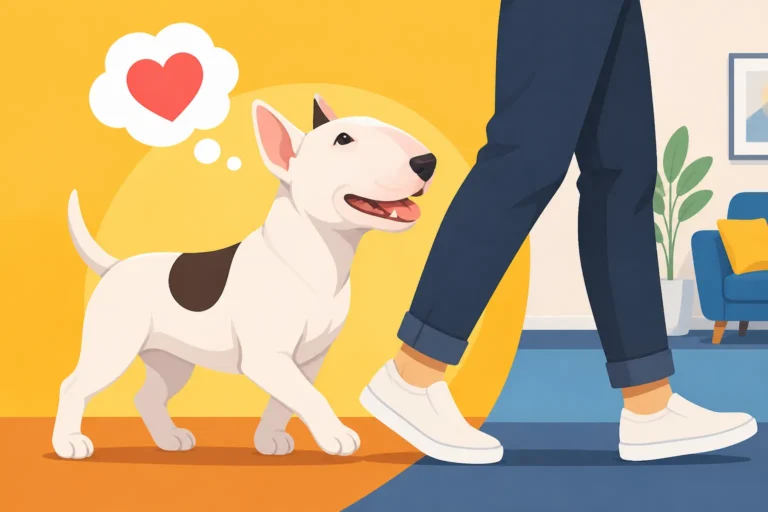
Oh, the joy of a Bull Terrier puppy! Those big eyes, that goofy smile… and those tiny, razor-sharp teeth that seem to find every piece of exposed skin on your hands and ankles. If you've got a Bull Terrier puppy who loves to use their mouth a little too much, you are absolutely not alone. Many new Bull Terrier owners quickly discover that their adorable little land shark views human skin as the ultimate chew toy, leading to scratched limbs, torn clothes, and sometimes, genuine frustration. It can feel like a losing battle, especially when you're trying to play or cuddle, but all you get is a mouthful of needle teeth. This guide is here to walk you through exactly why your Bull Terrier puppy is nipping and, more importantly, how you can gently and effectively teach them to stop, fostering a much happier, less painful bond.
Understanding Why Your Bull Terrier Puppy Nips
It’s easy to feel like your Bull Terrier puppy is specifically targeting you with their sharp little teeth, but I promise you, it's almost always not malicious. Nipping, mouthing, and biting are incredibly common and, in many ways, completely natural puppy behaviors. Understanding the roots of this behavior is the first step toward effectively managing and redirecting it.
It's Natural Puppy Behavior
Think about how puppies learn in a litter. From the moment they start exploring the world, their primary tool for interaction is their mouth. They mouth their siblings, their mother, and every object they encounter. This isn't just about teething; it's about exploring textures, understanding boundaries, and communicating. When one puppy bites another too hard during play, the bitten puppy will often yelp loudly and abruptly stop playing. This immediate feedback teaches the offender about bite inhibition – how much pressure they can exert without causing pain.
For us humans, our skin is much more delicate than a puppy's fur-covered sibling. What feels like a playful nip to a puppy can be quite painful for us. But from their perspective, they are simply engaging in typical puppy behavior. They don't inherently know that human skin is off-limits until we teach them. This phase is crucial for their development, as it lays the foundation for how they'll use their mouth throughout their life. It's not a sign of aggression; it’s a sign of a normal, inquisitive puppy.
Bull Terriers and Their Mouthy Nature
While nipping is universal puppy behavior, some breeds, like our beloved Bull Terriers, can exhibit a more pronounced or prolonged period of mouthiness. This often stems from their terrier heritage, which predisposes them to being strong-willed, playful, and sometimes, a little more physical in their interactions. Bull Terriers are known for their exuberance and playful, sometimes boisterous, nature. When they get excited, whether during a game of fetch or a greeting, that energy can manifest as enthusiastic nipping.
Their strong jaws, while not yet fully developed, are designed for gripping, which can make those puppy nips feel even more intense. This isn't to say your Bull Terrier is destined to be a mouthy adult; rather, it's an acknowledgment that this breed might require a bit more consistent and patient guidance in this area than some others. It's part of the charmingly challenging package that comes with loving a Bull Terrier. Expecting a Bull Terrier puppy to simply grow out of it without intervention is setting yourself up for continued pain and frustration. You can read more about this specific trait in How Mouthy a Bull Terrier Puppy Is.
Essential First Steps to Address Nipping
Once you understand why your Bull Terrier puppy is nipping, you can start to implement effective strategies to teach them better manners. The goal isn't to stop them from using their mouth entirely – that's impossible and unnatural – but to teach them what is appropriate to mouth and how gently they should do it.
Teaching Bite Inhibition with the "Yelp and Withdraw" Method
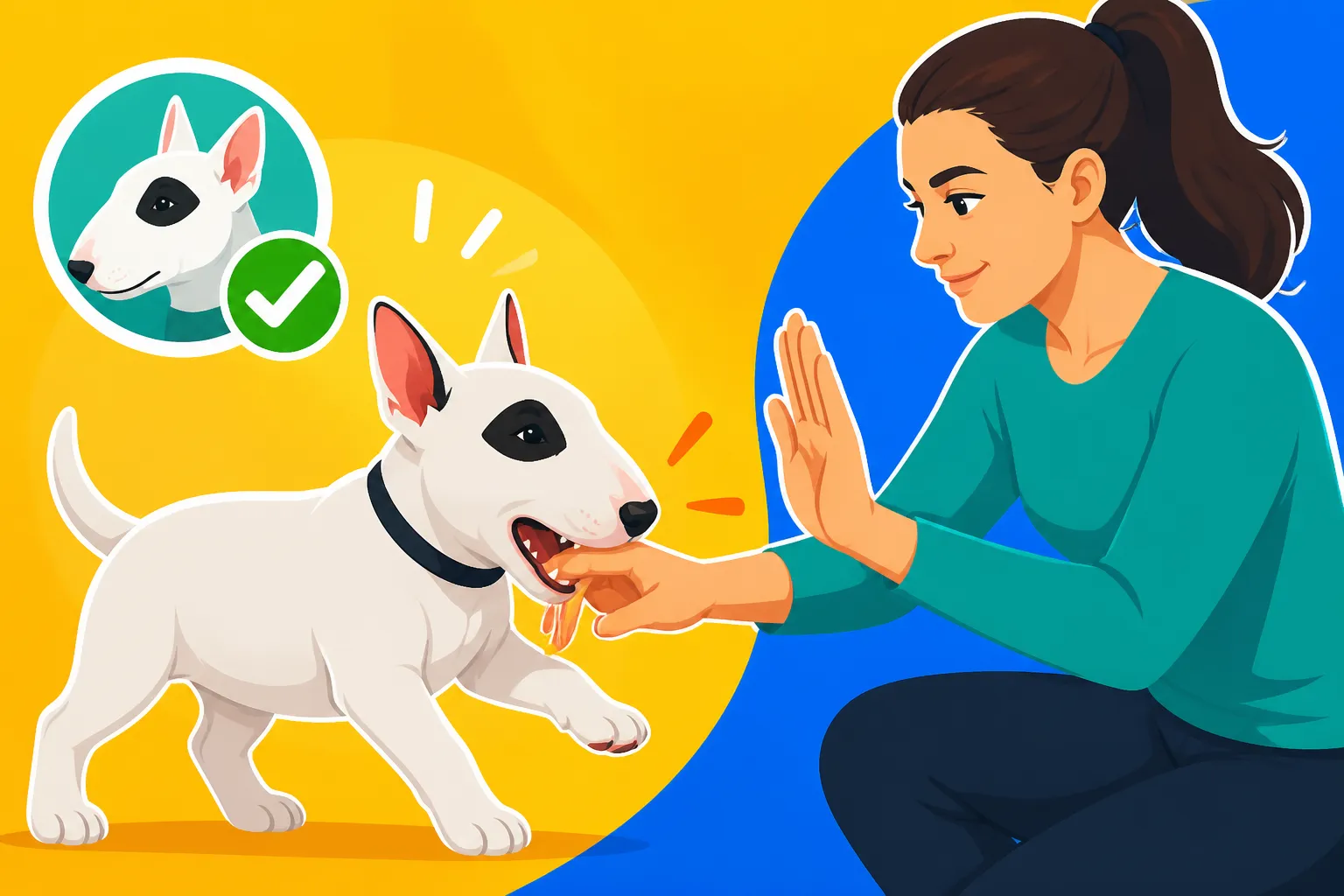
This method is designed to mimic the natural feedback a puppy receives from their littermates. When your Bull Terrier puppy's teeth make contact with your skin, even if it's not a hard bite, you need to react immediately. The key is to make it clear that teeth on skin means the fun stops.
Here's how to do it:
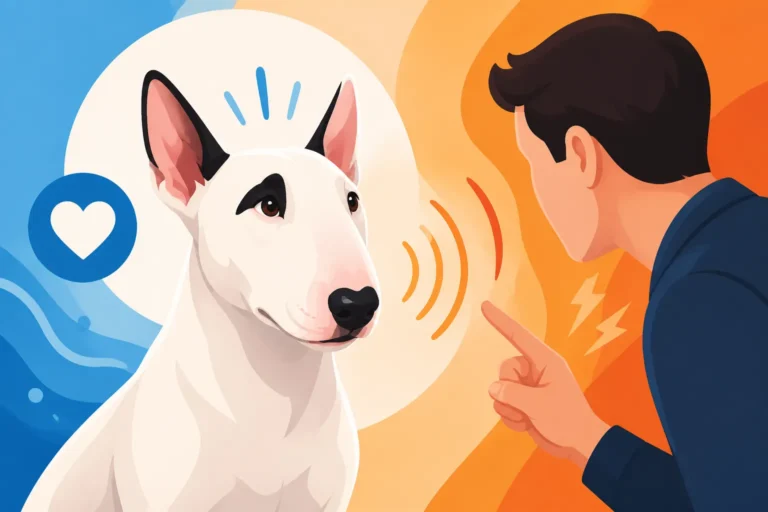
- The Yelp: As soon as you feel those teeth, let out a sharp, high-pitched "yelp!" or "ouch!" that is loud enough to startle your puppy. Don't shout angrily; think of it as mimicking a puppy's surprised cry.
- Immediate Withdrawal: Immediately after the yelp, remove the body part they were nipping (your hand, your foot, etc.) and completely disengage from the interaction. Turn your back, cross your arms, and stop all play, petting, and attention for about 10 to 30 seconds.
- Consistency is Crucial: This is arguably the most important part. Everyone in the household, from adults to older children, must implement this method consistently, every single time the puppy nips. If one person allows nipping or laughs at it, the puppy receives mixed signals, making the learning process much longer and more confusing.
The idea is that your puppy quickly learns, "Oh, when I bite hard, the fun human disappears and makes a weird noise. This isn't fun anymore." They will begin to associate hard bites with the cessation of attention and play, gradually learning to control the pressure of their jaws.
Redirecting to Appropriate Chew Toys
While teaching your puppy not to bite you, you also need to teach them what they can bite. Puppies have a natural urge to chew, especially during teething, and trying to suppress this entirely is futile and unfair to them. The solution lies in redirection.
- Always Be Prepared: Make it a habit to always have an appropriate chew toy within arm's reach, especially when you're interacting with your puppy. If you're sitting on the couch, have a toy there. If you're playing on the floor, have several.
- Perfect Timing: The moment your puppy opens their mouth to nip at you, or even before they make contact if you can anticipate it, immediately offer a suitable chew toy. Gently guide their mouth to the toy if needed, and as soon as they take it, offer enthusiastic praise ("Good job!").
- Variety is the Spice of Life: Bull Terriers are strong chewers, so invest in durable, puppy-safe toys. Rotate their toys to keep them novel and interesting. Different textures can also be appealing – some puppies prefer soft rubber, others harder nylon, or even rope toys. You can find a vast array of tough, engaging options on Amazon, ensuring you always have something new to offer. Having a collection of Which Toys Survive a Bull Terrier is essential for any Bull Terrier owner.
By consistently redirecting, you're not just stopping an unwanted behavior; you're actively teaching a desirable alternative. Your puppy learns that chewing on the toy earns them praise and continued interaction, while chewing on you results in the fun stopping.
Management Strategies to Prevent Nipping
Beyond direct training, there are several management strategies you can employ to minimize nipping incidents, especially during those times when your puppy is most prone to mouthiness. These strategies are about setting your Bull Terrier puppy up for success by proactively avoiding situations that encourage nipping.
Avoiding Nipping Triggers
Just like toddlers, puppies can get cranky and mouthy when they're overtired or over-stimulated. Learning to recognize these triggers in your Bull Terrier puppy can help you intervene before the nipping starts.
- Over-stimulation and Overtiredness: A puppy that's been playing too long, hasn't had enough naps, or is in a very exciting environment can quickly become overstimulated and resort to nipping. Think about the "witching hour" when puppies get zoomies and become particularly bitey. If you notice your puppy getting overly rambunctious, nipping more frequently, or seeming agitated, it might be a sign they need a quiet break. This isn't naughty behavior; it's often a sign of a puppy struggling to regulate their energy.
- Rough Play with Hands/Feet: While it might seem fun at the moment, engaging in rough play with your hands and feet (wrestling, teasing with fingers) inadvertently teaches your puppy that hands and feet are toys to be chased and bitten. This directly undermines your bite inhibition training. Instead, always use toys for interactive play. A long tug toy can keep your hands safely away from their teeth while still satisfying their need for a vigorous game. Remember, your Bull Terrier is powerful, even as a puppy, and you don't want to encourage them to see human body parts as playthings.
- Identifying Patterns: Pay close attention to when your puppy nips most. Is it when you first come home? During evening playtime? When they're bored? By identifying these patterns, you can proactively intervene. For example, if they're always mouthy at greetings, try having a toy ready to offer the moment you walk in the door. If they nip when bored, increase their mental and physical enrichment.
Structured Play and Training Sessions
Bull Terriers thrive on mental and physical engagement, but their attention spans as puppies can be surprisingly short. Breaking up their day with structured, positive interactions can help channel their energy productively and reduce unwanted behaviors like nipping.
- Short, Positive Sessions: Keep training sessions brief – no more than 5-10 minutes at a time for a young puppy. Bull Terriers are smart but also famously stubborn, and long, repetitive sessions can lead to frustration and disengagement. End each session on a high note, even if it's just for a simple "sit" or "down" that they know well. This keeps learning fun and prevents them from getting bored and reverting to nipping out of frustration. More on this can be found in How Short a Bull Terrier's Training Session Has to Be.
- Positive Reinforcement: Focus heavily on positive reinforcement. When your puppy interacts gently, chews an appropriate toy, or refrains from nipping, reward them immediately with a high-value treat, verbal praise, or a quick game of fetch. This reinforces the desired behavior and builds a positive association with good manners. Punishment, on the other hand, can make a Bull Terrier shut down or become fearful, neither of which is conducive to learning.
- Structured Engagement: Consider enrolling in an online puppy program or finding local classes that use positive reinforcement. Programs like BAXTER & Bella offer comprehensive online training courses that can guide you through puppyhood challenges, including nipping, with structured lessons and support. This can be invaluable for consistent guidance. Teaching your Bull Terrier that they have a job to do, even if it's just learning basic cues, can be incredibly fulfilling for them and you. Why a Bull Terrier Needs a Job is a great resource to explore this further.
Handling Persistent or Aggressive Nipping
While most puppy nipping is normal and easily managed with consistent training, there are instances where the behavior might escalate or seem to cross the line from playful mouthing to something more concerning. It's important to know the difference and when to seek professional help.
When to Seek Professional Help
Most Bull Terrier puppy nipping can be resolved with consistent application of the techniques mentioned above. However, if you observe any of the following, it’s time to consult with a veterinarian or a certified professional dog trainer/behaviorist:
- Consistent Drawing of Blood: While accidental nips can break the skin, if your puppy is consistently biting hard enough to draw blood, despite your efforts to teach bite inhibition, this warrants attention.
- Growling, Snarling, or Lunging: Normal puppy play nipping rarely involves aggressive growling, snarling, or lunging with stiff body language. If your puppy exhibits these behaviors, especially when guarding resources (food, toys, space) or when approached, it could signal a deeper behavioral issue.
- Unwillingness to Disengage: If your puppy is difficult to interrupt once they start nipping, or they escalate their biting when you try to disengage, this is a red flag. A puppy should ideally pause or stop when you yelp and withdraw.
- Fear-Based Nipping: If your puppy nips out of fear (e.g., when cornered, when startled, or during handling attempts), this requires careful, specialized intervention.
Early intervention is crucial. Behavioral issues, if left unaddressed, can become deeply ingrained and much harder to modify in an adult dog. Your vet can rule out any medical conditions that might be causing pain or irritability, and a qualified professional trainer can assess the specific context of the nipping and develop a tailored behavior modification plan.
Structured Time-Outs and Reverse Time-Outs
For persistent nipping that doesn't respond to redirection, controlled "time-outs" can be an effective consequence. This isn't about punishment, but about teaching your puppy that undesirable behavior leads to the temporary loss of something they value: your attention and the fun of interaction.
There are two main approaches:
- Puppy Time-Out: If your puppy is repeatedly nipping, even after a yelp and redirection attempt, you can briefly put them in a designated "time-out" spot. This might be their crate (which should always be a positive place, not used for harsh punishment), a playpen, or a gated-off puppy-proof area. The key is briefly – think 30 seconds to a minute – just long enough for them to calm down. Release them when they are quiet, and then resume normal, calm interaction. If they start nipping again, repeat the process. The idea is that they connect the nipping with the undesirable consequence of being removed from the fun.
- Reverse Time-Out: This is often more effective and simpler to implement. Instead of moving the puppy, you remove yourself. The moment your puppy nips, yelp, say "too bad!" or "game over!", and immediately stand up and walk away, going into another room or stepping behind a baby gate for 10-30 seconds. Your puppy is left alone, realizing that their nipping made you disappear. When you return, if they are calm, you can resume interaction. If they nip again, you leave again. This teaches them that their actions control your presence and the fun.
It's vital that time-outs are implemented calmly and consistently. Avoid anger or shouting, as this can scare or excite your puppy rather than teach them. The message should always be: "Nipping means the fun stops."
Long-Term Success and Continued Socialization
Teaching your Bull Terrier puppy to stop nipping isn't a one-and-done deal. It's an ongoing process that extends well into their adolescence and beyond, requiring consistent reinforcement and continued positive socialization.
Continuing Bite Inhibition Training into Adolescence
Bull Terriers often maintain their puppy-like exuberance for longer than many other breeds. What might be an acceptable gentle mouth on a toy from a young puppy needs to be refined as they grow into strong, adult dogs. Don't be surprised if the nipping behavior resurfaces during adolescence (roughly 6-18 months of age), often with more force behind it.
- Reinforce the Rules: Consistency remains paramount. Don't let your standards slip just because your Bull Terrier is getting older and seems to understand. If they mouth you too hard during play, the "yelp and withdraw" or "reverse time-out" methods are still your go-to tools.
- Graduated Pressure (Advanced): As your Bull Terrier matures and demonstrates excellent bite inhibition during toy play, you might choose to introduce very controlled, gentle mouthing on your hand during specific, calm interactions, always with an immediate "yelp!" and withdrawal if they apply too much pressure. This is an advanced technique and only for dogs who have already shown a strong understanding of bite inhibition. For most owners, it's safer and simpler to maintain the rule of "teeth on human skin equals game over." The goal is to ensure that if their teeth accidentally brush against you, it's always with a gentle, soft contact.
Socialization with People and Other Dogs
A well-socialized Bull Terrier is generally a more confident and less fearful dog, which can indirectly help prevent nipping born out of anxiety or insecurity. Socialization isn't just about meeting other dogs; it's about positive exposure to a wide variety of sights, sounds, environments, and people.
- Controlled Exposure to People: Gently introduce your Bull Terrier puppy to various people – men, women, children, people with hats, people with glasses, people in wheelchairs – always in a positive, controlled manner. Ensure these interactions are supervised and positive. Ask people to offer treats gently, and if your puppy nips, have them withdraw their hand.
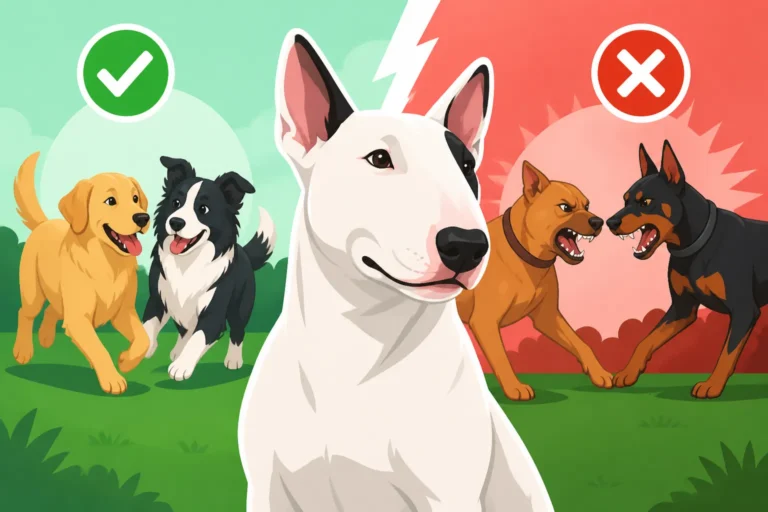
- Supervised Dog-to-Dog Play: Positive interactions with appropriate, vaccinated adult dogs can be incredibly beneficial for a Bull Terrier puppy's social development and continued bite inhibition lessons. Choose dogs known to be gentle and tolerant, who can offer appropriate feedback if your puppy is too rough. Always supervise these interactions closely, and be ready to intervene if play becomes too boisterous or if your puppy starts to get overwhelmed. You can learn more about managing these interactions in How a Bull Terrier Gets On With Other Dogs.
- Puppy Classes: Enrolling in a well-run puppy socialization class (once your vet gives the all-clear after vaccinations) is highly recommended. These classes provide a safe, structured environment for your Bull Terrier puppy to learn appropriate play with other puppies and practice basic obedience cues around distractions. This not only aids in nipping control but also builds a strong foundation for a well-behaved adult dog. Find out if your Bull Terrier is a good candidate for this in Whether a Bull Terrier Should Do Puppy Class.
By combining consistent redirection and bite inhibition training with thoughtful management and ongoing socialization, you'll set your Bull Terrier puppy on the path to becoming a gentle, well-mannered companion who knows exactly how to use their mouth appropriately.
| Nipping Scenario | Immediate Action (Yelp & Withdraw) | Redirection Strategy | Prevention / Management |
|---|---|---|---|
| Puppy nips during play | Yelp loudly, stop play, turn away | Offer durable chew toy, praise when taken | Keep toys handy, avoid rough hand-play |
| Puppy nips at greetings | Yelp loudly, ignore for a moment | Offer a toy or engage in a brief training task | Have a toy ready at the door, calm greetings |
| Puppy nips when overexcited | Yelp, disengage, calm environment | Offer a puzzle toy for mental calm | Enforce naps, shorter play sessions, quiet time |
| Puppy nips when teething | Yelp, redirect to appropriate chew | Provide frozen Kongs, safe chew bones | Ensure constant access to varied chew options on Amazon |
| Puppy nips during handling | Yelp, stop handling briefly | Practice gentle handling with treats (BAXTER & Bella training can help) | Start with short, positive handling sessions daily |
| Puppy mouths gently (no pressure) | Reward with praise/treats, continue interaction | Continue to offer appropriate toy if desired, praise gentle mouthing | Reinforce gentle mouth use consistently |
Disclaimer
This article is for general informational purposes only and does not constitute professional advice. Laws, prices and regulations vary by location and change over time. Consult a qualified professional for guidance on your specific situation.