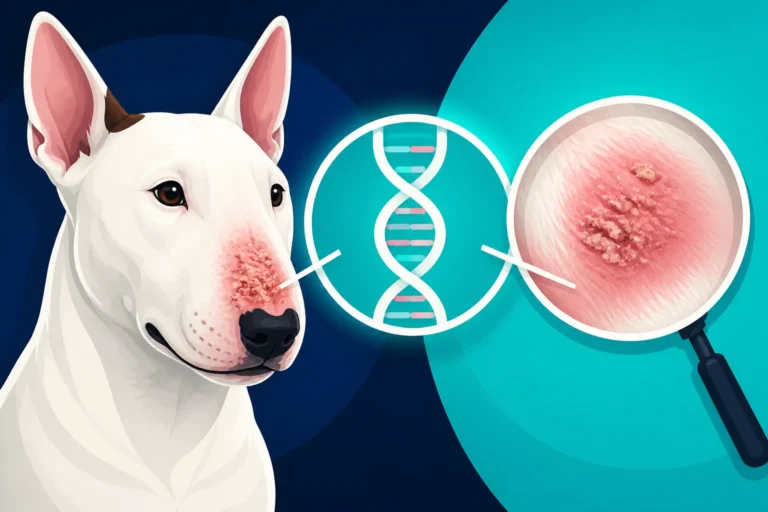
Whether a Nephritis Bull Terrier Should Be Neutered
It's a tough spot, isn't it? You've got this wonderful, vibrant Bull Terrier, and you're thinking about neutering them – a routine procedure for so many dogs. But then, the curveball: a diagnosis of hereditary nephritis. Suddenly, what seemed straightforward becomes a minefield of questions and worries. You're trying to do what's best for your beloved companion, and navigating medical decisions with a chronic condition like kidney disease can feel incredibly isolating and confusing. This guide is here to walk you through the complexities, offering clarity and empathy as you consider whether neutering is the right path for your Bull Terrier with nephritis.
Understanding Hereditary Nephritis and Its Impact on Your Bull Terrier
Before we dive into the specifics of neutering, it's crucial to really grasp what hereditary nephritis means for your Bull Terrier. This isn't just any run-of-the-mill kidney issue; it's a genetic condition that disproportionately affects our Bullies, often leading to kidney failure prematurely. It's a heavy burden, and it impacts almost every other health decision you'll make.
What is Hereditary Nephritis?
Hereditary nephritis, often abbreviated as HN, is a progressive genetic kidney disease unique to Bull Terriers and Miniature Bull Terriers. Unlike some kidney problems that develop later in life due to age or infection, HN starts early, often silently, damaging the kidneys over time. The primary issue lies in the abnormal structure of the glomerular basement membrane within the kidneys, which is responsible for filtering waste from the blood. When this membrane is faulty, proteins leak into the urine, and the kidneys become less efficient, eventually failing. Many owners only become aware of the disease when their Bull Terrier starts showing obvious symptoms, but by then, significant damage has usually occurred. If you're wondering about the specifics, we have a detailed guide on what hereditary nephritis does to a Bull Terrier that explains this in more detail.
Diagnosing and Managing a Compromised Kidney System
Diagnosing HN typically involves a few key tests. The earliest and most crucial screening tool is the urine protein-to-creatinine (UPC) ratio. This simple urine test can detect protein leakage long before clinical signs appear, allowing for earlier intervention. Regular screening, ideally from puppyhood, is essential. A rising UPC ratio is a strong indicator of kidney damage. Your vet will also look at bloodwork, specifically creatinine and BUN levels, though these tend to increase only once a significant portion of kidney function has been lost. Beyond diagnostic tests, managing HN is a lifelong commitment. There's no cure, but treatments focus on slowing the progression of the disease and managing symptoms. This often includes special diets (like those discussed in Which Diet a Bull Terrier With Kidney Disease Needs), medications to control blood pressure, and supplements to support kidney function. Understanding what a UPC ratio tells a Bull Terrier owner is key to proactive management.
Weighing the Risks: Neutering When Kidneys Are Compromised
When you're dealing with a Bull Terrier whose kidneys are already working harder than they should, any elective surgery, including neutering, demands careful consideration. It's not just about the procedure itself, but the entire process – from anesthesia to recovery – and how it might impact an already delicate system.
Anesthesia and the Kidneys
The biggest immediate concern with neutering a Bull Terrier with nephritis is the anesthesia. Anesthetics and many pre-anesthetic medications are metabolized by the liver and excreted by the kidneys. For a dog with healthy kidneys, this process is usually smooth. However, for a Bull Terrier whose kidneys are already compromised by hereditary nephritis, clearing these drugs can be much more challenging.
- Increased Strain: The kidneys have to work overtime to process and eliminate the anesthetic agents from the body. If their filtering capacity is already reduced, this extra strain can potentially push them closer to decompensation or even acute kidney injury.
- Blood Pressure Changes: Anesthesia can also cause fluctuations in blood pressure. Sustained low blood pressure during surgery can further reduce blood flow to the kidneys, exacerbating existing damage.
- Fluid Management: During surgery, intravenous fluids are administered to maintain hydration and blood pressure. For a kidney patient, the type and volume of fluids need to be meticulously managed to avoid fluid overload or dehydration, both of which can be detrimental.
It's vital that your veterinary team is fully aware of your Bull Terrier's nephritis diagnosis and has experience managing anesthesia in patients with kidney disease. They may choose specific anesthetic protocols that are safer for renal patients, and they will monitor your dog's kidney function extremely closely before, during, and after the procedure. This is a situation where you absolutely want to ensure your vet performs a comprehensive pre-surgical workup, including recent bloodwork and a urinalysis, to assess current kidney function as accurately as possible. For dogs with serious conditions, having robust pet insurance, such as a plan from Healthy Paws, can provide significant peace of mind regarding the costs of specialized care and monitoring required for such delicate procedures.
Surgical Stress and Recovery
Beyond the anesthesia, the physical stress of surgery itself and the subsequent recovery period can also impact a Bull Terrier with nephritis. Any major physiological stress can trigger a cascade of responses in the body that can put additional strain on organs, including the kidneys.
- Inflammation and Pain: Surgery causes inflammation and pain. While pain medication is essential for comfort, certain anti-inflammatory drugs (NSAIDs), commonly used post-operatively, can be contraindicated or need careful dosing in dogs with kidney issues. Your vet will need to choose kidney-safe pain management options.
- Hydration and Appetite: Post-surgery, some dogs may experience nausea or a reduced appetite, leading to decreased food and water intake. Dehydration is particularly dangerous for dogs with kidney disease, as it can worsen kidney function. Monitoring hydration levels and ensuring adequate intake is critical during recovery.
- Healing: The body's healing process requires energy and healthy organ function. If the kidneys are struggling, the overall recovery might be slower or more complicated.
This is why close observation and supportive care during the recovery phase are paramount. Ensuring your Bull Terrier eats and drinks adequately, receives appropriate pain relief, and is kept calm can help minimize stress on their system.
Making the Best Choice for Your Bull Terrier's Future
Deciding whether to neuter a Bull Terrier with hereditary nephritis is a highly individualized decision that should be made in close consultation with your veterinary team. There's no one-size-fits-all answer, and what's right for one dog might not be for another.
Consulting Your Veterinary Team
This isn't a decision you should make alone. Your primary veterinarian is your first and most important resource. They know your Bull Terrier's history, their specific kidney values, and the progression of their disease. Don't hesitate to ask every single question swirling in your head.
- Discussion Points: Talk openly about the risks of anesthesia and surgery given your dog's current kidney stage. Ask about specific anesthetic protocols they would use, what pre-surgical tests are recommended (beyond the standard panel), and what kind of post-operative monitoring and support they envision.
- Specialist Opinion: For Bull Terriers with more advanced nephritis, your vet might recommend a consultation with a board-certified veterinary internal medicine specialist or a veterinary anesthesiologist. These specialists have advanced knowledge and experience in managing complex cases and can provide a more detailed risk assessment and tailored recommendations. They can also help you understand how hereditary nephritis takes Bull Terriers in their prime and what that means for elective procedures.
- Transparent Communication: Be honest about your priorities and concerns. Are you worried about behavioral issues if your dog isn't neutered? Or are you focused solely on extending their lifespan? This helps your vet offer the most relevant advice.
Pre-Surgical Workup and Risk Assessment
A thorough pre-surgical workup is non-negotiable for a Bull Terrier with nephritis. This isn't just a basic blood test; it's a deep dive into their current health status to minimize risks.
- Comprehensive Blood Panel: This includes a complete blood count (CBC) to check for anemia or infection, and a full chemistry panel to assess kidney function (BUN, creatinine, phosphorus) and liver enzymes.
- Urinalysis and UPC Ratio: A fresh urinalysis will check for urinary tract infections or excessive protein loss. A recent UPC ratio is critical to understand the current state of kidney disease. Your vet might even want to re-run this close to the surgery date if the last one was a while ago.
- Blood Pressure Measurement: High blood pressure (hypertension) is common in kidney disease and can increase anesthetic risks. This should be checked and managed if elevated before surgery.
- Other Considerations: Depending on your dog's overall health and age, additional tests like an electrocardiogram (ECG) to check heart rhythm or even an ultrasound of the kidneys might be recommended. Knowing what a Bull Terrier’s yearly bloodwork should cover is a good starting point for understanding these pre-surgical requirements.
- Weighing Benefits vs. Risks: Once all the information is gathered, your vet will help you weigh the potential benefits of neutering (e.g., preventing testicular cancer in males, mammary tumors or pyometra in females, behavioral modifications) against the risks associated with anesthesia and surgical stress on compromised kidneys. If your Bull Terrier is already exhibiting signs a Bull Terrier's kidneys are failing, the risks might outweigh almost any benefit.
Alternatives to Neutering
In some cases, especially where the risks are deemed too high, you might explore alternatives to surgical neutering.
- Medical Management of Behavioral Issues: If neutering is being considered primarily for behavioral reasons (e.g., marking, aggression), discuss medical and training alternatives with your vet or a certified professional dog trainer.
- Chemical Sterilization: For male dogs, chemical implants (like Suprelorin, though effects on kidneys should be discussed) can provide temporary suppression of testosterone without surgery, allowing you to assess behavioral changes or delay permanent neutering.
- Careful Management of Intact Dogs: Living with an intact male or female Bull Terrier with nephritis means heightened vigilance. For females, this involves careful monitoring for pyometra (a life-threatening uterine infection) and mammary tumors, which are more common in intact females. For males, testicular tumors can be a risk, though these are often less immediately life-threatening than pyometra. This option requires a significant commitment to regular veterinary check-ups and being prepared for potential emergencies, making a reliable pet insurance plan like Healthy Paws even more valuable.
Ultimately, the decision rests on prioritizing your Bull Terrier's quality of life and longevity. If the nephritis is mild and well-controlled, the risks might be acceptable. If it's advanced, the risks could be too great. There are no easy answers, but an informed discussion with your vet is the path forward.
Pros and Cons of Neutering a Nephritis Bull Terrier
Let's break down the general arguments for and against neutering, specifically filtering them through the lens of a Bull Terrier with hereditary nephritis.
| Factor | Pros of Neutering (Even with Nephritis) | Cons of Neutering (Especially with Nephritis) |
|---|---|---|
| Health Benefits | Eliminates risk of testicular cancer (males). Reduces risk of prostate issues (males). Eliminates risk of pyometra, uterine/ovarian cancer (females). Significantly reduces risk of mammary tumors (females, if spayed early). | Anesthesia poses significant risk to compromised kidneys. Surgical stress can exacerbate kidney disease progression. Potential complications requiring additional medication/stress. |
| Behavioral | Can reduce marking, roaming, certain types of aggression. May make training easier (though not a magic bullet). | No guarantee of behavioral changes. Some risks associated with hormonal changes (e.g., potential for increased anxiety in some dogs). |
| Population Control | Prevents accidental litters. | Not a primary concern if the dog is well-contained and breeding is not intended. |
| Recovery | Typically a single recovery period for a common procedure. | Recovery might be prolonged or complicated by kidney issues, requiring more intense post-op care. |
| Long-Term Costs | Avoids potential costs for treating reproductive cancers or pyometra. | Upfront costs for extensive pre-surgical testing and specialized anesthetic monitoring are higher. Potential for increased kidney management costs post-surgery if complications arise. |
It's a fine balance, and the scale often tips based on the individual severity of your Bull Terrier's kidney disease and any pressing medical or behavioral reasons for considering neutering. If your Bull Terrier has already been diagnosed with Hereditary Nephritis Takes Bull Terriers in Their Prime, then delaying or avoiding elective surgery might be the safest course.
Disclaimer
This article is for general informational purposes only and does not constitute professional advice. Laws, prices and regulations vary by location and change over time. Consult a qualified professional for guidance on your specific situation.