Why One Parent Passes Bull Terrier Nephritis On
It’s a heartbreaking moment when you receive the news that your beloved Bull Terrier has been diagnosed with Hereditary Nephritis (HN). Many owners grapple with the crushing weight of this diagnosis, often wondering how such a devastating disease could have happened, especially if only one parent seemed to carry the risk. This guide will meticulously break down the unique genetic inheritance pattern of Bull Terrier Nephritis, explaining why it only takes one affected parent to potentially pass this life-altering condition onto their puppies, and what that means for families navigating this complex health challenge.
Understanding Hereditary Nephritis in Bull Terriers
Hereditary Nephritis in Bull Terriers is a severe, often progressive kidney disease that can unfortunately cut short the lives of these wonderful dogs. It’s not just a run-of-the-mill kidney issue; it’s a specific genetic condition that directly impacts the structure and function of the kidneys, leading to their premature failure. When you hear that term, it can feel overwhelming, like you’re trying to understand a complex medical textbook, but at its core, it means the kidneys are simply built incorrectly from birth due to a faulty gene.
The frustration many owners feel is completely valid. You get a puppy, full of life and mischief, and you expect to have many happy years together. Then, sometimes seemingly out of nowhere, symptoms start to appear, and you’re faced with the reality of a genetic disease. It’s a lot to process, and it’s natural to question how something inherited could be so impactful and often so hidden until it's too late. The journey of a Bull Terrier with HN is tough, marked by a gradual decline in kidney function that can be challenging for both the dog and its family. To truly understand the disease, it helps to dive into what Hereditary Nephritis Does to a Bull Terrier and the specific mechanisms at play within their little bodies.
The Genetic Culprit: A Single Gene Mutation
At the heart of Bull Terrier Nephritis lies a specific genetic mutation. This isn't some vague, multi-gene interaction; it’s primarily attributed to mutations in the COL4A1 and COL4A2 genes. These genes are responsible for producing crucial components of Type IV collagen, which is like the scaffolding that holds together the delicate filtering units in the kidneys, called glomeruli. Think of it this way: if your house foundation has a faulty blueprint, the house won't stand strong, no matter how beautiful the facade. Similarly, when these genes are mutated, the kidney's filtering structures are inherently weak and prone to damage, leading to protein leakage and eventual failure.
It’s easy to get lost in the scientific jargon, but the key takeaway is that a tiny, specific error in their genetic code leads to a big problem. This isn't just about predisposition; it's about a direct structural flaw. This single gene mutation, passed down through generations, ensures that the kidneys are compromised from the start. This makes understanding How Hereditary Nephritis Is Inherited in Bull Terriers absolutely crucial for prospective owners and responsible breeders alike, as it dictates the very high likelihood of passing the condition on.
Autosomal Dominant Inheritance Explained
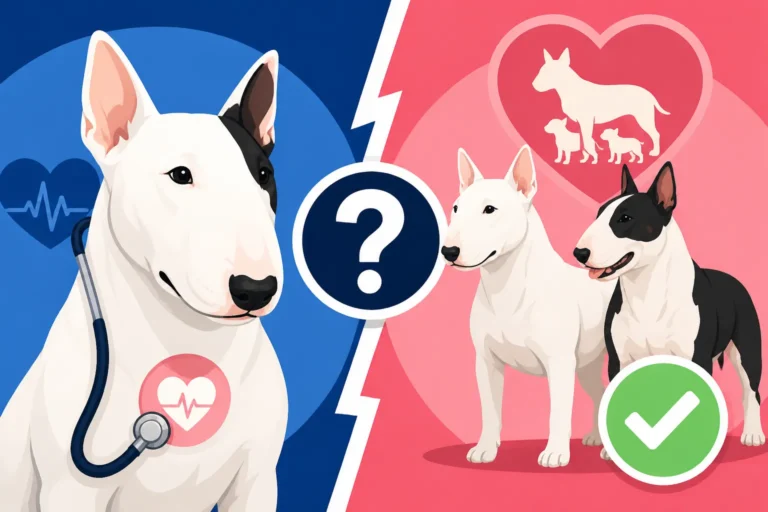
This is where understanding "why one parent" comes into play. Hereditary Nephritis in Bull Terriers is inherited in an autosomal dominant fashion. What does "autosomal dominant" actually mean in plain English?
Let's break it down:
- Autosomal: This simply means the gene responsible for HN is located on a non-sex chromosome (not X or Y). It affects males and females equally.
- Dominant: This is the critical part. It means that a dog only needs to inherit one copy of the mutated gene from either parent to develop the disease. It doesn't need two copies (one from each parent), like in recessive conditions. If a dog gets just one faulty copy, the dominant nature of that gene takes over, and the dog will be affected.
Imagine you have two switches: one for a light bulb. With a recessive trait, both switches need to be "on" (meaning both parents contributed a faulty gene) for the light to come on (the disease to manifest). But with a dominant trait, if just one switch is "on" (one parent contributes the faulty gene), the light comes on anyway. The presence of even one abnormal gene copy is enough to cause the condition. This fundamental difference is why HN can seem to appear unexpectedly or why only one parent needs to be a carrier to put puppies at risk. It’s a powerful, overriding genetic instruction that dictates the fate of the kidney's development.
Why Just One Parent Can Pass It On
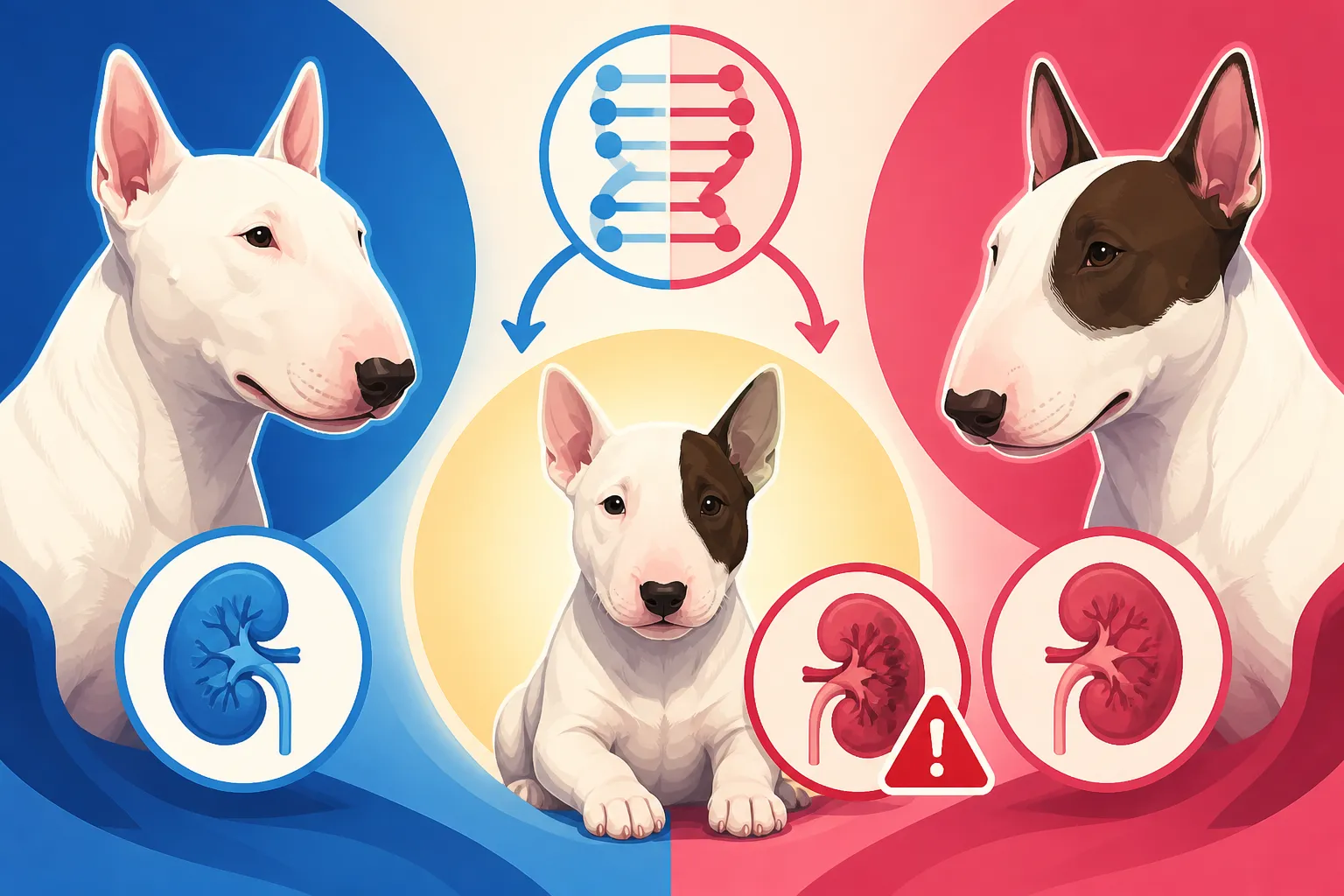
The autosomal dominant nature of Hereditary Nephritis is the direct answer to why only one parent is needed to transmit the disease. When a Bull Terrier inherits just a single copy of the mutated gene from one parent, that single gene is potent enough to override the healthy gene copy inherited from the other parent. The dog is then considered genetically affected and will develop the condition, though the severity and age of onset can sometimes vary.
Consider this common scenario: you have a breeding pair. One parent is genetically clear (meaning it has two normal copies of the gene). The other parent is affected (meaning it has one normal copy and one mutated, dominant copy). When they breed, here are the potential outcomes for each puppy:
- 50% Chance: Each puppy has a 50% chance of inheriting the normal gene from the affected parent and thus being completely clear of the condition.
- 50% Chance: Each puppy also has a 50% chance of inheriting the mutated, dominant gene from the affected parent, and therefore will be affected with Hereditary Nephritis.
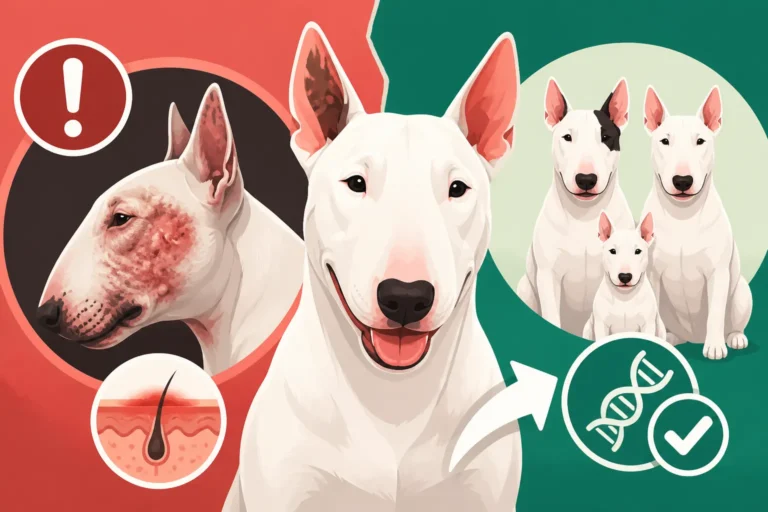
This 50/50 probability applies to every single puppy in the litter. It’s like flipping a coin for each one. This reality highlights why it is so important for breeders to know the genetic status of both parents. This is also why you might hear about cases where a litter has a mix of affected and unaffected puppies, even from parents where one was clearly ill and the other was healthy. Knowing Why a Bull Terrier Puppy Can Be Screened for Nephritis becomes incredibly significant in these situations, allowing owners to prepare and manage the condition as early as possible.
The Unaffected Carrier Myth
One of the most persistent misconceptions about autosomal dominant diseases like HN is the idea of an "unaffected carrier." People often mistakenly apply the logic of recessive inheritance here, thinking that a dog can "carry" the gene for HN without actually being affected themselves. This isn't the case with dominant inheritance.
If a Bull Terrier carries the COL4A1/COL4A2 mutation, it is, by definition, an affected dog. It might not show severe clinical signs early in life, or its disease progression might be slower than others, leading some to believe it's merely a "carrier." However, genetically, that dog possesses the dominant gene and is destined to develop kidney issues. The term "carrier" in this context can be misleading because it implies an animal is healthy but can pass on a hidden trait. For HN, if they have the gene, they are affected, even if the symptoms haven't fully manifested or are mild at a specific point in time. This distinction is crucial for understanding the disease and for responsible breeding practices.
The Importance of Knowing Parent Status
For anyone considering bringing a Bull Terrier into their home, the genetic status of the puppy’s parents is not just a nice-to-have; it's absolutely vital. Responsible breeders should be completely transparent about the health testing conducted on their breeding dogs, especially for conditions like Hereditary Nephritis. Asking to see the health certifications for both sire and dam, specifically for HN, is your right as a prospective owner.
The heartbreak of an unexpected HN diagnosis is profound. Owners invest not only financially but also emotionally in their puppies, only to potentially face a devastating prognosis often early in their dog's life. This emotional toll can be immense. When a breeder knowingly breeds an affected dog, or one who hasn't been tested, they are essentially rolling the dice with the lives of the puppies and the emotional well-being of future families. This makes it imperative to understand What a Bull Terrier Breeder Should Have Tested and to insist on seeing those results. If a breeder hedges or refuses to provide this information, it's a significant red flag that warrants looking elsewhere.
The Real-World Impact and Breeder Responsibility
The real-world impact of Hereditary Nephritis extends far beyond the initial diagnosis. For breeders, the responsibility is immense. Knowing that a single affected parent can pass on this devastating disease means that every breeding decision carries significant ethical weight. Reputable breeders invest in comprehensive genetic testing to ensure they are not perpetuating these health issues within the breed. They understand that their choices directly affect the health and longevity of generations of Bull Terriers. A breeder who truly cares for the breed's future will prioritize health over all else, even if it means retiring an otherwise beautiful or successful show dog from their breeding program if it tests positive for the HN gene.
For owners, the impact is often financial and emotionally exhausting. The journey of managing a Bull Terrier with kidney disease can be long and challenging, involving specialized diets, medications, frequent veterinary visits, and monitoring tests. The costs associated with treating a chronic condition like HN can quickly add up, easily reaching thousands of dollars over the dog’s lifetime. This is where pet insurance, like a plan from Healthy Paws, can be an absolute lifeline, helping to mitigate the financial burden of managing ongoing medical care. However, even with insurance, the emotional toll of watching your beloved companion battle a progressive illness is profound. Understanding What Kidney Failure Costs a Bull Terrier Owner can help new owners prepare for the financial realities, but nothing truly prepares you for the emotional aspect.
Preventing the Spread of HN
The most effective way to prevent the spread of Hereditary Nephritis is through vigilant genetic screening of all potential breeding stock. Thankfully, DNA tests are available for HN in Bull Terriers, allowing breeders to definitively identify affected dogs, as well as clear dogs. This technology is a game-changer for the breed.
Responsible breeders utilize these tests meticulously. They will test both parents before any breeding takes place. If one parent is identified as affected, a truly ethical breeder would opt not to breed that dog, or at the very least, would only breed to a dog that has been confirmed clear, with the full understanding that 50% of the litter could still be affected. The goal, however, for any responsible breeder, is to breed healthy dogs. By removing affected individuals from the gene pool, or carefully managing breeding lines with full transparency and genetic testing, the prevalence of HN can be significantly reduced over time. This includes proactive measures like regular screening of kidneys by ultrasound to detect early signs, which is why a good breeder will show you results from Whether a Bull Terrier Breeder Screens the Kidneys by Ultrasound.
Living with a Bull Terrier Diagnosed with HN
Receiving an HN diagnosis for your Bull Terrier is never easy, but it’s not an immediate death sentence. With proper management and dedicated care, many Bull Terriers with HN can still enjoy a good quality of life for a significant period. The key is early detection and proactive intervention. Regular veterinary check-ups, including urine tests to monitor protein levels and blood work to assess kidney function, are paramount.
Management often involves a multi-faceted approach. Dietary changes are usually a cornerstone of treatment; vets typically recommend a prescription renal diet that is lower in protein and phosphorus to reduce the workload on the kidneys. Medications might be prescribed to help control blood pressure, reduce protein loss in the urine, or manage other symptoms. It’s a commitment, but one that is absolutely worth it for your furry family member. Keeping abreast of how to help your dog with conditions like HN is part of being a responsible owner, which is why resources on How a Bull Terrier With Nephritis Is Managed and Which Diet a Bull Terrier With Kidney Disease Needs are invaluable. Regular consultations with your veterinarian, and potentially a veterinary nephrologist, will be crucial in tailoring a treatment plan specific to your dog’s needs.
Genetic Testing and Future Hope
The availability of genetic testing for Hereditary Nephritis has transformed the landscape for Bull Terrier owners and breeders. No longer is this a disease where you have to wait for symptoms to appear or rely solely on family history, which can be incomplete or misleading. Now, a simple DNA test can tell you definitively if a dog carries the mutated gene. This empowers breeders to make informed decisions that protect the health of their lines and the future of the breed.
The DNA test for Bull Terrier Nephritis, which typically involves a cheek swab, is a relatively straightforward and affordable process. This means that reputable breeders have no excuse not to test their dogs. If you’re looking for a Bull Terrier puppy, always ask to see the clear genetic test results for HN for both parents. This due diligence is your best defense against inadvertently supporting the proliferation of this disease. The knowledge that a reliable DNA Test for Bull Terrier Nephritis Exists offers a tangible hope for reducing the incidence of this devastating condition and ensuring that future generations of Bull Terriers can live longer, healthier lives.
The ongoing efforts by dedicated breeders and breed clubs to utilize these tests are slowly but surely making a positive impact. Every clear generation brings the breed closer to eradicating HN entirely. It’s a long road, but with continued vigilance and scientific advancement, the future for Bull Terriers looks brighter than ever before regarding this specific health challenge.
Here’s a quick overview of Hereditary Nephritis Inheritance:
| Feature | Description | Implications for Bull Terriers |
|---|---|---|
| Inheritance Pattern | Autosomal Dominant | Only one copy of the mutated gene from one parent is sufficient to cause the disease. |
| Gene Involved | Primarily COL4A1 and COL4A2 | These genes produce critical collagen for kidney filtering units. Mutation weakens these units. |
| Affected Parent Risks | If one parent is affected (carries one mutated gene), each puppy has a 50% chance of being affected. | High risk of transmission even if only one parent has the gene. |
| "Carrier" Status | Misleading in dominant traits; if a dog has the gene, it is affected, not just an unaffected carrier. | A dog with the gene will develop the disease, though symptom onset/severity may vary. |
| Testing | DNA test (e.g., cheek swab) available to identify mutated genes. | Essential for breeders to screen all potential breeding stock before mating. |
| Impact | Progressive kidney failure, often leading to shortened lifespan. | Significant financial and emotional burden on owners, ethical considerations for breeders. |
Disclaimer
The information provided in this article is for educational and informational purposes only and does not constitute veterinary advice. Always consult with a qualified veterinarian for any health concerns or before making any decisions about your pet's health or treatment.