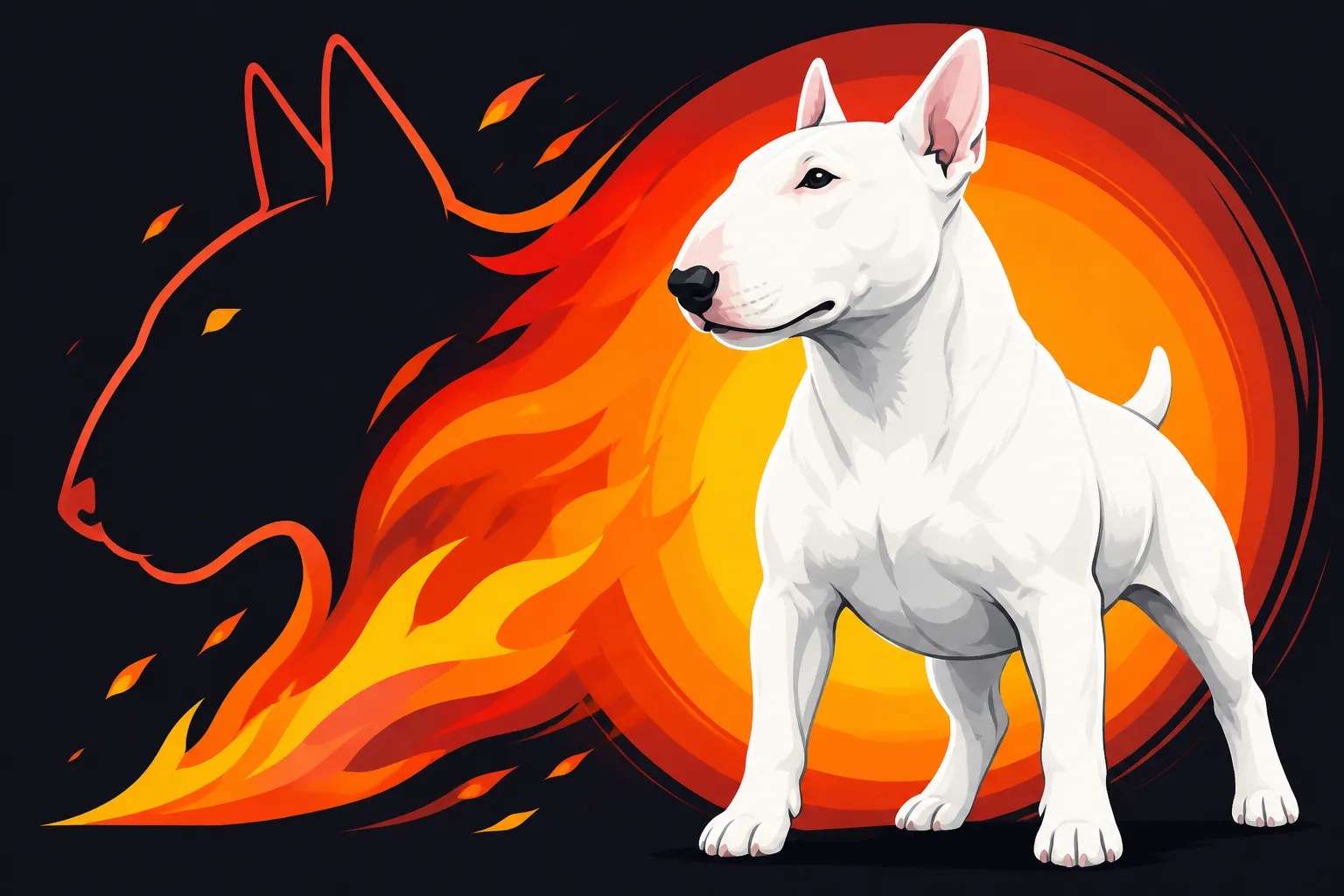
Where a Bull Terrier Burns First
If you share your life with a Bull Terrier, especially one of our beautiful white companions, you know their skin can be a bit of a conundrum. It’s so sleek and smooth, but also incredibly delicate, particularly when it comes to the sun. It's truly heartbreaking to see your usually boisterous Bull Terrier uncomfortable or in pain from something as preventable as a sunburn. This guide is here to walk you through exactly which parts of your Bull Terrier are most vulnerable to the sun's harsh rays, why they’re such prime targets, and, most importantly, how you can keep your beloved dog safe and happy, even on the brightest days.
The Bull Terrier's Most Vulnerable Sunburn Spots
It's a common misconception that a dog's fur offers complete protection from the sun. While a thick, dense coat certainly helps, many parts of a Bull Terrier's body have thinner fur, lighter pigmentation, or are simply more exposed to direct sunlight, making them prime candidates for sunburn. It’s not just about spending hours at the beach; even a casual stroll or a snooze in a sunny spot in the yard can lead to trouble.
The Nose and Ear Tips: First Lines of Fire
Think about your own face; your nose is often the first place to catch the sun, right? It's much the same for our Bull Terriers. Their prominent, usually pink or lightly pigmented noses are incredibly exposed. There's no thick fur on a Bull Terrier's nose to act as a barrier, and the skin itself is often quite sensitive. Imagine how it must feel for them to have that sensitive area become red and tender. It’s not just uncomfortable; a severe burn on the nose can make eating and drinking painful, leading to a host of other issues.
Similarly, the tips of their upright, often thin ears are extremely vulnerable. These ears are like little solar panels, catching every bit of sun. If your Bull Terrier has white or very light-colored ears, you'll notice the skin underneath is often a delicate pink. This lack of protective pigment means UV rays penetrate easily. I’ve seen Bull Terriers with raw, peeling ear tips after just a few too many unsupervised sunbathing sessions. It's a truly painful experience for them, and chronic exposure can lead to much more serious problems down the line, as we’ll discuss when we look at Whether Sun Damage Turns Into Skin Cancer in a Bull Terrier. These are areas that often get overlooked, but they really shouldn’t be.
The Delicate Belly and Inner Thighs: Hidden Dangers
While the nose and ears are obvious targets, many owners are surprised to learn that the belly and inner thighs are also highly susceptible to sunburn. When your Bull Terrier sprawls out for a nap in the sun, tummy-up – a classic Bull Terrier move, let’s be honest – that soft, sparsely furred skin is completely exposed. This skin is typically very thin and lacks pigment, especially in white or light-colored Bull Terriers, making it extremely vulnerable.
It’s easy to forget about these areas because they're not always in direct light when the dog is standing or walking. However, a Bull Terrier loves to flop down and soak up the warmth, and that's when these tender spots become a real issue. A severe sunburn on the belly can lead to blistering, pain, and discomfort when lying down, walking, or even just being touched. It’s not just about the pain of the burn either; the skin here can be slow to heal, and secondary infections are a real concern if the skin barrier is compromised. You might not immediately think of the underside of your dog as a priority for sun protection, but trust me, it absolutely is.
The Pink Patches and Scar Tissue: Unprotected Islands
Beyond the general areas, individual Bull Terriers might have specific spots on their body that are particularly vulnerable. These often include any areas where their coat is naturally sparser, where the skin underneath is visibly pink, or where they have old scars. For example, some Bull Terriers have naturally thin hair on their flanks, their groin, or even along their back, exposing patches of that tender pink skin. These are like little islands of vulnerability on an otherwise fur-covered body.
Scar tissue, whether from an old injury, surgery, or even a past skin infection, is another high-risk area. Scar tissue often lacks the normal pigment and hair follicles of surrounding skin, making it particularly prone to burning. If your Bull Terrier had a growth removed or an accident that left a bald patch, that area now requires extra vigilance. It's not just about white Bull Terriers either; even a colored Bull Terrier can have pink patches where the fur is thinner or absent, or where an old scar exists. Regularly checking your Bull Terrier’s skin, especially after a day out, is key to catching any issues early, as discussed in The Weekly Skin Check Every Bull Terrier Needs.
Why Bull Terriers Are So Susceptible to Sunburn
Understanding where they burn is one thing, but knowing why they are so prone to it really drives home the need for preventative action. It's a combination of breed-specific traits and natural behaviors that make them more vulnerable than many other breeds.
The White Coat and Pink Skin Predicament
Let's be honest, part of the undeniable charm of many Bull Terriers is their dazzling white coat. However, this beautiful trait comes with a significant health caveat: white coats, especially in dogs with pink underlying skin, offer very little protection against harmful UV rays. Unlike darker pigmented skin and fur, which contain melanin that absorbs and scatters UV radiation, white skin and fur reflect less and allow more UV light to penetrate. This is a common concern, and it's something every owner of a white Bull Terrier needs to be acutely aware of.
For a white Bull Terrier, that lovely pink skin beneath their short, sleek coat is essentially bare, even with hair on top. It's like having no natural sun block at all. This lack of pigment is the primary reason Why a White Bull Terrier Sunburns so easily. It means that even moderate sun exposure can lead to a burn, whereas a dog with darker skin and a thicker coat might be able to tolerate the same amount of sun without issue. It's a genetic predisposition that makes them uniquely beautiful but also uniquely vulnerable.
The Breed's Love for Sunbathing
Oh, the sun worshipers! If you've ever owned a Bull Terrier, you know their absolute adoration for finding the warmest, sunniest spot in the house or yard and flopping down for an extended nap. It’s part of their charming, quirky personality, but it's also a major factor in their sunburn risk. They just love to bake! This instinct to seek out and lie in the sun means they often expose their most vulnerable areas – bellies up, ears splayed – for prolonged periods without any thought to the consequences.
It's not just a casual five-minute sit; a Bull Terrier can happily snooze in the direct midday sun for an hour or more if left undisturbed. This prolonged, direct exposure, particularly during peak UV hours, significantly increases their chances of getting a severe burn. We often wonder Why a Bull Terrier Seeks Out the Sun with such dedication, but for whatever reason, they seem drawn to it like a moth to a flame. As their human companions, it's our job to gently, but firmly, manage this natural inclination to ensure their safety.
Anatomy That Increases Exposure
Beyond color and behavior, the very anatomy of a Bull Terrier contributes to their sunburn susceptibility. Their coat, while dense enough to be sleek, is very short and lies close to the body, offering minimal physical barrier against UV radiation. Compare this to a fluffy Malamute or a Golden Retriever with their thick double coats; these breeds have a natural layer of insulation and protection that Bull Terriers simply lack.
Moreover, their erect ears and the characteristic egg-shaped head with a prominent nose mean there are fewer folds or shadows to provide natural shade. Many other breeds have floppy ears or a more recessed muzzle that offers some self-shading, but a Bull Terrier's head structure puts their ears and nose right in the path of the sun. Even their large, triangular eyes, while distinctive, offer little in terms of shading other sensitive facial areas. This unique combination of a short coat, upright ears, and a prominent muzzle means their most delicate skin is almost always directly exposed, making sun protection a non-negotiable part of their care regimen.
Essential Strategies for Sun Protection
Protecting your Bull Terrier from the sun isn't about keeping them indoors all the time; it's about smart management and proactive measures. We want them to enjoy life, including the great outdoors, but safely. It takes a conscious effort, but it’s completely doable and incredibly important for their health.
Timing Walks and Seeking Shade
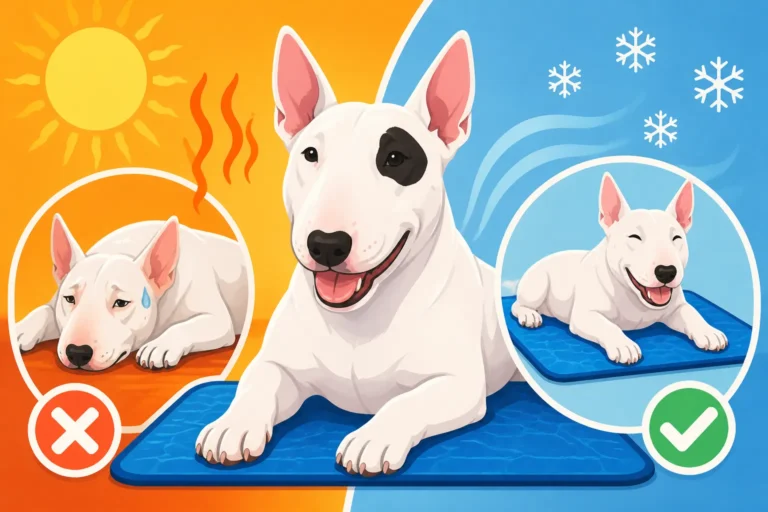
One of the simplest yet most effective ways to protect your Bull Terrier is by adjusting when you expose them to the sun. The sun's UV rays are strongest between 10 AM and 4 PM. This is particularly true during summer months, but even on a clear winter day, UV can be surprisingly potent. Planning your walks and outdoor play sessions for early mornings or late afternoons, when the sun is lower in the sky, can make a huge difference.
Beyond timing, actively seeking and providing shade is crucial. If your Bull Terrier is lounging in the yard, make sure there’s a shady spot available under a tree, an awning, or even a large umbrella. For walks, try to stick to shaded paths or areas where buildings can provide cover. It seems obvious, but it’s easy to get caught up in the moment. Always ask yourself: "Is my Bull Terrier currently in direct sunlight, and have they been for a while?" If the answer is yes, it's time to move them into the shade. Remember, just like us, they can get too much of a good thing.
Canine-Specific Sunscreens and Protective Gear
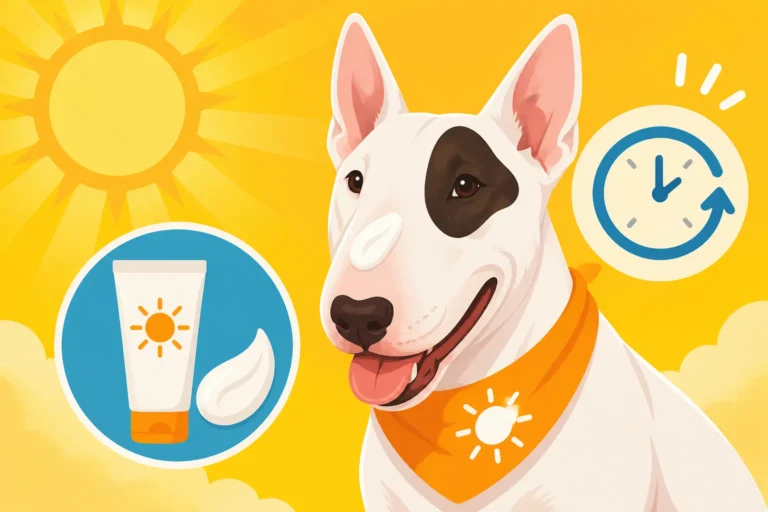
Sometimes, avoiding the sun entirely isn't practical, or your Bull Terrier simply loves being outside during the day. This is where physical barriers and topical protection come into play. Investing in a good quality, canine-specific sunscreen is an absolute game-changer. Do not use human sunscreen on your dog, as many contain ingredients like zinc oxide or salicylates that are toxic if ingested – and let’s be real, a Bull Terrier is going to lick it off! Look for brands specifically formulated for pets that are non-toxic, fragrance-free, and ideally, waterproof. You can often find these readily available from reputable online retailers like Chewy or Amazon.
Apply sunscreen generously to their most vulnerable spots: the nose, ear tips, around the eyes (being careful not to get it in their eyes), and any pink patches on their belly or groin. Reapplication is key, especially if they’ve been swimming or rubbing themselves. You might be wondering How Often a Bull Terrier Needs Sunscreen Reapplied, and typically, every 2-3 hours during prolonged exposure is a good guideline.
Beyond sunscreen, consider protective clothing. Lightweight, breathable UV-protective shirts or vests can be incredibly effective for covering the back and belly, offering a solid physical barrier. They might look a bit silly at first, but trust me, your Bull Terrier’s health is worth it. These garments can provide a surprising amount of relief and protection, especially for those areas like the back and sides that get a lot of incidental sun exposure. Whether a Bull Terrier Should Wear a Shirt in Summer is a question many owners ponder, and for sun protection, the answer is often a resounding yes.
Regular Skin Checks and Early Detection
Even with the best preventative measures, things can happen. This is why a routine of thorough skin checks is so important. Make it a habit, perhaps once a week, to examine your Bull Terrier's skin from nose to tail, paying particular attention to all the vulnerable areas we've discussed. You’re looking for any signs of redness, peeling, scabbing, or even small bumps that weren't there before.
Catching sunburn early means you can intervene quickly to soothe their skin and prevent further damage. If you notice a red nose or peeling ear tips, get them out of the sun immediately and apply a cool compress. Keep a close eye on the area. More serious burns with blistering or weeping skin warrant a trip to the vet, as they may require medical treatment to prevent infection and promote healing. It’s important to know How to Spot a Sun Damaged Patch on a Bull Terrier, as early detection truly is your best friend when it comes to long-term skin health.
Here’s a quick overview of common burn spots and what to do:
| Vulnerable Area | Why It Burns Easily | Signs of Sunburn | Protection Strategy |
|---|---|---|---|
| Nose | Prominent, often pink, no fur protection | Redness, tenderness, peeling, dryness | Canine sunscreen, shade |
| Ear Tips | Thin skin, little fur, upright, catches sun | Redness, crusting, peeling, sensitivity | Canine sunscreen, shade, light head coverings |
| Belly & Inner Thighs | Sparsely furred, thin, pink skin, exposed when lying | Redness, warm to touch, blisters, peeling | Canine sunscreen, protective vests, always shade |
| Pink Patches/Scars | Lack of pigment/fur, direct exposure | Redness, inflammation, dryness, scabbing | Canine sunscreen, protective clothing, shade |
Long-Term Consequences and Preventative Care
It’s tempting to think of a sunburn as a temporary discomfort, but for a Bull Terrier, especially one with sensitive skin, repeated sun exposure can have lasting and severe consequences. This isn't just about a single bad day at the park; it's about the cumulative effect over their lifetime.
The Link Between Sun Exposure and Skin Issues
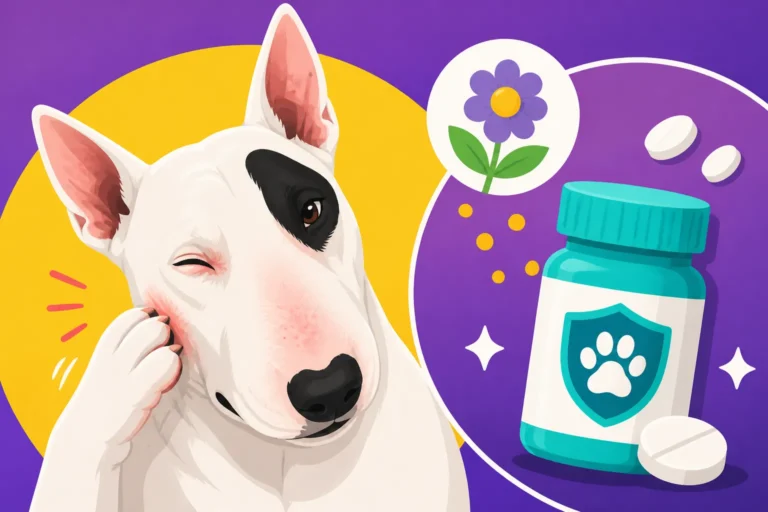
Repeated sunburns don't just go away. Over time, chronic exposure to UV radiation can lead to a host of dermatological problems for your Bull Terrier. We're talking about conditions like solar dermatitis, which is a persistent inflammation of the skin caused by sun damage. This can manifest as thickened, rough, or scaly patches, often on the nose or ear tips, that are itchy and uncomfortable for your dog. It can also cause changes in skin texture and elasticity, leading to premature aging of the skin.
More gravely, prolonged and unprotected sun exposure is a significant risk factor for various forms of skin cancer in dogs, including squamous cell carcinoma and hemangiosarcoma. These cancers can be aggressive and difficult to treat, often requiring extensive surgery or other interventions. This is a terrifying thought for any dog owner, and it underscores just how vital proactive sun protection truly is. By understanding Whether Sun Damage Turns Into Skin Cancer in a Bull Terrier, we can see that preventing sunburn isn't just about comfort; it's about potentially saving their life. Taking these steps now can prevent immense heartache and costly veterinary bills down the road.
Integrating Sun Protection into Daily Routine
Making sun protection a consistent part of your Bull Terrier’s daily life is the best defense against these serious long-term health issues. It's not a seasonal chore; it’s a year-round commitment, especially for white and light-skinned Bull Terriers. Think of it like brushing their teeth or giving them their regular meals – it just becomes part of the routine. When you pick up their dog food from a brand like Ollie, or order new toys, remember to add sunscreen to your regular shopping list.
This means consistently applying sunscreen before outdoor excursions, even on cloudy days, as UV rays can still penetrate cloud cover. It means providing shaded resting spots in your yard and house. It means being mindful of their sunbathing habits and gently encouraging them to move into the shade after a reasonable amount of time. You can even bolster their overall skin health from the inside out. A high-quality diet rich in Omega-3 and Omega-6 fatty acids can support skin barrier function and reduce inflammation, making their skin a little more resilient. Discussing options like fish oil supplements with your vet is also a great idea, as Whether a Bull Terrier's Skin Improves on Fish Oil is a common question, and for many, it does. This comprehensive approach, combining external protection with internal nutritional support, offers your Bull Terrier the best possible chance at a long, healthy, and happy life, free from the dangers of the sun. It's truly a journey of lifelong care.
Disclaimer
This article is for general informational purposes only and does not constitute professional advice. Laws, prices and regulations vary by location and change over time. Consult a qualified professional for guidance on your specific situation.