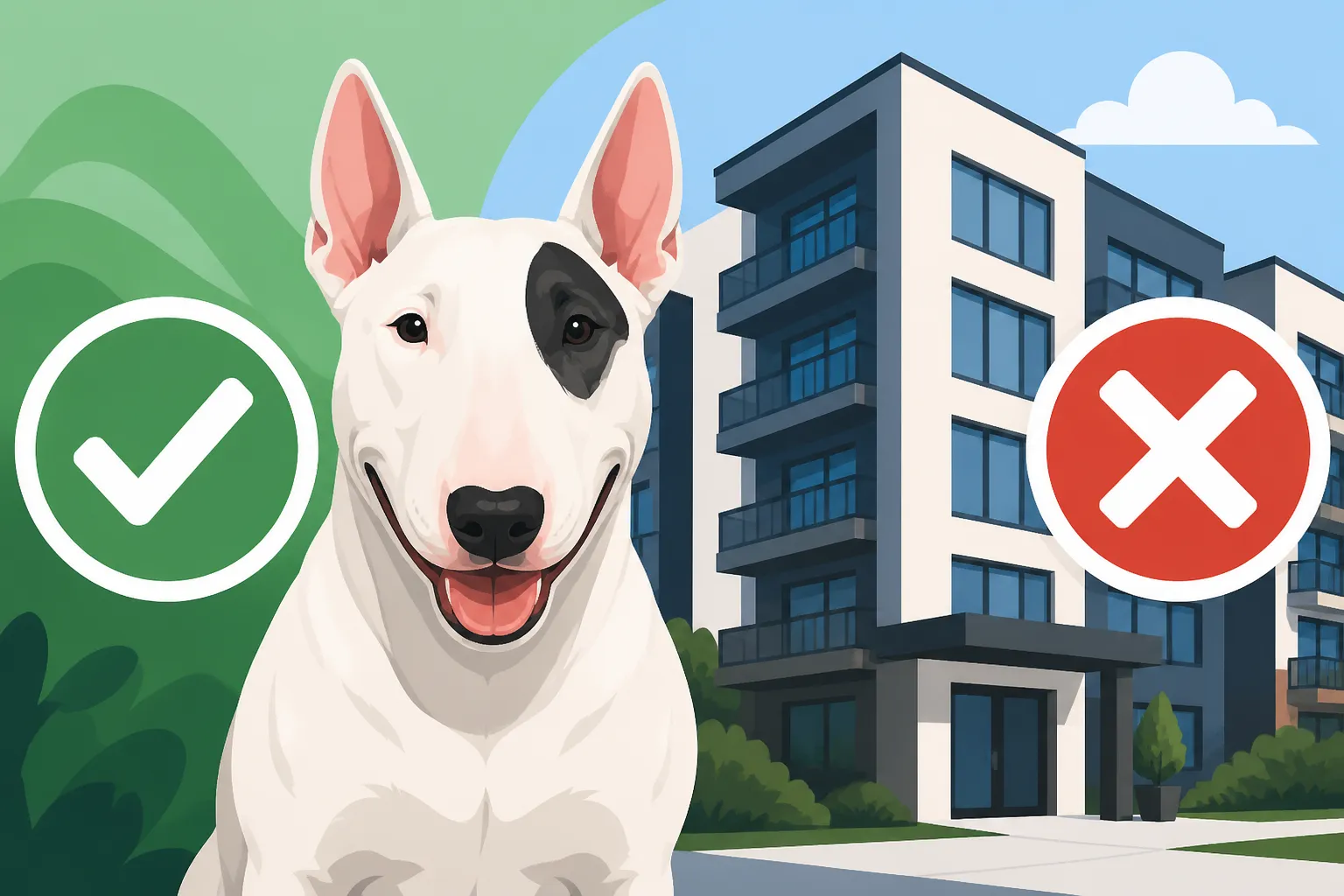
Whether an Apartment Will Rent to a Bull Terrier Owner
Finding an apartment when you share your life with a Bull Terrier can feel like navigating a minefield, full of hidden restrictions and immediate rejections before anyone even gets to know your wonderful, goofy companion. Many landlords, often driven by their insurance policies or outdated stereotypes, lump Bull Terriers into a category of "restricted breeds," making the search for a dog-friendly home incredibly frustrating. This guide will walk you through the realities of renting with a Bull Terrier, offer practical strategies to overcome these hurdles, and help you present your beloved dog in the best possible light to potential landlords.
Understanding the Challenge of Renting with a Bull Terrier
Let's be brutally honest: walking into an apartment rental office and announcing you have a Bull Terrier can sometimes feel like an immediate disqualifier. The breed faces an uphill battle, not because of its individual temperament, but largely due to widespread misconceptions and insurance company policies. This isn't fair, and it's certainly not a reflection of your well-behaved, loving dog, but it's a reality Bull Terrier owners often have to contend with.
Breed-Specific Legislation and Insurance Policies
The biggest hurdle you'll encounter isn't usually the landlord's personal prejudice, although that can happen, but rather the cold, hard facts of property insurance. Many insurance carriers maintain "restricted breed lists" that include Bull Terriers, alongside breeds like Pit Bulls, Rottweilers, and Dobermans. If a landlord's insurance company has your breed on such a list, they might face exorbitant premiums or even outright denial of coverage if they allow your dog on the property. This puts landlords in a difficult position; they might adore dogs, but their hands are tied by their financial liabilities. It’s not just about liability for potential bites, but also about property damage – another common, though often unfair, stereotype associated with powerful breeds. This can lead to landlords simply stating "no dogs over X pounds" or "no aggressive breeds," without truly understanding What a Bull Terrier's Temperament Is Really Like.
The implications of these policies are far-reaching. Even if a landlord is personally willing to consider your Bull Terrier, their insurance agent might shut it down. This isn't just a hurdle for renters; it's a systemic issue that impacts homeownership, too, as many homeowners' insurance policies also have similar breed restrictions. Sometimes, smaller, independent landlords might have more flexibility than large corporate apartment complexes, as they may not be bound by the same blanket insurance policies or have more leeway to find specialized coverage. However, navigating this often means doing a lot of legwork to understand each property's specific situation.
Overcoming Negative Stereotypes and Misconceptions
Beyond insurance, Bull Terriers often fall victim to unfair stereotypes, being mistaken for other "bully breeds" or simply labeled as aggressive due to their strong build and powerful appearance. People who aren't familiar with the breed might see their unique "egg-shaped" head and muscular physique and jump to conclusions, completely missing their often goofy, clownish personality. This can be incredibly disheartening for owners who know their dogs are loyal, affectionate, and often quite playful. The key is to proactively address these misconceptions, turning them into opportunities to educate.
You might hear concerns about noise, destruction, or aggression towards other residents or pets. While Bull Terriers are certainly energetic and can be stubborn, they are not inherently aggressive. Their high energy, if not properly channeled, can lead to boredom-driven destructive behaviors, but this is true of many intelligent breeds, not just Bull Terriers. A landlord might worry about barking or chewing, assuming the worst. Your job will be to demonstrate that your Bull Terrier is well-trained, well-exercised, and a joy to live with, actively countering these unfounded fears. This means being prepared to advocate for your dog, sometimes repeatedly, and having solid evidence to back up your claims about their good behavior and training.
Preparing Your Bull Terrier's 'Resume' for Apartment Applications
Just like you’d prepare a professional resume for a job, you need to create a compelling "pet resume" for your Bull Terrier. This isn't just a cute idea; it's a practical tool that can significantly improve your chances of securing a rental, especially when facing breed restrictions. Think of it as your Bull Terrier's personal marketing kit, designed to make them stand out as a responsible, well-behaved tenant.
Assembling a Comprehensive Pet Portfolio
A robust pet portfolio should include a variety of documents and testimonials that paint a clear picture of your Bull Terrier as a model resident. Start with recent, high-quality photos that show your dog in positive, relaxed settings – perhaps napping peacefully, playing gently, or sitting politely. Avoid photos that could reinforce negative stereotypes, like images of them looking overly boisterous or with toys that could be mistaken for tug-of-war ropes. Include a brief, heartwarming description of their personality, highlighting their positive traits like being friendly, quiet, or house-trained. You know How Physically Affectionate a Bull Terrier Is, so let that shine through.
Next, gather essential veterinary records. Proof of up-to-date vaccinations, deworming, and flea/tick prevention shows you’re a responsible owner who prioritizes your dog’s health and the cleanliness of the property. If your dog is spayed or neutered, include that documentation; it signals responsible pet ownership and can sometimes ease concerns about unwanted litters or certain behavioral issues. Consider asking your current veterinarian for a letter of recommendation, vouching for your dog's good health and temperament. A vet's professional opinion can carry a lot of weight.
Demonstrating Responsible Ownership and Training
One of the most powerful tools in your pet portfolio is proof of training. Enroll your Bull Terrier in obedience classes, even if they already know the basics, and keep the certificates. A "Canine Good Citizen" (CGC) certification, for instance, is an excellent credential that demonstrates your dog has been trained to be well-behaved in public and around strangers. If you've worked with a professional trainer, ask them for a letter attesting to your dog's good behavior and your commitment to their training. This directly addresses potential landlord concerns about noise, destruction, or aggressive tendencies.
Additionally, consider including references from previous landlords, if possible, who can confirm that your Bull Terrier was a respectful tenant and caused no issues. If you don't have previous landlord references, perhaps a current neighbor, dog walker, or even a friend who regularly interacts with your dog can provide a character reference. These personal endorsements can be invaluable in showcasing your Bull Terrier's true nature. You might also want to mention that you keep your Bull Terrier well-supplied with durable toys from reputable places like Chewy to prevent boredom-induced chewing, showing you understand and proactively manage their needs.
Navigating Lease Agreements and Pet Policies
Once you've found a promising property, the lease agreement and its accompanying pet policy become your next focus. This is where the details truly matter, and being proactive and thorough can prevent future headaches and ensure both you and your Bull Terrier have a stable home. Don't be afraid to ask questions and seek clarification.
Understanding Pet Fees, Deposits, and Rent
Most dog-friendly apartments will have specific financial requirements related to pets. These typically fall into a few categories:
- Pet Deposit: A one-time refundable fee, similar to a security deposit, meant to cover any potential damages caused by the pet.
- Pet Fee: A one-time non-refundable fee, essentially a payment for the privilege of having a pet, which does not go towards damages.
- Pet Rent: An additional monthly charge added to your regular rent, specifically for the pet.
These costs can add up quickly, so be sure to budget for them. You'll also want to confirm whether these fees are per pet or per household if you have multiple animals. While it might seem unfair to pay extra for your well-behaved Bull Terrier, viewing it as an investment in securing a safe home for both of you can help. Sometimes, a landlord might be willing to negotiate a slightly lower pet rent if you can demonstrate exceptional responsibility, perhaps by presenting that stellar pet resume and offering to carry pet insurance.
Reviewing Breed Restrictions and Lease Clauses
This is perhaps the most critical part of the lease agreement for Bull Terrier owners. Carefully read through the entire pet policy. Look for any explicit breed restrictions. If the policy mentions specific breeds, ask for clarification. Sometimes, a blanket "no bully breeds" might be negotiable if you can prove your Bull Terrier's good temperament and training, as discussed earlier. Don't assume anything; get every detail in writing.
Pay attention to clauses about noise, waste disposal, and supervision. Many leases will stipulate that pets must not be left unattended for extended periods, or that excessive barking is prohibited. This is where your understanding of Why a Bull Terrier Cannot Be Left Alone All Day becomes crucial. Knowing these rules beforehand allows you to confirm that you can abide by them or ask for reasonable accommodations. For instance, if you work long hours, discussing your plan for a dog walker or doggy daycare can reassure a landlord. Some landlords may even include specific stipulations about how your Bull Terrier must be crated when you're away, which leads to thinking about What a Heavy Duty Bull Terrier Crate Costs and its benefits. It's also worth investigating if they mention anything about renters' insurance requirements for pet owners, as this is where a policy from a provider like Healthy Paws could offer peace of mind to the landlord.
Making Your Apartment a Bull Terrier-Friendly Home
Once you’ve successfully secured an apartment, the real work begins: ensuring your Bull Terrier thrives in their new environment and that you remain a responsible, respectful tenant. A well-adjusted Bull Terrier is a happy Bull Terrier, and a happy Bull Terrier means a happy landlord.
Managing Energy and Preventing Destructive Behavior
Bull Terriers are robust, energetic dogs, and it’s a myth that they can’t thrive in apartments. However, it absolutely requires a commitment to meeting their needs. How Much Exercise a Bull Terrier Actually Needs might surprise some people; it's more than a quick walk around the block. They require consistent physical activity, whether it's brisk walks, playful romps in a secure dog park, or engaging games like fetch. Without adequate exercise, a bored Bull Terrier can quickly turn to destructive behaviors, which is exactly What a Bull Terrier Does When It Is Bored. This could mean chewing on furniture, scratching doors, or excessive barking – all things that will quickly sour your relationship with your landlord.
Beyond physical exercise, mental stimulation is key. Puzzle toys, training sessions, and interactive games can help burn off mental energy. Consider investing in high-quality, durable chew toys from brands like Chewy that can withstand a Bull Terrier's powerful jaws. Rotating toys keeps things fresh and interesting. Ensuring your dog has appropriate outlets for their energy and chewing instincts will significantly reduce the likelihood of them damaging property and will demonstrate to your landlord that you are a responsible pet owner. Regular training also continues to reinforce good behavior, which can be invaluable in an apartment setting.
Noise Control and Neighbor Relations
Living in close quarters means being mindful of noise. Bull Terriers are generally not excessive barkers, but they can be vocal when excited, bored, or when they hear strange noises outside the apartment. This is where training for "quiet" commands and desensitization to common apartment sounds can be very helpful. If your Bull Terrier tends to bark at passersby or noises in the hallway, consider using white noise machines or turning on a radio to mask external sounds.
It’s also important to be a good neighbor. Always clean up after your Bull Terrier immediately and properly when on walks or in shared outdoor spaces. Introduce your dog to your neighbors in a controlled, positive manner, especially if they express any initial apprehension. A friendly, well-behaved Bull Terrier greeting a neighbor calmly can go a long way in building trust and overcoming any lingering stereotypes. Offering a neighbor your pet resume, or simply chatting about your dog's lovable quirks, can help build rapport. If your dog is on a specialized diet, perhaps using a service like Ollie, you can discuss how a healthy diet contributes to a happy, well-regulated temperament. Being transparent and proactive about your dog's needs and your efforts to be a good tenant will foster a positive living environment for everyone.
Example Landlord Requirements & Your Proactive Solutions
Here's a table summarizing common landlord requirements when renting with a pet, and how you can proactively address them as a Bull Terrier owner:
| Landlord Concern/Requirement | Common Wording in Lease | Proactive Bull Terrier Owner Solution |
|---|---|---|
| Breed Restrictions | "No aggressive breeds," "No dogs over 40 lbs," "Pit Bull type breeds prohibited." | Provide a detailed pet resume with photos, training certificates (e.g., Canine Good Citizen), vet references attesting to good temperament. Offer to carry pet liability insurance from a company like Healthy Paws. |
| Destructive Behavior | "Tenant responsible for all pet damage," "Excessive chewing/scratching prohibited." | Explain your exercise routine and mental enrichment strategies. Showcase durable chew toys (e.g., from Chewy). Mention crate training as a management tool when you're away. |
| Noise Complaints | "Excessive barking not permitted," "Pets must not disturb other tenants." | Detail training for "quiet" commands. Mention use of white noise machines or music. Explain your daily exercise routine helps tire them out and reduce anxiety-related barking. |
| Waste Management | "Pet waste must be immediately removed," "Designated pet relief areas only." | Assure immediate cleanup with waste bags. Discuss potty training success and routine. If applicable, mention a designated spot on your balcony/patio with proper disposal. |
| Supervision | "Pets must not be left unattended for extended periods." | Outline your plan for dog walkers, doggy daycare, or family/friends checking in if you work long hours. Emphasize your Bull Terrier's need for companionship. |
| Health and Vaccination | "Proof of up-to-date vaccinations required." | Provide current vet records, including vaccinations, spay/neuter certificate, and flea/tick prevention. A letter from your vet about your dog's excellent health is a bonus. |
| Flea/Tick Prevention | "Pets must be on regular flea and tick preventative treatment." | Provide proof of ongoing preventative medication from your vet. This is often tied to lease clauses to protect property from infestations. |
It's a lot to consider, but with careful preparation and consistent effort, you absolutely can find a great apartment that welcomes you and your unique Bull Terrier. Being a proactive and responsible owner is your best bet for success. And remember, the journey to finding the perfect dog-friendly apartment might take some time, so be patient and persistent!
Disclaimer
This article is for general informational purposes only and does not constitute professional advice. Laws, prices and regulations vary by location and change over time. Consult a qualified professional for guidance on your specific situation.