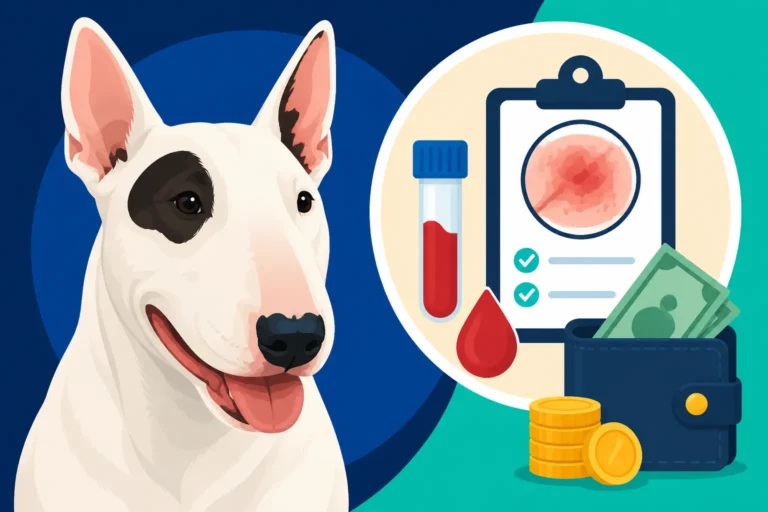
Which Insurer Suits a Bull Terrier
It's a frustrating truth for many Bull Terrier owners: finding pet insurance that genuinely fits their unique, robust, yet surprisingly delicate companions can feel like navigating a minefield. You love your Bull Terrier with all your heart, but you're also keenly aware of the breed's predispositions to certain health issues, and you want to ensure they're covered without breaking the bank. This guide aims to cut through the confusion, helping you understand what makes a pet insurer suitable for your beloved Bull Terrier, focusing on the crucial details that truly matter when an unexpected illness or accident strikes.
Understanding Your Bull Terrier's Unique Health Landscape
Before you even start looking at policies, it's vital to have a clear picture of what you're up against, health-wise, with a Bull Terrier. They are a tough breed, full of character and bounce, but they do have their Achilles' heels. This understanding will empower you to ask the right questions and spot the best coverage.
The Common Health Hurdles Bull Terriers Face
Bull Terriers are known for their distinctive look and their larger-than-life personalities, but they also come with a genetic roadmap that includes a few bumps in the road. Kidney disease, particularly Hereditary Nephritis Takes Bull Terriers in Their Prime, is a significant concern. It's often silent until it's quite advanced, making regular screenings like The Yearly Urine Test Every Bull Terrier Owner Should Book absolutely essential. Imagine receiving that devastating diagnosis and then discovering your insurance won't cover treatment because of a technicality or a pre-existing clause. That's a nightmare scenario we want to help you avoid.
Heart conditions, such as murmurs and specific valve defects, are also prevalent. Many Bull Terrier puppies are checked for The Heart Murmur a Bull Terrier Puppy Should Be Checked For, and for good reason. What if that innocent-sounding murmur turns into a serious issue later? Skin allergies and conditions are another big one; A Bull Terrier's Skin Is Its Weakest Point, and many white Bull Terriers can suffer from sunburn and related issues. Then there's congenital deafness, especially in white Bull Terriers, which might not be an insurance claim itself but can lead to other issues that might be. Even behavioral quirks like obsessive tail chasing can sometimes have a medical basis. All these possibilities mean you need an insurer who isn't going to shy away from breed-specific issues.
Why Pre-Existing Conditions Are the Bane of Pet Insurance
This is arguably the most critical aspect to understand when insuring any pet, but especially a Bull Terrier. A "pre-existing condition" is generally defined as any illness or injury that your pet showed signs of before coverage started or during the waiting period. The brutal reality is that almost no pet insurance policy will cover pre-existing conditions. This means if your Bull Terrier had a skin flare-up before you signed up, any future skin issues related to that initial problem might be excluded.
This is why timing is so incredibly important. The ideal time to insure your Bull Terrier is when they are a young puppy, before any health issues have had a chance to manifest. If you wait until a problem arises, even a seemingly minor one, it could be marked as pre-existing, leaving you to shoulder the full cost of diagnosis and treatment. For conditions like hereditary nephritis, which might not show symptoms until later but are genetic, the wording of the policy regarding genetic and hereditary conditions is crucial. Some policies might cover hereditary conditions if they weren't showing signs before enrollment, while others might have limitations. Always read the fine print! When a Bull Terrier Should Be Insured Before Screening is a topic that can't be stressed enough for breed-specific concerns.
Navigating the World of Pet Insurance Plans
Pet insurance can feel like a labyrinth of terms and conditions. Let's demystify some of the core elements so you can confidently compare what's on offer and ensure it aligns with your Bull Terrier's potential needs.
Accident-Only vs. Accident & Illness: Which is Right?
When you start looking at pet insurance, you'll primarily encounter two main types of plans:
- Accident-Only Plans: These are generally the most basic and least expensive. They cover costs associated with unexpected injuries, such as broken bones, swallowed objects, car accidents, or lacerations. While useful, they offer no coverage for illnesses like kidney disease, cancer, heart conditions, or skin allergies – precisely the types of issues that Bull Terriers are prone to. For a Bull Terrier, relying solely on an accident-only plan is like bringing a spoon to a knife fight. It helps, but it leaves you dangerously exposed to the breed's most common and potentially costly health challenges.
- Accident & Illness Plans: These are comprehensive policies that cover both accidents and a wide range of illnesses, including chronic conditions, hereditary conditions (if not pre-existing), cancer treatments, infections, and more. For a Bull Terrier, this is almost always the smarter choice. The peace of mind alone is often worth the higher premium. This type of plan would be crucial for covering issues like managing Hereditary Nephritis Takes Bull Terriers in Their Prime or dealing with persistent A Bull Terrier's Skin Is Its Weakest Point issues that require ongoing veterinary care and medication. While more expensive, they provide the broad safety net a Bull Terrier truly needs throughout The Ten to Fourteen Years a Bull Terrier Gets.
Understanding Deductibles, Reimbursement, and Annual Limits
These three terms are the bedrock of any pet insurance policy and directly impact your out-of-pocket expenses.
- Deductible: This is the amount you pay first before your insurance company starts to reimburse you. Think of it like the deductible on your car insurance. You typically choose an annual deductible (e.g., $250, $500, $1000). A higher deductible usually means a lower monthly premium, and vice-versa. For a Bull Terrier, given the potential for significant medical bills, choosing a deductible you can comfortably afford, even if it means a slightly higher premium, is often a good strategy. You don't want to be in a situation where you can't meet the deductible for a critical emergency.
- Reimbursement Percentage: This is the percentage of eligible vet bills the insurance company will pay back to you after your deductible has been met. Common percentages are 70%, 80%, or 90%. If your Bull Terrier has a $2,000 vet bill, and you have a $500 deductible and 80% reimbursement, you first pay the $500 deductible, leaving $1,500. The insurer then pays 80% of that $1,500, which is $1,200. You'd pay the remaining $300 (plus your deductible). A higher reimbursement percentage means more money back in your pocket, which is invaluable when facing a multi-thousand-dollar treatment plan for something like advanced kidney disease or a major surgical repair.
- Annual Limit: This is the maximum amount the insurance company will pay out in a policy year. Some plans have unlimited annual payouts, which is fantastic but often comes with a higher premium. Others might have limits like $5,000, $10,000, or $15,000. When considering the potential costs for a Bull Terrier – for example, What Kidney Failure Costs a Bull Terrier Owner or long-term cardiac care – a low annual limit can quickly be exhausted, leaving you on the hook for subsequent bills. For a breed with known hereditary issues, aiming for a high annual limit or even an unlimited one is highly advisable to avoid hitting a cap in the middle of ongoing treatment.
Key Factors When Choosing a Bull Terrier Insurer
Selecting the right insurer isn't just about the basic plan; it's about finding a partner who understands the specific needs and challenges of owning a Bull Terrier. Digging into the details can save you a world of heartache and financial strain later on.
Breed-Specific Coverage and Restrictions
This is where it gets tricky for breeds like the Bull Terrier. While the breed isn't on the "do not insure" list for most companies, some insurers might have specific clauses or higher premiums for breeds prone to certain conditions. For instance, some companies might have longer waiting periods for orthopedic conditions or might have specific exclusions for hereditary conditions if they become symptomatic within the first year of coverage.
You absolutely need to scrutinize the policy details for how they handle:
- Hereditary and Congenital Conditions: Will they cover Hereditary Nephritis Takes Bull Terriers in Their Prime if diagnosed after the waiting period, even if it's considered genetic? What about a congenital The Heart Murmur a Bull Terrier Puppy Should Be Checked For? Some insurers are more generous than others, provided the condition wasn't showing signs before enrollment.
- Chronic Conditions: Bull Terriers with ongoing issues like severe allergies or kidney disease require continuous medication and monitoring. Does the policy renew coverage for these chronic conditions year after year, or is there a lifetime payout limit per condition?
- Bilateral Conditions: This refers to conditions that can affect both sides of the body (e.g., patellar luxation, ACL tears). Some policies have clauses stating that if one side is affected and treated, the other side will be considered pre-existing if it develops later. Given that Patellar Luxation in a Bull Terrier can occur, understanding this is important.
It's not uncommon for owners of specific breeds to seek out insurers known for their comprehensive coverage of breed-specific ailments. A company like Healthy Paws is often mentioned positively by pet owners for its comprehensive coverage and unlimited payouts, which can be a huge benefit for a breed with potentially costly long-term health concerns. However, always verify directly with any provider, as policies can change, and your individual circumstances will vary.
Wellness Plans: A Worthwhile Add-on for Bull Terriers?
Beyond accident and illness coverage, many insurers offer optional "wellness plans" or "preventative care packages." These are designed to help cover routine veterinary expenses that aren't typically covered by standard insurance, such as:
- Annual check-ups and vaccinations
- Flea, tick, and heartworm prevention
- Spaying or neutering
- Routine dental cleanings
- Annual lab tests, like The Yearly Urine Test Every Bull Terrier Owner Should Book that is so vital for Bull Terriers.
For a Bull Terrier, a wellness plan can be a good consideration, especially if you're diligent about preventative care. These plans essentially help you budget for predictable expenses. They usually operate on a reimbursement schedule, paying a set amount for each service. While they won't cover a catastrophic illness, they ensure you're regularly engaging with your vet for check-ups, which is often the first line of defense in catching serious issues early. Some owners find that adding a wellness plan makes managing What a Bull Terrier Costs a Month Before Any Illness much easier.
It's worth noting that maintaining a healthy diet is also a form of preventative care. While not an insurer, brands like Ollie focus on fresh, high-quality dog food that supports overall health, which can potentially reduce some minor ailments and keep your Bull Terrier in peak condition, complementing your insurance plan by aiming for fewer serious health crises.
Reputation and Customer Service
When you're dealing with a loved one's health, the last thing you need is a fight with your insurance company. The insurer's reputation and the quality of their customer service are paramount. You want a company that is:
- Responsive: When you have an urgent question or need to file a claim, you don't want to be stuck on hold for hours or wait days for an email response.
- Transparent: Their policy language should be clear, concise, and easy to understand, without hidden clauses or confusing jargon.
- Fair in Claims Processing: Are they known for paying out legitimate claims promptly and without unnecessary hassle? Are their adjusters knowledgeable about breed-specific conditions?
- Accessible: Do they have an easy-to-use online portal or mobile app for managing policies and submitting claims?
Look for reviews, ask other Bull Terrier owners in breed-specific forums, and check independent rating sites. A good experience with customer service can make a world of difference during a stressful time.
Comparing Popular Pet Insurance Options for Bull Terriers
The market is full of pet insurance providers, and it can be overwhelming to sift through them all. While I can't give you exact prices or plan specifics (as these change constantly and depend on your location, your dog's age, and the plan you choose), I can guide you on what to look for and how to approach some common names.
What to Look For in Providers Like Healthy Paws and When Using Resources Like Chewy
When evaluating providers, remember that the "best" insurer isn't one-size-fits-all. It's the one that best fits your Bull Terrier's needs and your budget.
- Healthy Paws: This is a well-regarded insurer known for its comprehensive accident and illness plans, often featuring unlimited annual payouts. For Bull Terrier owners, an unlimited payout is a significant advantage, particularly when considering the potential lifelong costs associated with chronic conditions like kidney disease. They typically cover hereditary conditions, provided they weren't present or symptomatic before enrollment or during waiting periods. Their reputation for good customer service and quick claims processing is also a plus when you're dealing with potentially complex medical situations for your Bull Terrier.
- Chewy's Pet Insurance Marketplace: While Chewy is primarily an online retailer for pet supplies, they also offer a pet insurance marketplace where you can compare plans from multiple different providers. This can be an excellent starting point for Bull Terrier owners, as it allows you to input your dog's breed, age, and location, and then see various quotes and coverage options side-by-side. Using a comparison tool like this can save you a lot of time and effort in finding insurers that might offer favorable terms for Bull Terriers, or at least help you quickly identify those that have explicit breed exclusions. It's about finding choice and getting multiple perspectives.
When you're comparing, always keep these Bull Terrier-specific considerations in mind:
- Hereditary Condition Coverage: How explicitly do they cover hereditary conditions? Is there a waiting period for these conditions that is longer than for accidents?
- Chronic Condition Coverage: Will they cover ongoing treatment for conditions diagnosed years ago, assuming it wasn't pre-existing?
- Specialist Referrals: Do they require you to use network vets, or can you see any licensed veterinarian, including specialists for cardiology or dermatology, which a Bull Terrier might need?
- Claim Turnaround Time: How quickly do they process and reimburse claims?
Important Questions to Ask Before Committing
Before you sign on the dotted line, arm yourself with these crucial questions for any potential insurer:
- "What is your exact definition of a pre-existing condition, and how do you determine if a condition is pre-existing?" Get this in writing. This is critical for Bull Terriers, especially with insidious diseases like kidney issues.
- "Do you cover hereditary and congenital conditions, and if so, what are the specific terms and waiting periods for these?" Again, clarity here is non-negotiable for a breed like the Bull Terrier.
- "Are there any specific exclusions or limitations for the Bull Terrier breed?" Some policies might have higher deductibles or different reimbursement for certain conditions common in the breed.
- "How do you handle chronic conditions? Is there a lifetime limit per condition, or does coverage reset annually?" For ongoing care for allergies or kidney disease, this is vital.
- "What are your waiting periods for accidents, illnesses, and specific conditions like orthopedic issues (e.g., patellar luxation)?" Shorter waiting periods are always better.
- "Do premiums typically increase with my Bull Terrier's age, and by how much?" Understanding future costs helps with budgeting for Caring for an Old Bull Terrier.
- "What is your policy on vet choice? Can I go to any licensed veterinarian or specialist?" You want the freedom to choose the best care for your Bull Terrier, not be restricted by a network.
- "What documentation do you require to process a claim, and what is the typical turnaround time for reimbursement?" Ease of claims is a huge factor.
- "Do you offer any multi-pet discounts if I have more than one Bull Terrier or other pets?"
Asking these questions will help you uncover any potential pitfalls and ensure the policy truly suits your Bull Terrier.
Here's a quick comparison of common pet insurance features to help you weigh your options:
| Feature | What it Means for Your Bull Terrier | Considerations |
|---|---|---|
| Pre-Existing Conditions | Conditions diagnosed or symptomatic before coverage starts are excluded. | Crucial to insure early before any symptoms of Hereditary Nephritis Takes Bull Terriers in Their Prime or The Heart Murmur a Bull Terrier Puppy Should Be Checked For appear. |
| Deductible | Your out-of-pocket amount before reimbursement begins. | Higher deductible = lower premium. Ensure you can afford it for emergencies. |
| Reimbursement Rate | The percentage of eligible costs the insurer pays back (e.g., 70%, 80%, 90%). | Higher rate is better for costly treatments like long-term kidney care or surgery. |
| Annual Limit | Maximum amount the insurer will pay out in a policy year. | Aim for high or unlimited for a Bull Terrier to cover potential chronic illnesses. |
| Waiting Periods | Time period after enrollment before certain conditions are covered (e.g., 14 days illness, 6 months orthopedic). | Be aware of these; particularly important for genetic predispositions. |
| Hereditary Conditions | Coverage for breed-specific genetic issues. | Absolutely essential for Bull Terriers; verify explicit coverage and terms. |
| Wellness Add-Ons | Covers routine care like exams, vaccines, parasite prevention. | Helps budget for predictable expenses, but separate from illness coverage. |
| Vet Choice | Can you see any licensed vet, or only those in a network? | Flexibility is key for specialists if needed. |
Ultimately, choosing the right insurer for your Bull Terrier is about being proactive and thorough. They give us so much joy and love, and they deserve the best care we can provide. Being prepared for the financial realities of their health journey is one of the most loving things you can do for your quirky, wonderful companion.
Disclaimer
This article is for general informational purposes only and does not constitute professional advice. Laws, prices and regulations vary by location and change over time. Consult a qualified professional for guidance on your specific situation.