Whether a Bull Terrier Breeder Certifies Patellas
One of the most concerning things as a Bull Terrier owner, or prospective owner, is the worry about inherited health conditions. You want your quirky, beloved companion to be as healthy as possible, and that means doing your homework before you bring them home. A common question that comes up, and rightly so, is about patellar luxation – specifically, whether a Bull Terrier breeder certifies their dogs' patellas. This guide is here to shed light on what patellar luxation means for Bull Terriers, why breeder certification is so important, and how you can navigate the process of finding a truly responsible breeder who prioritizes the health of their puppies.
Patellar Luxation: What Bull Terrier Owners Need to Know
When you envision a Bull Terrier, you probably picture a robust, active dog, full of joyful antics and boundless energy. That vision makes any mention of joint problems particularly unsettling. Patellar luxation, commonly known as a "slipped kneecap," is one such concern that can impact our blocky-headed pals, affecting their comfort and mobility.
The Basics of Patellar Luxation
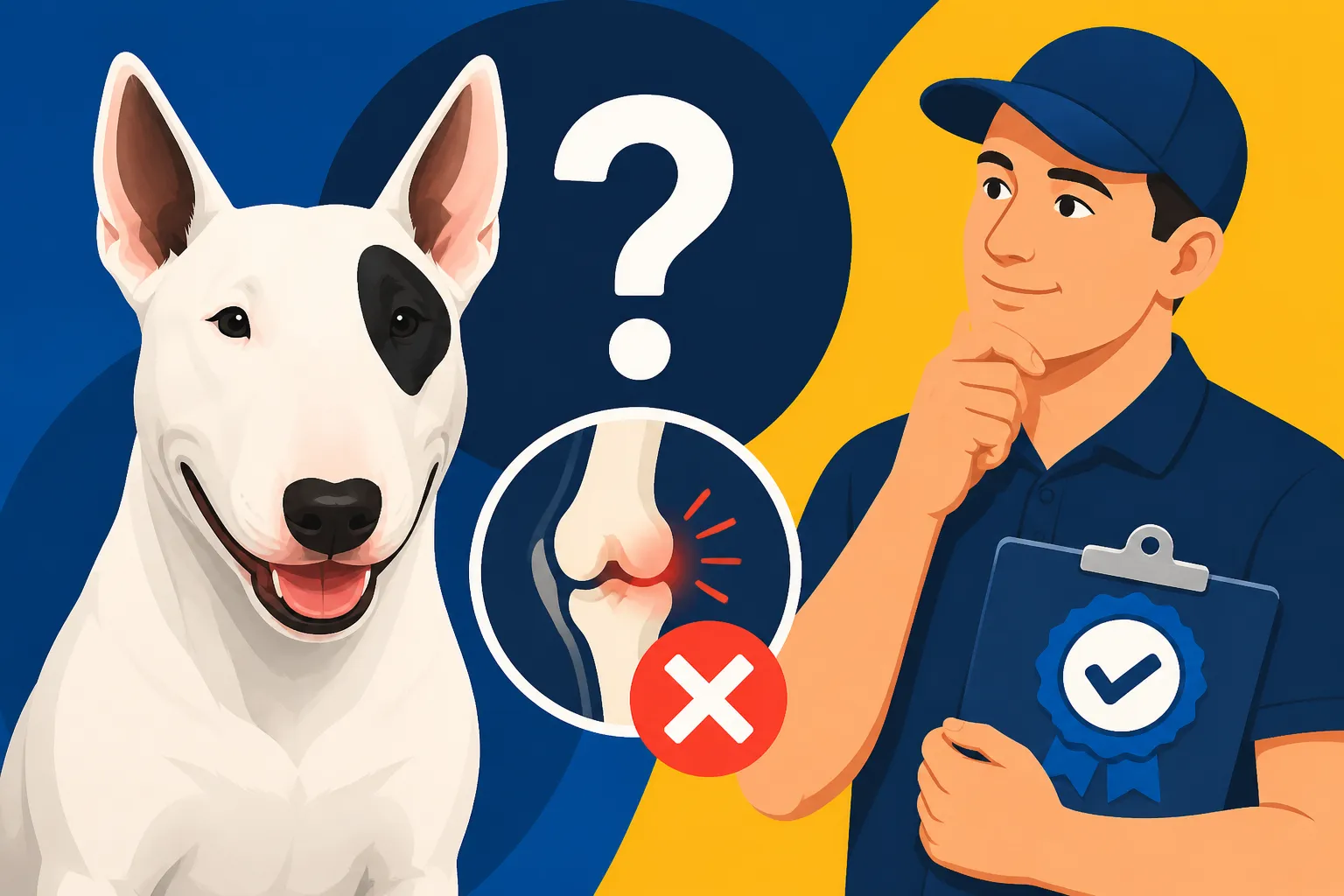
Imagine your kneecap, or patella, as a small bone that sits in a groove at the end of your thigh bone (femur). It's supposed to slide smoothly up and down this groove as you bend and straighten your knee. In dogs, patellar luxation occurs when this kneecap slips out of that groove, either to the inside (medial luxation) or outside (lateral luxation) of the leg. This slipping can happen intermittently, causing your dog to momentarily hop or skip, or it can be more persistent, leading to constant lameness.
It's not just a minor annoyance; a luxating patella can cause pain, inflammation, and over time, lead to more severe orthopedic issues like arthritis or even a torn cruciate ligament. The severity is typically graded from 1 to 4:
- Grade 1: The patella can be manually luxated but pops back into place on its own. Often intermittent, mild symptoms.
- Grade 2: The patella luxates spontaneously or can be manually luxated, and remains luxated for a short period before returning to its normal position. Skipping gait is common.
- Grade 3: The patella is luxated most of the time but can be manually returned to its normal position. Signs of pain, lameness, and abnormal gait are more pronounced.
- Grade 4: The patella is permanently luxated and cannot be manually repositioned. Severe lameness, crouching gait, and significant discomfort.
The earlier you understand this condition, the better equipped you'll be to advocate for your Bull Terrier's health, whether you're looking for a puppy or managing an existing dog.
Why It Matters for Bull Terriers
While patellar luxation can affect many breeds, Bull Terriers, with their unique structure and muscular build, are not immune. Some lines can be predisposed to the condition, meaning there's a genetic component that responsible breeders strive to minimize. Because Bull Terriers are such stoic and playful dogs, they might mask discomfort longer than other breeds. Their sheer enthusiasm for life can sometimes make it harder to spot subtle signs of pain or lameness until the condition has progressed.
Think about it: a Bull Terrier lives to play, to zoom around the yard, and to bodyslam you with affection. If their kneecap is slipping, every jump, every sprint, every playful bump can cause pain or further damage. This can severely impact their quality of life, turning joyful activities into sources of discomfort. This is why addressing potential patella issues from the outset, through careful breeder selection, is so critical for this wonderfully active breed.
Recognizing the Signs in Your Puppy
Even if you've done your due diligence with a breeder, it’s always wise to know what to look for. Patellar luxation can sometimes develop or worsen as a puppy grows. With a Bull Terrier puppy, their boundless energy often means they're constantly on the move, which can make subtle lameness tricky to spot. However, keep an eye out for a "skipping" gait, where they momentarily lift one back leg, skip a step, and then put it down as if nothing happened. This often indicates the kneecap has slipped out and then popped back into place.
You might also notice a sudden, temporary lameness after strenuous play, or a reluctance to use stairs or jump onto furniture. Some owners describe a "bunny hop" where the dog uses both back legs together, especially when running. These can be fleeting moments, but if you see them consistently, it's worth a trip to your vet. Early detection means earlier intervention, which can significantly improve your Bull Terrier's long-term comfort and mobility.
Breeder Responsibility: The Role of Patella Certification
When you're looking for a Bull Terrier puppy, you're not just choosing a cute face; you're choosing a lifetime of health (hopefully!). A responsible breeder understands this and takes every step to ensure the puppies they produce have the best possible start, which includes rigorous health testing of the parents, especially for conditions like patellar luxation.
What OFA or Other Patella Certifications Entail
Patella certification isn't just a casual vet check-up; it's a specific examination performed by a veterinarian to assess the stability of the kneecaps. The most common certification body in North America is the Orthopedic Foundation for Animals (OFA). For OFA patella certification, a vet manually examines the dog's knees, checking for any looseness or signs of luxation. They grade each knee according to the severity, from normal to Grade 4. These results are then submitted to the OFA, and if the patellas are deemed normal or within acceptable limits for breeding, a certification number is issued.
This process ensures an objective assessment. A responsible breeder will have this testing done on both parents before breeding them. This isn't just a "vet checked" stamp; it's a formal screening process designed to identify and reduce the prevalence of genetic conditions. Don't be shy about asking to see these certificates; they are a hallmark of a breeder who genuinely cares about the health legacy of their line.
Why Reputable Breeders Prioritize Patella Health
For truly dedicated Bull Terrier breeders, health isn't a checkbox; it's a fundamental ethical responsibility. They know that breeding dogs with luxating patellas perpetuates the problem in future generations, leading to pain and expense for unsuspecting owners. Prioritizing patella health means they've invested time and money into screening their breeding stock, making informed decisions, and often removing dogs with affected patellas from their breeding program.
A reputable breeder doesn't just breed for pretty faces or champion titles; they breed for robust health and sound temperament, which are the cornerstones of a good companion. They understand that every puppy they produce carries their kennel's reputation, and more importantly, becomes a beloved family member. They will openly discuss health issues, show you documentation, and educate you on potential concerns in the breed, not just gloss over them. This kind of transparency is invaluable and is often a good indicator of a breeder who genuinely cares. For more on what to expect, you might want to read Which Health Tests a Bull Terrier Breeder Should Run.
Identifying Breeders Who Skip Essential Testing
Unfortunately, not all breeders operate with the same high ethical standards. If a breeder can't provide patella certificates for both parent dogs, or if they are vague or dismissive when you ask about it, consider it a significant red flag. They might claim their vet "checked" the knees, but without formal certification and a public database record (like OFA), there's no objective proof.
Sometimes, lower-priced puppies might seem attractive, but this often comes at the cost of crucial health testing. The initial savings can quickly be dwarfed by vet bills if your puppy develops a preventable inherited condition. Remember, these tests, along with other essential screenings, are part of the significant investment a responsible breeder makes. A breeder who skips these tests might be cutting corners, putting the health of their puppies and your future finances at risk. Always proceed with caution if a breeder seems unwilling or unable to provide concrete proof of health clearances.
Your Guide to Asking a Bull Terrier Breeder About Patellas
Finding the right Bull Terrier breeder can feel like a daunting task, especially with so many health considerations. But asking the right questions about patella certification isn't just about being thorough; it's about protecting your future companion and your peace of mind.
Essential Questions to Pose
When you’re speaking with a prospective breeder, arm yourself with specific questions. Don't be afraid to delve deep; a good breeder will appreciate your diligence.
- "Are the parents of this litter certified for patellar health by the OFA or an equivalent organization?" This is your primary question.
- "Can I see copies of the official patella certification for both the sire and dam?" Ask to see the actual certificates, not just hear verbal assurances. A good breeder will have them readily available or can direct you to an online database where you can verify the results yourself.
- "What were the grades of their patellas?" While "normal" is ideal, understanding the specific grade can be insightful.
- "Have any dogs in your breeding line ever produced puppies with patellar luxation?" A candid breeder will be honest about past issues and how they addressed them in their breeding program. No breeding program is perfect, but transparency is key.
- "At what age were the parents tested?" Patella evaluations are typically done when dogs are at least 12 months old, as puppies' joints are still developing.
These questions help you determine not just if testing was done, but how it was done and what the results truly mean for your potential puppy.
Interpreting Certification Results
Once a breeder provides you with certification documents, understanding what you're looking at is important. For OFA, patella evaluations are typically marked as "Normal" or graded from "Grade 1" to "Grade 4" for luxation. Ideally, both parents should have a "Normal" rating. If a breeder has a dog with a Grade 1 luxation, they might still choose to breed them, but they should be very careful to pair them with a dog with absolutely normal patellas, and be transparent about their reasoning. Breeding two dogs with even Grade 1 luxation is generally discouraged due to the increased risk of producing affected offspring.
Here’s a quick reference for interpreting OFA patella grades:
| OFA Patella Grade | Description | Breeding Recommendation (General) |
|---|---|---|
| Normal | No evidence of luxation or instability. | Suitable for breeding. |
| Grade 1 | Minimal luxation, patella manually displaced but returns. | Breed with caution, only to Normal. |
| Grade 2 | Frequent luxation, patella spontaneously or manually displaced, remains out for a short time. | Generally not recommended for breeding. |
| Grade 3 | Patella usually luxated, can be manually reduced. | Not recommended for breeding. |
| Grade 4 | Patella permanently luxated, cannot be reduced. | Not recommended for breeding. |
Always look for the official certificate with the OFA logo and the dog's registered name and number. If you are unsure, you can often cross-reference the information on the OFA public database. This level of detail shows you that the breeder is committed to upholding breed health standards.
A Holistic View: Other Crucial Health Clearances
While patella certification is vital, it's crucial to remember that it's just one piece of the health puzzle for Bull Terriers. A truly responsible breeder will have a comprehensive health testing program that addresses other known breed-specific issues. These often include:
- Cardiac health: Screening for heart conditions like Mitral Valve Dysplasia or Aortic Stenosis, usually via an echocardiogram performed by a veterinary cardiologist.
- Kidney health: Regular urine protein-creatinine (UPC) ratio tests and potentially kidney ultrasounds to screen for Hereditary Nephritis or Polycystic Kidney Disease.
- Hearing: Especially for white Bull Terriers, BAER (Brainstem Auditory Evoked Response) testing to detect congenital deafness.
- Acrodermatitis: A DNA test for this devastating genetic skin condition.
A breeder who only tests for one or two things and ignores the others is not truly committed to the breed's health. Ask about all these tests. You can learn more about comprehensive screening in What a Bull Terrier Breeder Should Have Tested. By looking at the complete picture of health clearances, you can make a much more informed decision and increase the likelihood of bringing home a truly healthy Bull Terrier puppy.
Managing Patellar Luxation in Your Bull Terrier
Even with the most diligent breeder selection and health clearances, sometimes life throws us curveballs. If your Bull Terrier develops patellar luxation, or if you've adopted a rescue who already has the condition, there are many ways to manage it and ensure your beloved companion lives a comfortable, happy life.
Diagnosis and Treatment Options
If you suspect your Bull Terrier has patellar luxation, the first step is always a thorough veterinary examination. Your vet will physically manipulate the knee to feel for instability and will likely recommend X-rays to assess the joint's structure and rule out other orthopedic issues. The diagnosis will confirm the grade of luxation.
Treatment options depend heavily on the severity of the luxation and the impact it has on your dog's quality of life.
- Conservative Management: For mild cases (Grade 1 or sometimes Grade 2) with minimal symptoms, your vet might recommend a conservative approach. This involves pain management, anti-inflammatory medications, controlled exercise, and weight management. Regular check-ups are key to monitor progression.
- Surgical Correction: For more severe cases (Grades 2-4) or those causing persistent pain and lameness, surgery is often the most effective solution. Surgical procedures aim to deepen the patellar groove, realign the quadriceps muscle, and stabilize the kneecap. Post-operative care involves strict rest and physical therapy.
The cost of diagnosis and treatment can be substantial, especially for surgery and subsequent rehabilitation. This is where pet insurance can be a real lifesaver. Many owners find policies from providers like Healthy Paws beneficial for covering unexpected veterinary expenses. Always review policy details carefully to understand coverage for hereditary or congenital conditions.
Supportive Care and Lifestyle Adjustments
Beyond medical intervention, there's a lot you can do at home to support a Bull Terrier with patellar luxation, whether they've had surgery or are on conservative management.
- Weight Management: Keeping your Bull Terrier at a healthy weight is paramount. Extra pounds put unnecessary strain on their joints, exacerbating pain and potentially worsening the condition. Work with your vet to determine an ideal weight and feeding plan. Some pet food brands, like Ollie, offer customized meal plans that can be tailored to your dog's specific needs, including weight management.
- Controlled Exercise: Avoid high-impact activities like jumping, sudden stops, and rough play that could cause the kneecap to slip. Opt for consistent, moderate exercise like leash walks or swimming.
- Joint Supplements: Many vets recommend supplements containing glucosamine, chondroitin, and omega-3 fatty acids. These can help support joint cartilage and reduce inflammation. You can find a wide range of these supplements from online retailers like Chewy.
- Home Modifications: Simple changes around the house can make a big difference. Use non-slip rugs on hard floors to prevent slips and falls. Provide ramps for access to furniture or cars instead of letting them jump. Ensure their bed is orthopedic and supportive.
- Physical Therapy: Your vet might recommend specific exercises or refer you to a certified canine rehabilitation therapist. These specialists can provide tailored programs to strengthen surrounding muscles and improve joint stability.
Regular monitoring and communication with your vet are essential. You'll want to schedule routine wellness exams to assess their joint health and adjust their care plan as needed. For advice on overall health maintenance, consider checking out How Often a Bull Terrier Needs a Wellness Exam.
Long-Term Outlook and Quality of Life
The good news is that with proper diagnosis, treatment, and ongoing supportive care, many Bull Terriers with patellar luxation can lead full, active, and comfortable lives. The goal is always to minimize pain and maximize mobility, allowing your Bull Terrier to enjoy their unique personality and all the joys of being a cherished family member.
While a Grade 4 luxation might present more significant challenges, even these cases can often be managed to a reasonable quality of life. It requires dedication, patience, and a strong partnership with your veterinary team. By staying informed, advocating for your Bull Terrier's health, and providing a supportive environment, you can help them thrive, slipped kneecap or not.
Disclaimer
This article is for general informational purposes only and does not constitute professional advice. Laws, prices and regulations vary by location and change over time. Consult a qualified professional for guidance on your specific situation.