Which Diet a Bull Terrier With Kidney Disease Needs
Finding out your beloved Bull Terrier has kidney disease can feel like a punch to the gut. The immediate worry for many of us is, "What do I do now?" and often, the first major change your vet will recommend is a specific diet. This guide is here to walk you through exactly what kind of diet a Bull Terrier with kidney disease needs, why it's so important, and how you can implement these changes to give your quirky companion the best possible quality of life.
Understanding Kidney Disease in Bull Terriers and the Role of Diet
When your vet first delivers the news that your Bull Terrier is facing kidney disease, it can be incredibly overwhelming. You might have noticed subtle changes, like increased thirst or more frequent urination, but the diagnosis still hits hard. The kidneys are vital organs, and when they aren't working correctly, it impacts everything, and that's where diet steps in as a critical management tool.
How Kidney Disease Affects Your Bull Terrier's Health
The kidneys are essentially your Bull Terrier's built-in filtration system. They work tirelessly to remove waste products from the blood, regulate blood pressure, produce hormones, and maintain a crucial balance of electrolytes and fluids in the body. When kidney disease sets in, these vital functions start to falter. Waste products that should be flushed out begin to accumulate, leading to a build-up of toxins in the bloodstream, a condition known as uremia. This can make your dog feel nauseous, lethargic, and generally unwell.
For Bull Terriers, conditions like Hereditary Nephritis Takes Bull Terriers in Their Prime are a serious concern, where genetic predispositions can lead to progressive kidney damage. Understanding How Hereditary Nephritis Damages a Bull Terrier's Kidneys really helps owners grasp the urgency of dietary intervention. Even if it's not a genetic form, chronic kidney disease means the kidneys are losing their ability to cope, and we need to reduce the workload on the remaining healthy kidney tissue. This isn't about curing the disease, sadly, as kidney damage is often irreversible, but it's absolutely about slowing its progression and managing the symptoms to keep your Bull Terrier comfortable and happy for as long as possible.
Why a Standard Diet Isn't Enough Anymore
Think about what a standard, high-quality dog food is designed to do: provide robust nutrition for a healthy, active dog. This usually means a good amount of protein for muscle maintenance and energy, along with appropriate levels of phosphorus and sodium for overall health. However, for a Bull Terrier whose kidneys are compromised, these very ingredients can become problematic.
The kidneys struggle to process the byproducts of protein metabolism, which can lead to higher levels of urea and other toxins in the blood. Similarly, phosphorus, which is abundant in many protein sources, becomes difficult for failing kidneys to excrete, leading to dangerously high levels in the body. This can exacerbate bone and mineral disorders and further damage kidney tissue. High sodium can also contribute to elevated blood pressure, putting more strain on already struggling kidneys and potentially leading to fluid retention. So, while a balanced diet is good for a healthy dog, it becomes a burden for a Bull Terrier with kidney disease. The good news is, a carefully formulated renal diet can dramatically improve symptoms and extend life.
The Core Principles of a Kidney-Friendly Diet for Bull Terriers
Transitioning to a kidney-friendly diet isn't just about picking up a new bag of food; it's about fundamentally rethinking the nutritional profile your Bull Terrier needs. It's about reducing the burden on their kidneys while still ensuring they get all the essential nutrients to thrive. This can feel daunting, but breaking it down into key principles makes it more manageable.
Low Protein, High-Quality Protein: A Balancing Act
This is often the first and most discussed change. When a Bull Terrier's kidneys aren't filtering properly, the waste products from protein metabolism build up, making them feel sick. So, the goal is to feed less protein. But here's the crucial caveat: it must be high-quality protein.
What does high-quality mean? It means protein sources that are highly digestible and provide all the essential amino acids your Bull Terrier needs without an excess of non-essential ones. This ensures that their body can utilize almost all of the protein consumed for vital functions like muscle maintenance and repair, leaving less waste for the kidneys to filter. Lean meats, eggs, and certain fish are excellent examples. You're not starving them of protein, but rather giving them exactly what they need in a form that's easier on their system. The amount of protein reduction will depend on the stage of kidney disease, which your veterinarian will guide you on. It's a fine line to walk, as we want to avoid muscle wasting, especially in a muscular breed like the Bull Terrier. If you're wondering Whether Protein Should Be Lowered for a Bull Terrier's Kidneys, the answer is usually yes, but with careful consideration of quality and quantity.
Phosphorus Restriction: A Critical Step
Beyond protein, controlling phosphorus intake is perhaps even more critical for a Bull Terrier with kidney disease. Healthy kidneys excrete excess phosphorus. When they fail, phosphorus builds up in the blood, leading to a condition called hyperphosphatemia. This can cause secondary hyperparathyroidism, where the body starts to pull calcium from bones to balance the high phosphorus, leading to weakened bones and further kidney damage. High phosphorus levels are directly linked to the progression of kidney disease and can make your dog feel much worse.
Renal diets are specifically designed to be low in phosphorus. This means avoiding high-phosphorus foods like bones, dairy, and many processed meats. It’s important to check ingredient labels diligently, as phosphorus can hide in many places. Your vet might also prescribe phosphorus binders, which are medications given with meals that attach to phosphorus in the gut, preventing its absorption into the bloodstream. This dual approach of dietary restriction and binders is often necessary to keep phosphorus levels in a healthy range and slow the progression of the disease.
Controlled Sodium and Balanced Fats
Managing sodium intake is another vital component of a kidney-friendly diet. Just like in humans, too much sodium can lead to high blood pressure (hypertension) in dogs. High blood pressure further stresses the already damaged kidneys and can lead to fluid retention, making your Bull Terrier uncomfortable. While not as dramatically restricted as phosphorus, a moderate reduction in sodium is beneficial. This means steering clear of salty treats, table scraps, and foods high in sodium.
When it comes to fats, a kidney diet doesn't typically restrict them; in fact, healthy fats are often a good thing. They provide a concentrated source of calories, which is particularly useful if your Bull Terrier's appetite is waning due to nausea. Omega-3 fatty acids, found in fish oil, are especially beneficial. They have anti-inflammatory properties that can help reduce inflammation in the kidneys and potentially slow disease progression. Just ensure the fat sources are easily digestible and don't contribute to excessive weight gain. Getting Weight Off a Bull Terrier that is also managing kidney disease requires a careful balance.
Increased Moisture and Essential Vitamins
Hydration is absolutely paramount for a Bull Terrier with kidney disease. The kidneys’ ability to concentrate urine is often impaired, meaning they lose more water. Increased water intake helps flush out some of the toxins and keeps your dog better hydrated. This is why many prescription renal diets come in wet food formulations, or you might be encouraged to add water to dry kibble. A water fountain can also encourage more drinking. If you're wondering How Much Water a Bull Terrier Should Drink, speak to your vet, but generally, more is better for kidney patients.
While some vitamins and minerals, like phosphorus, need to be restricted, others may need to be supplemented. B vitamins, for instance, are water-soluble and can be lost in excessive urination, so supplementation might be recommended. Vitamin C might be avoided, as it can contribute to calcium oxalate stone formation in some cases. Your vet will advise on any necessary supplements, as a blanket approach isn't suitable. It’s about a finely tuned balance tailored to your Bull Terrier's specific needs.
Navigating Commercial Kidney Diets and Homemade Options
Once you understand the principles, the next step is choosing how to implement them. For most Bull Terrier owners, this means either a prescription commercial renal diet or a carefully formulated homemade diet. Both have their advantages and disadvantages, and the best choice depends on your dog's preferences, your lifestyle, and your veterinarian's recommendations.
What to Look for in Prescription Renal Diets
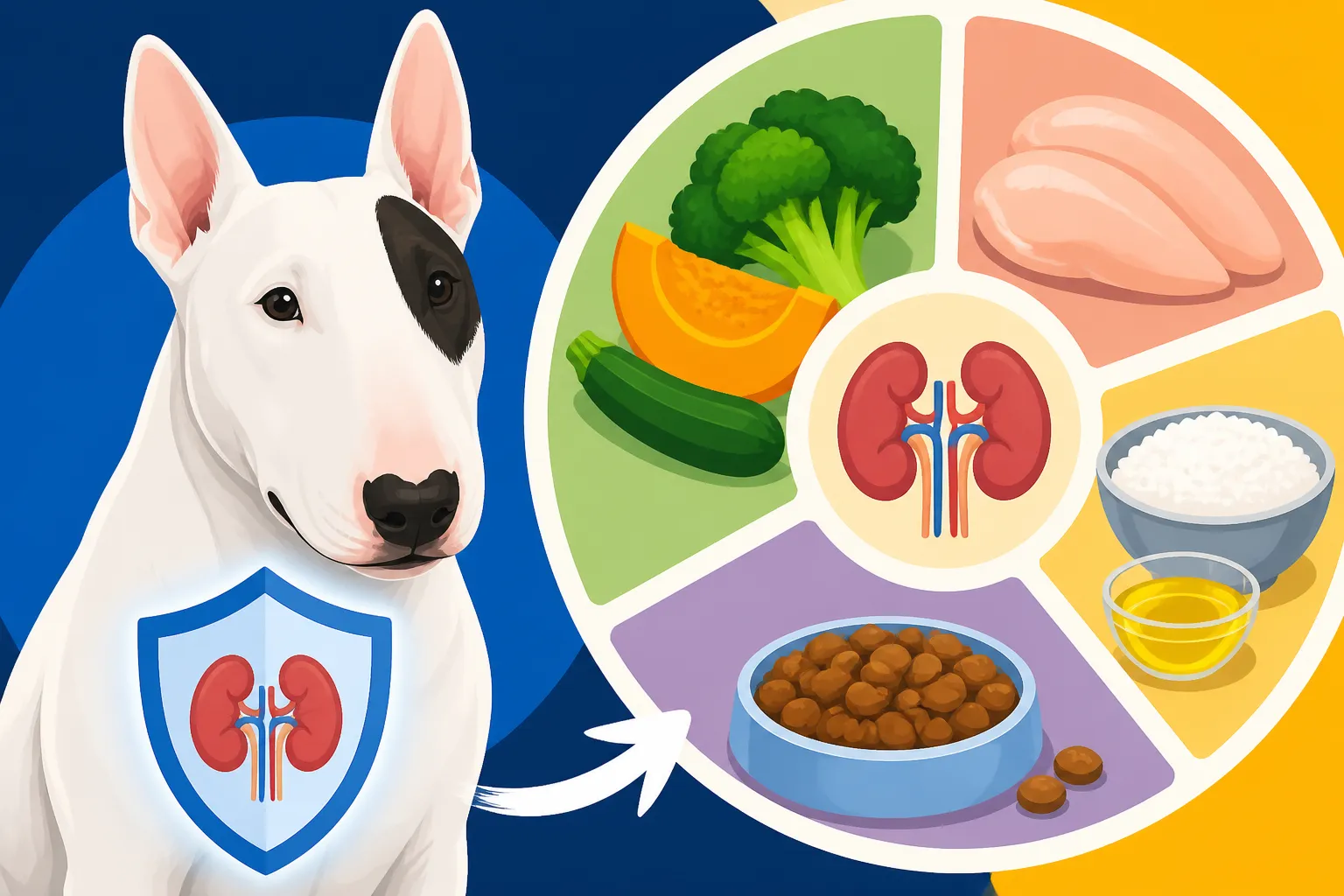
Prescription renal diets are the go-to for many veterinarians because they are scientifically formulated to meet all the complex nutritional requirements for dogs with kidney disease. Brands like Hill's Prescription Diet k/d, Royal Canin Veterinary Diet Renal Support, and Purina Pro Plan Veterinary Diets NF are specifically designed with lower protein, restricted phosphorus, controlled sodium, and often increased omega-3 fatty acids and B vitamins. These diets come in various flavors and textures (wet, dry) to cater to picky eaters.
The major benefit of these foods is their consistent, balanced formulation. You don't have to worry about missing crucial nutrients or accidentally adding something harmful. However, they can be more expensive than regular dog food, and some Bull Terriers might initially turn their nose up at them. This is where pet insurance, like Healthy Paws, can sometimes be a real lifesaver, as it might help cover the ongoing costs of these specialized prescription foods, making long-term management more feasible. When a Bull Terrier Should Start a Renal Diet depends on the stage of their disease, and your vet will make that determination based on bloodwork and symptoms.
The Pros and Cons of a Home-Cooked Renal Diet
For some Bull Terrier owners, the idea of a home-cooked diet is appealing. It offers complete control over ingredients, which can be beneficial if your dog has other sensitivities or is particularly fussy. It can also be a more palatable option for dogs whose appetites are waning due to uremia. Ingredients like egg whites, lean chicken, specific carbohydrates like white rice or sweet potato, and controlled amounts of vegetables can form the basis of these meals.
However, preparing a truly balanced and kidney-friendly home-cooked diet is incredibly challenging and should never be done without the guidance of a board-certified veterinary nutritionist. Randomly throwing ingredients together can lead to severe nutritional deficiencies or imbalances that could worsen kidney disease faster than a standard commercial diet. A veterinary nutritionist can create a custom recipe tailored to your Bull Terrier's specific stage of kidney disease, weight, and other health considerations, ensuring it's complete and balanced. The downside is the time commitment for preparation, the ongoing cost of fresh ingredients, and the absolute necessity of professional guidance to ensure nutritional adequacy.
Transitioning Your Bull Terrier to a New Diet
Bull Terriers can be notoriously stubborn, and changing their food, especially when they might already be feeling unwell, can be a real battle. A slow, gradual transition is key to success.
Start by mixing a small amount of the new renal diet with their old food. Over the course of 7-10 days, slowly increase the proportion of the new food while decreasing the old food. Watch your Bull Terrier closely for any signs of digestive upset, like vomiting or diarrhea. If they show resistance, you might need to slow down the transition even further. Try warming wet food slightly to enhance its aroma, or add a tiny amount of low-sodium chicken broth (ensure it's vet-approved) to make it more appealing.
Sometimes, a complete food strike can happen. Don't panic, but don't give in and revert to old food entirely either. Your vet can offer strategies, including appetite stimulants if necessary, or suggest alternative renal diet brands to try. Remember, consistency is important. It's better for your Bull Terrier to eat some renal diet than none at all, even if it's not the perfect amount at first. Patience and persistence are your best friends during this transition period.
Managing Your Bull Terrier's Appetite and Hydration
One of the most heartbreaking aspects of kidney disease is when your vibrant Bull Terrier starts losing their appetite. The build-up of toxins can cause nausea, mouth sores, and a general feeling of malaise, making food less appealing. But consistent nutrition and hydration are paramount for managing the disease and maintaining their quality of life.
Encouraging Picky Eaters
Bull Terriers can be famously opinionated, and their food preferences are no exception. When you combine their inherent pickiness with the nausea that often accompanies kidney disease, getting them to eat a new, specific diet can feel like an impossible task. This is where you need to get creative and patient.
Firstly, try different textures and flavors of prescription renal diets. Some dogs prefer wet food, others dry, and some respond well to a mix. Warming wet food can often enhance its smell and make it more enticing. You can also try adding small amounts of safe, highly palatable toppers, but always check with your vet first to ensure they won't upset the delicate balance of the renal diet. Options might include a tiny bit of unsalted chicken or beef broth, or a small dollop of cream cheese if approved. Presenting meals in different locations or at different times might also spark interest. For many dogs, smaller, more frequent meals are easier to handle than one or two large ones, especially if they're prone to nausea. Remember, the goal is to get them to eat the specialized food, even if it means some gentle coaxing. The cost of special food and medications can be high, and knowing What a Bull Terrier's Renal Diet Costs a Month might make you wish for simple kibble, but these changes are non-negotiable for their health.
The Importance of Consistent Hydration
Maintaining excellent hydration is not just helpful; it's absolutely critical for a Bull Terrier with kidney disease. The damaged kidneys struggle to concentrate urine, meaning your dog will produce more dilute urine and lose more water than usual. This can lead to dehydration, which in turn places even more strain on their kidneys and exacerbates the build-up of toxins. Signs a Bull Terrier Is Drinking More Than It Used To is often an early indicator of kidney issues.
Encourage water intake in every way possible. Always ensure fresh, clean water is available in multiple bowls around the house. Consider a ceramic or stainless steel water fountain; the moving water can be very enticing for some dogs. If your Bull Terrier primarily eats dry kibble, try adding warm water or low-sodium broth to it to increase moisture content. Feeding wet renal food is often preferred for kidney patients specifically because of its high moisture content. In severe cases, your vet might recommend subcutaneous fluids (fluids given under the skin) at home to supplement their water intake, especially if they are consistently dehydrated or not drinking enough on their own. This helps flush out toxins and keeps them feeling better.
Understanding the Financial Implications
Let's be real, managing chronic kidney disease in a Bull Terrier is not just emotionally taxing; it also comes with significant financial implications. From specialized foods to regular vet visits and potential medications, the costs can add up quickly. Understanding these expenses upfront can help you plan and make informed decisions.
A diagnosis of kidney disease means a lifetime of management. The yearly urine test every Bull Terrier owner should book becomes even more crucial, often requiring more frequent monitoring. The specialized renal diets, while essential, typically cost more than standard dog food. Then there are the regular vet check-ups, blood tests, and potentially medications like phosphorus binders or blood pressure medications. What Kidney Failure Costs a Bull Terrier Owner is a serious consideration, as the financial burden can be substantial. This is where having pet insurance like Healthy Paws, which is known for its comprehensive coverage, can really make a difference. While pet insurance typically doesn't cover pre-existing conditions, if your Bull Terrier was enrolled before the diagnosis, it could help offset the costs of these necessary treatments and specialized diets, easing some of the financial stress.
Key Dietary Changes for a Bull Terrier with Kidney Disease
To summarize the critical shifts, here's a quick overview of how a renal diet differs from a standard commercial diet for a Bull Terrier.
| Dietary Component | Standard Dog Diet | Kidney-Friendly Renal Diet | Rationale for Change |
|---|---|---|---|
| Protein | Moderate to High | Reduced, High-Quality | Less waste for struggling kidneys; prevents muscle wasting. |
| Phosphorus | Moderate | Significantly Reduced | Prevents mineral imbalances, slows kidney damage progression. |
| Sodium | Moderate | Controlled Low | Manages blood pressure, reduces fluid retention. |
| Fats | Balanced | Balanced to Higher (Healthy) | Provides calories for energy; Omega-3s reduce inflammation. |
| Moisture | Variable | Increased | Aids in toxin flushing; prevents dehydration. |
| B Vitamins | Balanced | Often Supplemented | Replaces water-soluble vitamins lost through increased urination. |
| Calcium | Balanced | Carefully Controlled | Managed in relation to phosphorus to prevent bone issues. |
Disclaimer
This article provides general information and guidance regarding dietary needs for Bull Terriers with kidney disease. It is not a substitute for professional veterinary advice. Every Bull Terrier is an individual, and the specific dietary recommendations, including the exact protein, phosphorus, and sodium levels, should always be determined by your veterinarian or a board-certified veterinary nutritionist based on your dog's specific diagnosis, stage of kidney disease, and overall health condition. Always consult your vet before making any changes to your Bull Terrier's diet or medication regimen.