The Ten to Fourteen Years a Bull Terrier Gets
It's a question that weighs heavily on the hearts of every Bull Terrier owner: just how long do we get with these magnificent, goofy, and endlessly loyal companions? We bring them into our homes, our lives, and our hearts, and the thought of saying goodbye is always lurking in the distant future. The truth is, while we often hope for an exceptionally long life, the reality for a Bull Terrier typically falls within a specific range, influenced by a complex tapestry of genetics, daily care, and a few breed-specific challenges. This guide is here to walk you through what to realistically expect regarding your Bull Terrier's lifespan, the health considerations that play a huge role, and crucially, how you can help them live their very best, longest life possible.
Understanding the Typical Bull Terrier Lifespan
When you become a Bull Terrier parent, you're signing up for a journey that, on average, spans a decade or more. The widely accepted lifespan for a Bull Terrier falls within the range of 10 to 14 years. Now, before you start comparing your puppy's current age to that upper limit, it’s important to understand what "average" truly implies and how many individual factors can shift that number for your specific dog. Some Bull Terriers gracefully sail past the 14-year mark, surprising everyone with their continued vitality, while others, heartbreakingly, may succumb to health issues earlier.
What the Average Lifespan Truly Means
The "average lifespan" isn't a guaranteed figure for any single dog; rather, it’s a statistical measure based on a large population of the breed. It means that if you gather data on hundreds or thousands of Bull Terriers, the majority will have lived somewhere between 10 and 14 years. This average can be heavily influenced by several factors, including advancements in veterinary medicine, better nutritional understanding, and more widespread responsible breeding practices. For instance, twenty years ago, the average might have been slightly lower simply because we didn't have the same diagnostic tools or treatments for conditions like kidney disease or heart issues that we do today. So, while it's a helpful benchmark, it's not a hard-and-fast rule that your individual dog will follow precisely. Every Bull Terrier is unique, a character in their own right, and their journey will be too.
You see, a statistic often smooths out the peaks and valleys, but a Bull Terrier's life is full of them. It doesn't account for the tragic cases of puppies lost too young to conditions like Lethal Acrodermatitis Kills a Bull Terrier Puppy Before It Grows Up, or the incredible seniors who defy expectations. It's a guide, not a prophecy. What it does tell us is the general window of time during which most Bull Terrier owners can expect to share their lives with these wonderful dogs, allowing us to plan for their care, our time with them, and inevitably, to prepare our hearts for the eventual goodbye. Knowing this average can help you set realistic expectations and appreciate every single moment you have.
Factors Influencing Individual Longevity
So, what makes one Bull Terrier live to a ripe old age of 15, while another might only reach 9 or 10? It's not just luck, though that certainly plays a small part. There are concrete factors that contribute significantly to how long your beloved bully will be by your side. Understanding these can empower you to make choices that actively promote a longer, healthier life. Think of it as stacking the deck in your dog's favor.
First and foremost is genetics. This is arguably the biggest piece of the puzzle, and often, it's decided before you even bring your puppy home. A Bull Terrier bred from healthy, health-tested parents with long-lived ancestors is inherently starting with a stronger foundation. This isn't just about avoiding obvious inherited diseases; it’s also about general constitutional vigor. Secondly, nutrition plays a crucial role. Feeding a high-quality, balanced diet appropriate for their age and activity level helps maintain a healthy weight, supports organ function, and can even boost immunity. An overweight Bull Terrier is at higher risk for joint problems, heart disease, and diabetes, all of which can shorten their lifespan. Regular, appropriate exercise is another non-negotiable factor. It keeps their muscles strong, their cardiovascular system healthy, and their minds engaged, preventing boredom-related destructive behaviors and contributing to overall well-being. Finally, consistent veterinary care, including preventative screenings and prompt treatment for any emerging issues, can catch problems early, often when they are most treatable. This proactive approach can literally add years to their life.
Common Health Challenges That Impact Lifespan
Unfortunately, no breed is entirely free from health predispositions, and Bull Terriers, for all their charm and robustness, do come with their own set of potential genetic and acquired health issues. Being aware of these common challenges isn't about fostering anxiety; it's about being informed and prepared, enabling you to work proactively with your veterinarian. Early detection and management are key to mitigating the impact of these conditions on your Bull Terrier's precious lifespan.
Kidney Disease Hereditary Nephritis, Polycystic Kidney Disease
Kidney disease is a significant concern in the Bull Terrier breed, and it's one of the primary reasons why responsible breeders prioritize health testing. Two forms, Hereditary Nephritis (HN) and Polycystic Kidney Disease (PKD), are particularly relevant. Hereditary Nephritis Takes Bull Terriers in Their Prime, often affecting them at a relatively young age, sometimes without obvious symptoms until the disease is quite advanced. It's an inherited condition that causes the kidney filters (glomeruli) to fail, leading to protein leakage into the urine. This is why The Yearly Urine Test Every Bull Terrier Owner Should Book is so vital; it’s a non-invasive way to monitor for early signs of protein in the urine, measured by the UPC (Urine Protein Creatinine) ratio. Early detection, while not a cure, can allow for dietary changes and medication to slow the progression of the disease and improve quality of life. Understanding What a UPC Ratio Tells a Bull Terrier Owner can truly make a difference.
Polycystic Kidney Disease (PKD), while less common than HN in Bull Terriers, can also occur. This condition is characterized by the development of multiple cysts in the kidneys, which grow over time and can eventually impair kidney function. Unlike HN, PKD can sometimes be detected via ultrasound, even in younger dogs. Both conditions underscore the importance of choosing a breeder who screens their breeding dogs and ideally, provides documentation of clear kidney health, including regular UPC screenings and, for PKD, potentially ultrasound results. Managing kidney disease often involves a special diet low in protein and phosphorus, medications to control blood pressure, and supportive care to maintain hydration. While these conditions can be devastating, proactive management can often extend the comfortable life of an affected Bull Terrier for months, sometimes even years.
Heart Conditions Mitral Valve Dysplasia, Aortic Stenosis
Heart health is another area where Bull Terriers can face specific challenges, with congenital heart conditions being a particular concern. The Heart Murmur a Bull Terrier Puppy Should Be Checked For is not just a routine part of a vet check-up; it's a critical early indicator that can signal underlying issues like Mitral Valve Dysplasia (MVD) or Aortic Stenosis (AS). Mitral Valve Dysplasia, for example, means the mitral valve in the heart doesn't form correctly, leading to leakage and inefficient blood flow. This forces the heart to work harder and can eventually lead to heart failure. Similarly, Aortic Stenosis is a narrowing of the aorta, the main artery leaving the heart, which restricts blood flow and increases the heart's workload. Both conditions, if severe, can significantly impact a Bull Terrier's lifespan and quality of life.
An experienced veterinarian can often detect a heart murmur during a routine physical exam. If a murmur is found, especially in a puppy, a referral to a veterinary cardiologist for a full cardiac workup, including an echocardiogram, is highly recommended. This imaging allows specialists to visualize the heart's structure and function, accurately diagnose the specific condition, and determine its severity. While not all murmurs are cause for alarm (some "innocent" murmurs can occur in puppies and resolve on their own), persistent or loud murmurs warrant investigation. Early diagnosis means you can start appropriate management, which might include medication to support heart function, activity restrictions, and regular monitoring. For conditions like What Mitral Valve Dysplasia Does to a Bull Terrier, this proactive approach can truly make a difference in managing symptoms and potentially prolonging your dog's comfortable life. When considering a puppy, asking about parental cardiac screening is paramount.
Lethal Acrodermatitis A Tragic Genetic Condition
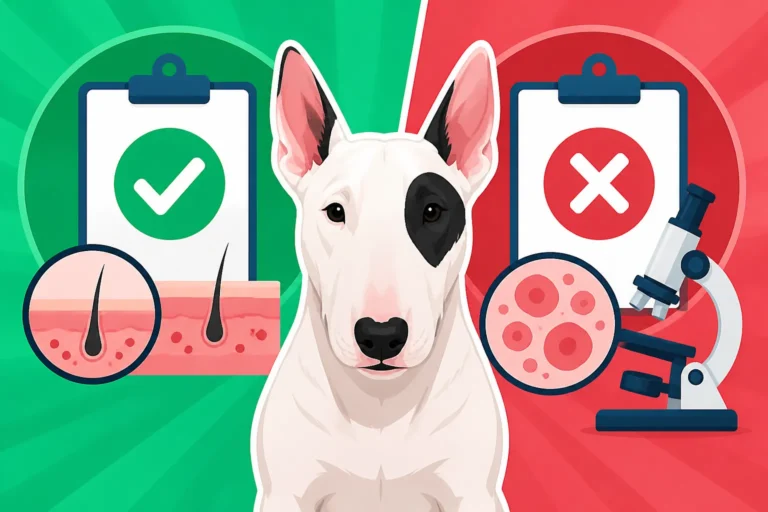
While thankfully rare, Lethal Acrodermatitis (LAD) is a devastating genetic disorder that almost exclusively affects Bull Terriers and Miniature Bull Terriers. As its name implies, Lethal Acrodermatitis Kills a Bull Terrier Puppy Before It Grows Up, typically before they reach two years of age. This condition is an inherited immunodeficiency and a metabolic defect that prevents the body from properly absorbing zinc, despite adequate zinc levels in their diet. The visible signs often manifest as severe skin lesions, particularly on the paws, muzzle, and around the eyes, leading to chronic infections that are incredibly difficult to treat. Affected puppies also experience stunted growth, a "sad" facial expression, and often have a compromised immune system, making them susceptible to a host of other infections.
The tragedy of LAD is amplified by the suffering it causes and the lack of effective treatment. Zinc supplementation, which might help other zinc-responsive dermatoses, does not work for LAD Bull Terriers because their bodies cannot utilize the zinc. Understanding What Lethal Acrodermatitis Does to a Bull Terrier helps owners recognize the early, subtle signs, though the diagnosis is usually confirmed by a specific DNA test. This genetic test is a crucial tool for responsible breeders to identify carriers of the gene, allowing them to make informed breeding decisions and prevent affected puppies from being born. If you're considering a Bull Terrier puppy, always ask the breeder about LAD testing results for both parents. The availability of this DNA test means that, with responsible breeding, this heartbreaking condition can eventually be eliminated from the breed.
The Role of Genetics and Responsible Breeding
When it comes to the long-term health and lifespan of your Bull Terrier, the decisions made by breeders play an absolutely monumental role. It's easy to get swept up in the adorable antics of a Bull Terrier puppy, but looking beyond the cute facade to the genetic blueprint behind it is paramount. Many of the serious health conditions that can shorten a Bull Terrier's life are inherited, making responsible breeding practices the first and most critical line of defense for your future companion's health.
Why Health Testing Matters
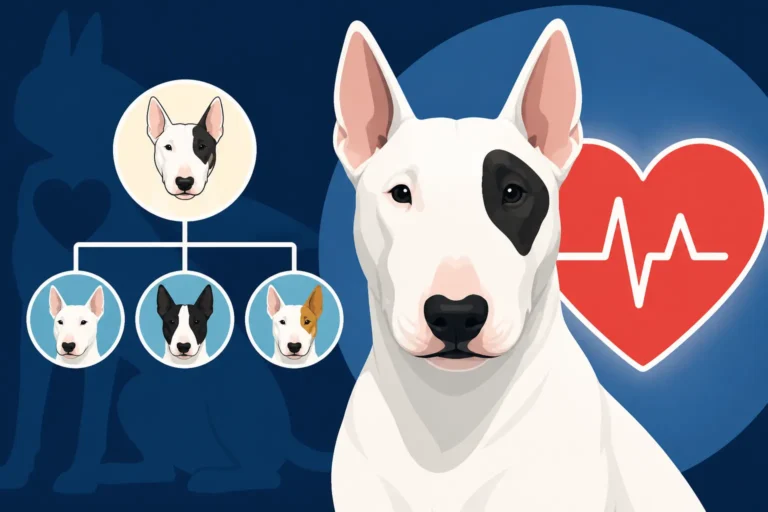
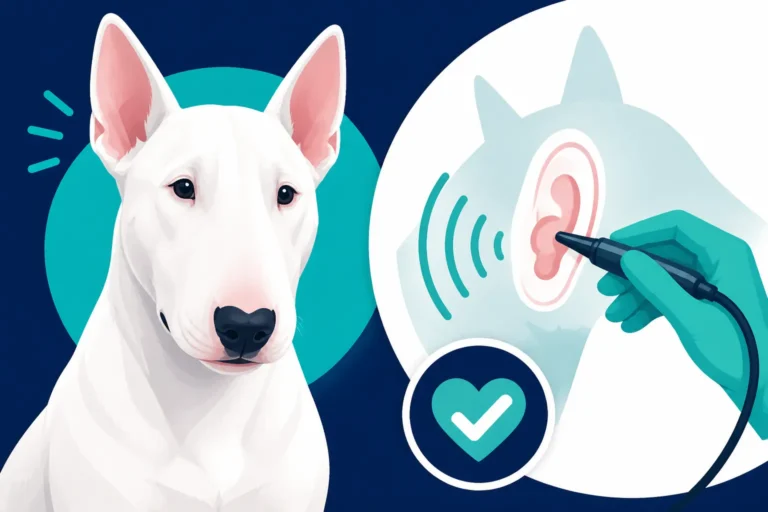
Buying a puppy is an emotional decision, but it needs a healthy dose of logic and inquiry, especially when it comes to a breed with known genetic predispositions like the Bull Terrier. Health testing isn't just a fancy term; it's the diligent and necessary process where responsible breeders screen their adult breeding dogs for inherited diseases that are common in the breed. For Bull Terriers, this typically includes screening for kidney disease (via regular UPC ratios and potentially kidney ultrasounds), heart conditions (via cardiologist evaluations and echocardiograms), deafness (BAER testing, especially for white Bull Terriers), and genetic conditions like Lethal Acrodermatitis (DNA testing). These tests provide invaluable information, allowing breeders to make informed decisions about which dogs to breed together, aiming to produce healthy offspring and reduce the incidence of these devastating conditions.
When you're looking for a puppy, don't be shy about asking to see the health certificates for both parents. A reputable breeder will not only have them readily available but will be proud to share them and explain what each test signifies. They'll understand that you're investing in a lifetime companion and want to ensure that companion has the best possible start. If a breeder dismisses health testing as unnecessary, too expensive, or claims their lines are "healthy" without proof, it's a major red flag. This transparency is a cornerstone of ethical breeding and directly impacts whether your Bull Terrier has a chance at reaching its full lifespan potential. This due diligence on your part can help prevent years of heartache and significant veterinary bills. You want to know Which Health Tests a Bull Terrier Breeder Should Run before committing.
How Genetic Predispositions Affect Longevity
Genetic predispositions mean that certain breeds are more likely to develop specific diseases due to their inherited genetic makeup. For Bull Terriers, this isn't just an abstract concept; it translates into real health challenges that can significantly impact how long your dog lives. Take Hereditary Nephritis, for instance. If a Bull Terrier inherits two copies of the faulty gene, they will develop the disease, often leading to kidney failure in early to mid-life. Similarly, while not purely genetic in every case, congenital heart defects like MVD and AS are more prevalent in some lines, passed down through generations. These conditions aren't just minor inconveniences; they can be life-limiting or require extensive, costly management to keep your dog comfortable.
The impact on longevity is direct. A Bull Terrier struggling with kidney disease might have a significantly shorter lifespan compared to one with healthy kidneys, even with the best medical care. The same applies to severe heart conditions. This is why understanding the genetic background of your potential puppy is so critical. A Bull Terrier from parents who are both carriers of the LAD gene, for example, has a 25% chance of being affected by Lethal Acrodermatitis, which is almost always fatal in puppyhood. When breeders actively screen for these conditions and choose to breed only health-tested individuals, they are working to reduce the genetic load of these diseases in future generations. This responsible approach helps to ensure that more Bull Terriers can live out their full 10 to 14 years, free from the burden of preventable genetic illness. It's a testament to the dedication of ethical breeders and a lifeline for the breed's future health.
Proactive Care: Extending Your Bull Terrier's Healthy Years
Once you've done your due diligence and brought home a healthy Bull Terrier puppy from a responsible breeder, the baton passes to you. While genetics lay the foundation, your daily care routine and lifestyle choices become instrumental in maximizing their health and extending their happy years. Proactive care isn't just about reacting to problems; it's about making conscious choices every single day that build a robust, resilient immune system and support every bodily function.
Nutrition and Weight Management
What you put in your Bull Terrier's bowl profoundly impacts their health and, by extension, their lifespan. Just like humans, a well-balanced diet provides the fuel for growth, energy, and cellular repair, while poor nutrition can lead to deficiencies, obesity, and a host of related health problems. For Bull Terriers, who can be prone to certain skin sensitivities and kidney issues, selecting a high-quality dog food is crucial. Look for reputable brands that list real meat as the first ingredient and avoid excessive fillers, artificial colors, and preservatives. Different life stages also demand different nutritional profiles; puppies need growth formulas, adults need maintenance, and seniors might benefit from specialized diets designed to support aging organs or manage specific conditions.
Weight management is equally vital. Bull Terriers are naturally muscular and can easily pack on extra pounds if their caloric intake isn't balanced with their exercise. An overweight Bull Terrier is at a significantly increased risk for joint problems like arthritis, exacerbated heart conditions, diabetes, and even certain types of cancer. It’s hard to tell if a Bull Terrier is overweight because of their naturally solid build, but you should be able to easily feel their ribs without pressing hard. Your vet can help you determine an ideal weight and recommend appropriate portion sizes. Treats should be given in moderation and factored into their daily calorie count. Maintaining a lean, healthy body condition throughout their life will reduce stress on their organs and joints, contributing directly to a longer, more comfortable lifespan.
Regular Veterinary Check-Ups and Preventative Screenings
Many Bull Terrier owners, especially those new to the breed, might not realize just how critical consistent veterinary care is beyond puppy vaccinations. Annual (and for seniors, bi-annual) veterinary check-ups are not just about vaccinations; they are comprehensive health assessments that act as your dog's preventative maintenance schedule. During these visits, your vet can catch subtle changes that might indicate the onset of a health issue long before it becomes obvious to you. Things like a slight weight change, a new heart murmur, or early signs of dental disease can be identified and addressed promptly.
Beyond the routine physical exam, preventative screenings are key for Bull Terriers. We've talked about the importance of The Yearly Urine Test Every Bull Terrier Owner Should Book to monitor kidney health. Regular blood work, especially as they age, can provide insights into organ function (liver, kidneys), detect early signs of diabetes, or identify thyroid issues. These proactive measures are investments in your Bull Terrier's future. By establishing a baseline of health and regularly monitoring key indicators, your vet can often intervene early, managing or even preventing the progression of diseases that could otherwise shorten your dog's life. Think of it as a personalized health surveillance program, giving your Bull Terrier the best chance at a long, vibrant life. Having pet insurance like Healthy Paws can also give you peace of mind to pursue these preventative and diagnostic measures without financial stress.
Mental and Physical Exercise for a Long, Happy Life
A Bull Terrier’s mind and body are intrinsically linked to their overall health and longevity. These are energetic, intelligent dogs with a zest for life, and neglecting their needs for mental and physical stimulation can lead to behavioral problems, obesity, and even a reduced lifespan. Just like humans, dogs who are active and engaged tend to be healthier and happier. Physical exercise, tailored to their age and condition, is essential. For a young, healthy Bull Terrier, this means vigorous walks, runs, playtime, and perhaps even engaging in dog sports like agility or flyball. How Much Exercise a Bull Terrier Actually Needs is often underestimated; they thrive on activity.
However, physical exercise alone isn't enough. Bull Terriers are problem-solvers, and they need their brains to be challenged. Mental enrichment can come in many forms: puzzle toys that dispense treats, training sessions that teach new cues or tricks, scent work games, or even just novel experiences like exploring a new park. A bored Bull Terrier is more likely to engage in destructive behaviors, and a mentally unstimulated dog can experience stress and anxiety, which can take a toll on their physical health over time. Ensuring your Bull Terrier gets a good balance of physical activity and mental stimulation not only keeps them physically fit but also enriches their life, reduces stress, and promotes a strong immune system. This holistic approach supports their well-being in every sense, contributing significantly to their ability to enjoy their full lifespan.
Navigating the Senior Years: Care for an Aging Bull Terrier
Watching your Bull Terrier enter their senior years is a bittersweet experience. On one hand, you cherish every gray whisker and slower step, a testament to a long life shared. On the other, you become keenly aware that time is ticking. The Age a Bull Terrier Is Considered Senior typically begins around 8 years old. As they transition into this phase, their needs change, and adapting your care routine becomes paramount to ensuring their comfort, dignity, and continued good health for as long as possible.
Recognizing Signs of Aging
Aging in Bull Terriers, as in humans, is a gradual process, and the signs can be subtle at first. Being observant and understanding what to look for will help you provide timely support. One of the most common signs is a general decrease in energy and activity levels. Your once-zoomie-loving Bull Terrier might be content with shorter walks and more naps. Joint stiffness or pain might become apparent; they might struggle to jump onto the sofa, be slower to rise after resting, or show reluctance on stairs. Their senses might also begin to dull – hearing and eyesight can decline, which can sometimes lead to confusion or anxiety.
Other signs include changes in coat quality, dental issues, or an increase in thirst, which could signal kidney changes. Weight fluctuations, either loss or gain, can also be indicators of underlying issues. You might notice changes in their sleep patterns, increased vocalization, or even a shift in their cognitive function, sometimes referred to as canine cognitive dysfunction, which can manifest as disorientation or altered interactions. It's crucial not to dismiss these changes as "just old age." Many age-related issues are manageable with veterinary intervention, diet adjustments, or pain medication. A change in behavior, energy, or appetite should always warrant a call to your vet to rule out treatable conditions.
Adapting Care for Senior Dogs
Caring for an aging Bull Terrier means making thoughtful adjustments to their environment, diet, and daily routine. The goal is always to maximize their comfort and maintain their quality of life. For dogs with joint pain or stiffness, consider adding orthopedic beds for better support, providing ramps or steps to help them access furniture or cars, and ensuring non-slip surfaces in your home. Their exercise routine should be modified to shorter, more frequent, and gentler walks, focusing on consistency rather than intensity. Swimming can be an excellent low-impact exercise for senior Bull Terriers.
Dietary needs often shift for seniors; many older dogs benefit from foods formulated for seniors that might be lower in calories (to prevent obesity in less active dogs) or higher in specific nutrients to support joint health or cognitive function. Regular dental care becomes even more critical, as dental disease can impact overall health. More frequent veterinary check-ups, often every six months, are recommended so your vet can closely monitor for age-related conditions like arthritis, heart disease, kidney issues, or even early signs of cancer. This consistent, attentive care, as described in Caring for a Bull Terrier Past Eight, can help manage emerging health problems effectively, ensuring your beloved Bull Terrier remains comfortable and engaged for as long as possible. Remember, these adjustments are not burdens, but expressions of the deep love and commitment you have for your aging companion.
Quality of Life vs. Quantity: Making Tough Decisions
As Bull Terriers age, or when they face a severe illness, owners invariably confront the heartbreaking question of quality of life versus quantity. It's an agonizing dilemma that often feels unfair and overwhelming. We all want more time with our beloved dogs, but at what cost to their comfort and dignity? This section aims to provide some guidance and validation for the difficult decisions that sometimes come with canine companionship.
When Treatment Becomes Too Much
There comes a point in some illnesses when continuing aggressive treatment, while potentially extending life for a short period, begins to compromise a Bull Terrier's comfort and well-being. This might happen with advanced kidney disease, severe heart failure, or aggressive cancers. For example, constant vet visits, invasive procedures, force-feeding, or medications with severe side effects can cause more stress and suffering than relief. It's a fine line to walk, and every owner's threshold is different, but recognizing when your Bull Terrier is no longer enjoying their daily life is crucial. Are they still interested in food? Do they greet you with enthusiasm, even if it's a slower wag? Do they still seek out cuddles or enjoy a gentle pat? Or are they withdrawn, in constant pain despite medication, and showing no joy in activities they once loved?
These are intensely personal questions, and there's no single right answer. It's about observing your Bull Terrier, knowing their personality, and assessing their overall happiness. Your veterinarian can be an invaluable partner in this process, offering an objective perspective on their physical condition, pain levels, and the prognosis with continued treatment. They can help you understand the benefits versus the burdens of various interventions. Sometimes, the bravest and most loving decision is to shift focus from prolonging life at all costs to ensuring comfort and peace. This doesn't mean giving up; it means prioritizing their well-being above our own desire for more time, no matter how painful that choice may be.
The Importance of Comfort and Dignity
Ultimately, the most profound act of love for an ailing or aging Bull Terrier is to ensure their comfort and dignity, especially as they near the end of their journey. This means managing pain effectively, providing a peaceful and familiar environment, and allowing them to enjoy whatever small pleasures they still can. If medical treatments are causing more distress than relief, shifting to palliative or hospice care becomes a compassionate alternative. This type of care focuses entirely on comfort: pain relief, anti-nausea medications, appetite stimulants if appropriate, and maintaining hygiene, all while allowing your Bull Terrier to remain in the loving familiarity of their home.
Creating a comfortable environment includes soft bedding, easy access to food and water bowls, and perhaps a quiet space away from household bustle. Dignity means not forcing them into uncomfortable situations, respecting their diminished energy levels, and allowing them to leave this world surrounded by love and peace when the time comes. This is a topic that brings tears to any pet owner's eyes, but having these conversations with your vet, family, and yourself before a crisis hits can make the decision process slightly less chaotic, even if it remains heartbreaking. Ensuring your Bull Terrier's final days or moments are filled with love, comfort, and peace is the ultimate testament to the incredible bond you share, honoring the full scope of their life, from puppyhood to their dignified farewell.
What Most Bull Terriers Die Of: A Realistic Look
It's a tough question to ponder, but understanding the leading causes of death in Bull Terriers can help owners be proactive about their dog's health throughout their life. While some Bull Terriers pass peacefully in their sleep from "old age," often there's an underlying health condition that brings their journey to an end. Recognizing these common causes is part of being a responsible owner, empowering you to discuss preventative care and early detection strategies with your vet.
Cancer and Other Age-Related Illnesses
Just like humans, as Bull Terriers age, their risk of developing cancer increases significantly. Cancer is a leading cause of death in many dog breeds, and Bull Terriers are unfortunately not immune. A wide variety of cancers can affect them, including lymphoma, mast cell tumors, osteosarcoma (bone cancer), and various carcinomas. The good news is that advancements in veterinary oncology mean that many cancers are treatable, especially if caught early. Regular lump checks during your weekly skin inspection, paying attention to changes in appetite or energy, and consistent veterinary check-ups are crucial for early detection. If you notice any suspicious lumps, weight loss, lethargy, or changes in behavior, it's always best to consult your vet promptly.
Beyond cancer, a host of other age-related illnesses can contribute to a Bull Terrier's passing. Kidney failure, often from Hereditary Nephritis or chronic kidney disease, is a significant concern we've already discussed. Heart disease, including conditions like Mitral Valve Dysplasia or dilated cardiomyopathy, can progress over time, eventually leading to heart failure. Endocrine disorders, like hypothyroidism, while treatable, can impact overall health if left unmanaged. Degenerative joint disease and neurological conditions can also severely diminish a senior Bull Terrier's quality of life. The cumulative effect of these age-related ailments often leads to a decline in overall health and vitality, making it difficult for the dog to continue functioning comfortably. This often brings us back to the difficult decisions regarding quality of life, as explored in What Most Bull Terriers Die Of. Proactive health management and pet insurance, such as through Healthy Paws, can greatly assist in navigating the costs associated with these complex conditions.
Sudden Cardiac Events
While heart disease can be a chronic, progressive condition that is managed over time, some Bull Terriers, sadly, can experience sudden cardiac events. These instances are particularly heartbreaking because they often strike without much warning, leaving owners bewildered and grief-stricken. Conditions like Aortic Stenosis, where there's a narrowing of the aorta, can make a Bull Terrier more susceptible to sudden death, especially during periods of excitement or strenuous exercise. Even though a puppy might have a heart murmur checked, some conditions can progress silently or manifest acutely later in life.
This potential for sudden cardiac events underscores why rigorous cardiac screening in breeding dogs is so vital, and why any murmur detected in a Bull Terrier, regardless of age, should be thoroughly investigated by a veterinary cardiologist. An echocardiogram can reveal structural abnormalities that might predispose a dog to these risks. While it's impossible to completely eliminate all risk, understanding these possibilities helps owners make informed decisions about their dog's activity levels, especially if a cardiac condition has been diagnosed. It’s a sobering reminder that even with the best care, sometimes nature has its own course, and these unexpected losses are part of the difficult reality of pet ownership. We embrace them fully knowing the joy they bring, and we do our best to protect them from all known risks.
Disclaimer
The information provided in this guide is for general informational purposes only and does not constitute veterinary advice. Always consult with a qualified and trusted veterinarian for any health concerns or before making any decisions about your Bull Terrier's care, diet, or treatment. Every dog is an individual, and what works for one may not be suitable for another.