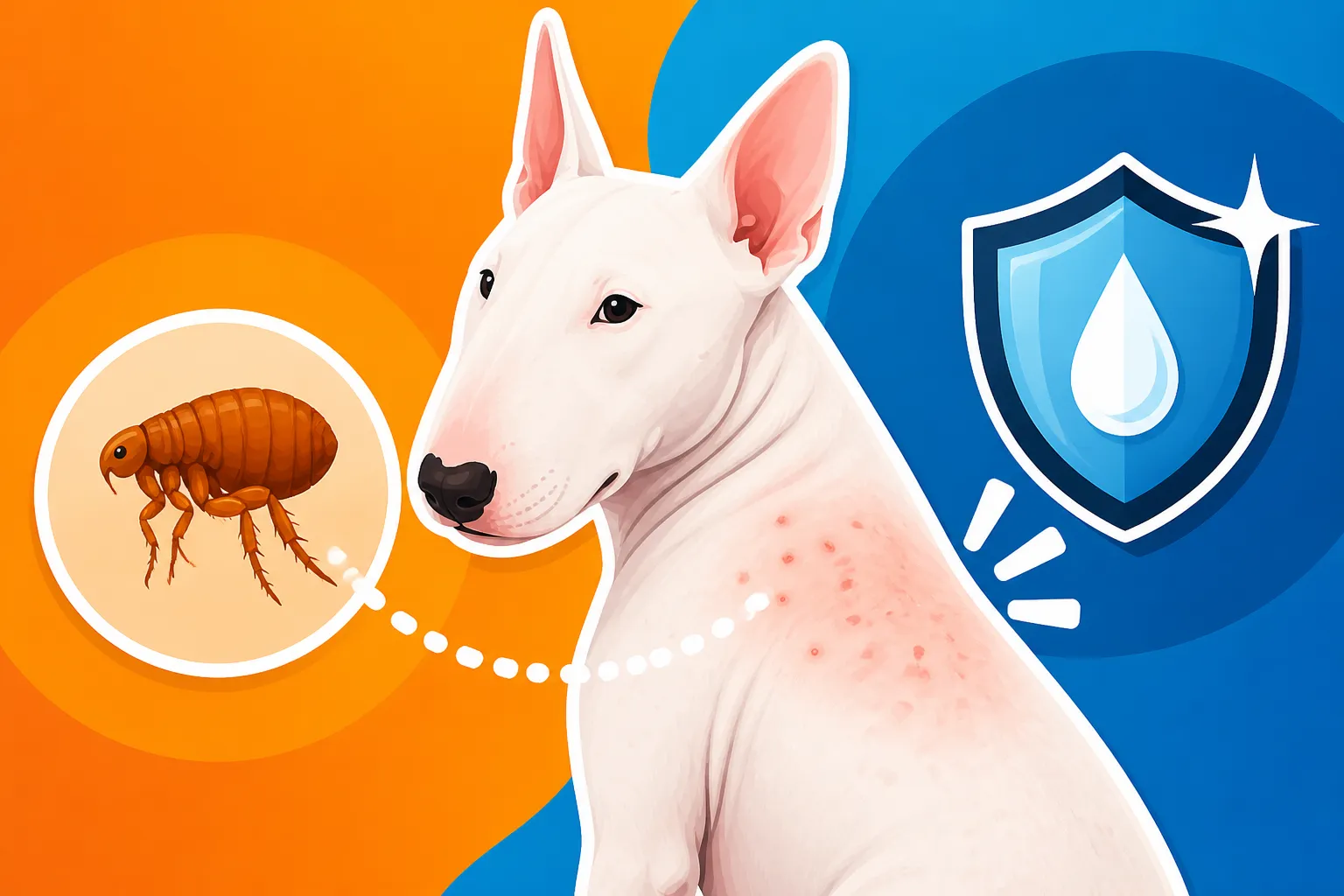
What Flea Cover Costs on a Bull Terrier’s Bare Skin
The moment you spot that tell-tale twitch or aggressive scratching from your Bull Terrier, a familiar dread washes over you. You know it’s not just a minor irritation; for our short-coated, often pink-skinned Bull Terriers, a flea infestation can quickly escalate into a full-blown skin nightmare. Figuring out what reliable flea and tick prevention costs and how to best protect their vulnerable skin without breaking the bank can feel like a constant puzzle. This guide aims to demystify the expenses involved in keeping your Bull Terrier free from these pesky parasites, focusing on solutions that respect their unique skin sensitivities.
Why a Bull Terrier's Sensitive Skin Makes Flea Control Crucial
It's a fact that Bull Terriers often have exceptionally sensitive skin, a trait that sets them apart from many other breeds. Their short, coarse single coat, particularly in white Bull Terriers, offers less protection against environmental irritants and, crucially, against external parasites like fleas and ticks. When a flea bites a Bull Terrier, the reaction can be far more dramatic and long-lasting than in a dog with a thick, dense double coat.
Imagine your Bull Terrier, maybe even one with those distinctive pink patches on their belly or ears, suddenly erupting in angry red welts from just a few flea bites. It’s not just about comfort; it's about health. Many Bull Terriers suffer from flea allergy dermatitis (FAD), where even a single flea bite can trigger an intense allergic reaction leading to severe itching, scratching, hair loss, and secondary bacterial skin infections. This intense itching can drive them to self-mutilate, creating hot spots that are incredibly painful and difficult to heal. Owners often find themselves wondering A Bull Terrier's Skin Is Its Weakest Point when dealing with these issues. The cost associated with treating such a severe reaction—vet visits, antibiotics, anti-inflammatory medications, special shampoos, and even dietary changes—can far outweigh the proactive expense of consistent flea prevention.
The Visible Impact of Fleas on Bull Terrier Skin
Because their coat is so sparse, it’s often easier to spot fleas or flea dirt on a Bull Terrier than on a fluffier breed. However, this also means that the damage caused by fleas is immediately visible and often more profound. You might see tiny red bumps, areas of inflamed skin, or even patches where your Bull Terrier has licked and chewed all the fur off. This isn't just cosmetic; it's a gateway for infection.
The constant scratching and chewing can break the skin barrier, allowing bacteria and yeast to take hold. What starts as a simple flea bite can quickly become a deep pyoderma or a stubborn yeast infection. Treating these secondary infections requires a trip to the vet, potentially cultures, specific medications, and follow-up appointments. This is where the true "cost" of inadequate flea control quickly multiplies. Proactive measures are not just about preventing discomfort, but about safeguarding their overall skin health, which, as many Bull Terrier owners know, is an ongoing commitment. Understanding Whether a Bull Terrier Gets Skin Allergies is vital for this breed.
The Importance of Consistent, Year-Round Prevention
Given their predisposition to skin issues, year-round flea and tick prevention isn’t just a recommendation for Bull Terriers; it’s practically a mandate. Even in colder climates, fleas can survive indoors, thriving in carpets, pet bedding, and upholstery. A lapse in prevention for even a month can open the door to an infestation that takes much longer—and costs much more—to eradicate.
Think of it this way: a single female flea can lay up to 50 eggs a day. Those eggs fall off your Bull Terrier and into your home environment, hatching into larvae, pupae, and then new adult fleas, perpetuating the cycle. Trying to play catch-up with an established infestation involves treating not just your dog, but your entire home, often requiring professional exterminators or multiple rounds of environmental treatments, adding significantly to the overall cost. Consistency is key, and budgeting for this regular expense from the outset, much like you'd budget for What a Bull Terrier Costs a Month Before Any Illness, will save you money and heartache in the long run.
Understanding Types of Flea and Tick Prevention for Your Bull Terrier
When it comes to protecting your Bull Terrier from fleas and ticks, you've got a surprisingly wide array of options, each with its own benefits, application methods, and, of course, cost implications. It's not a one-size-fits-all situation, especially with a breed prone to sensitive skin.
Oral Medications: Tablets and Chews
Oral flea and tick medications, typically given as a chewable tablet, have become incredibly popular because of their effectiveness and ease of use. You simply give it to your Bull Terrier, usually once a month or every three months depending on the product, and it works systemically from the inside out. This means no greasy residue on their coat, no worries about it washing off during a bath or swim, and no concerns about skin irritation at the application site – a big plus for Bull Terriers with sensitive skin.
These medications are absorbed into your dog's bloodstream, and when a flea or tick bites, it ingests the active ingredient and dies. Brands like Bravecto (which can offer 3 months of protection) or Simparica and NexGard (typically monthly) are widely used. The main advantage here is that there’s no direct contact with their skin except for ingestion, which minimizes the risk of topical reactions. However, some dogs can experience gastrointestinal upset or, rarely, neurological side effects. The cost per dose can seem higher than some topical options, but consider the convenience and the long-lasting protection. Many owners find that purchasing these in multi-packs from online retailers like Chewy can lead to some cost savings over time.
Topical Treatments: Spot-Ons
Topical spot-on treatments are liquid medications applied directly to a small area of your Bull Terrier’s skin, usually between the shoulder blades. The active ingredients then spread across the skin’s surface or are absorbed into the oil glands to provide protection. Frontline Plus and K9 Advantix II are common examples, usually applied monthly. For Bull Terriers, the main concern with spot-ons is the potential for local skin reactions.
Because their skin is so visible and sensitive, some Bull Terriers might experience redness, itching, or irritation at the application site. It’s always wise to monitor your dog closely after the first application. While generally effective, the efficacy can sometimes be reduced if your Bull Terrier swims frequently or needs regular baths (though many are formulated to be waterproof after a certain period). The cost per dose is often a bit lower than oral medications, but the annual cost can be similar due to monthly application. If you choose this route, ensure the product is specifically designed for dogs and the correct weight range, and always apply it to dry, healthy skin.
Flea and Tick Collars
Modern flea and tick collars are far more advanced than the older, often ineffective, and sometimes irritating versions. The Seresto collar, for instance, releases active ingredients that spread over your Bull Terrier's skin and coat, providing up to eight months of protection. This can be a very convenient and cost-effective option over the long term, reducing the need for monthly applications.
However, just like topical spot-ons, some Bull Terriers with extremely sensitive skin might develop irritation or hair loss around the collar area. It’s crucial that the collar is fitted correctly – snug enough to make contact with the skin, but loose enough for two fingers to slip underneath comfortably. Monitor the skin underneath the collar regularly, especially during the first few weeks. If any redness or discomfort is observed, it should be removed immediately. For a Bull Terrier that constantly scratches its neck or has existing skin conditions, a collar might not be the best choice. These collars often represent a higher initial outlay but a lower per-month cost when amortized over their long duration of effectiveness.
Shampoos, Sprays, and Dips
Flea shampoos, sprays, and dips are typically used for immediate knockdown of existing fleas rather than long-term prevention. A flea shampoo will kill fleas on contact but offers no residual protection once rinsed off. Sprays can offer a bit more residual effect but need careful application, especially around sensitive areas like the face, and can feel sticky or irritating on some dogs' skin. Dips, less commonly used now, involve diluting a concentrate and thoroughly soaking the dog, which can be harsh for sensitive skin and carry a higher risk of toxic exposure if not done correctly.
These methods are usually reserved for active infestations or for quick relief before a more long-term preventive measure kicks in. While the individual cost of a flea shampoo might be low, relying solely on these methods for prevention is generally ineffective and not recommended for a Bull Terrier’s ongoing protection. They don't address the flea life cycle in the environment and will leave your dog vulnerable again very quickly.
| Type of Prevention | Application Frequency | Potential Skin Sensitivity Concerns | General Cost Implication (Per Year) | Key Benefit for Bull Terriers |
|---|---|---|---|---|
| Oral Chew/Tablet | Monthly/Quarterly | Low (ingestion, not topical) | Moderate to High | No topical skin irritation |
| Topical Spot-On | Monthly | Moderate (application site) | Moderate | Generally effective, direct |
| Collar (e.g., Seresto) | Up to 8 months | Moderate (collar contact area) | Low (amortized) | Long-lasting, convenient |
| Shampoos/Sprays | As needed | High (irritation, drying) | Low (individual item) | Quick knockdown of existing fleas |
Factors Influencing the Cost of Flea Cover for Your Bull Terrier
The "cost" of flea cover isn't just the price tag on a single product. Several factors come into play, influencing your overall financial commitment to keeping your Bull Terrier pest-free. Ignoring these can lead to unexpected expenses down the line.
Your Bull Terrier's Weight and Size
Perhaps the most straightforward factor is your Bull Terrier’s weight. Flea and tick medications are dosed by weight. A larger Bull Terrier, weighing in at 50-70 pounds, will require a higher dose and, consequently, a more expensive product than a smaller or miniature Bull Terrier. This means that if you have a robust, full-grown male Bull Terrier, your monthly or quarterly prevention cost will naturally be on the higher end of the spectrum for canine flea prevention.
It’s crucial to never guess your Bull Terrier’s weight or try to save money by giving a smaller dose. Underdosing can render the product ineffective, leaving your dog unprotected and susceptible to an infestation. Always weigh your Bull Terrier accurately and purchase the product specific to their weight range. If your Bull Terrier is on the cusp between two weight categories, always consult your veterinarian for the safest and most effective recommendation.
Geographical Location and Local Pest Pressure
Where you live plays a significant role in the type and intensity of flea and tick prevention your Bull Terrier needs. If you reside in a warm, humid climate year-round, or an area with dense wooded trails and high deer populations, your Bull Terrier faces constant pressure from parasites. In such regions, year-round, robust prevention is non-negotiable, and you might even consider combining different types of prevention (e.g., an oral chew and a flea collar, always under veterinary guidance) for maximum efficacy, which naturally increases costs.
Conversely, if you live in an area with harsh winters that naturally kill off flea populations for several months, you might be able to scale back prevention during those colder periods, saving a bit of money. However, even in cold climates, indoor environments can harbor fleas. Always discuss your local pest pressure with your veterinarian, as they will have the most up-to-date information on prevalent parasites and resistance patterns in your specific region. This local insight is invaluable for tailoring the most effective and efficient prevention plan.
Vet-Prescribed vs. Over-the-Counter Options
The decision between a vet-prescribed product and an over-the-counter (OTC) option can significantly impact both effectiveness and cost. Generally, vet-prescribed flea and tick medications tend to be more potent and effective. They often contain newer active ingredients and have undergone rigorous testing, making them highly reliable, especially for breeds like Bull Terriers with sensitive skin and a propensity for flea allergy dermatitis. These products typically have a higher price point, reflecting their research and development, and the fact that you often purchase them directly from your vet's office or through their online pharmacy.
OTC products, while often more budget-friendly upfront, can be hit-or-miss. Some older OTC options may not be as effective against current flea and tick populations, which have developed resistance to certain chemicals. Worse, some cheaper OTC products, especially certain brands of flea collars or shampoos, contain ingredients that can be irritating or even toxic to sensitive dogs. For a Bull Terrier, the risk of a severe skin reaction or an ineffective product leading to an infestation often makes the perceived savings of OTC options a false economy. It's often better to invest in a vet-approved product to ensure both safety and efficacy for your precious companion, especially if you want to avoid What Skin Treatment Costs a Bull Terrier Owner down the line.
Potential for Secondary Skin Conditions and Vet Visits
This is where the true cost of not having adequate flea cover can skyrocket. If a flea infestation takes hold, especially in a Bull Terrier prone to allergies, the resulting skin problems can be extensive and expensive to treat. We're talking about multiple veterinary consultations, diagnostic tests to rule out other skin issues, courses of antibiotics for secondary infections, anti-inflammatory medications to soothe intense itching, special medicated shampoos, and potentially even allergy injections or long-term medication if flea allergy dermatitis becomes chronic.
The initial cost of a reliable monthly oral chew, for example, might seem substantial, but compare that to the hundreds, or even thousands, of dollars you could spend on treating a severe skin infection exacerbated by flea bites. Imagine repeated trips to the vet, the stress on your Bull Terrier, and the constant battle with itching. Pet insurance, such as a plan from Healthy Paws, won't cover the routine cost of flea prevention, but it can be an absolute lifesaver if your Bull Terrier develops a severe, medically complicated skin condition directly or indirectly caused by flea bites. This is a vital part of managing A Bull Terrier's Skin Is Its Weakest Point. The long-term financial and emotional toll of treating a serious flea-related skin issue far outweighs the consistent cost of prevention.
Budgeting for Flea and Tick Prevention: Beyond the Initial Purchase
So, you've selected the best flea and tick prevention for your Bull Terrier's needs and sensitive skin. Great! But the true art of budgeting for this essential care goes beyond just the initial product purchase. It's about looking at the bigger picture, considering potential hidden costs, and being prepared for all scenarios.
Maximizing Value: Bulk Purchases and Subscriptions
One of the smartest ways to manage the cost of flea and tick prevention is to consider purchasing in larger quantities when possible. Many veterinary clinics and reputable online pet supply stores, like Chewy, offer discounts for buying multi-packs (e.g., a 6-month or 12-month supply) of oral medications or topical treatments. This not only often reduces the per-dose cost but also ensures you have a consistent supply on hand, preventing any accidental lapses in coverage.
Another increasingly popular option is subscription services. Some brands or online pharmacies allow you to set up recurring deliveries of your chosen product, often with a slight discount and the convenience of never forgetting to reorder. This "set it and forget it" approach is particularly valuable for busy Bull Terrier owners, ensuring their dog remains protected without the last-minute scramble. Just make sure to check expiration dates if buying in very large quantities and store products properly.
The Hidden Costs of Infestation: Home and Yard Treatment
Let's be brutally honest: the most expensive flea treatment is the one you don't do consistently. A single flea can rapidly turn into an environmental nightmare. If your Bull Terrier brings fleas into your home, those fleas will quickly lay eggs that fall into your carpets, furniture, bedding, and even cracks in the floorboards. Eradicating a full-blown home infestation is a colossal, stressful, and expensive undertaking.
You'll likely need to:
- Wash all bedding (dog and human) in hot water.
- Vacuum daily, especially along baseboards and under furniture, and immediately dispose of the vacuum bag.
- Treat your home with insecticides (sprays, foggers, or powders), which can range from DIY options to professional exterminator services. Professional services can run into several hundred dollars, often requiring repeat visits.
- Consider treating your yard, particularly if you live in a high-risk area, adding another layer of expense and effort.
These are significant, unexpected costs that dwarf the routine expense of prevention. It's a stark reminder that an ounce of prevention is truly worth a pound of cure, especially when it comes to safeguarding your Bull Terrier's skin and your home environment. This is why it's so important to maintain vigilance, much like with The Yearly Urine Test Every Bull Terrier Owner Should Book, which is also a preventative measure against larger health problems.
When Flea Protection Becomes a Medical Expense
While routine flea prevention isn't usually covered by pet insurance, the consequences of a flea bite, especially for a sensitive Bull Terrier, can certainly be. If your Bull Terrier develops severe flea allergy dermatitis (FAD) or a secondary skin infection due to flea bites, the veterinary bills can quickly accumulate. This is where pet insurance, like a comprehensive plan from Healthy Paws, becomes an invaluable financial safety net.
Imagine your Bull Terrier needing multiple vet visits, diagnostic skin scrapings, biopsies, antibiotics, steroids, antihistamines, and specialized medicated shampoos to get a handle on a severe flea-triggered skin condition. These are all legitimate medical expenses that pet insurance can help defray. Without insurance, these unexpected costs can put a significant strain on your budget, sometimes leading to difficult decisions. Even if your Bull Terrier never experiences a severe reaction, general health expenses, like those detailed in What a Bull Terrier's Yearly Bloodwork Should Cover, are a part of responsible ownership, and insurance can help manage those too. Investing in a good insurance policy is part of a holistic approach to your Bull Terrier's health and financial well-being, acknowledging their potential vulnerabilities.
Disclaimer
This article is for general informational purposes only and does not constitute professional advice. Laws, prices and regulations vary by location and change over time. Consult a qualified professional for guidance on your specific situation.