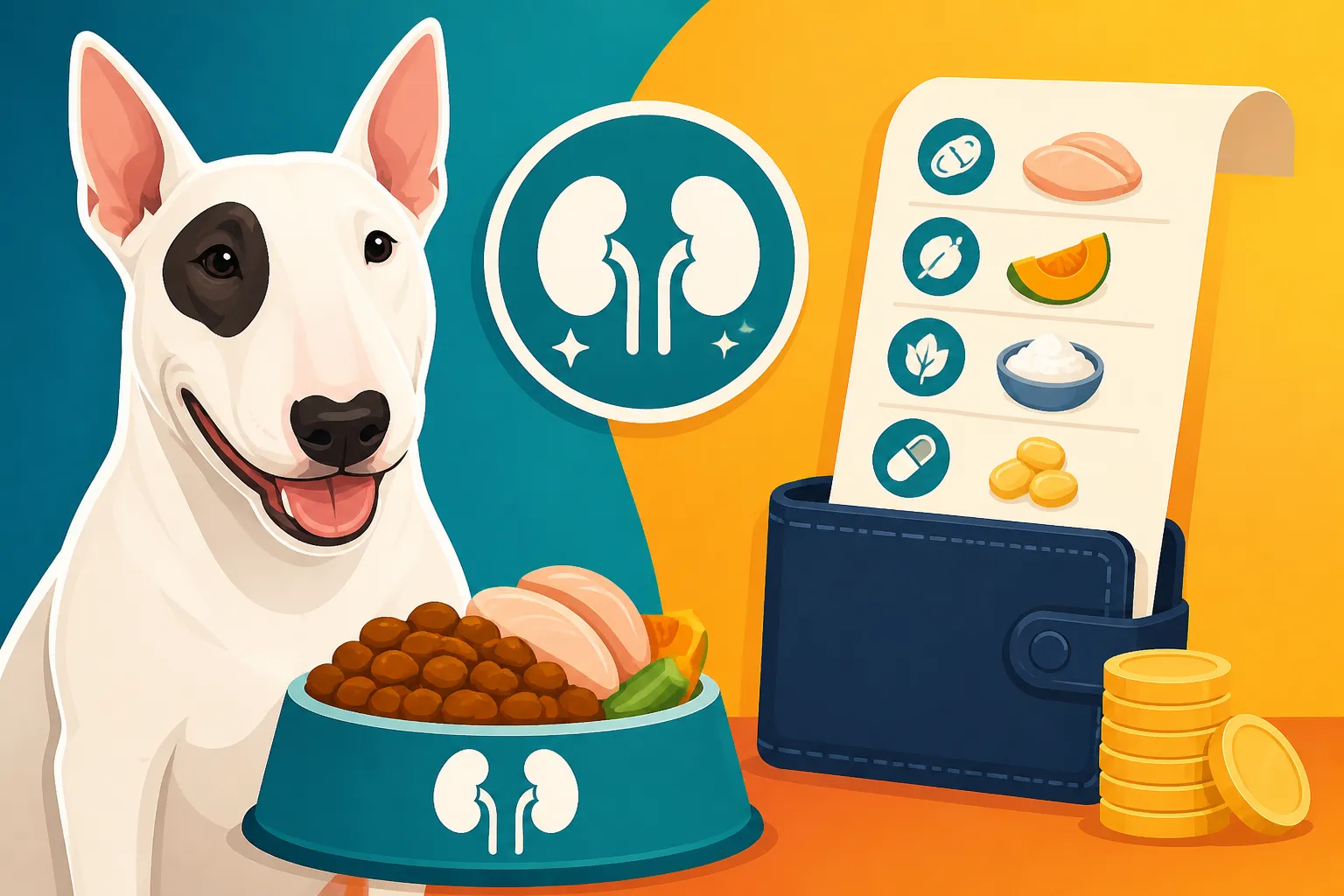
What a Bull Terrier’s Food Bill Runs on a Renal Diet
Discovering your beloved Bull Terrier has kidney disease is a punch to the gut. The immediate worry shifts from playful antics to urgent health concerns, and one of the biggest changes you'll face is their diet. Suddenly, you're navigating a world of prescription foods, specialized nutrition, and a food bill that looks drastically different from your regular kibble budget. This guide will walk you through what to expect when feeding a Bull Terrier on a renal diet, from the 'why' behind the cost to practical strategies for managing expenses and ensuring your best friend gets the best care possible.
The Harsh Reality of a Renal Diet for Your Bull Terrier
When your vet delivers the news that your Bull Terrier is showing signs of kidney disease, it’s often a shock. You’ve pictured years of robust health and energetic playtime, and now you’re facing a chronic condition that requires careful management. One of the most critical interventions is a specialized diet. This isn’t just about swapping out one bag of food for another; it’s about a complete nutritional overhaul designed to support failing kidneys and improve your dog's quality of life. The cost associated with this dietary change can feel overwhelming at first, adding another layer of stress to an already difficult situation.
Understanding Bull Terrier Kidney Disease and Diet Needs
Bull Terriers, unfortunately, are genetically predisposed to certain health issues, and kidney disease, particularly Hereditary Nephritis Takes Bull Terriers in Their Prime, is one that often looms large in the back of an owner's mind. When kidney function declines, the kidneys struggle to filter waste products effectively. This means that certain nutrients that were once easily processed can now build up in the body, causing further damage and making your dog feel unwell. That's why a standard dog food, however high-quality, simply won't cut it anymore.
A renal diet is meticulously formulated to lessen the burden on your Bull Terrier's kidneys. This typically involves carefully controlled levels of protein, phosphorus, and sodium. Protein, while essential, can produce waste products that failing kidneys struggle to excrete, so renal diets provide high-quality protein in reduced amounts. Phosphorus is another key culprit; high levels can exacerbate kidney damage, so these diets are specifically low in phosphorus. Sodium is also limited to help manage blood pressure, which is often elevated in dogs with kidney disease. The balance of these nutrients is crucial and far more complex than a typical commercial dog food blend, demanding precise ingredient sourcing and formulation. You're not just buying food; you're buying a medical intervention delivered through nutrition.
The Initial Sticker Shock: Why Renal Diets Cost More
It’s easy to feel a pang of surprise, or even outright shock, when you first see the price tag on a bag of prescription renal kibble or a case of wet food. You might wonder why a smaller bag costs significantly more than the enormous sacks of regular dog food you used to buy. The answer lies in the specialized nature of these diets. These aren't just generic formulas produced in bulk; they are the result of extensive scientific research, clinical trials, and careful sourcing of specific ingredients designed to meet the unique physiological needs of a dog with compromised kidney function.
Think of it this way: standard dog food aims for general health and wellness, while a renal diet is a therapeutic tool. The ingredients are often of a higher biological value, meaning they are more digestible and the nutrients are more readily absorbed, even with lower overall percentages. Manufacturers invest heavily in the science to ensure these diets do exactly what they're supposed to do: support kidney function without causing additional stress. This level of precision, quality control, and scientific backing naturally translates into a higher cost. It's an investment in extending your Bull Terrier's life and improving their comfort, which, for any dedicated owner, is truly priceless.
Navigating the Options: Prescription vs. Therapeutic Diets
Once you understand why your Bull Terrier needs a renal diet, the next step is figuring out what to feed them. This journey often starts at your veterinarian's office, as many effective renal diets require a prescription. However, there are also over-the-counter options and even the possibility of home-cooked meals, each with its own set of considerations, costs, and benefits. It’s a landscape that can feel a bit like a maze, especially when you’re already under stress, but understanding your choices is key to making the best decision for your Bull Terrier.
Prescription Kibble and Wet Food: The Vet's Recommendation
For most Bull Terriers diagnosed with kidney disease, your veterinarian will recommend a prescription renal diet. These diets are formulated by companies like Hill's, Royal Canin, and Purina, among others, specifically for dogs with renal insufficiency. They come in both dry kibble and wet food varieties, which is great because Bull Terriers can be notoriously picky, and having options for texture and flavor can make a huge difference in ensuring they actually eat. Some dogs might prefer the crunchy texture of kibble, while others, especially those with reduced appetite from kidney disease, might find the moisture and aroma of wet food more appealing.
Obtaining these foods usually requires a prescription from your vet. You can often purchase them directly from your vet's clinic, or with a prescription, from online pet pharmacies and retailers like Chewy. Buying through Chewy can sometimes offer the convenience of home delivery and potentially slightly better pricing, especially if you set up an auto-ship. These diets are designed for consistency, meaning you can trust that each meal provides the precise nutritional balance your Bull Terrier needs. While the upfront cost per bag or case is higher, the peace of mind knowing your dog is getting a scientifically-backed, vet-approved diet is invaluable. It removes the guesswork and provides a strong foundation for managing their condition.
Exploring Non-Prescription Therapeutic Diets
While prescription diets are the gold standard, some pet food companies offer "renal support" or "kidney care" diets that are available without a vet's prescription. These are sometimes marketed as therapeutic diets but might not have the same rigorous formulation or testing as their prescription counterparts. It's crucial to approach these options with caution and, most importantly, with your veterinarian's explicit guidance. The nutritional nuances of kidney disease are complex, and a diet that isn't perfectly balanced could inadvertently do more harm than good, especially for a breed like the Bull Terrier where specific health issues like How Hereditary Nephritis Damages a Bull Terrier's Kidneys are known.
Another path some owners explore is a home-cooked renal diet. The idea of preparing fresh, customized meals for your Bull Terrier is appealing, and services like Ollie offer fresh food options. However, for a Bull Terrier with kidney disease, this is a path fraught with challenges. A homemade renal diet must be meticulously balanced by a board-certified veterinary nutritionist to ensure it meets all the strict requirements for protein, phosphorus, sodium, and other essential nutrients. It's not as simple as just reducing meat; deficiencies or excesses in other areas can be detrimental. The cost of consulting a nutritionist for a custom recipe, combined with the expense and time involved in sourcing human-grade ingredients and preparing meals daily, can quickly add up. While the love and effort are undeniable, the risks of getting the nutritional balance wrong are significant, making it a choice that demands extreme care and professional oversight.
Beyond the Bag: Hidden Costs and Savings Strategies
The actual bag or can of renal food is just one part of the financial picture. Living with a Bull Terrier on a renal diet often involves additional expenses, from supplements to special treats, and even the cost of managing their picky eating habits. It’s not always a straightforward path, and many owners find themselves adjusting their budgets and routines to accommodate their dog’s evolving needs. However, with some smart planning and a few savvy strategies, you can help mitigate these hidden costs without compromising on your Bull Terrier's well-being.
Supplements, Treats, and Maintaining Palatability
One of the biggest challenges with a renal diet, especially for a Bull Terrier known for its strong opinions, is keeping them interested in eating. Dogs with kidney disease can experience nausea, decreased appetite, and a general aversion to food. This means you might find yourself investing in appetite stimulants, antacids, or other medications, which are additional costs on top of the food itself. Your vet might also recommend specific supplements, such as omega-3 fatty acids, B vitamins, or potassium binders, to further support kidney health or address specific deficiencies. These are not typically included in the base food bill but become essential for comprehensive care. What a Bull Terrier's Monthly Kidney Medication Costs can really add up.
Finding renal-friendly treats can also be a quest. Most commercial treats are high in protein and phosphorus, making them unsuitable for a dog on a strict kidney diet. This often means buying specialty low-phosphorus treats, which tend to be more expensive, or getting creative with small amounts of vet-approved human foods. Even mixing in a little low-sodium chicken broth or small bits of specific pureed vegetables (again, with vet approval) to make the prescription food more palatable adds to the overall expense. The goal is always to encourage caloric intake and ensure your Bull Terrier enjoys their meals, even if it means a little extra expense and effort.
Smart Shopping and Budgeting for Long-Term Care
Managing the ongoing cost of a renal diet requires a strategic approach. Online retailers like Chewy often offer competitive pricing, especially for bulk purchases or through their auto-ship programs, which can include a discount on recurring orders. This can lead to significant savings over buying smaller quantities from your vet's office, though it's always good to support your local clinic when you can. Keeping an eye out for loyalty programs or special promotions from the food manufacturers themselves can also help trim costs.
While a fresh food subscription service like Ollie is fantastic for healthy dogs, for a Bull Terrier on a prescription renal diet, you must ensure any fresh food option is specifically formulated by a veterinary nutritionist to meet those exact, strict renal parameters. This usually means a custom, medically supervised plan, rather than a generic "healthy dog" meal plan. It’s always best to discuss such options thoroughly with your vet to ensure it aligns with your Bull Terrier’s specific needs. For pet insurance, remember that Whether Insurance Covers Bull Terrier Kidney Disease often depends on when the policy was enacted relative to the diagnosis – generally, pre-existing conditions are not covered, so insuring your Bull Terrier before any health issues arise is key. Planning ahead and setting aside a dedicated budget for your Bull Terrier's specific dietary and medical needs will provide significant peace of mind.
The Emotional and Financial Toll: Why This Matters So Much
Caring for a Bull Terrier with a chronic condition like kidney disease goes far beyond the daily routine of feeding and medication. It's a journey filled with emotional ups and downs, significant financial considerations, and a deep commitment to ensuring your furry family member has the best possible quality of life for as long as possible. Understanding these deeper implications can help you prepare and navigate this challenging, yet rewarding, path.
The Financial Weight of Chronic Illness
Let's be brutally honest: chronic illness in pets is expensive. A renal diet is just one piece of a much larger puzzle. You'll likely have regular veterinary visits, blood work, urine tests (like monitoring the What a UPC Ratio Tells a Bull Terrier Owner), and potentially other medications to manage symptoms or slow disease progression. It's not uncommon for Bull Terrier owners to face a substantial cumulative cost over the lifespan of their dog once a diagnosis like hereditary nephritis sets in. Many owners wish they had known about the potential for such expenses earlier, allowing them to save or secure insurance before the condition became pre-existing. The thought of What a Bull Terrier's Lifetime Kidney Bill Runs can be daunting, but early and consistent management can make a tangible difference in slowing the progression of the disease and in your Bull Terrier's comfort.
The financial strain can sometimes lead to guilt or difficult decisions, which is a burden no pet owner should have to carry alone. It's important to remember that you are doing your best, and exploring all available options, from payment plans with your vet to careful budgeting, is part of that commitment. Talk openly with your veterinary team about costs and treatment options; they often have resources or suggestions to help make care more manageable. The goal is always to provide your Bull Terrier with a good quality of life, and sometimes that means making tough choices that are guided by both your heart and your wallet.
The Value of Investing in Your Bull Terrier's Health
Despite the costs and challenges, investing in a proper renal diet and ongoing veterinary care for your Bull Terrier is an investment in their comfort, happiness, and lifespan. A well-managed Bull Terrier with kidney disease can still enjoy many happy months or even years. The right diet, coupled with diligent monitoring through regular vet check-ups and tests like The Yearly Kidney Screen a Bull Terrier Needs for Life, can significantly slow the progression of the disease and prevent secondary complications. It gives your beloved Bull Terrier more time to be their goofy, loving self.
Having pet insurance from a provider like Healthy Paws can be a lifesaver, covering a significant portion of unexpected veterinary bills for accidents and illnesses that develop after enrollment. While it won't cover pre-existing conditions, it highlights the importance of proactive planning for your Bull Terrier's health. Seeing your Bull Terrier feel better, eat with enthusiasm, and continue to thrive despite their diagnosis is the ultimate reward. It reinforces the deep bond you share and the immense value of giving them every chance at a full and comfortable life. The decision to commit to a renal diet is a testament to that bond, a clear declaration that your Bull Terrier is family, and their health is a priority, no matter the challenges.
Renal Diet Food Options for Your Bull Terrier: A Quick Overview
To help you visualize the differences and choices involved in feeding your Bull Terrier on a renal diet, here's a brief comparison of the common types of food you might encounter:
| Food Type | Relative Cost (Per Serving) | Palatability (General) | Ease of Preparation | Nutritional Control (Precision) | Notes |
|---|---|---|---|---|---|
| Prescription Dry Kibble | Moderate to High | Varies by brand | Very Easy | High | Vet prescription required. Convenient for storage and feeding. |
| Prescription Wet Food | High | Often High | Very Easy | High | Vet prescription required. Good for picky eaters or those needing more hydration. |
| Non-Prescription "Kidney Support" Dry/Wet | Moderate | Varies by brand | Very Easy | Moderate | Consult vet before using. May not be as precisely formulated as prescription diets. |
| Home-Cooked (Vet-Nutritionist Formulated) | High (Ingredients + Consult) | Can be High | Very Difficult | Very High (if precise) | Requires veterinary nutritionist guidance and meticulous preparation; time-consuming. |
Disclaimer
This article is for general informational purposes only and does not constitute professional advice. Laws, prices and regulations vary by location and change over time. Consult a qualified professional for guidance on your specific situation.