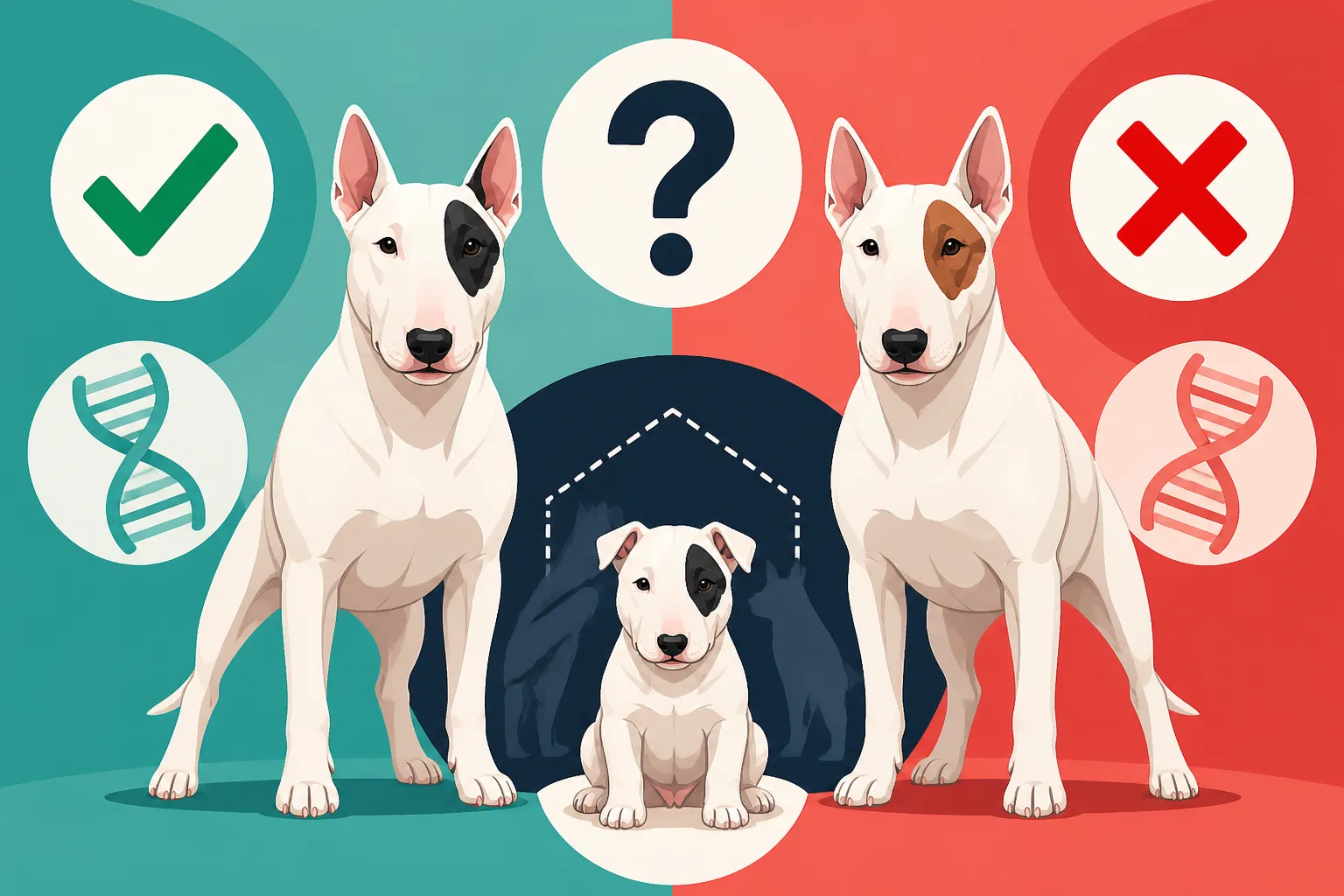
Whether Two Bull Terrier Acrodermatitis Carriers Should Be Bred
It’s a truly tough spot to be in when you have two wonderful Bull Terriers, perhaps with incredible temperaments or conformation, only to discover they are both carriers for Acrodermatitis (LAD). The question of whether to breed them isn't just a scientific one; it's deeply ethical, fraught with emotion, and carries significant responsibility. This guide will delve into the realities, risks, and responsible breeding practices surrounding two Acrodermatitis carriers, helping you understand why this particular pairing is almost universally advised against by reputable breeders and canine health experts.
Understanding Acrodermatitis in Bull Terriers
Before we even consider breeding, it’s crucial to grasp what Acrodermatitis is and why it's such a devastating condition in Bull Terriers. It's not just a minor health hiccup; it’s a severe, inherited disorder that impacts a puppy's entire system from a very young age, leading to immense suffering and a tragically short life.
The Genetic Basis of Lethal Acrodermatitis
Lethal Acrodermatitis is a genetic disease, specifically an autosomal recessive condition. This means that for a puppy to be affected by it, it must inherit two copies of the faulty gene—one from each parent. Dogs who carry only one copy of this gene are known as carriers. The good news for these dogs is that carriers themselves are typically healthy, showing no symptoms of the disease. They live normal lives, often without any indication that they harbor this hidden genetic secret. The gene responsible for LAD is called MCOLN1, and thanks to modern veterinary science, we have a reliable DNA test for it. Knowing which gene causes Acrodermatitis in Bull Terriers was a huge step forward for the breed.
The fact that carriers appear healthy is precisely where the dilemma lies. You might have a magnificent Bull Terrier, a joy to live with, a perfect example of the breed standard in every other way, but if they carry that single gene, they hold the potential to pass on a devastating condition. This hidden aspect makes genetic testing absolutely vital for any dog intended for breeding, ensuring you're fully informed about their genetic makeup before making any breeding decisions.
The Tragic Reality for Affected Puppies
When a puppy inherits two copies of the MCOLN1 gene, their fate is unfortunately sealed. What Lethal Acrodermatitis does to a Bull Terrier is heartbreaking. These puppies often start showing signs a Bull Terrier puppy has Acrodermatitis between 4 to 12 weeks of age. Their growth is severely stunted, they struggle with recurring infections—especially around their paws, muzzle, and eyes—and they develop characteristic skin lesions that are painful and prone to secondary infections. Their immune system is compromised, leaving them vulnerable to every pathogen they encounter.
The disease also affects their internal organs, often leading to issues like pneumonia and gastrointestinal problems. They often develop a distinctive "arched palate" and a specific look to their paws, which can be visibly inflamed and crusty. It's a cruel illness that robs them of their puppyhood. The Age Acrodermatitis Kills a Bull Terrier is typically before they reach two years old, often much, much sooner, despite intensive care and desperate attempts to manage their symptoms. Imagine watching a puppy suffer daily, unable to thrive, knowing there's no cure. It's an unimaginable burden for any owner, highlighting why preventing affected puppies is the paramount goal of responsible breeding.
Identifying Carriers Through DNA Testing
Thankfully, breeders today aren't left in the dark about LAD. The availability of a DNA test for Acrodermatitis has been a game-changer. This simple, non-invasive test, usually performed with a cheek swab, can definitively tell you if your Bull Terrier is clear, a carrier, or, in rare cases, affected. When the Bull Terrier Acrodermatitis DNA test arrived, it provided breeders with a powerful tool to make informed decisions.
This test is highly reliable and accessible through various veterinary genetics laboratories. It provides peace of mind and, more importantly, a clear path forward for responsible breeding. Every Bull Terrier intended for breeding should be tested, without exception. This isn't just a suggestion; it's a foundational step in ensuring the health of future generations and upholding the integrity of the breed. Reputable breeders will always provide documentation of these results for both parents. If you're looking for a puppy, always ask Whether a Bull Terrier breeder shows the Acrodermatitis result.
The Risks of Breeding Two Acrodermatitis Carriers
Now, to the heart of the matter: what happens if you breed two dogs who are both carriers for Acrodermatitis? The answer is stark and uncompromising, and it's why this pairing is strongly discouraged.
The Punnett Square Probability
Genetics isn't always straightforward, but with a simple recessive trait like LAD, the outcomes are predictable. We can use a Punnett Square to illustrate the probabilities when two carriers are bred. Let's use 'A' for the healthy gene and 'a' for the Acrodermatitis gene. A carrier dog has the genotype 'Aa'.
| A | a | |
|---|---|---|
| A | AA | Aa |
| a | Aa | aa |
As you can see from the table, if you breed two carriers (Aa x Aa):
- 25% of the puppies (AA) will be genetically clear (non-carriers, non-affected).
- 50% of the puppies (Aa) will be carriers, just like their parents.
- 25% of the puppies (aa) will be affected by Lethal Acrodermatitis.
This 25% chance of producing a terminally ill puppy is a significant and unavoidable risk. For every litter of four puppies, statistically, one will be born with this devastating condition. This is why breeding two Bull Terrier Acrodermatitis carriers is considered highly irresponsible, despite the potential for healthy offspring within the same litter. The potential for suffering is simply too high.
Ethical and Welfare Concerns
The primary reason to avoid breeding two carriers is the profound ethical responsibility breeders have towards animal welfare. Knowing that there's a 25% chance of creating a puppy destined for a short life of pain and chronic illness should be enough to halt such plans. Imagine bringing a litter into the world, knowing one in four might endure constant discomfort, difficulty eating, and recurrent infections, only to pass away before their first birthday.
Beyond the puppy's suffering, there's the immense emotional and financial toll on the eventual owners, or on the breeder if the puppy doesn't find a home or needs to be euthanized due to severity. It's a burden no one should knowingly inflict. While responsible breeders strive to maintain breed characteristics and improve lines, this must never come at the cost of animal welfare. Protecting the health and lifespan of the breed always comes first. This is a situation where the desire for specific traits in the parents must be superseded by the responsibility to avoid creating genetic disease.
Impact on the Breed's Reputation
Irresponsible breeding practices don't just affect individual dogs; they can damage the entire breed's reputation. The Bull Terrier is already sometimes misunderstood, and widespread genetic issues, especially those as severe as Acrodermatitis, can further perpetuate negative stereotypes or make potential owners wary. Responsible breeders work tirelessly to ensure the long-term health and vitality of the Bull Terrier. Intentionally breeding two carriers goes against this core principle and could undermine years of efforts to improve the breed's health. It’s about more than just one litter; it’s about the future of the breed.
Responsible Breeding Practices for Carriers
Just because a Bull Terrier is an Acrodermatitis carrier doesn't mean it can't be part of a responsible breeding program. It simply means that careful, educated choices must be made about who it's bred with. The goal is to produce healthy puppies, while also trying to reduce the frequency of the 'a' gene in the population over time, without excessively narrowing the gene pool.
Test All Breeding Stock
This point cannot be stressed enough. Before any dog enters a breeding program, regardless of its pedigree or assumed status, it must be DNA tested for Acrodermatitis. This is one of The Five Tests a Bull Terrier Breeder Should Have Paid For, alongside checks for hereditary nephritis, heart issues, and deafness. The information gained from this simple test is invaluable. Knowing a dog's genetic status for LAD is a fundamental step in preventing affected puppies. It should be as routine as checking for heart murmurs or testing for kidney function. A reputable breeder will have this documentation readily available.
Strategic Mating Choices
If you have a Bull Terrier that is an Acrodermatitis carrier, the absolutely non-negotiable rule for responsible breeding is to only mate them with a Bull Terrier that is genetically clear (AA).
Let's look at the Punnett Square for a carrier (Aa) bred to a clear (AA) dog:
| A | A | |
|---|---|---|
| A | AA | AA |
| a | Aa | Aa |
In this scenario:
- 50% of the puppies (AA) will be genetically clear.
- 50% of the puppies (Aa) will be carriers, just like one of the parents.
- 0% of the puppies (aa) will be affected by Lethal Acrodermatitis.
This approach completely eliminates the risk of producing affected puppies. While half the litter will still be carriers, these puppies are healthy and can live full, normal lives. If they are later considered for breeding, they too must only be bred to clear dogs, continuing the cycle of prevention. This method allows valuable carrier dogs to contribute their other positive traits to the gene pool without the risk of creating suffering.
Balancing Genetic Diversity and Disease Elimination
One might ask why we don't just remove all carriers from the breeding pool immediately. While eliminating genetic diseases is a laudable goal, it must be balanced with the need to maintain genetic diversity within the breed. If all carriers, regardless of their other excellent qualities, were immediately removed, it could drastically shrink the gene pool, potentially leading to other health issues down the line due to inbreeding or reduced genetic resilience.
For a breed like the Bull Terrier, which already has some predisposition to other conditions such as Hereditary Nephritis Takes Bull Terriers in Their Prime or Patellar Luxation in a Bull Terrier, a diverse gene pool is crucial. Therefore, the strategic use of carriers—always bred to clear dogs—is a responsible way to manage and reduce the incidence of the LAD gene over time, rather than a drastic, potentially harmful culling of valuable bloodlines. This ensures steady progress towards a healthier breed without creating new problems.
Transparent Communication with Puppy Buyers
For any puppies produced from a carrier x clear mating, it is absolutely essential for the breeder to be fully transparent with potential puppy buyers. Each puppy in the litter should ideally be tested for LAD status, or at the very least, buyers should be informed that their puppy has a 50% chance of being a carrier.
This transparency empowers new owners to make informed decisions, especially if they ever consider breeding their Bull Terrier in the future. They will know the importance of testing their dog before breeding and choosing a clear mate if their dog turns out to be a carrier. This open communication is a hallmark of an ethical breeder and fosters trust within the Bull Terrier community.
The Role of Health Insurance and Support
Even with the most rigorous breeding practices, owning any purebred dog, especially a breed with specific health predispositions, means being prepared for potential health challenges. While the aim of not breeding two Acrodermatitis carriers is to eliminate affected puppies, life can always throw curveballs.
Preparing for the Unforeseen
Even with responsible breeding, accidents happen, or a condition that wasn't tested for might arise. Bull Terriers, for all their robust appearance, can sometimes be prone to a A Bull Terrier's Skin Is Its Weakest Point, or a heart murmur. Being prepared for these possibilities is part of being a responsible dog owner.
This isn't to say that skipping genetic testing is ever okay. It is always paramount to prevent known, avoidable suffering. But it's about having a safety net for everything else.
Financial Safeguards for Bull Terrier Owners
The costs associated with veterinary care can quickly add up, whether it's for routine check-ups, unexpected illnesses, or specialized treatments. This is where pet health insurance can be an invaluable tool. Companies like Healthy Paws offer comprehensive coverage that can help alleviate the financial burden of managing a dog's health needs. While the goal is to prevent LAD, if an unforeseen health issue arises, having a plan in place can make all the difference.
For any Bull Terrier owner, regardless of their dog's genetic status, considering pet insurance like Healthy Paws for accidents and illnesses is a wise move. It ensures that you can always make health decisions based on what's best for your beloved companion, rather than being limited by your budget. It covers everything from unexpected injuries to chronic conditions, allowing you to focus on your Bull Terrier's well-being. Thinking about the long-term, from puppyhood through Caring for a Bull Terrier Past Eight, financial preparedness for health is key.
Disclaimer
The information provided in this article is for general educational purposes only and should not be considered a substitute for professional veterinary advice. Always consult with a qualified veterinarian or a certified canine genetics counselor for any health concerns or breeding decisions regarding your Bull Terrier. Genetic testing and breeding choices should be made in consultation with experts to ensure the best outcomes for your dog and the breed.