Whether a Bull Terrier Gets Tear Staining
Seeing those reddish-brown streaks under your Bull Terrier's bright, triangular eyes can be incredibly frustrating. It’s not just an unsightly cosmetic issue; as a concerned owner, you might worry if it’s a sign of something deeper, something that’s bothering your clownish companion. This guide is here to shed some light on tear staining in Bull Terriers, exploring what causes it, when to genuinely worry, and practical steps you can take to manage it, helping your Bull Terrier look and feel their best.
Understanding Bull Terrier Tear Staining: Is It Just an Aesthetic Issue?
Tear staining, technically known as epiphora, refers to the discoloration of the fur, typically below a dog's eyes, caused by excessive tear production or poor tear drainage. The reddish-brown hue often comes from porphyrins, iron-containing molecules that are excreted through tears, saliva, and urine. When exposed to light, these porphyrins oxidize, resulting in that distinct reddish-brown stain. While it might seem like a superficial problem, understanding its root causes is crucial.
What Causes Tear Staining in Bull Terriers?
Bull Terriers, with their unique head shape and often deep-set, small eyes, can be particularly prone to tear staining. It's not always a single culprit, but often a combination of factors. One of the most common reasons is simply genetics; some dogs are just built in a way that makes proper tear drainage a bit of a challenge. Their skull structure can sometimes lead to shallower eye sockets or tear ducts that aren't quite as efficient as they should be, causing tears to spill over rather than drain internally.
Beyond structural predispositions, several other issues can contribute. Allergies are a huge player here, just like in humans. Environmental allergens like pollen, dust mites, or certain ingredients in their food can trigger excessive tearing. Imagine your own eyes watering up when pollen is high – it’s a similar mechanism at work for your Bull Terrier. Irritants like smoke, perfumes, or even cleaning products used in the house can also cause irritation, leading to more tears. Sometimes, foreign bodies like a stray eyelash, a piece of dust, or even a tiny blade of grass can irritate the eye and cause a steady stream of tears. Lastly, diet can sometimes play an unexpected role. While not a direct cause, some believe that certain ingredients, particularly those that are highly processed or contain artificial additives, can contribute to inflammation in the body, which might manifest as excessive tearing or a change in tear chemistry. This is often an area of much debate among owners, but it’s worth considering alongside veterinary advice.
When to Worry: Differentiating Stains from Medical Problems
It’s easy to dismiss tear staining as just "one of those Bull Terrier things," but it’s vital to know when it could signal something more serious. If the staining is accompanied by any other symptoms, that’s your cue to pick up the phone and call your vet. Signs that warrant immediate attention include redness or inflammation around the eye, the eye itself appearing painful or squinted, any discharge that is thick, yellow, green, or foul-smelling, or if your Bull Terrier is excessively rubbing or pawing at their face. Changes in their vision or a cloudy appearance to the eye are also red flags.
While the reddish-brown staining itself isn't inherently painful, the underlying cause certainly can be. A blocked tear duct might lead to discomfort, while an untreated eye infection can be seriously painful and even threaten vision. Allergies can cause chronic itchiness and irritation. Therefore, always approach new or worsening tear staining with a critical eye, and don't hesitate to consult your veterinarian. They can help rule out serious medical conditions and determine if the staining is merely cosmetic or a symptom of an issue that requires treatment. Early intervention can save your dog from unnecessary discomfort and prevent more serious problems down the line. If you're seeing signs of discomfort, it's more than just a stain; it's a call for help. For more signs of trouble, read about Signs a Bull Terrier's Eye Is Irritated.
Diagnosing and Treating Tear Staining: Beyond Wiping
When you first notice significant tear staining, your gut reaction might be to grab a tissue and wipe it away. However, true resolution often requires digging deeper with your veterinarian. They are your best resource for understanding the root cause and developing an effective treatment plan, moving beyond just superficial cleaning.
The Vet Visit: What to Expect
When you bring your Bull Terrier in for tear staining, your vet will start with a thorough general physical exam, paying special attention to their eyes and surrounding structures. They’ll likely perform an ophthalmic exam, which involves carefully looking at the eye itself, the eyelids, and the area around the eye for any abnormalities. This might include checking for entropion (where the eyelid rolls inward, causing eyelashes to rub against the eye), ectropion (where the eyelid rolls outward), distichiasis (extra eyelashes growing from an abnormal spot), or foreign bodies lodged in the eye.
A crucial part of the investigation for tear staining is assessing the tear ducts. Your vet may perform a fluorescein dye test, where a special orange dye is placed in the eye. Normally, this dye should appear in the nostril within a few minutes, indicating that the tear duct is open and draining correctly. If it doesn't, it suggests a blockage. In some cases, a tear duct flush might be performed, where a saline solution is gently flushed through the tear ducts to clear any obstructions. If allergies are suspected, your vet might discuss dietary trials or even refer you for allergy testing, much like what you'd find for humans. Your vet will also likely ask about your Bull Terrier's diet, living environment, and any other symptoms you've noticed, because clues can come from unexpected places.
Medical and Dietary Interventions
Once a diagnosis is made, treatment can be targeted. If a blocked tear duct is confirmed, flushing it can sometimes clear the issue, though some dogs may need this procedure repeated. For anatomical issues like entropion, surgery might be recommended to correct the eyelid's position and prevent irritation. In cases of bacterial infection contributing to the discharge, antibiotics (topical or oral) would be prescribed.
When allergies are the culprit, the approach changes. For environmental allergies, your vet might suggest antihistamines or steroids, or even recommend changes in your home environment to reduce exposure to allergens. Dietary allergies are tackled by identifying and eliminating the offending ingredient. This often involves a strict "elimination diet" where your Bull Terrier eats a novel protein or hydrolyzed protein diet for several weeks to see if the staining improves. Brands like Ollie, known for their fresh food options, or specific prescription diets found on Chewy, might be discussed as part of a comprehensive dietary strategy. Some owners find success with filtered water, believing that minerals in tap water can exacerbate staining. Over-the-counter eye wipes and solutions specifically formulated for tear stains, often containing mild astringents or antibacterial agents, can also be part of a daily routine, readily available on Amazon or Chewy. However, these are best used after a vet has ruled out serious medical issues, as they only address the symptom, not the cause. You might find it helpful to look into How to Clean a Bull Terrier's Eyes for specific techniques.
| Cause of Tear Staining | Common Symptoms (beyond stain) | Potential Veterinary Interventions | Daily Management Support |
|---|---|---|---|
| Blocked Tear Ducts | Tears overflowing, no dye in nostril during test, potentially sticky | Tear duct flush, antibiotics if infection present | Regular wiping, keep area dry |
| Allergies (Environmental) | Itching, sneezing, pawing at face, ear infections, skin issues | Antihistamines, steroids, allergy shots, environmental control | Hypoallergenic wipes, clean bedding, air purifiers |
| Allergies (Food) | Itching, gastrointestinal upset, skin issues | Elimination diet, novel protein diet, prescription food | Specific dietary changes, filtered water, supplements |
| Eyelid/Eyelash Abnormalities | Rubbing, squinting, redness, visible misdirected lashes | Surgical correction, plucking abnormal lashes, lubricating drops | Gentle cleaning, protective eyewear (if advised) |
| Eye Infections | Redness, thick/colored discharge, pain, swelling, squinting | Topical or oral antibiotics, anti-inflammatory medication | Regular gentle cleaning (as directed by vet), hygiene |
| Irritants/Foreign Body | Sudden excessive tearing, squinting, pawing | Flushing eye, removal of foreign body, lubricating drops | Avoid irritants, protective measures (e.g., during walks) |
Daily Management and Prevention Strategies
While your vet addresses any underlying medical issues, there's a lot you can do at home to manage tear staining and try to prevent its recurrence. Consistency is key when it comes to keeping your Bull Terrier’s face clean and comfortable.
Regular Cleaning and Grooming Routines
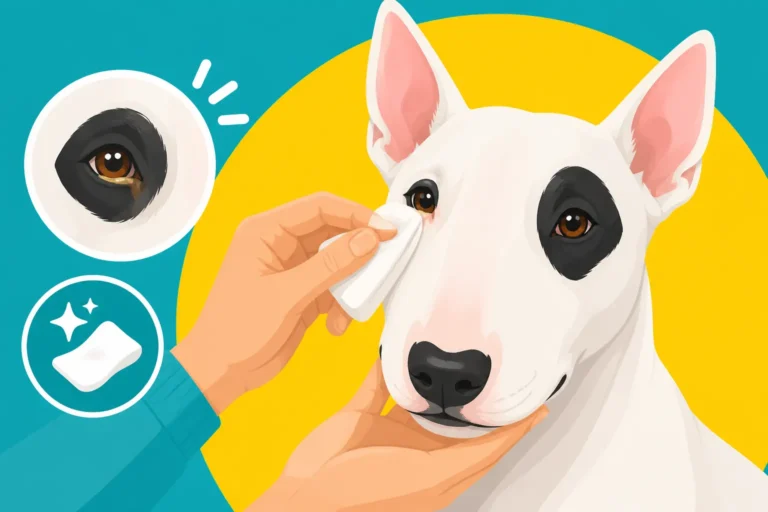
The most immediate step you can take is to establish a consistent cleaning routine. Gently wipe your Bull Terrier's stained areas daily, sometimes even twice a day, using a soft cloth or cotton ball dampened with warm water. Many owners find success with tear stain specific wipes and solutions, which often contain mild cleansers or antimicrobials to help break down the porphyrin stains and prevent yeast growth. When selecting a product, always read the labels carefully and choose those that are safe for use around the eyes. You can often find a good selection of these on Chewy or Amazon, with various brands offering gentle, non-irritating formulas. Remember to be incredibly gentle; the skin around their eyes is delicate, and you don’t want to cause further irritation. After cleaning, ensure the area is completely dry, as moisture can create a breeding ground for yeast, which can worsen the reddish discoloration. Some Bull Terriers might have fine hairs around their eyes that can wick tears, and carefully trimming these with blunt-nosed scissors (if you're confident and your dog is cooperative) can also help keep the area drier.
Environmental and Lifestyle Adjustments
Beyond direct cleaning, a holistic approach to your Bull Terrier's environment can make a big difference. Think about what might be irritating their eyes. For instance, if you use harsh cleaning sprays or air fresheners, the airborne particles could be causing irritation. Switching to pet-safe, unscented products can help. Similarly, if your Bull Terrier spends a lot of time in dusty areas, or if you smoke indoors, these environmental factors can contribute to eye irritation and tearing. Improving air quality with a good filter can also be beneficial.
Ensure your Bull Terrier always has access to fresh, clean water. Some owners notice an improvement in tear staining when they switch from tap water to filtered or distilled water, theorizing that minerals and impurities in tap water could play a role. Using ceramic or stainless steel bowls instead of plastic can also be helpful, as plastic bowls can sometimes harbor bacteria or cause contact irritation around the muzzle. Remember, a healthy, well-hydrated dog is generally better equipped to manage any minor irritations. For discussions on overall health and diet, you might also want to read Which Diet Suits a Bull Terrier With Kidney Disease or A Bull Terrier's Skin Is Its Weakest Point for related considerations.
Long-Term Outlook for Your Bull Terrier
It's important to set realistic expectations when dealing with tear staining in Bull Terriers. For some, especially those with genetic predispositions or certain anatomical features, complete eradication of staining might be challenging, if not impossible. The goal often shifts from total elimination to effective management. This means maintaining a routine of cleaning, addressing any underlying health issues, and being proactive about environmental irritants.
The most crucial thing is your Bull Terrier's comfort and overall health. As long as they are not experiencing pain, itching, or signs of infection, a little bit of staining might simply be a cosmetic quirk that comes with owning such a wonderfully unique breed. Many Bull Terrier owners learn to accept a degree of staining, focusing instead on ensuring their dog is happy and healthy. Regular veterinary check-ups, even for what seems like minor staining, are vital for catching any emerging issues early. After all, the bond you share with your Bull Terrier is far more important than a perfectly pristine face, though keeping them clean and comfortable is a sign of that deep affection.
Disclaimer
This article is for general informational purposes only and does not constitute professional advice. Laws, prices and regulations vary by location and change over time. Consult a qualified professional for guidance on your specific situation.